Artwork
H Beard Print Collection
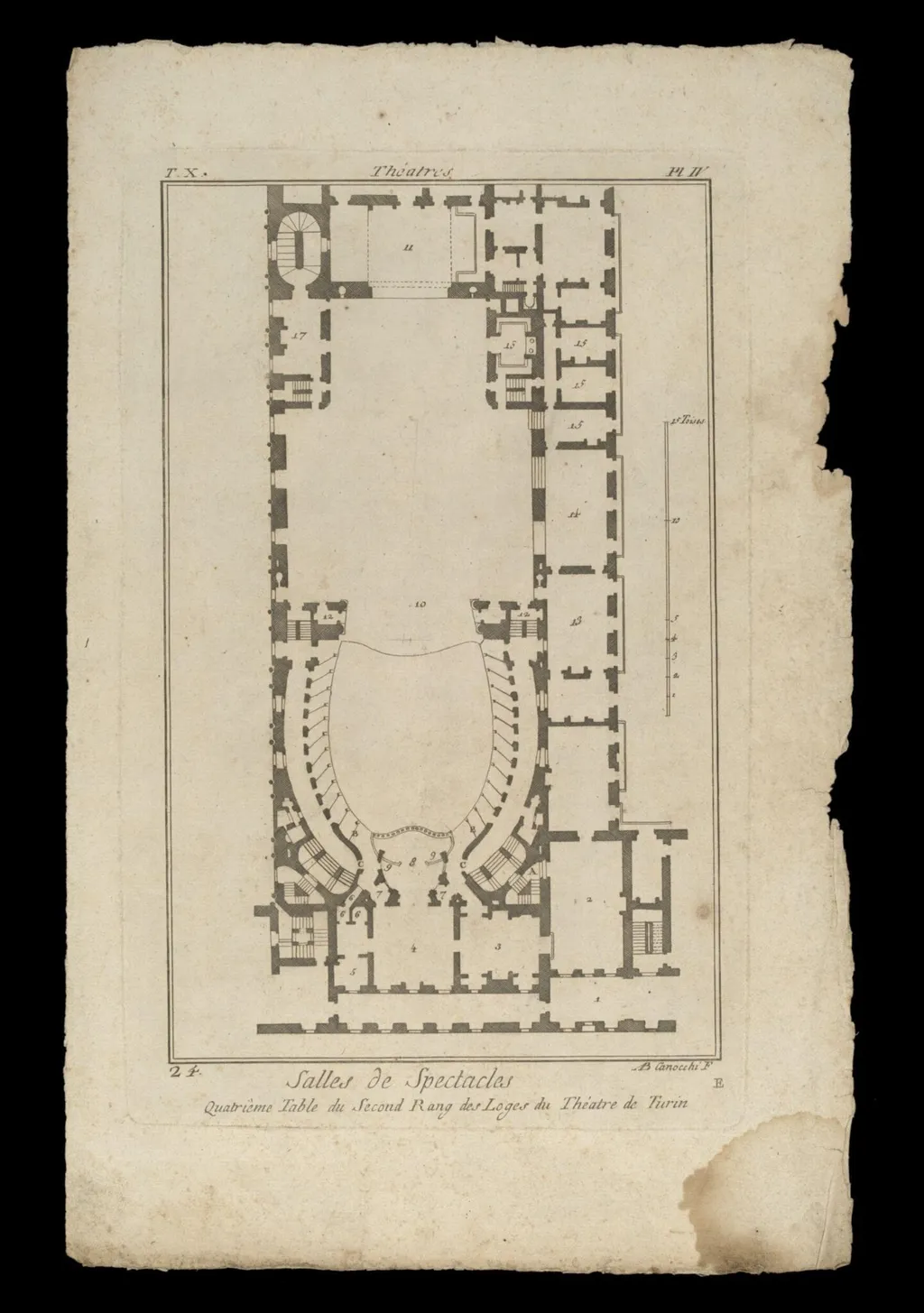
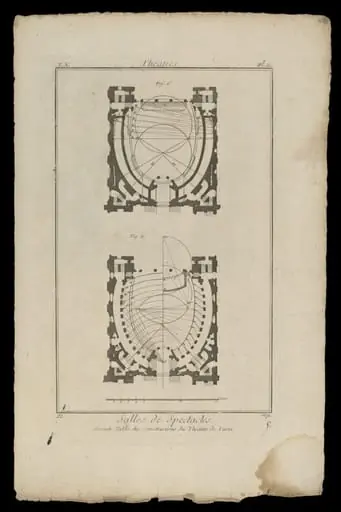
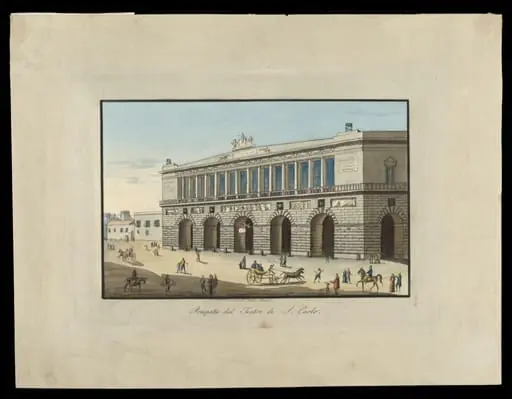
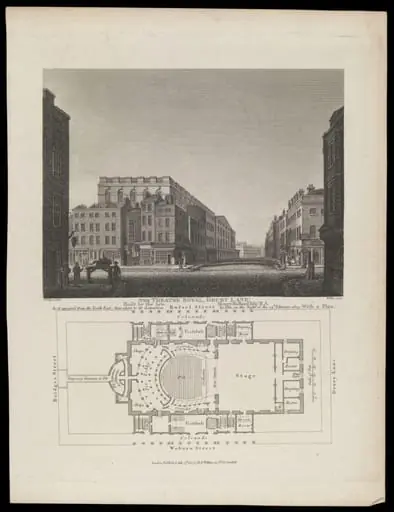
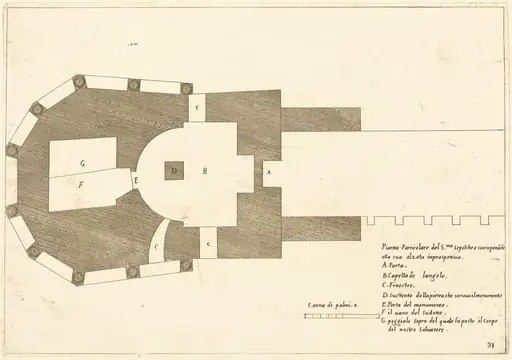
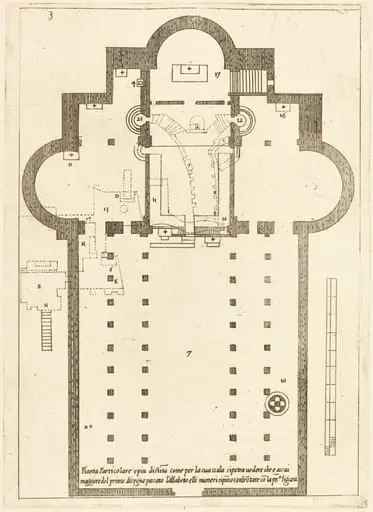
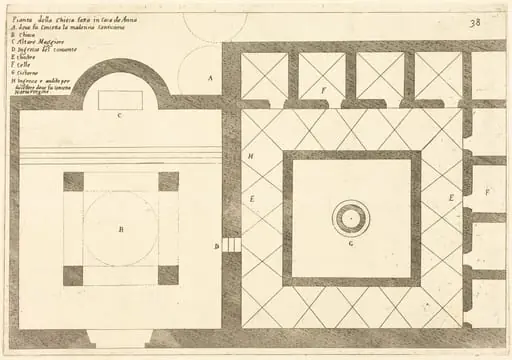
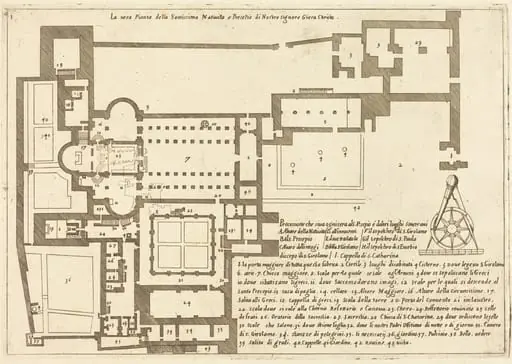
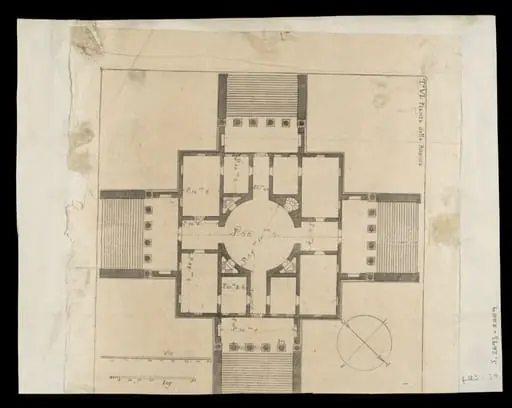
H Beard Print Collection is a print by AB Canocchi. It dates from 1750 and is held in the collection of the Victoria and Albert Museum. This print is one of several plates from a mid-18th-century publication documenting theater architecture across France and Italy.
About this work
Overview
The work belongs to a genre of technical documentation that combined surveying precision with artistic engraving to record stage design and infrastructure.
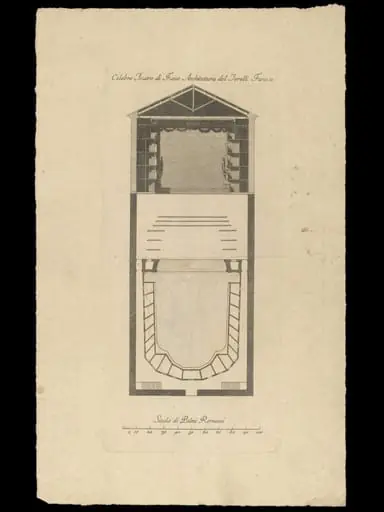
This print is one of several plates from a mid-18th-century publication documenting theater architecture across France and Italy. It presents architectural plans for the Teatro di Torino, likely extracted from Gabriel Martin Dumont’s illustrated volume on theatrical spaces. The work belongs to a genre of technical documentation that combined surveying precision with artistic engraving to record stage design and infrastructure.
Subject & Meaning
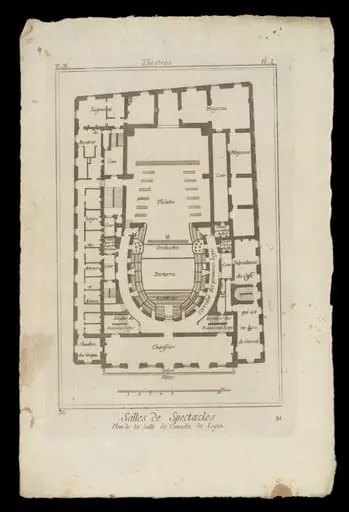
The plate illustrates the spatial organization of Turin’s theater, detailing the arrangement of seating, stage, and backstage machinery. Rather than depicting performance, it focuses on the built environment that enabled it—offering a functional blueprint for theater operators and architects. The inclusion of mechanical elements suggests an interest in the technical innovations that shaped theatrical experience during the Enlightenment.
Technique & Style
Executed as a fine-line engraving on paper, the print employs precise, linear drafting typical of architectural treatises of the period. Shading and hatching define depth and structure without decorative flourish. The composition is orderly and scaled, prioritizing clarity over aesthetic expression, reflecting its role as a reference tool for professionals in theater construction and design.
History & Provenance
The print originates from Dumont’s 1774 publication, which compiled comparative designs of prominent Italian and French theaters. It was likely produced for an audience of architects, stage engineers, and aristocratic patrons interested in theatrical innovation. The work was distributed in limited editions and is now held in institutional collections, including the Victoria and Albert Museum, as part of a broader archive of performance history.
Context
In the 1770s, theater design was undergoing standardization across Europe, driven by advances in stage mechanics and growing public interest in performance. Dumont’s volume emerged amid a surge in printed architectural studies, reflecting Enlightenment ideals of classification and empirical observation. The inclusion of machinery diagrams indicates a fascination with the engineering behind spectacle, not just its visual outcome.
Legacy
The print survives as a record of 18th-century theatrical engineering and cross-cultural exchange in stage design. While not widely known outside specialist circles, it contributes to the historical understanding of how performance spaces evolved. Its preservation in museum collections ensures continued access for researchers studying the intersection of architecture, technology, and live performance.
Artist & collection
Artist
A printmaker working in the 18th century, AB Canocchi carved detailed sheets that often reproduced fancy wigs and powdered coats for the London fashion market.