Artwork
Xie An Tours Mt. Dong with Courtesans
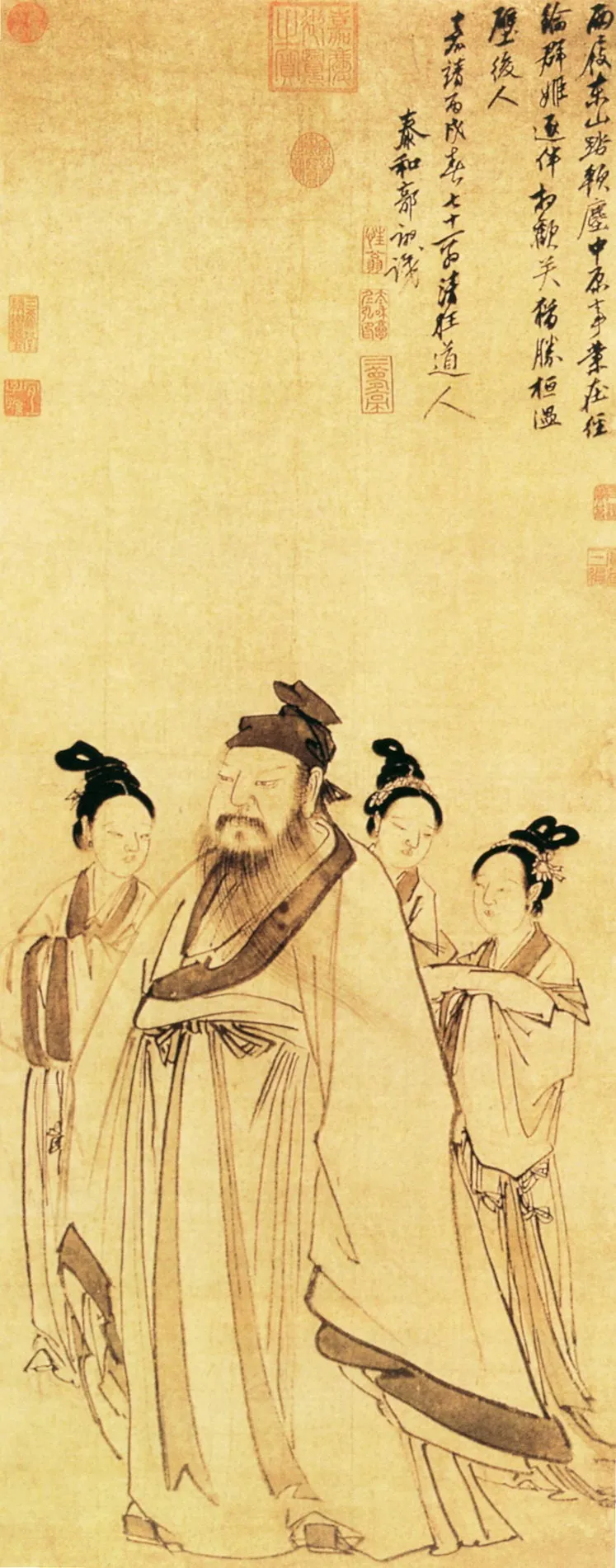
Xie An Tours Mt. Dong with Courtesans is an unspecified painting by the Ming dynasty painting artist Guo Xu. It dates from 1526 and is held in the collection of the National Palace Museum.
About this work
Overview
Painted in 1526 by Guo Xu, this ink-and-color work depicts a historical figure, Xie An, strolling on Mt. Dong accompanied by three courtesans. Executed in the Ming dynasty tradition, the painting balances figure composition with atmospheric landscape elements. It resides today in the National Palace Museum, Taipei, as part of its collection of classical Chinese court and literati art.
Subject & Meaning
His presence among courtesans suggests a moment of refined retreat, aligning with literati ideals of harmony between governance and personal contemplation.
The scene references Xie An, a revered Jin dynasty statesman known for his cultivated leisure and intellectual grace. His presence among courtesans suggests a moment of refined retreat, aligning with literati ideals of harmony between governance and personal contemplation. The women’s attentive gazes reinforce his status as a central moral and aesthetic figure, not merely a patron, but a symbol of cultivated serenity.
Technique & Style
Guo Xu employs soft ink washes and restrained color to define forms, with figures rendered in precise, flowing lines. The light yellow background, devoid of detailed landscape, creates spatial ambiguity, focusing attention on the group’s quiet interaction. Subtle layering of robes and hairpins adds texture without clutter, reflecting the Ming preference for understated elegance over ornate detail.
History & Provenance
The painting was completed during Guo Xu’s mature period, when he was active in the imperial painting academy. It entered the Qing imperial collection and later became part of the National Palace Museum’s holdings after the relocation of artifacts from Beijing to Taiwan in the mid-20th century. Its continuous institutional custody attests to its recognized cultural value.
Context
In early 16th-century China, literati painting increasingly emphasized personal retreat and historical allusion. Guo Xu’s choice of Xie An—a figure celebrated for balancing political duty with aesthetic refinement—resonated with scholar-officials seeking models of dignified withdrawal. The painting reflects a broader trend of reviving Jin dynasty ideals as a counterpoint to courtly excess.
Legacy
Though not widely reproduced, the work remains a key example of Ming figure painting that merges historical narrative with psychological stillness. It influenced later artists interested in conveying inner calm through composed groupings and minimal environmental detail, preserving a quiet strand of literati aesthetics into the Qing period.
Artist & collection



 Untitled
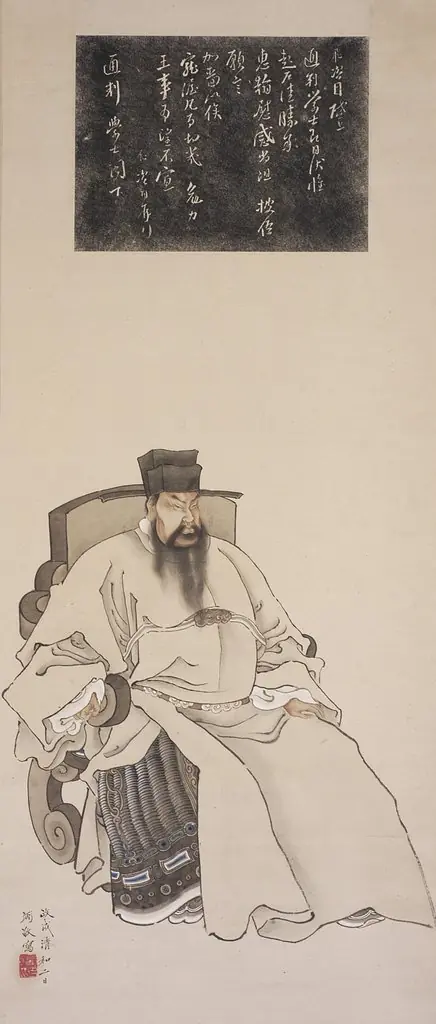 Portrait of Yue Fei
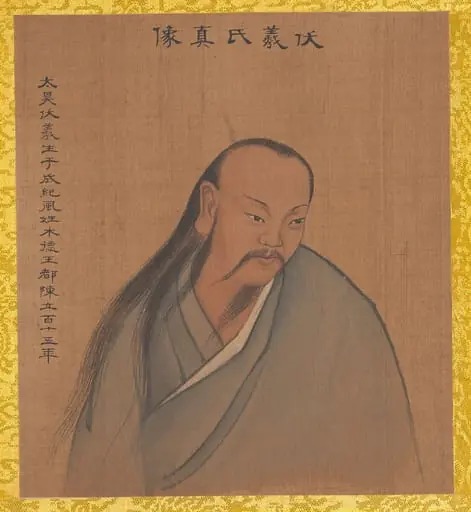 清 佚名 傳姚文瀚 歷代帝王真像 冊|Portraits of Emperors of Successive Dynasties
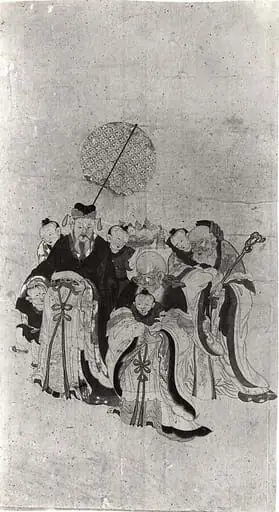 Untitled
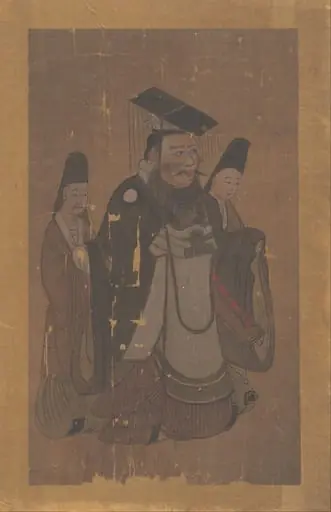 Untitled
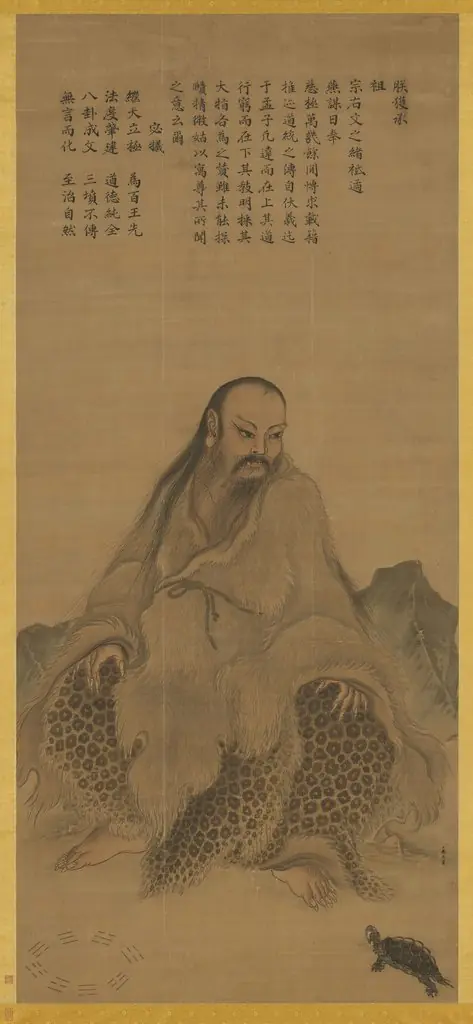 Seated Portrait of Fu Xi
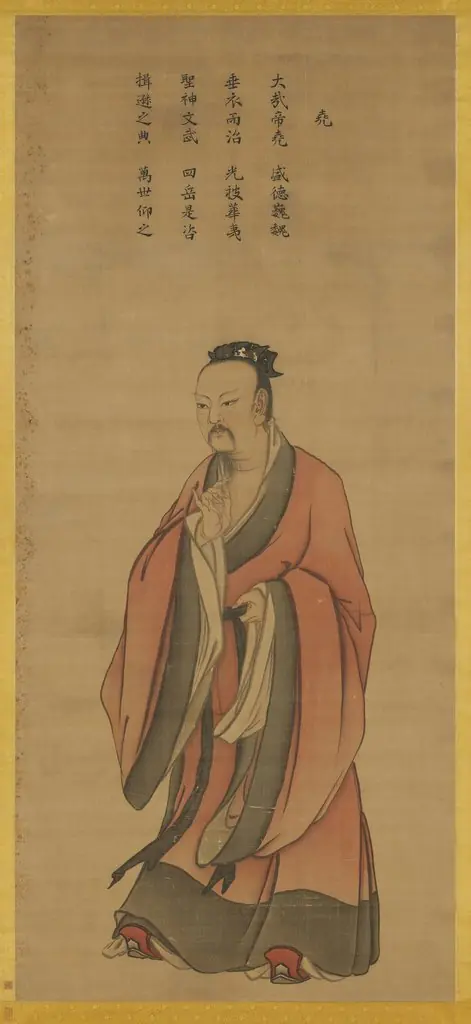 帝堯立像
帝堯立像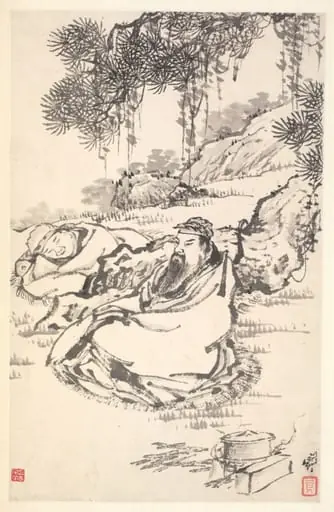 Lu Tong and Servant
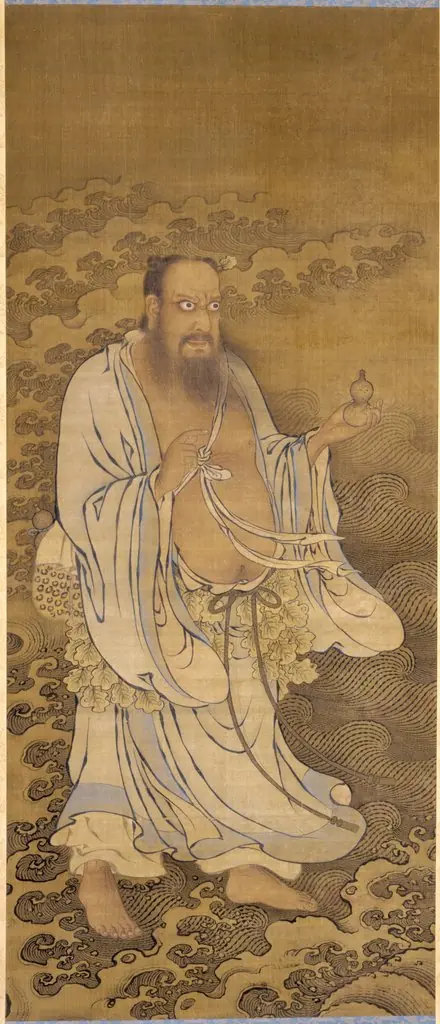 Zhongli Quan Crossing the Ocean
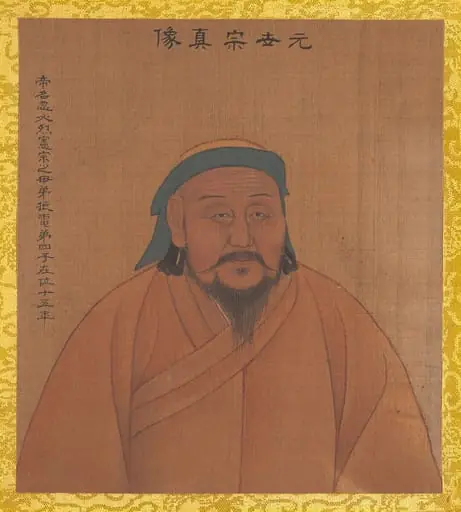 清 佚名 傳姚文瀚 歷代帝王真像 冊|Portraits of Emperors of Successive Dynasties
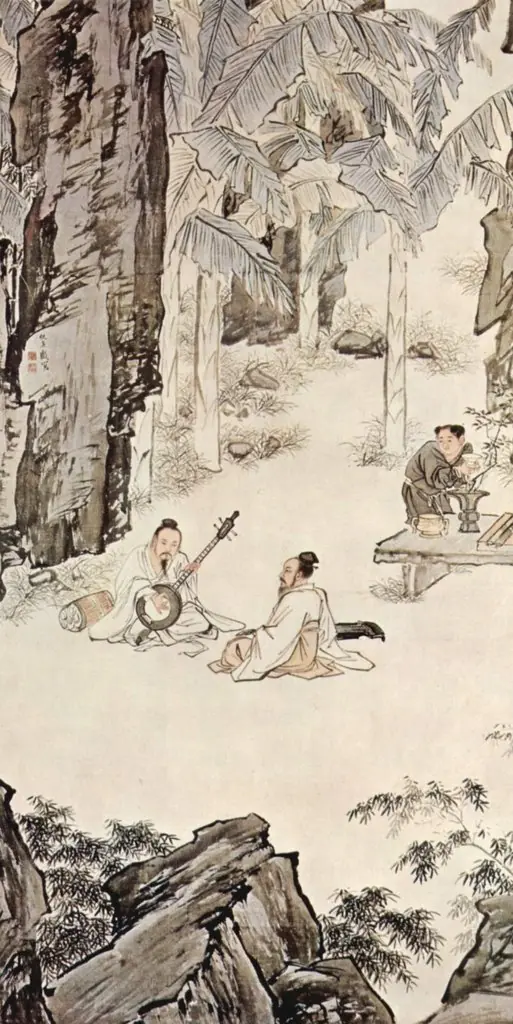 Whiling Away Summer in the Shade of Plantain
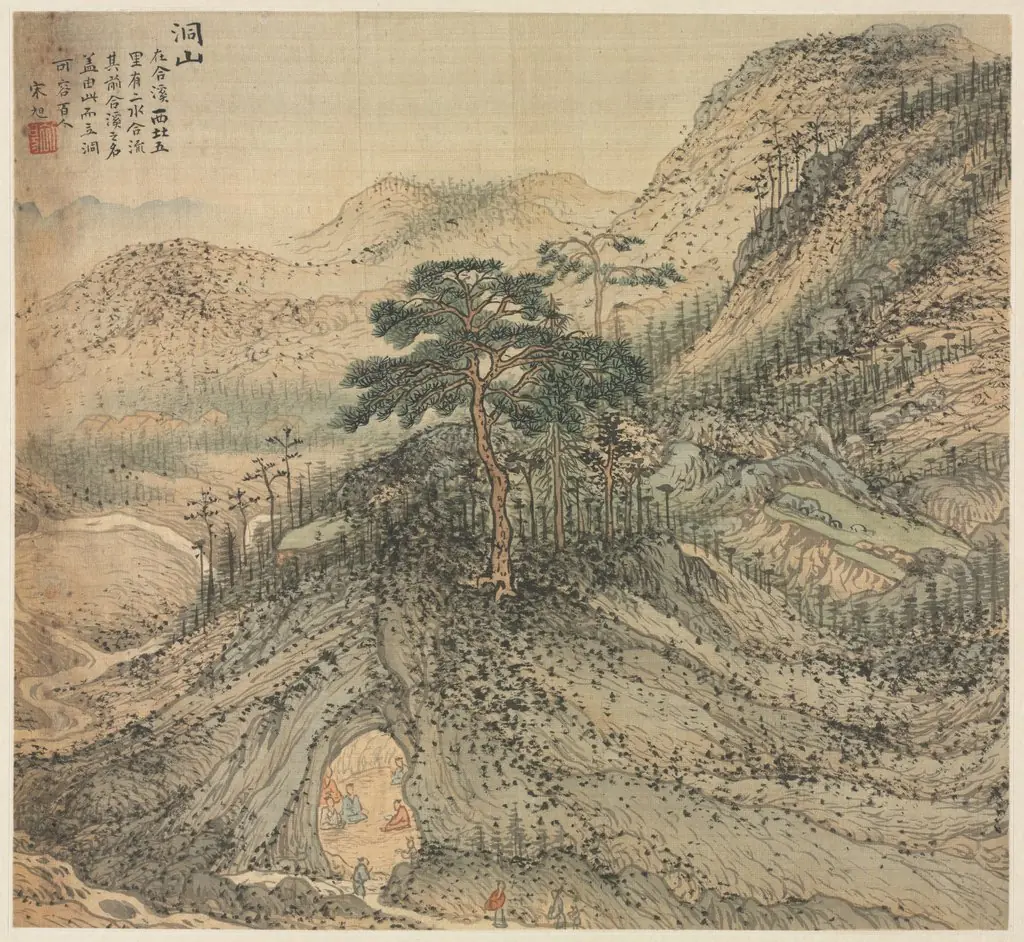 Mt. Dong (Grotto Mountain)