Artwork
Florence of the Cinquecento and Quattrocento
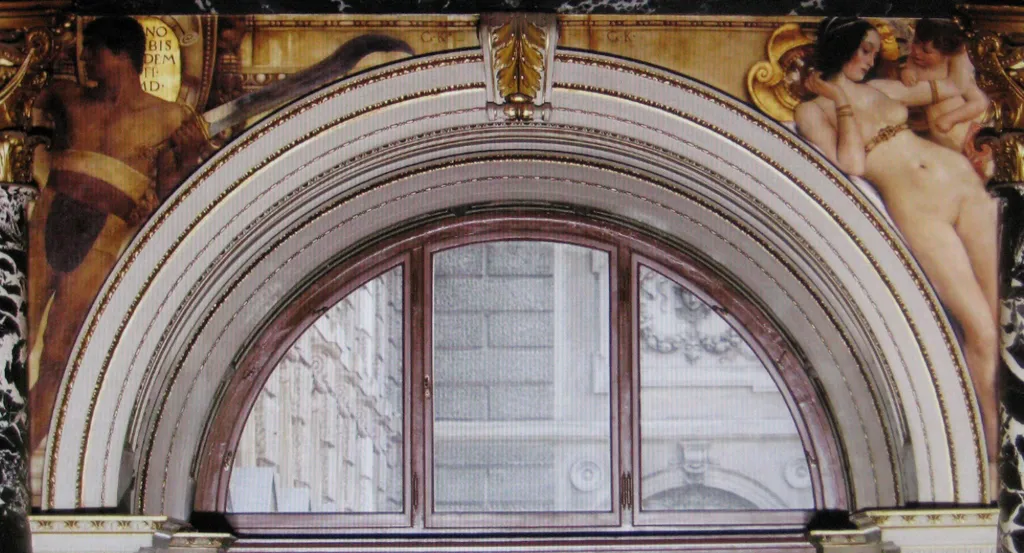
Florence of the Cinquecento and Quattrocento is an unspecified painting by Gustav Klimt. It dates from 1850 and is held in the collection of the Kunsthistorisches Museum.
About this work
Overview
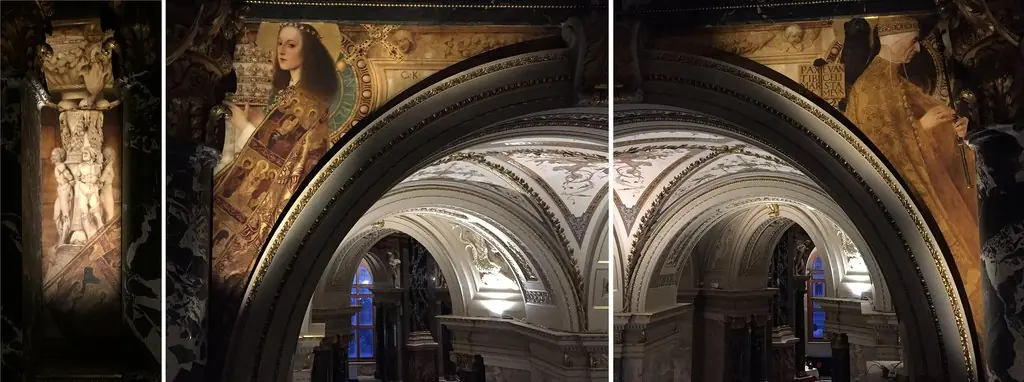
The painting depicts an architectural interior centered on a large arched window with a brown wooden frame, flanked by two smaller side panes.
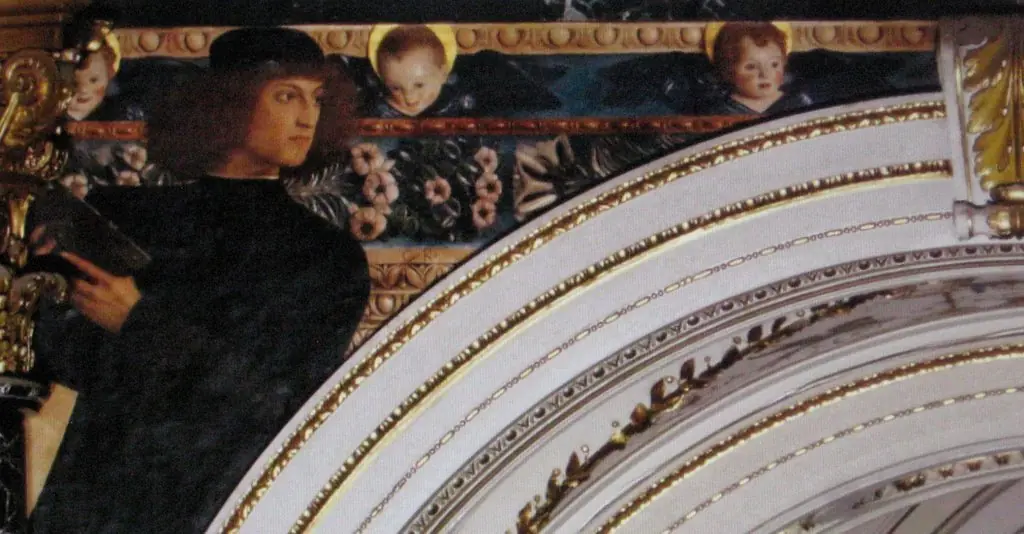
The painting depicts an architectural interior centered on a large arched window with a brown wooden frame, flanked by two smaller side panes. Above the window, three figures are arranged symmetrically: two female forms on either side and a male figure to the left. Rendered in muted browns and gold tones, the composition blends architectural precision with ornamental detail, suggesting a decorative intent rather than narrative clarity.
Subject & Meaning
The figures appear symbolic rather than portraiture, their placement and stylization hinting at allegorical roles—possibly representing virtues, eras, or ideals tied to Florentine cultural identity. Their gold-accented garments and static poses evoke a sense of timeless presence, though no specific myth or historical event is clearly referenced. The window may symbolize a threshold between the material and the ideal.
Technique & Style
The work combines naturalistic rendering of the window’s structure with stylized, flattened figures and decorative patterning in clothing and framing. Gold leaf and subtle tonal gradients suggest influence from Byzantine mosaics and Jugendstil aesthetics. Brushwork is precise in architectural elements but looser in the figures, creating a tension between realism and ornamentation.
History & Provenance
The painting is attributed to Gustav Klimt, though its date of c. 1850 is inconsistent with his known lifespan (1862–1918). It resides in the collection of the Kunsthistorisches Museum in Vienna, where it is cataloged as an early or possibly misattributed work. Documentation remains limited, and its origins within Klimt’s oeuvre are subject to scholarly debate.
Context
Created during a period when Viennese artists were reinterpreting Renaissance motifs through a modern lens, the painting reflects broader 19th-century interests in reviving historical aesthetics. While Florence is referenced in the title, the imagery lacks specific Florentine landmarks, suggesting a conceptual rather than topographical homage to the city’s artistic legacy.
Legacy
Though not among Klimt’s most recognized works, the painting illustrates his early engagement with symbolic composition and decorative surfaces that later defined his mature style. Its presence in a major museum underscores its role as a transitional piece, revealing how artists of the time negotiated tradition, symbolism, and personal expression.
Artist & collection
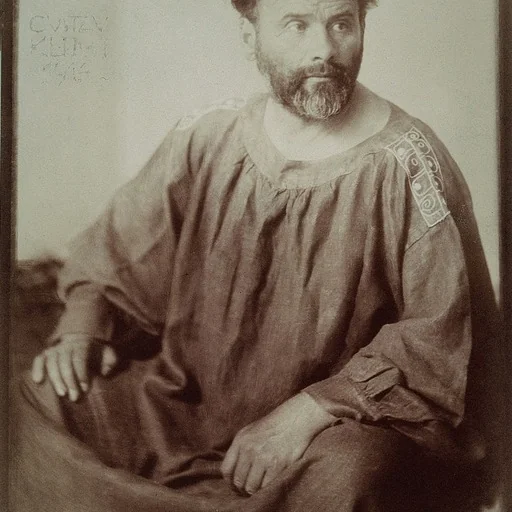
Artist
Gustav Klimt was an Austrian symbolist painter and a founding member of the Vienna Secession movement.


 Music
Music Ornamentale plafondschildering met bloem- en plantmotieven
 Untitled
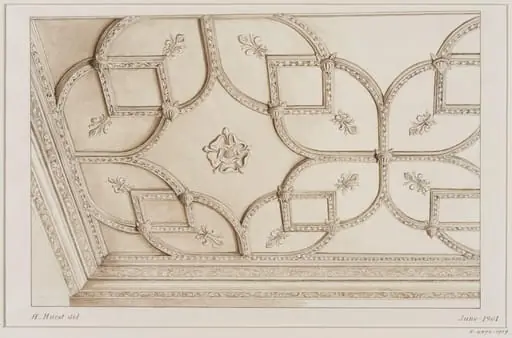 Untitled
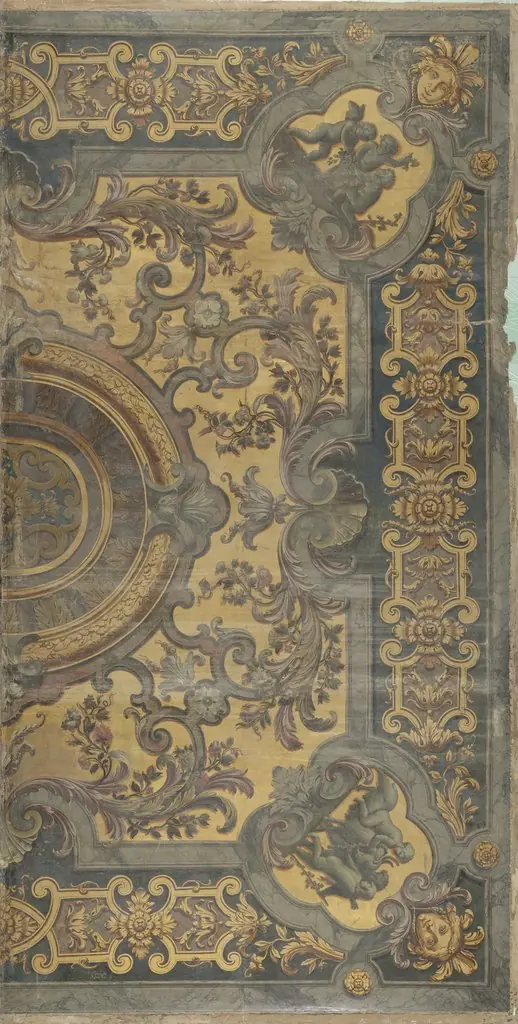 Ornamentale plafondschildering met in de hoeken voorstellingen van putti
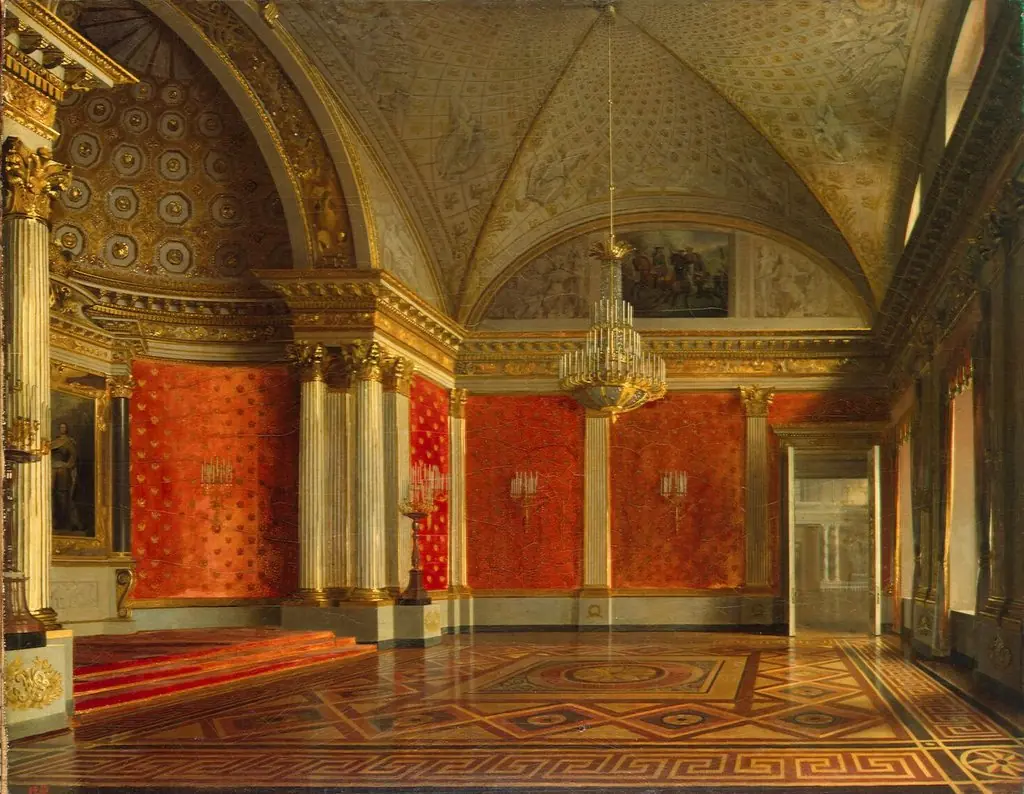 View of the Peter's (Small Throne) Room in the Winter Palace
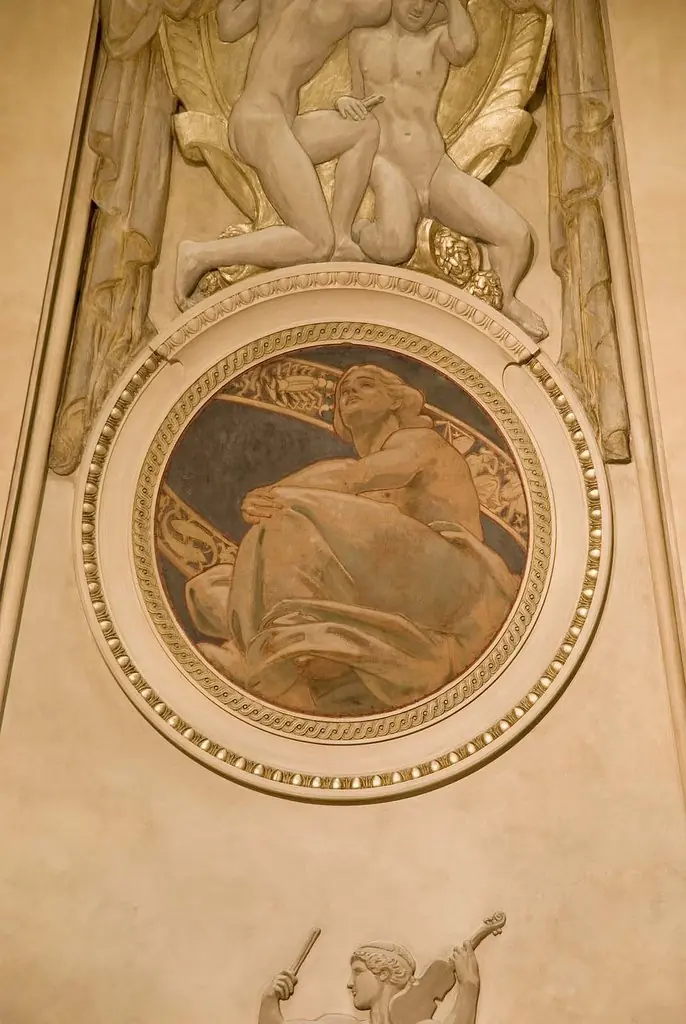 Astronomy
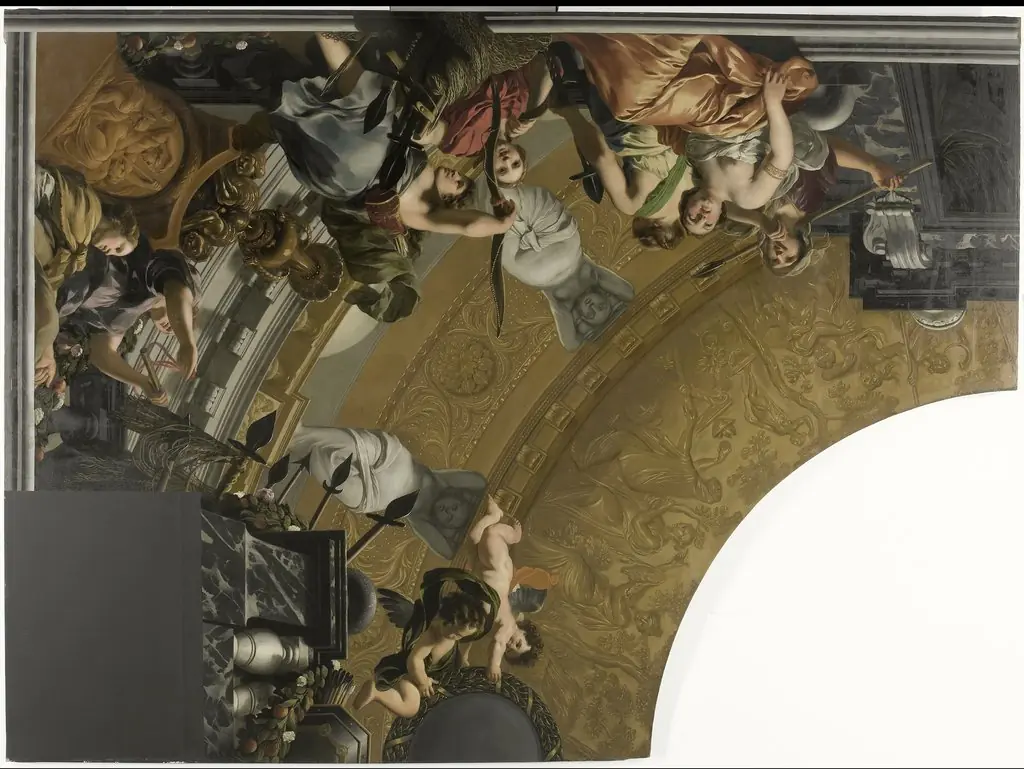 Onderdeel (linksboven) van een plafondschildering met als hoofdvoorstelling Diana en haar gezellinnen
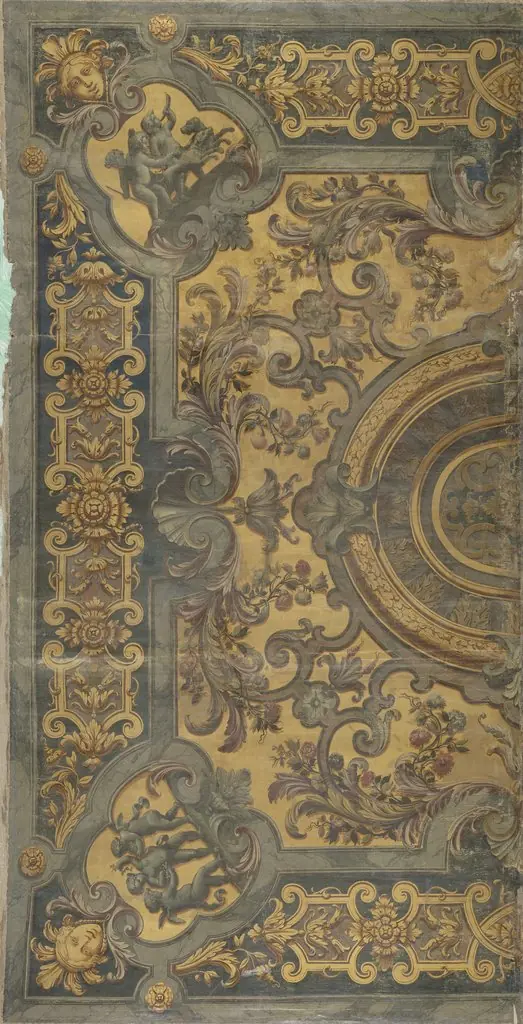 Ornamentale plafondschildering met in de hoeken voorstellingen van putti
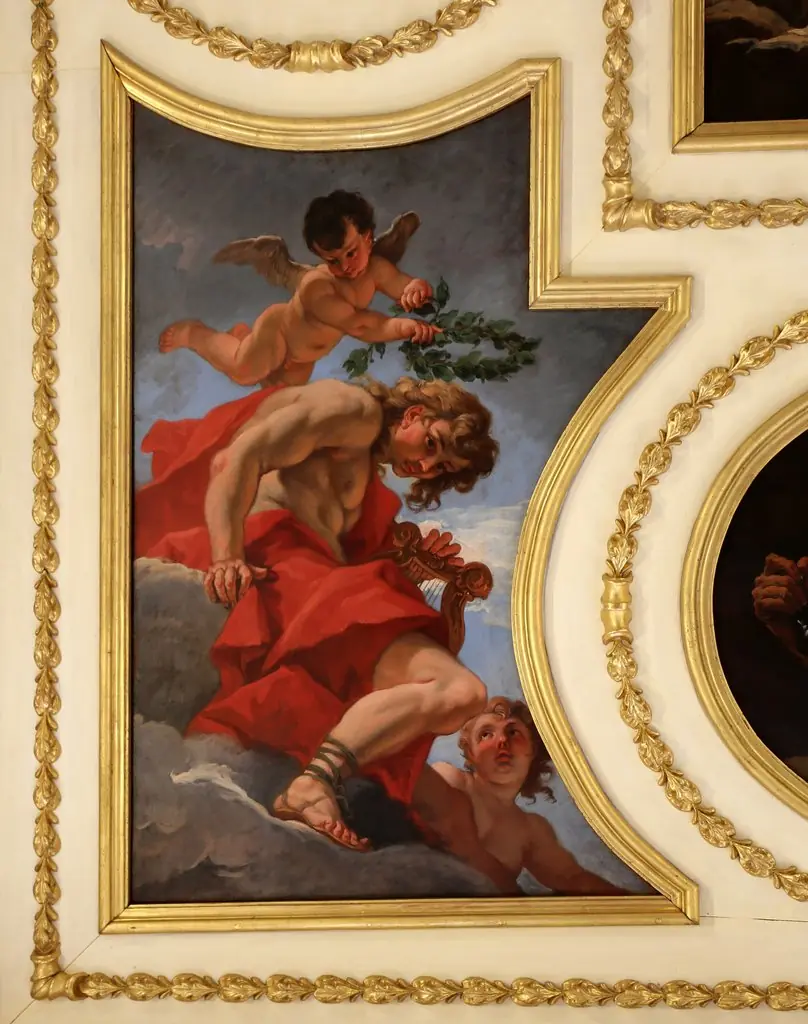 Apollo
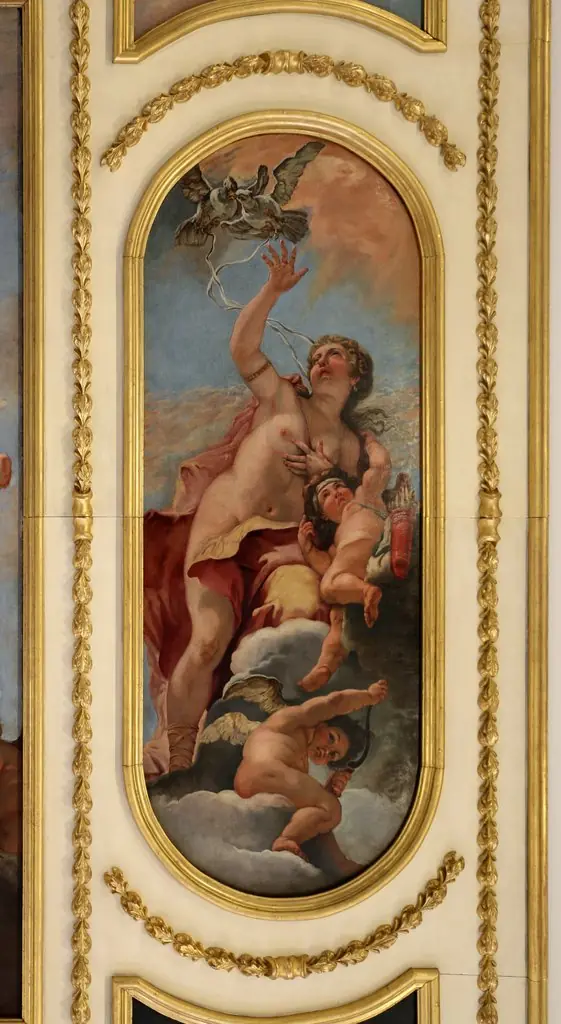 Venus und Cupido