Artwork
Apollo
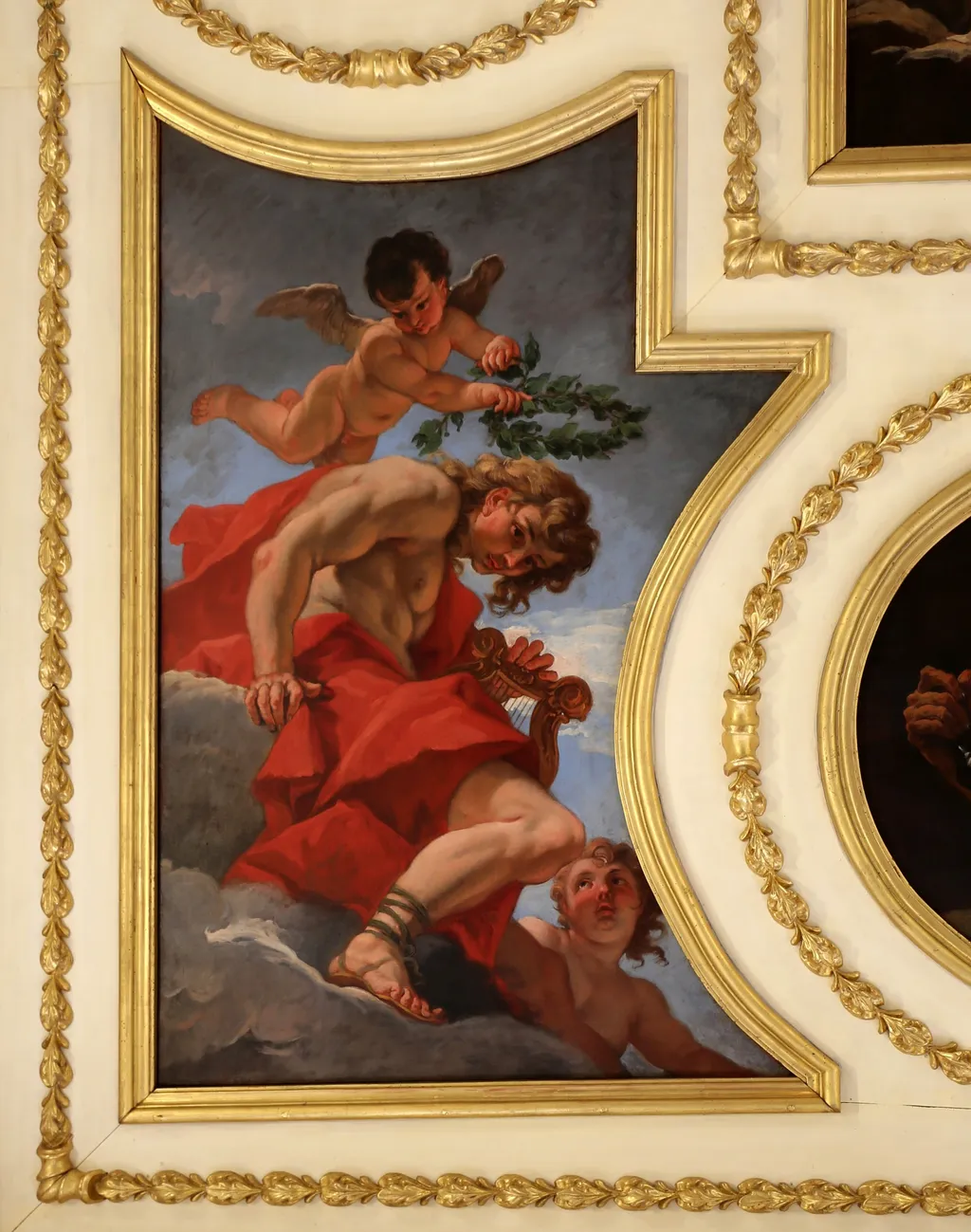
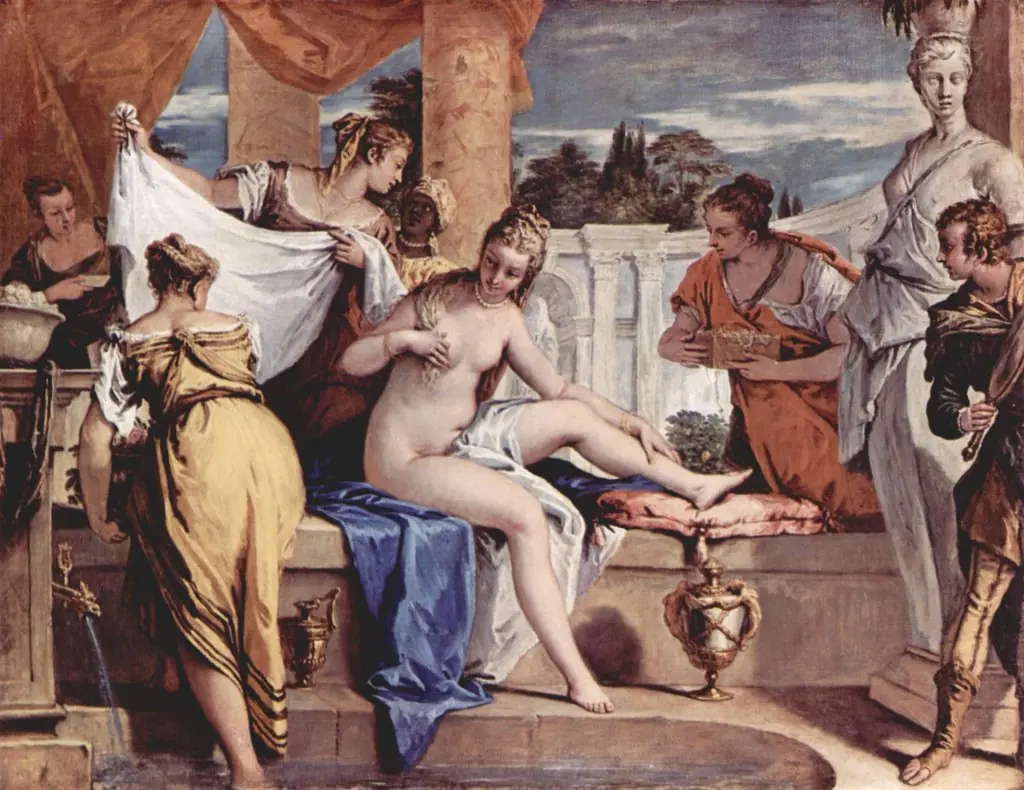
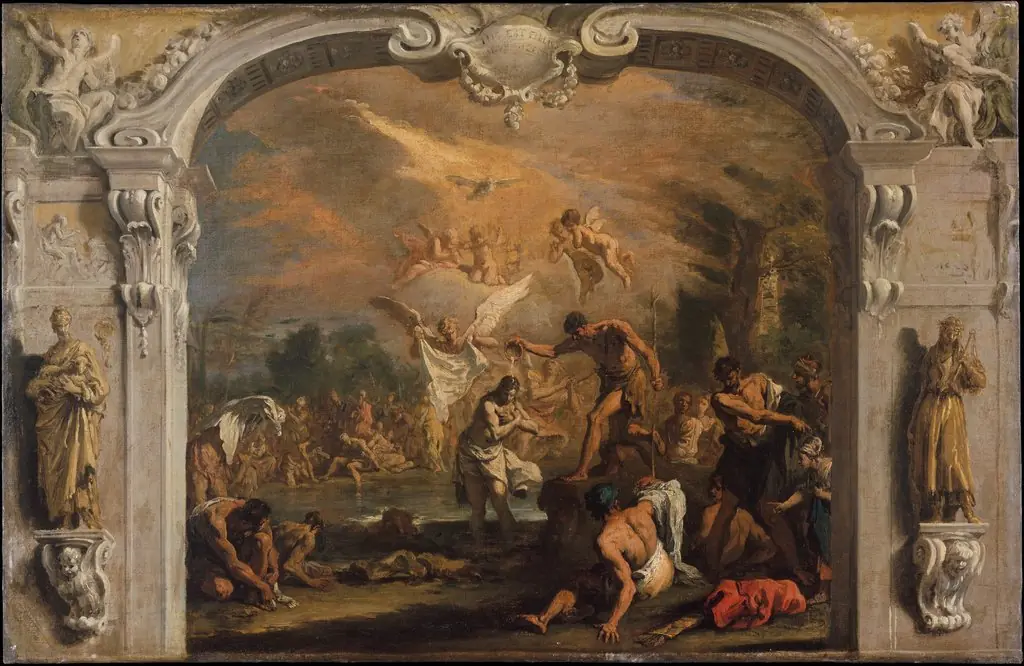
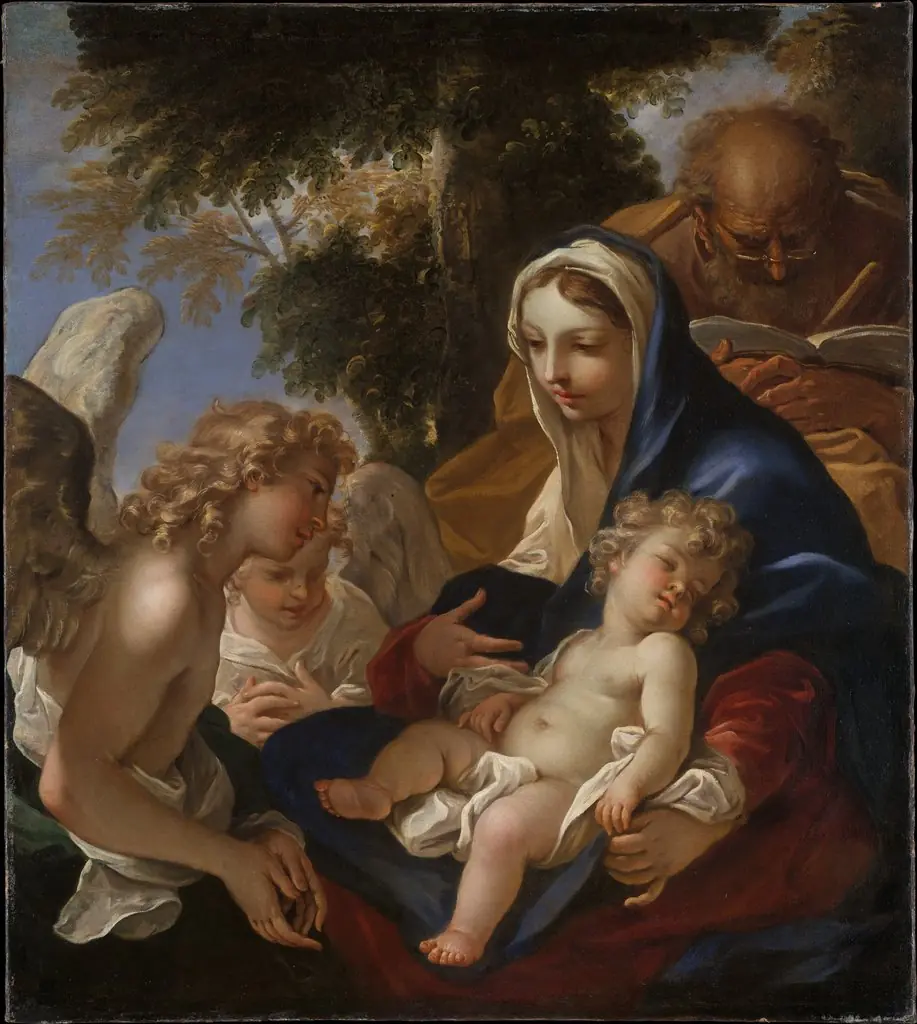
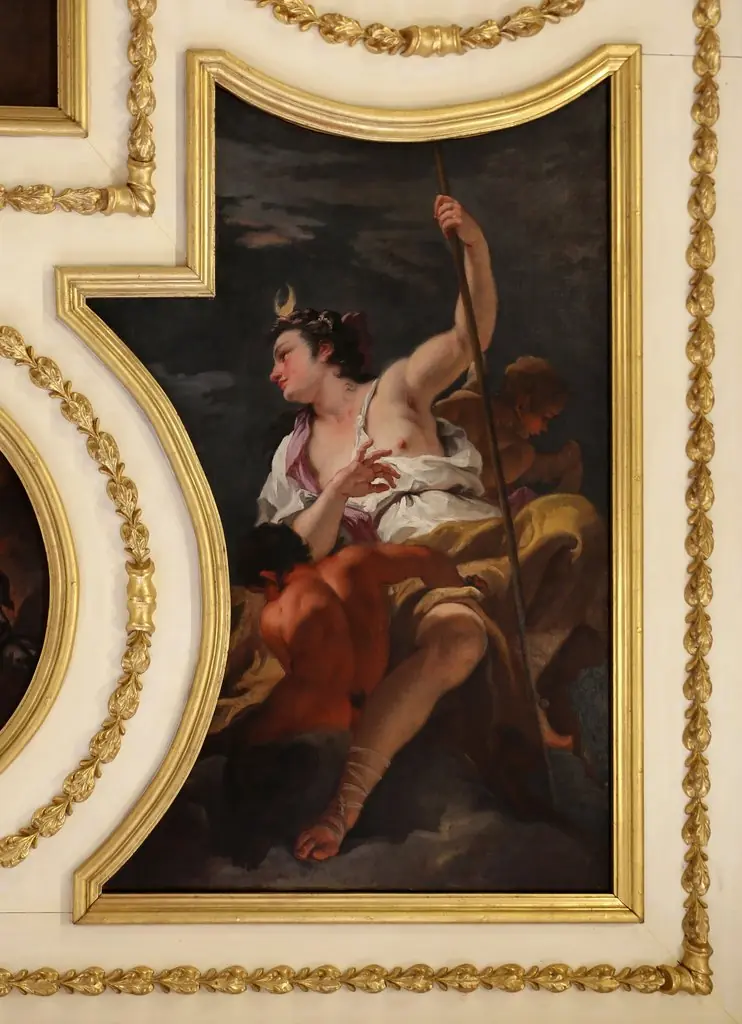
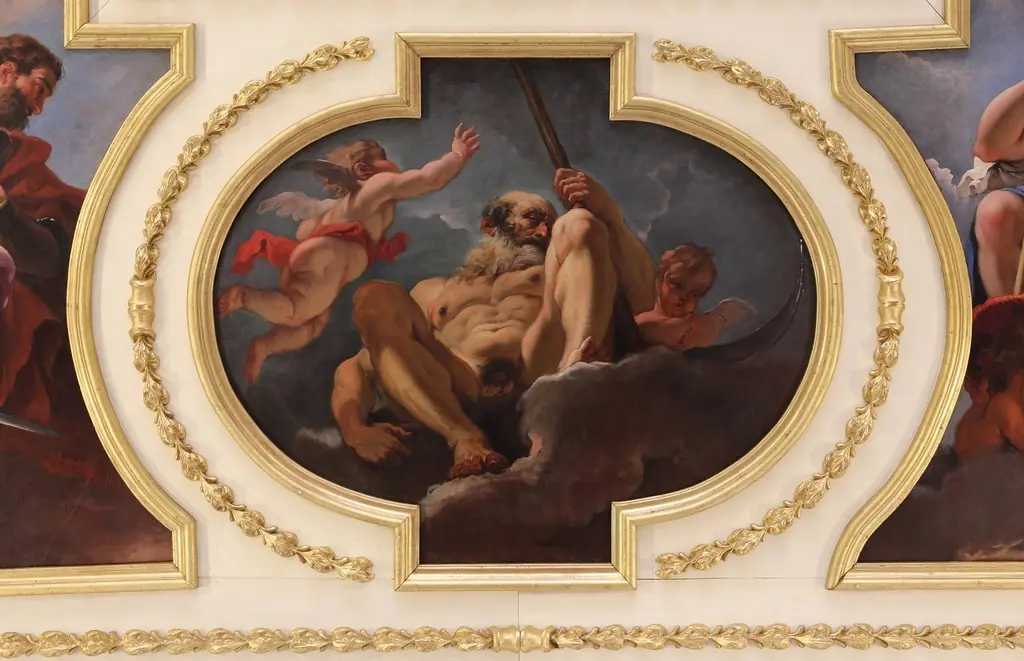
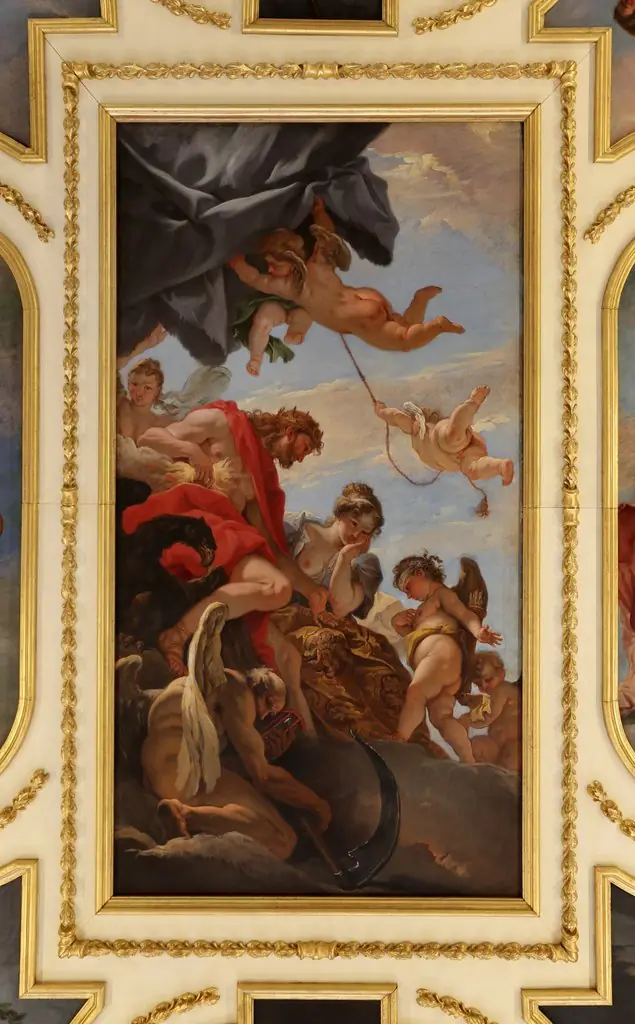
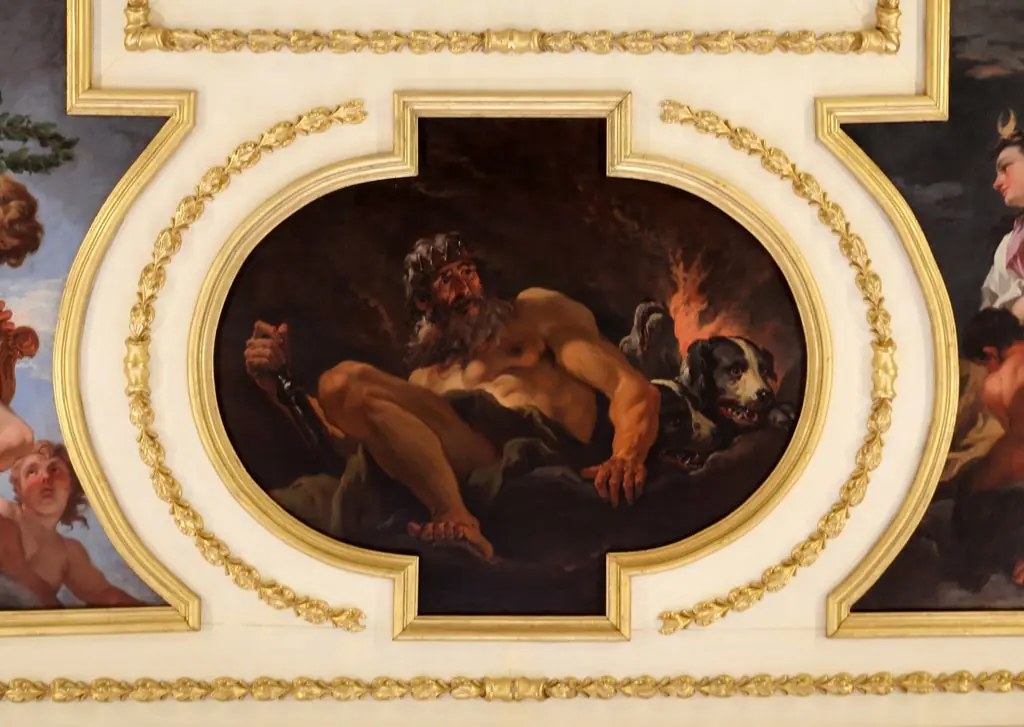
Apollo is a paint painting by the High Baroque Italian artist Sebastiano Ricci. It dates from 1700 and is held in the collection of the Gemäldegalerie Berlin.
About this work
Overview
Though primarily known for frescoes, Ricci also produced smaller-scale paintings such as this one, intended for private or aristocratic collections.
Painted around 1700 by Sebastiano Ricci, this work portrays the Greek god Apollo in a mythological setting. Executed in oil on canvas, it reflects Ricci’s Venetian Baroque style, marked by fluid movement and luminous color. Though primarily known for frescoes, Ricci also produced smaller-scale paintings such as this one, intended for private or aristocratic collections. The piece is now held in the Gemäldegalerie, Berlin.
Subject & Meaning
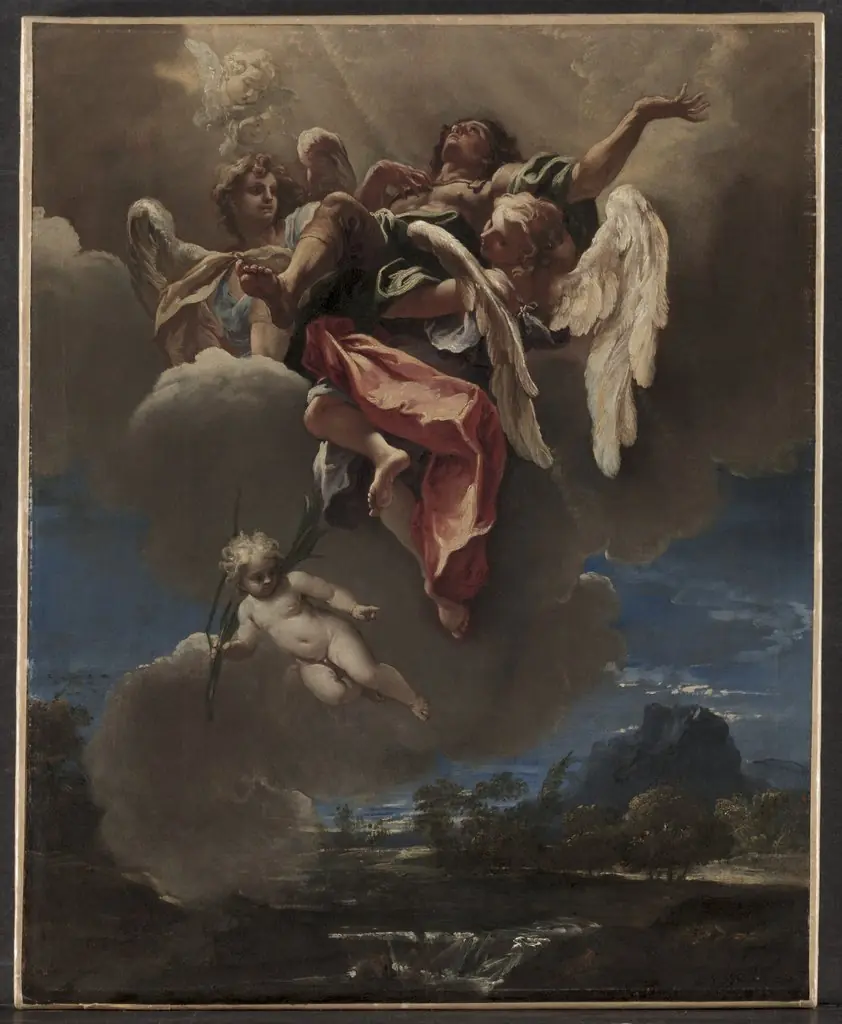
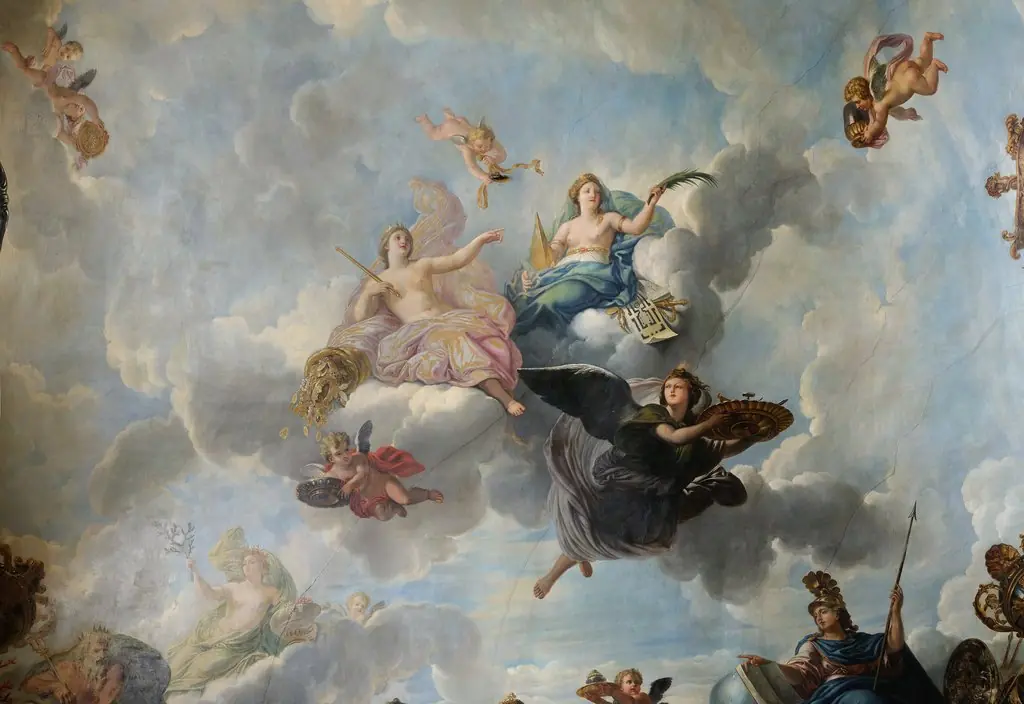
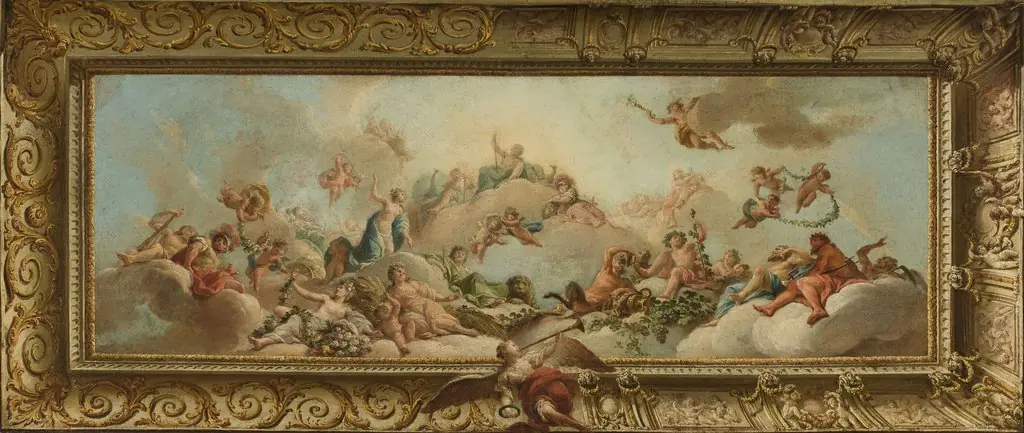
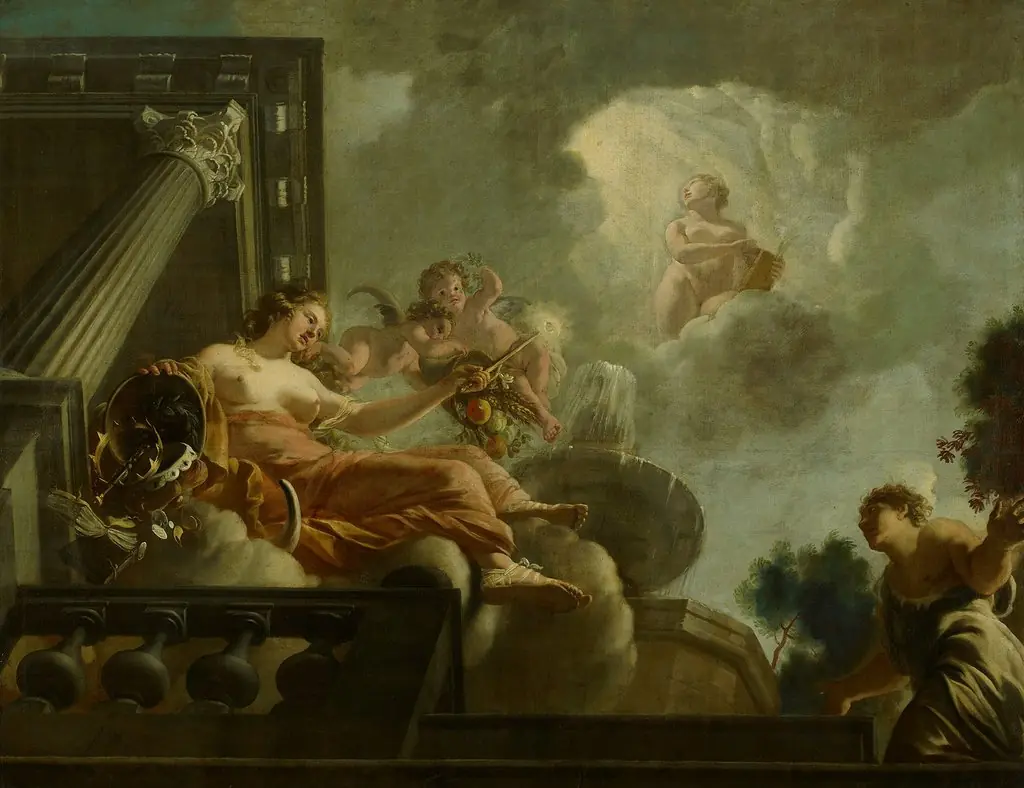
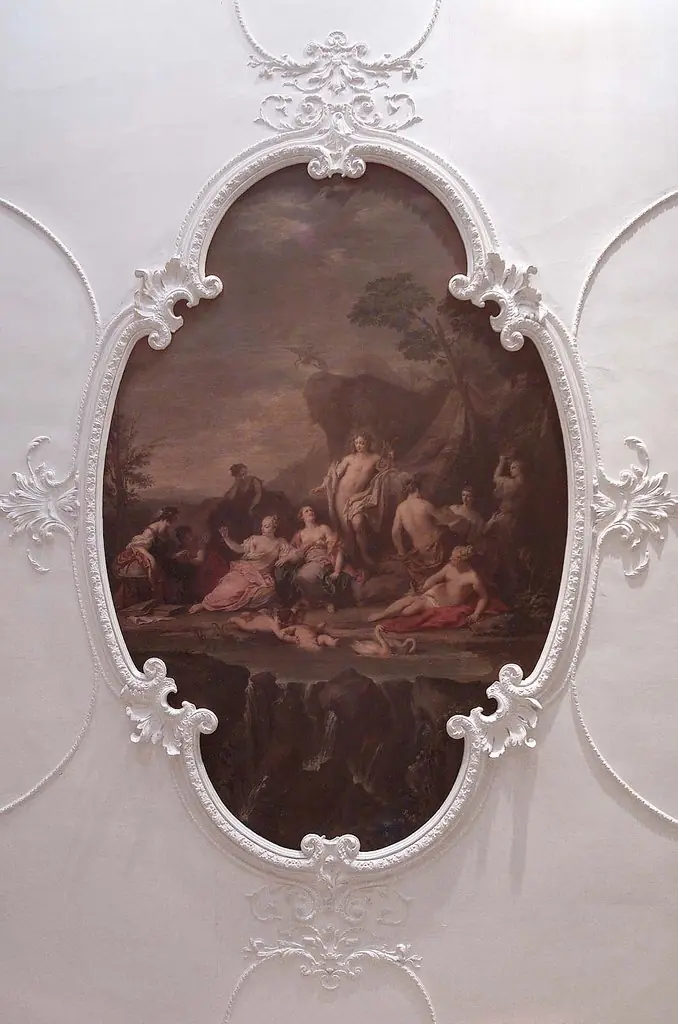
The figure of Apollo, god of music and the sun, is depicted seated on a cloud, holding a lyre — a symbol of divine artistry. Two cherubs flank him, one above and one below, reinforcing his celestial status. The composition draws on classical mythology to convey ideals of harmony and poetic inspiration. The presence of gold accents and ethereal skies elevates the scene beyond mere representation, suggesting a transcendent realm.
Technique & Style
Ricci employs a light, airy palette with soft transitions between tones, characteristic of Venetian painting. The drapery of Apollo’s red robe flows dynamically, suggesting motion, while the cherubs are rendered with delicate detail. Gold highlights in the frame and decorative elements enhance the sense of opulence without overwhelming the composition. The brushwork is refined yet energetic, balancing theatricality with elegance.
History & Provenance
The painting entered the Gemäldegalerie Berlin’s collection in the 19th century, likely as part of a broader acquisition of Italian Baroque works. Its earlier provenance is not fully documented, but its style and subject align with commissions Ricci received from noble patrons across Europe. The frame, with its gilded ornamentation, may be original or period-appropriate, consistent with the painting’s intended display in a refined interior.
Context
Created during the height of the High Baroque, the painting reflects the era’s fascination with mythological themes and celestial grandeur. Ricci’s approach was shaped by Roman fresco traditions, particularly those of Pietro da Cortona, yet he adapted them with a lighter, more decorative sensibility rooted in Venice. This work exemplifies how classical subjects were reimagined for private collectors seeking both cultural prestige and visual delight.
Legacy
Ricci’s influence extended beyond his lifetime, particularly through his nephew Marco Ricci and later Rococo artists who adopted his luminous palette and graceful compositions. While not among his most monumental works, this painting illustrates his skill in translating large-scale Baroque ideals into intimate formats. It remains a representative example of early 18th-century Italian painting’s evolving aesthetic between drama and delicacy.
Artist & collection

Artist
Sebastiano Ricci (1 August 1659 – 15 May 1734) was an Italian Baroque painter of the late Baroque period in Venetian painting.