Artwork
Landscape, Moonrise
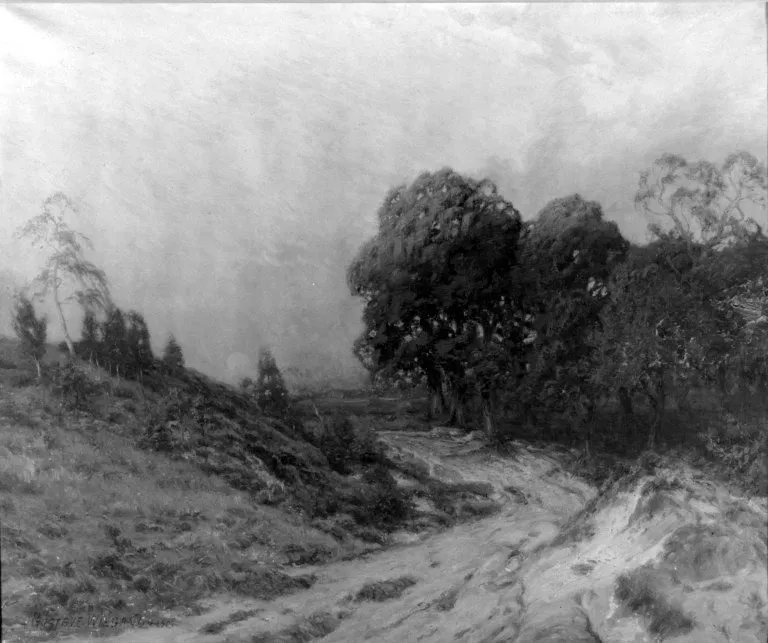
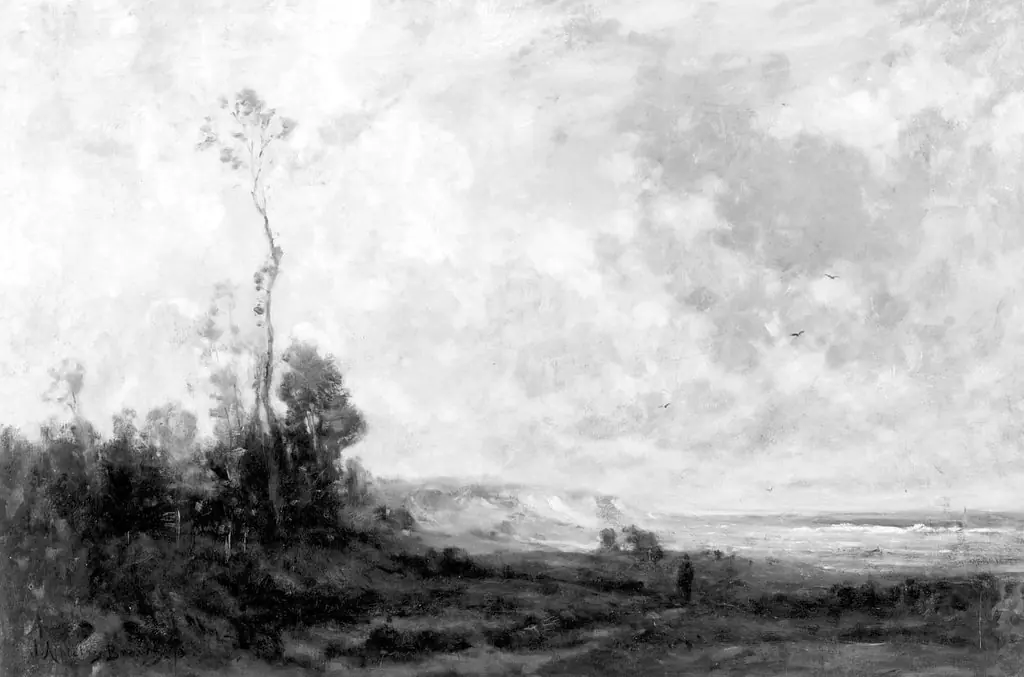
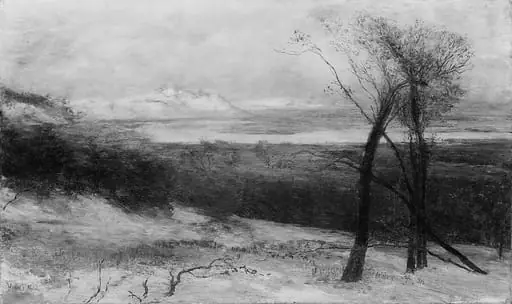
Landscape, Moonrise is an oil painting by the American Impressionist artist Gustave Adolph Wiegand. It dates from 1901 and is held in the collection of the Brooklyn Museum.
About this work
Overview
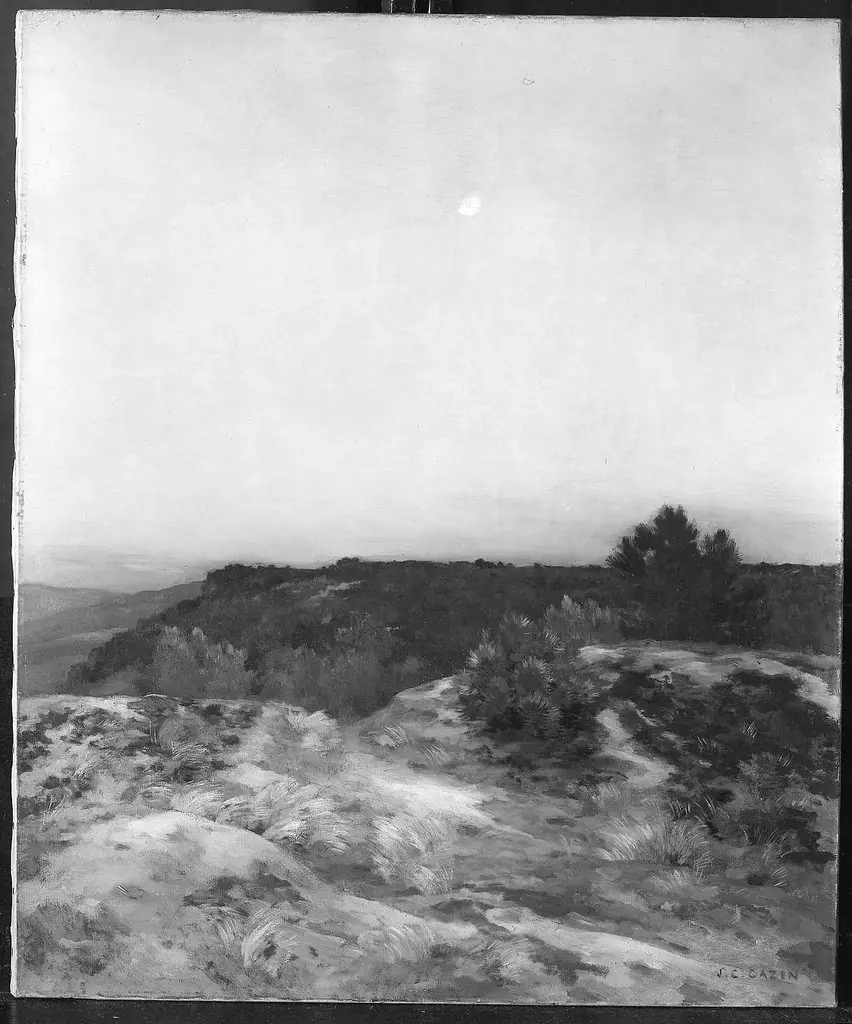
Landscape, Moonrise is an oil painting completed in 1901 by Gustave Adolph Wiegand. It presents a quiet nocturnal scene, emphasizing the subtle interplay of light and shadow under a rising moon. The work is part of the Brooklyn Museum’s collection, where it is displayed among other pieces by the artist, reflecting his interest in atmospheric landscapes of the early 20th century.
Subject & Meaning
The painting captures a tranquil rural landscape at twilight, with the moon emerging above the horizon. There are no human figures or architectural elements, allowing the natural environment to dominate. The stillness and muted tones suggest contemplation, inviting viewers to experience the quiet transition from day to night without narrative or symbolism.
Technique & Style
Wiegand employed varied brushwork to suggest texture in the foreground vegetation, while the sky and distant hills are rendered with softer, blended strokes. The palette is restrained, dominated by cool blues, grays, and faint silvers, enhancing the sense of lunar illumination. The composition avoids dramatic contrasts, favoring a gentle gradation of light that mimics natural moonlight.
History & Provenance
Created in 1901, the painting entered the Brooklyn Museum’s collection at an early stage, likely through acquisition or donation soon after its completion. It has remained in the museum’s holdings since, with no record of public exhibition beyond its inclusion in the permanent collection. Its provenance reflects modest institutional recognition rather than widespread fame.
Context
Wiegand worked during a period when American landscape painting was shifting from romantic grandeur to quieter, more intimate observations. Landscape, Moonrise aligns with this trend, echoing the tonalist movement’s emphasis on mood and subtle light. Though not part of a major artistic circle, his work reflects broader contemporary interests in nocturnal and atmospheric effects.
Legacy
The painting remains a quiet example of early 20th-century American tonalism, preserved for its technical restraint and emotional calm. While Wiegand is not widely studied today, this work contributes to the understanding of lesser-known artists who explored nocturnal landscapes with sensitivity rather than spectacle.
Artist & collection