Artwork
The Seine and the Railroad Bridge at Argenteuil
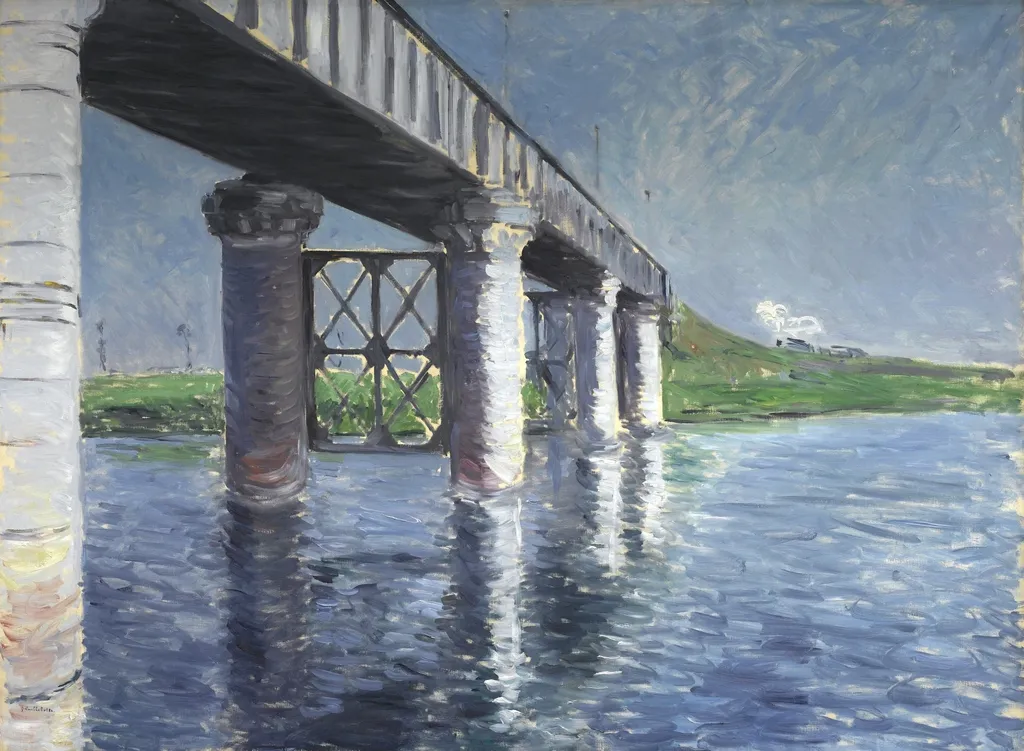
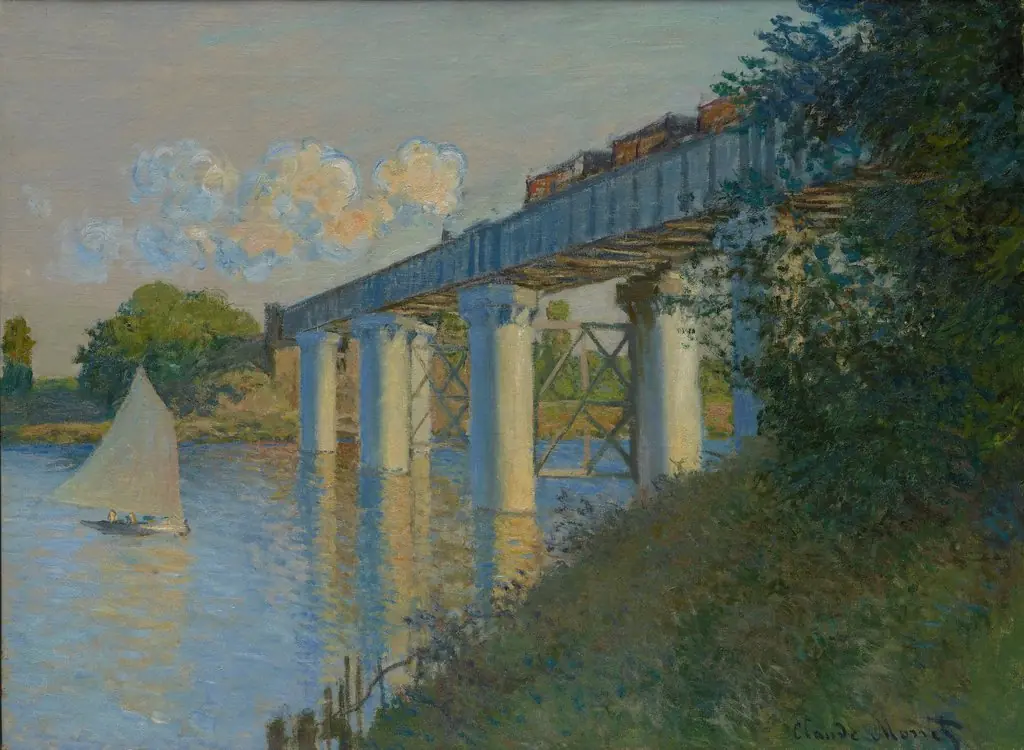
The Seine and the Railroad Bridge at Argenteuil is an oil painting by the Impressionist artist Gustave Caillebotte. It dates from 1893 and is held in the collection of the Brooklyn Museum.
About this work
Overview
His financial means enabled both artistic freedom and support for other painters of the era.
Painted in 1893, this oil-on-canvas work by Gustave Caillebotte captures a quiet stretch of the Seine near Argenteuil, framed by the iron and stone structure of a railroad bridge. Though linked to the Impressionist circle, Caillebotte’s approach leans toward clarity and structure, distinguishing his vision from the looser brushwork of contemporaries. His financial means enabled both artistic freedom and support for other painters of the era.
Subject & Meaning
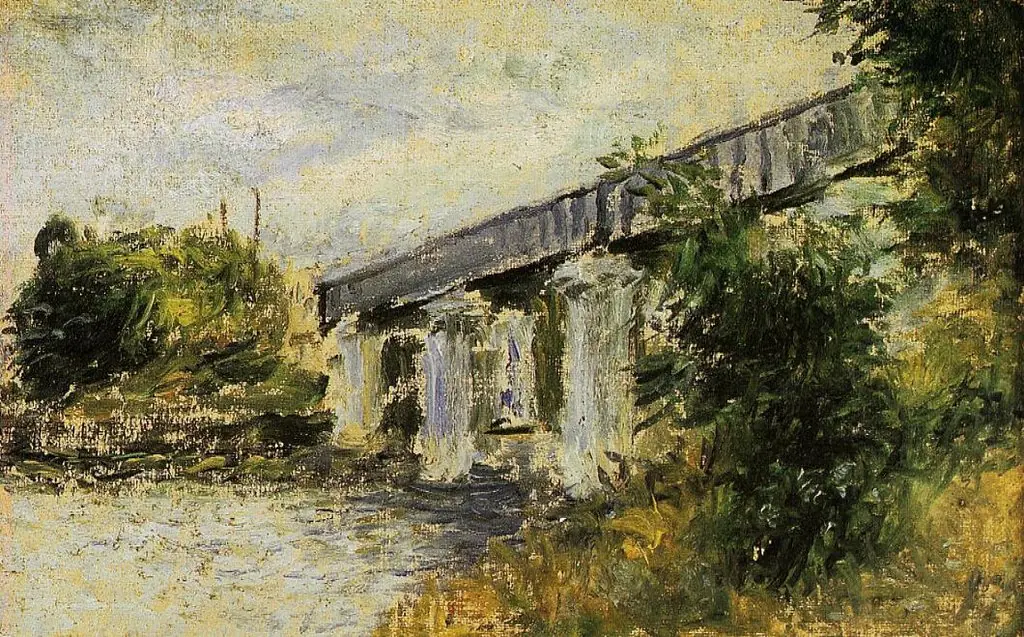
The scene presents a tranquil riverside landscape where modern infrastructure—railroad tracks and a bridge—coexists with natural elements. The calm water mirrors the sky and architecture, suggesting stillness amid industrial progress. No figures dominate the composition; instead, the bridge and river become silent witnesses to the quiet rhythm of suburban life along the Seine in late 19th-century France.
Technique & Style
Caillebotte employed precise brushwork and controlled perspective to render the bridge’s geometry and the river’s reflective surface. The sky is rendered with soft, blended tones, while the stone masonry and metal railings are defined with sharp edges. His compositional clarity, possibly shaped by photographic framing, emphasizes spatial depth and structural harmony over atmospheric dissolution.
History & Provenance
Created near the end of Caillebotte’s life, this painting reflects his sustained interest in the changing French landscape. It remained in his personal collection until his death in 1894, later entering public hands through estate distribution. Unlike many Impressionist works, it was not widely exhibited during his lifetime, contributing to its relative obscurity until later scholarly attention.
Context
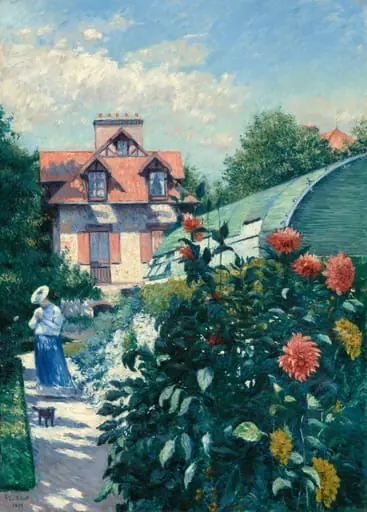
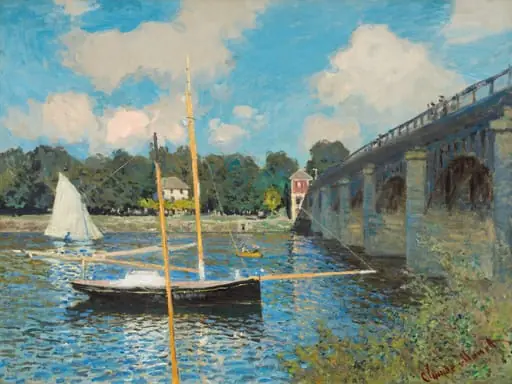
Argenteuil, a suburb northwest of Paris, became a favored subject for artists in the 1870s and 1880s due to its accessibility by train and scenic river views. Caillebotte, who owned a home there, frequently painted its bridges, boats, and parks. This work emerges amid France’s rapid railway expansion, capturing a moment when nature and industry were increasingly intertwined in the suburban fringe.
Legacy
Caillebotte’s work, including this painting, helped shape perceptions of modern French life through its unembellished observation. Though less celebrated in his time than Monet or Renoir, his emphasis on structure and everyday detail influenced later realist and modernist approaches. Today, his paintings are valued for their quiet documentation of a transforming landscape.
Own this work as a print
Artist & collection
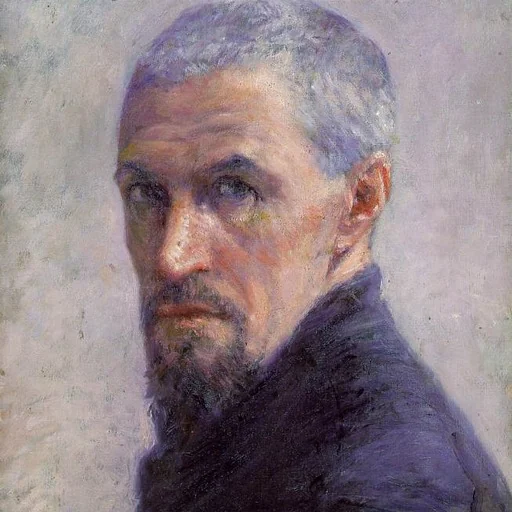
Artist
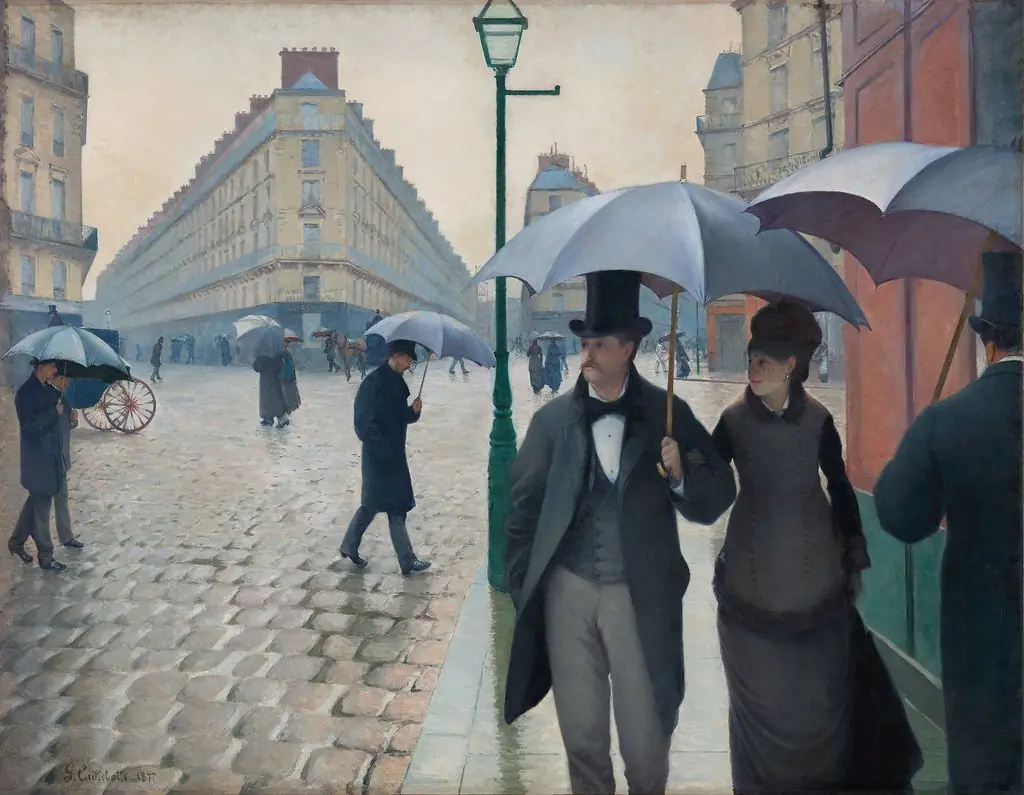
Gustave Caillebotte (French: ; 19 August 1848 – 21 February 1894) was a French painter who was a member and patron of the Impressionists, although he painted in a more realistic manner than many others in the group.