Artwork
Portrait de Juliette Courbet
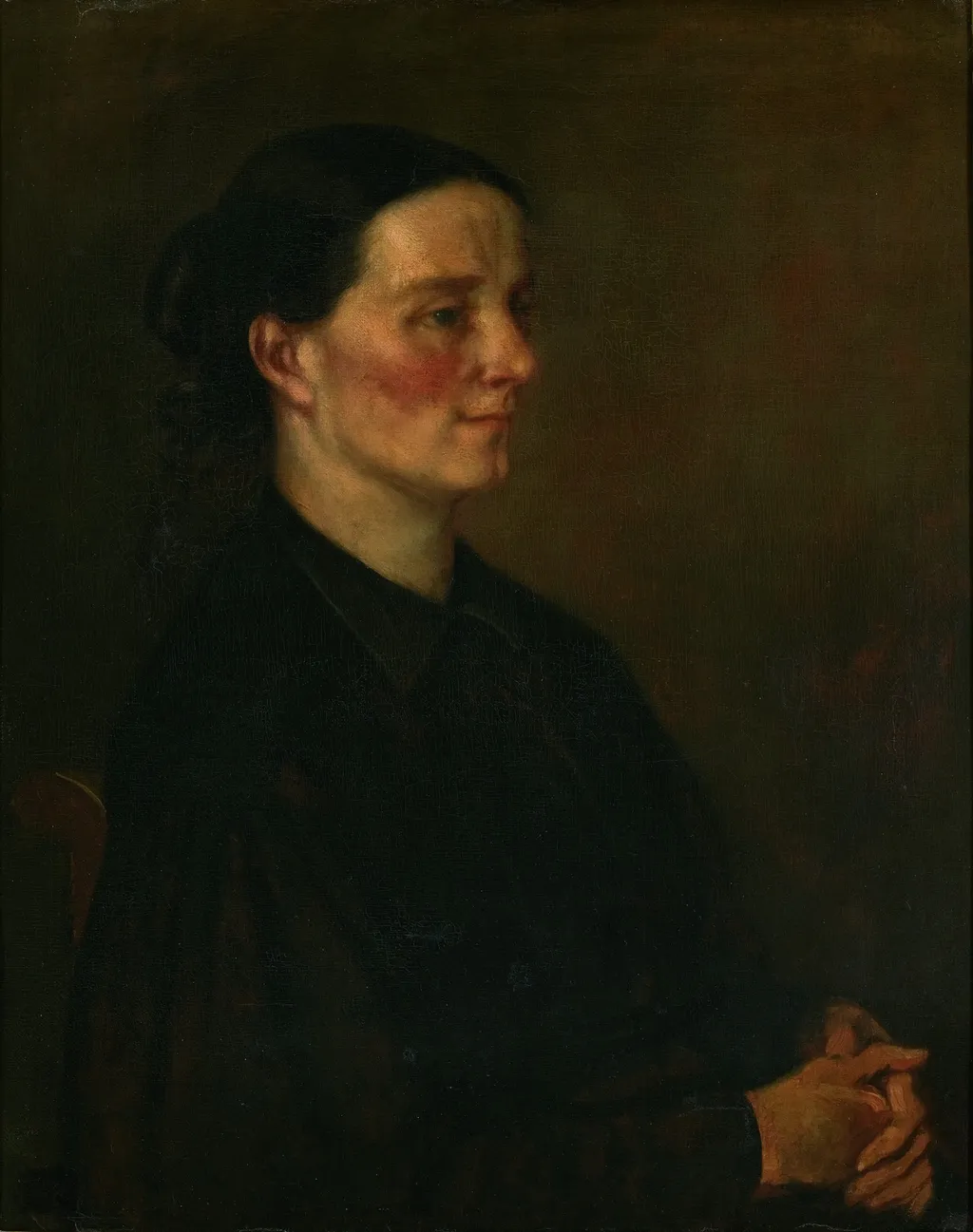
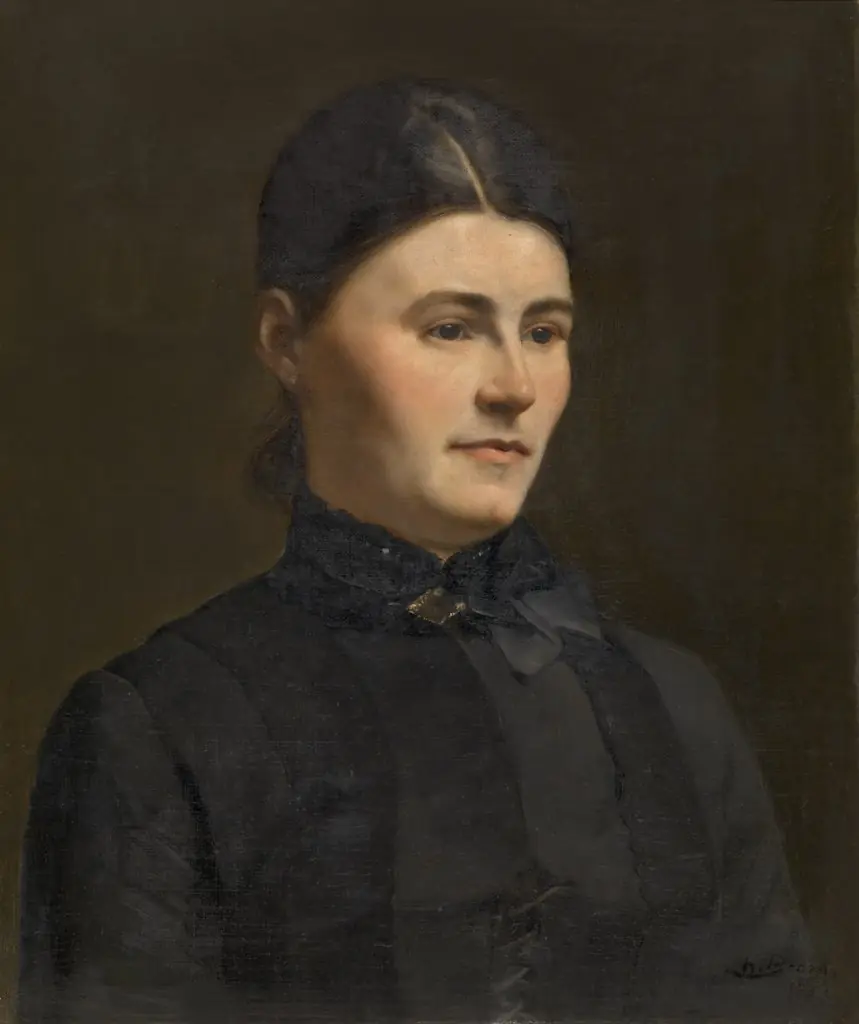
Portrait de Juliette Courbet is an oil painting by the Realist artist Gustave Courbet. It dates from 1873 and is held in the collection of the São Paulo Museum of Art.
About this work
Overview
Executed during the later phase of his career, the work reflects his enduring commitment to Realism—prioritizing unembellished observation over idealization.
Painted in 1873, this oil portrait by Gustave Courbet depicts his sister, Juliette Courbet. Executed during the later phase of his career, the work reflects his enduring commitment to Realism—prioritizing unembellished observation over idealization. The painting is part of the São Paulo Museum of Art’s collection, where it remains a quiet example of Courbet’s intimate portraiture, distinct from his more public or political subjects.
Subject & Meaning
Juliette Courbet, the artist’s sister, is portrayed in a restrained, introspective pose. Her downward gaze and clasped hands suggest contemplation rather than performance, aligning with Courbet’s rejection of theatricality. The absence of ornament or symbolic context emphasizes her presence as a person, not a type. The painting conveys dignity through stillness, reflecting familial closeness and the artist’s interest in ordinary human depth.
Technique & Style
Courbet applied oil paint with subtle, controlled brushwork, particularly in the rendering of the face, where soft transitions create a lifelike warmth. The muted brown background isolates the figure without distraction, while the black dress anchors the composition with quiet contrast. Hands are rendered with care, their positioning adding to the sense of quiet composure. The palette is restrained, avoiding dramatic lighting or color contrasts in favor of natural tonal harmony.
History & Provenance
Created in 1873, the portrait was likely painted during Courbet’s period of relative isolation following political turmoil and exile. It remained in the family’s possession until entering the São Paulo Museum of Art’s collection in the 20th century. Its journey reflects the broader dissemination of Realist works beyond France, as collectors in Latin America began acquiring significant 19th-century European paintings.
Context
In the 1870s, Courbet distanced himself from the public spectacles that defined his earlier career, turning instead to personal subjects. While academic institutions favored historical or mythological themes, Courbet continued to elevate everyday presence through portraiture. This work aligns with his broader practice of portraying family members with the same gravity he once reserved for laborers and landscapes.
Legacy
Though less known than his monumental canvases, this portrait exemplifies Courbet’s consistent belief in the significance of the unadorned human form. Its quietude influenced later realist and modernist portraitists who sought emotional truth over embellishment. The painting endures as a testament to his conviction that dignity resides not in grandeur, but in the subtle details of ordinary life.
Own this work as a print
Artist & collection
Artist
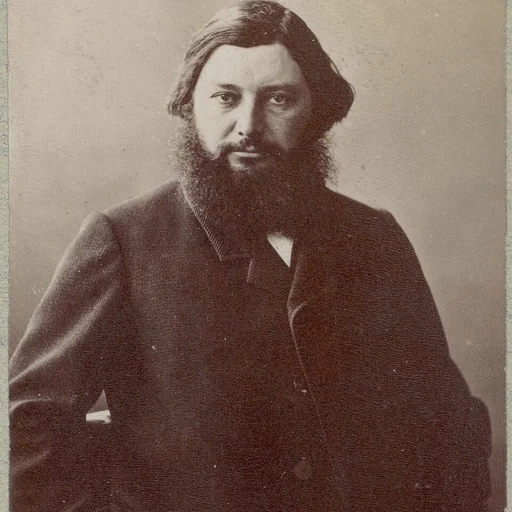
Jean Désiré Gustave Courbet (UK: KOOR-bay; US: koor-BAY; French: ; 10 June 1819 – 31 December 1877) was a French painter who led the Realism movement in 19th-century French painting.

 Portrait of a Woman
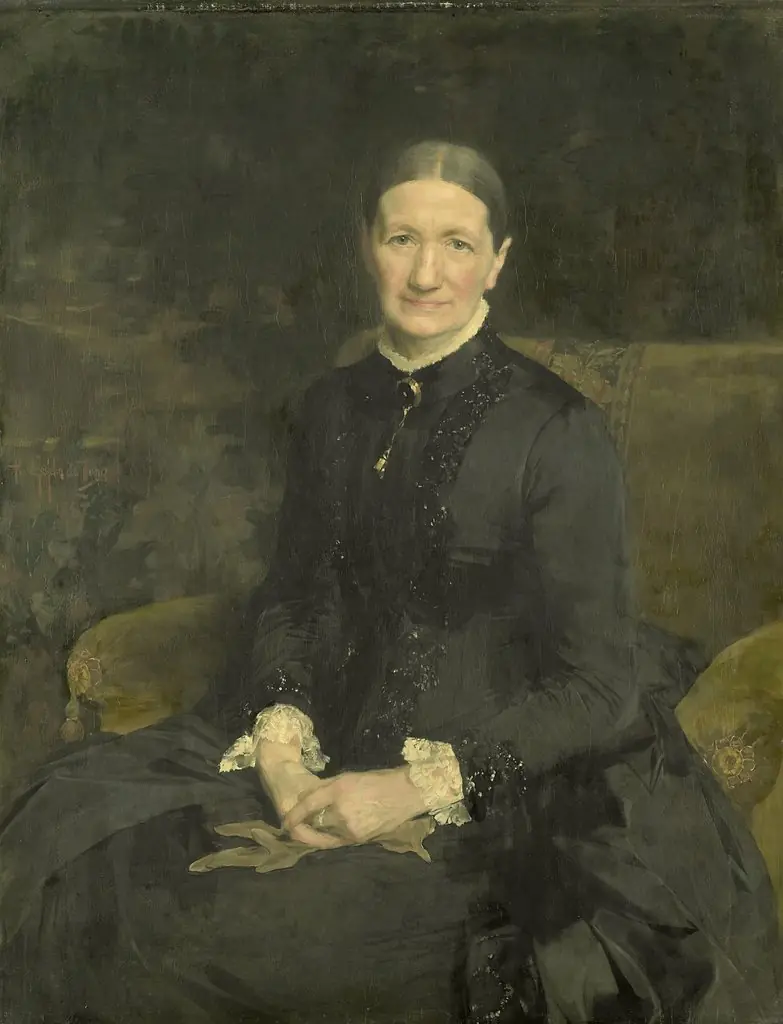 Portrait of Mrs. A J Zubli-Maschhaupt
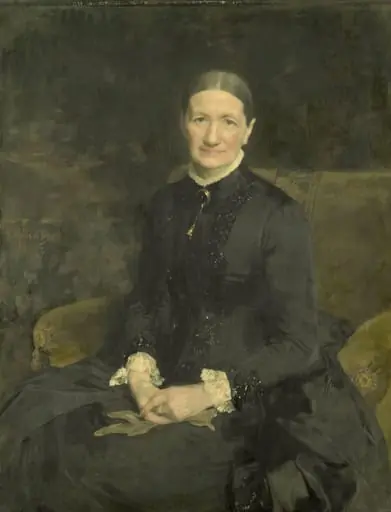 Mrs A.J. Zubli-Maschhaupt
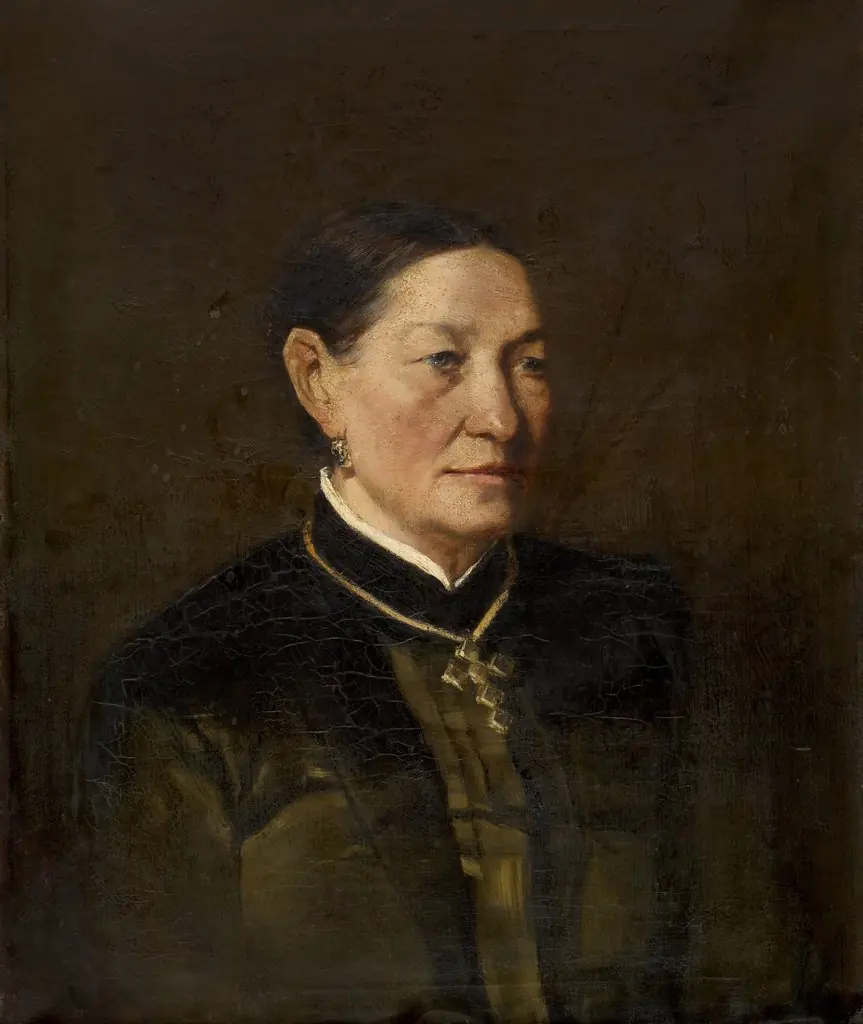 Portrait of a Woman
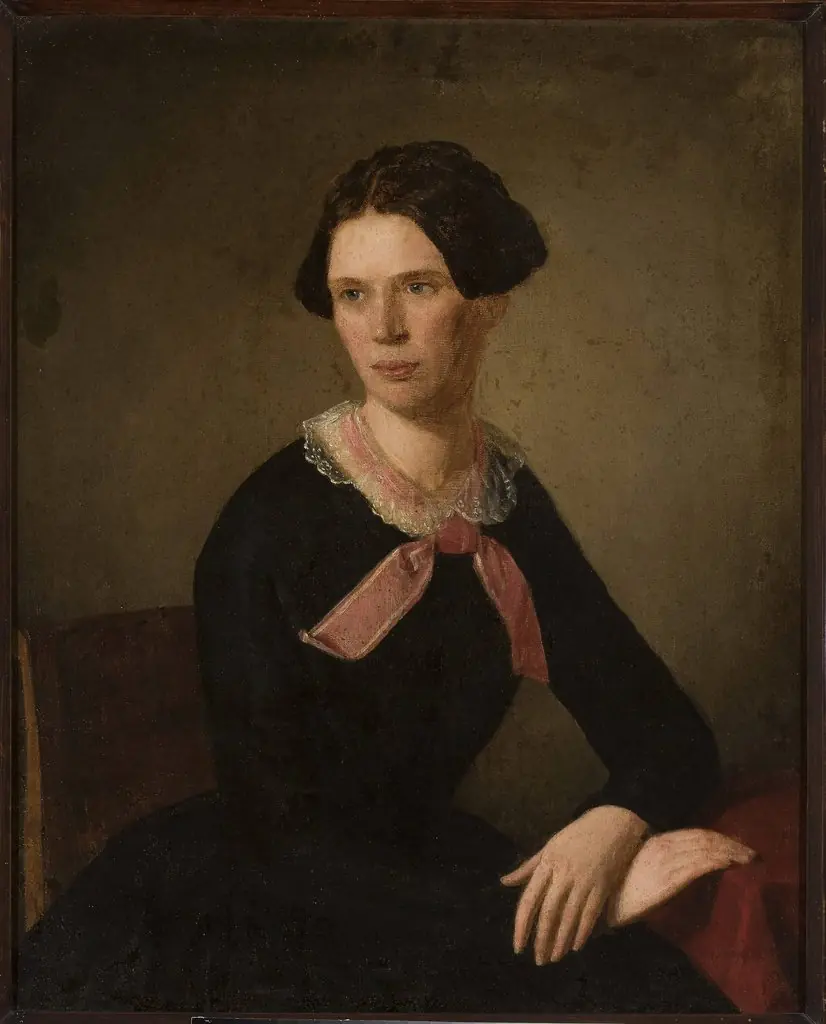 Portrait of Leokadia Krupska, sister of Bonifacy
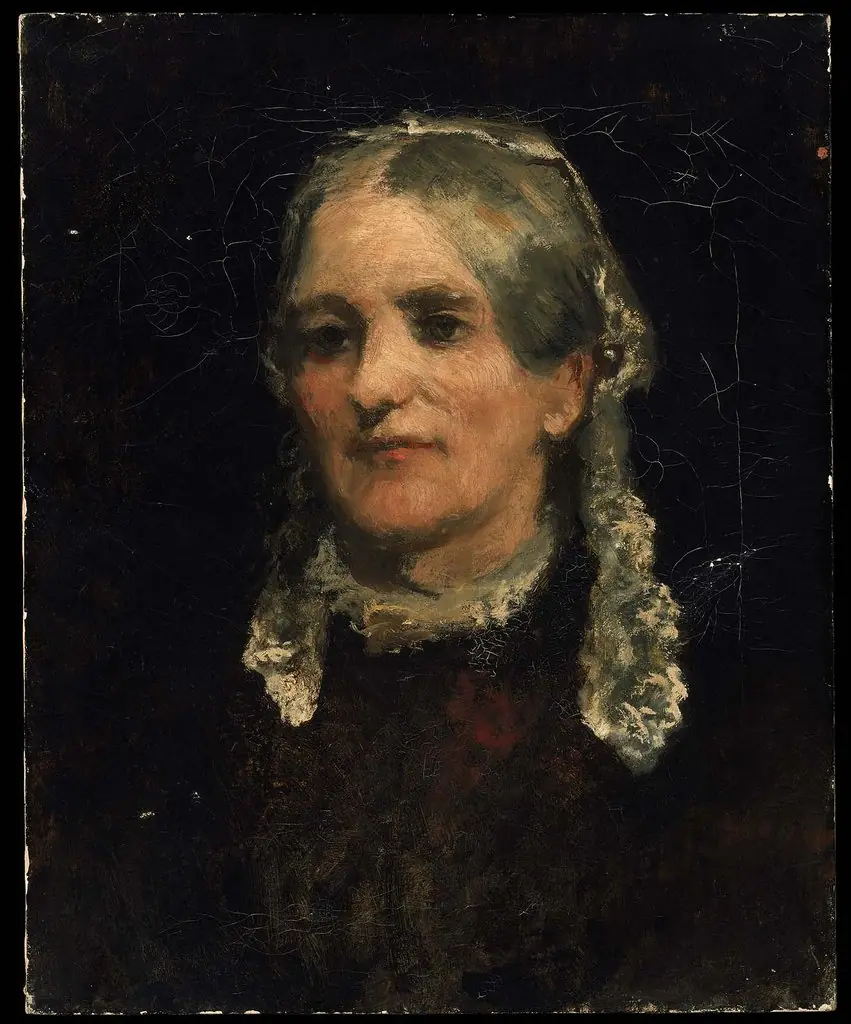 Portrait of a Lady
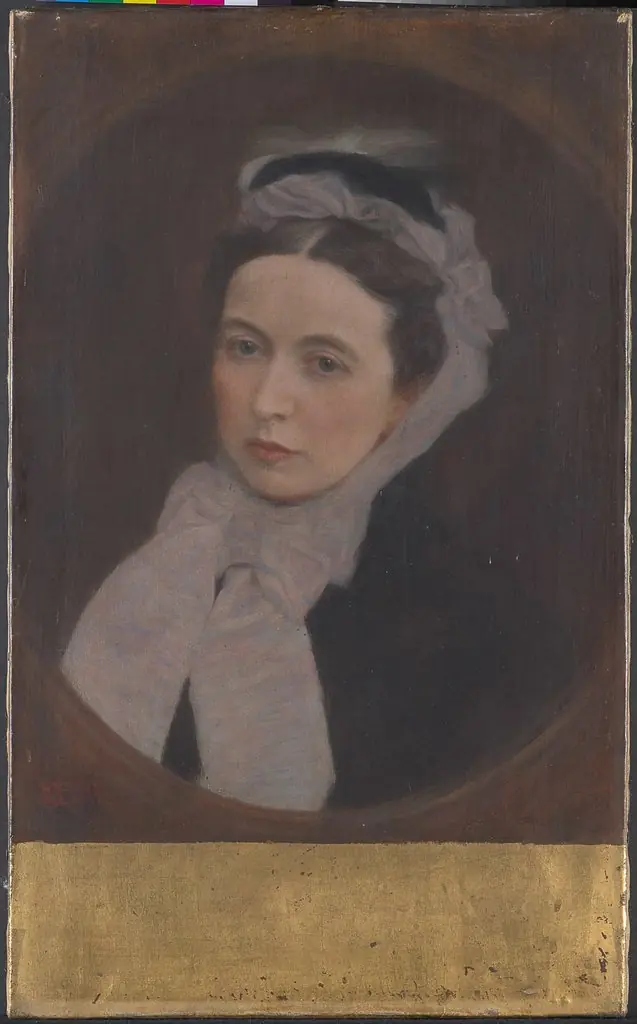 Lady with the lilac scarf (Dame mit lila Schal)
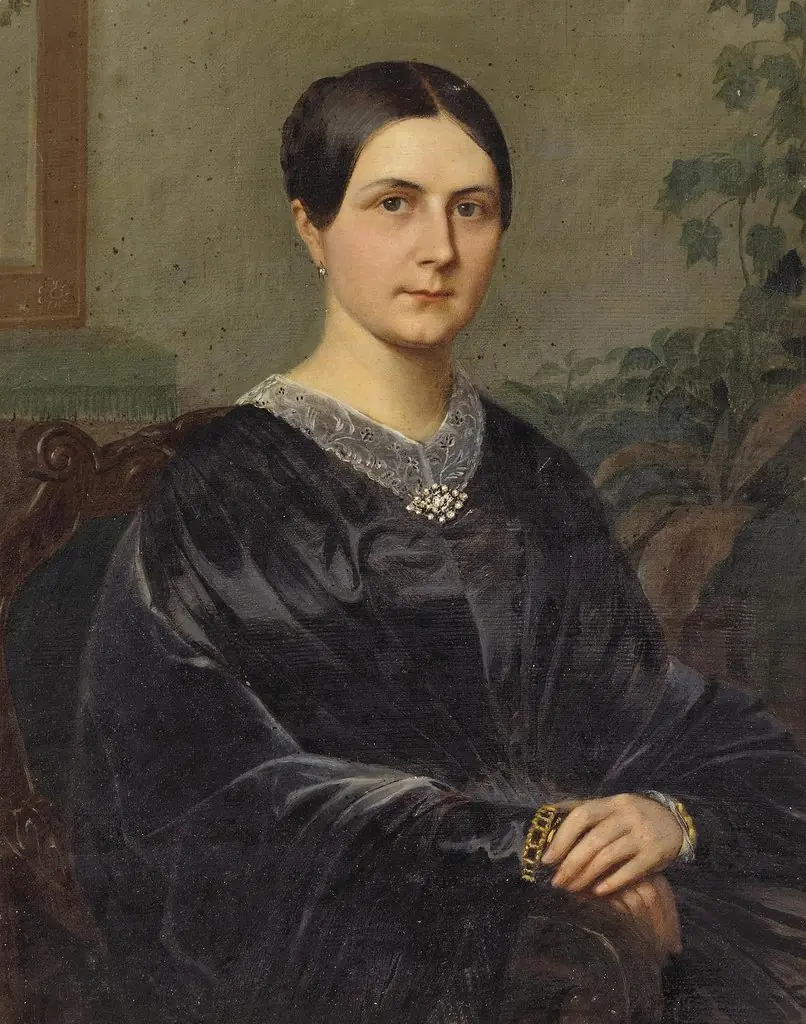 Portrait of Elizaveta Nikolaevna Odintsova
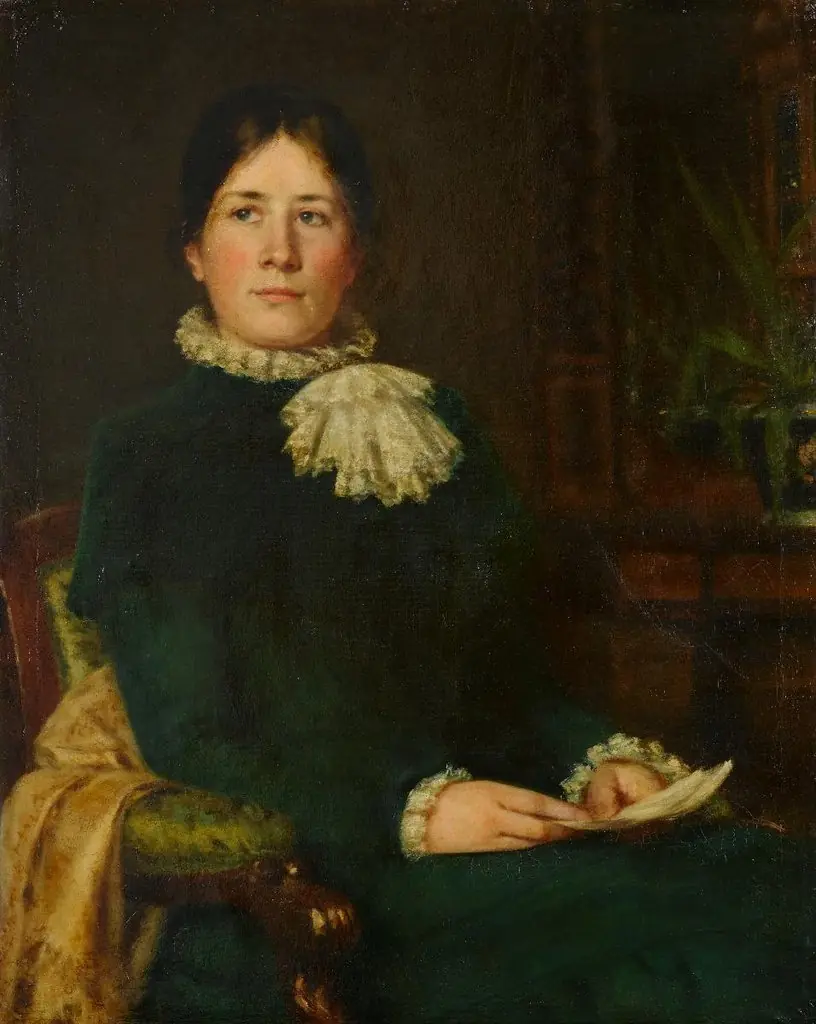 Bildnis Marie Meyer-Bindschedler
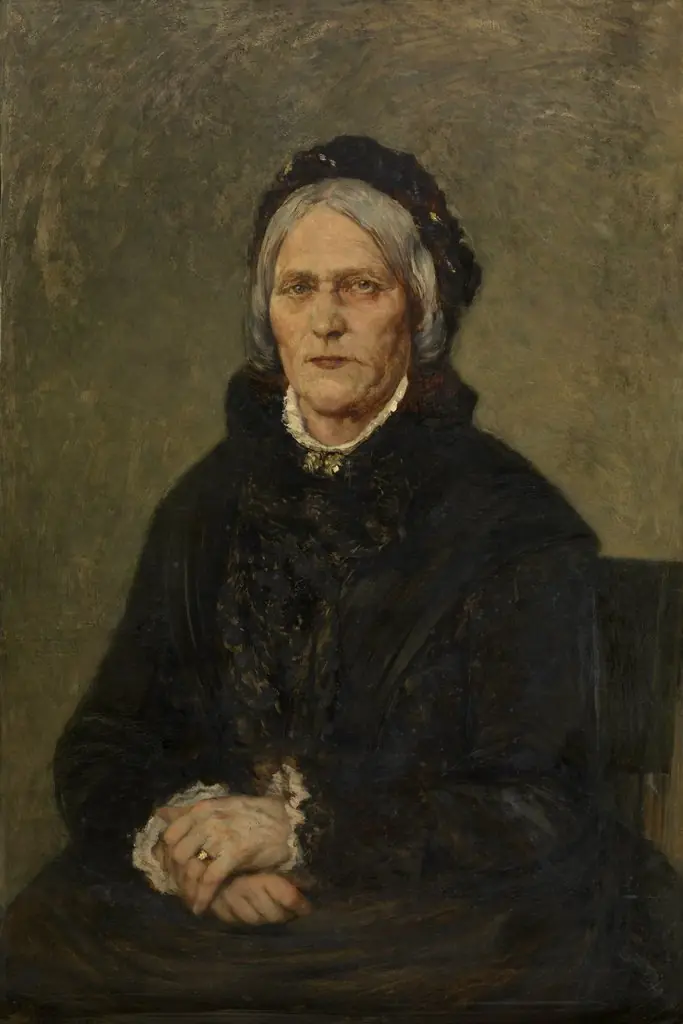 Madame Van Camp, the Artist's Mother
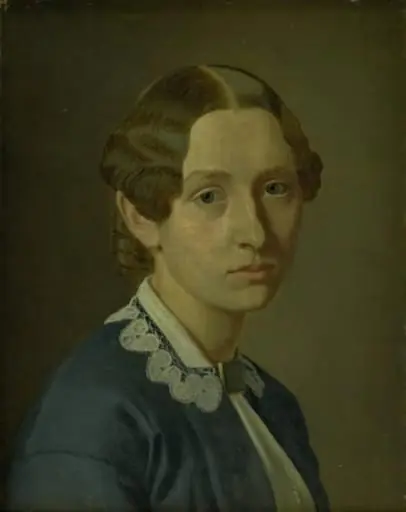 Thomasine Ludvigne Vermehren, f. Grüner, kunstnerens hustru
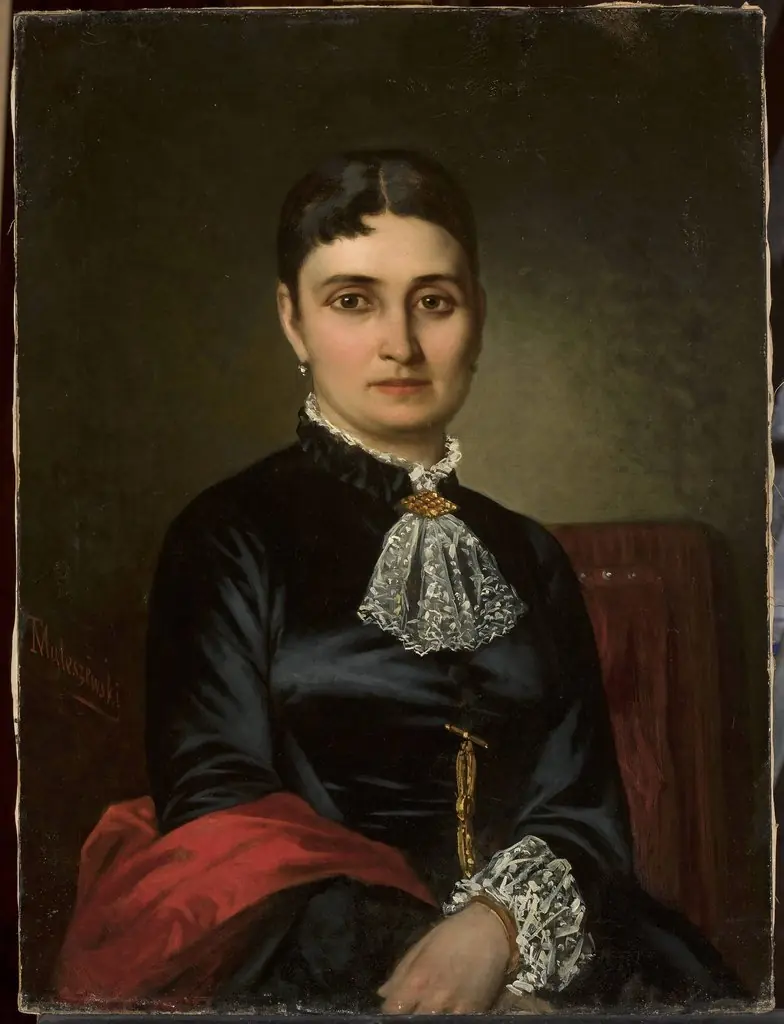 Portrait of Apolonia Anaszkowska