Artwork
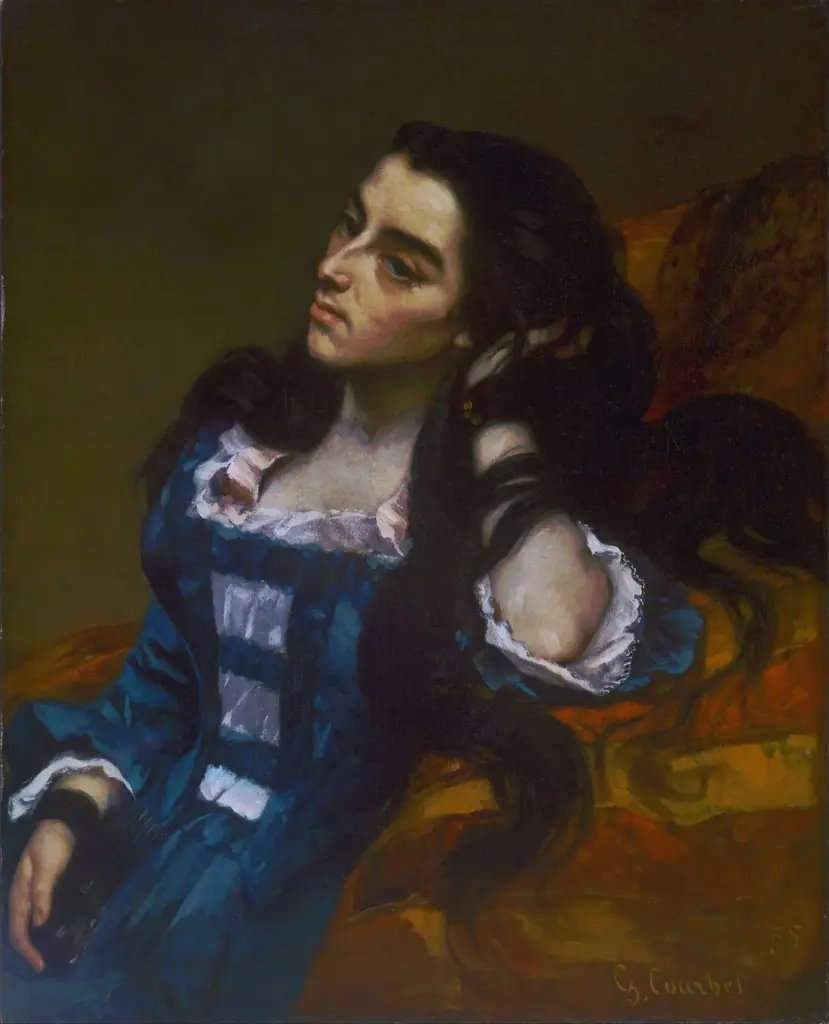
Rêverie (Portrait of Gabrielle Borreau)
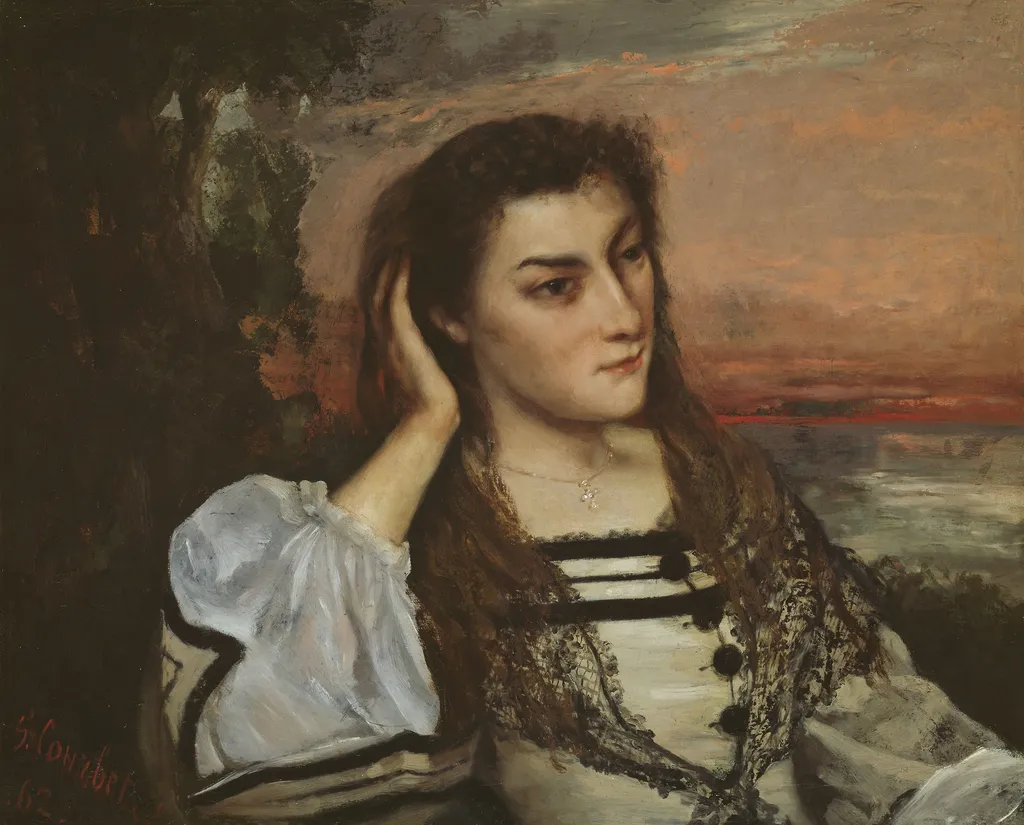
Rêverie (Portrait of Gabrielle Borreau) is an unspecified painting by the Realist artist Gustave Courbet. It dates from 1862 and is held in the collection of the Art Institute of Chicago.
About this work
Overview
Painted in 1862 by Gustave Courbet, *Rêverie (Portrait of Gabrielle Borreau)* is a quiet, intimate portrait that reflects the artist’s dedication to Realism.
Painted in 1862 by Gustave Courbet, *Rêverie (Portrait of Gabrielle Borreau)* is a quiet, intimate portrait that reflects the artist’s dedication to Realism. Courbet avoided idealized forms and dramatic narratives, instead capturing a moment of stillness in everyday life. The subject, Gabrielle Borreau, is rendered without embellishment, emphasizing presence over performance. The painting resides in the Art Institute of Chicago, where it stands as a testament to Courbet’s rejection of academic tradition.
Subject & Meaning
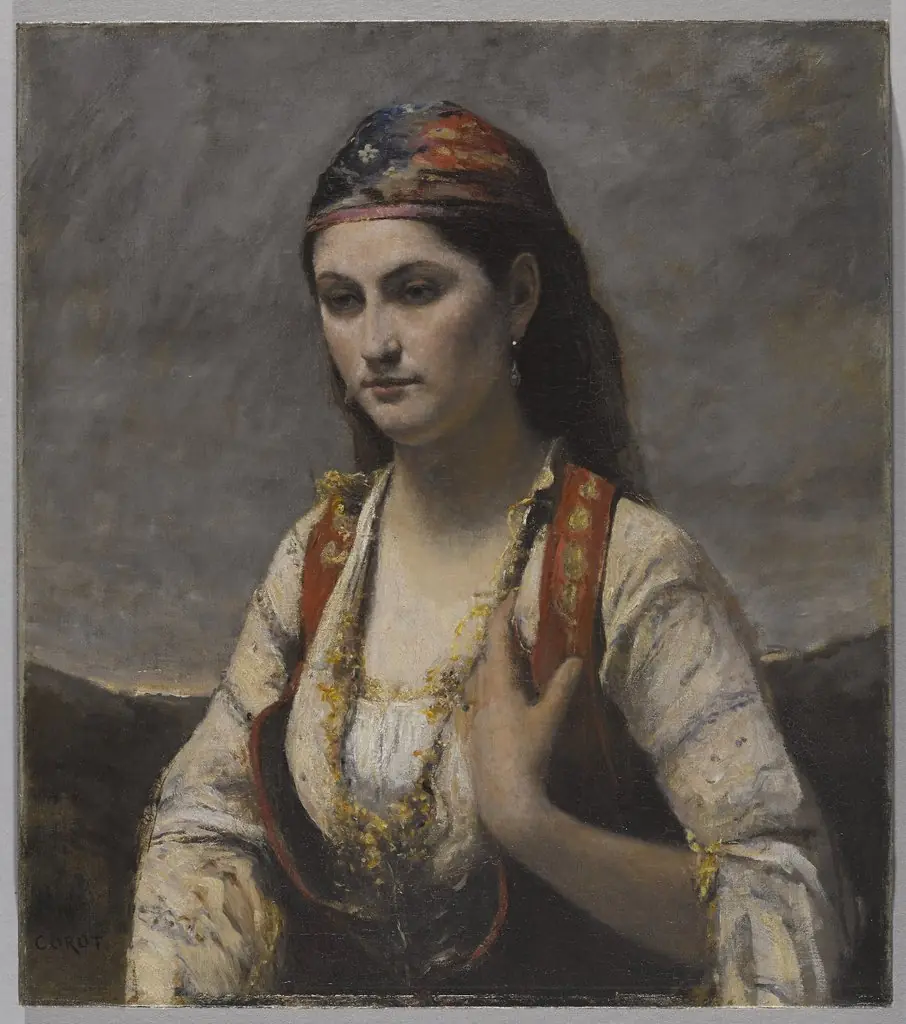
Gabrielle Borreau is depicted in a contemplative pose, her hand resting gently against her head, suggesting introspection rather than performance. Her simple attire—a striped dress and dark shawl—grounds her in ordinary reality. The muted, indistinct background of sky and water enhances the sense of solitude. Courbet does not assign symbolic meaning; the power of the image lies in its unadorned humanity, inviting the viewer to observe rather than interpret.
Technique & Style
Courbet employed thick, textured brushwork, particularly in the shawl and background, using impasto to create tactile depth. The paint is applied with deliberate weight, giving form through physical presence rather than delicate modeling. Colors are subdued—ochres, grays, and deep browns—reinforcing the somber mood. The brushstrokes remain visible, rejecting smooth academic finish in favor of raw, observational honesty.
History & Provenance
The painting was completed in 1862 during Courbet’s most active period of Realist production. It remained in private hands until entering the Art Institute of Chicago’s collection, where it has been held since the early 20th century. Its provenance reflects its quiet significance: not a public commission or political statement, but a personal study that endured through changing artistic tides.
Context
In the 1860s, French art was dominated by academic ideals and Romantic drama. Courbet positioned himself against both, insisting that art should reflect the real world as seen, not as imagined. *Rêverie* exemplifies this stance: a portrait without grandeur, set against a landscape stripped of narrative. It aligns with his broader campaign to redefine art’s purpose through direct observation and material honesty.
Legacy
Though not among Courbet’s most famous works, *Rêverie* contributes to the foundation of modern portraiture by prioritizing psychological stillness over theatrical expression. Its influence is subtle but enduring—seen in later artists who valued quiet authenticity over spectacle. The painting remains a quiet anchor in the history of Realism, affirming the dignity of the unremarkable moment.
Own this work as a print
Artist & collection
Artist
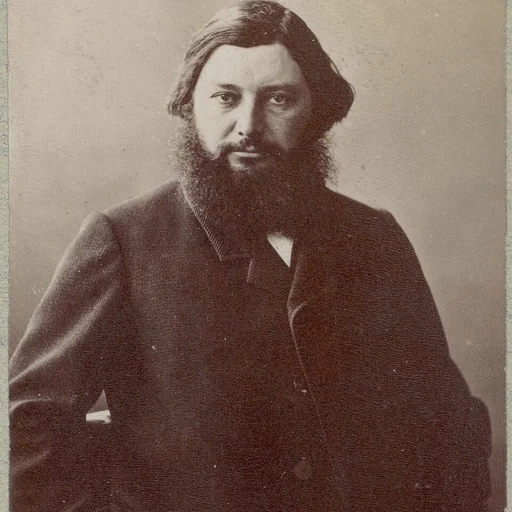
Jean Désiré Gustave Courbet (UK: KOOR-bay; US: koor-BAY; French: ; 10 June 1819 – 31 December 1877) was a French painter who led the Realism movement in 19th-century French painting.