Artwork
The Brook of Les Puits-Noir
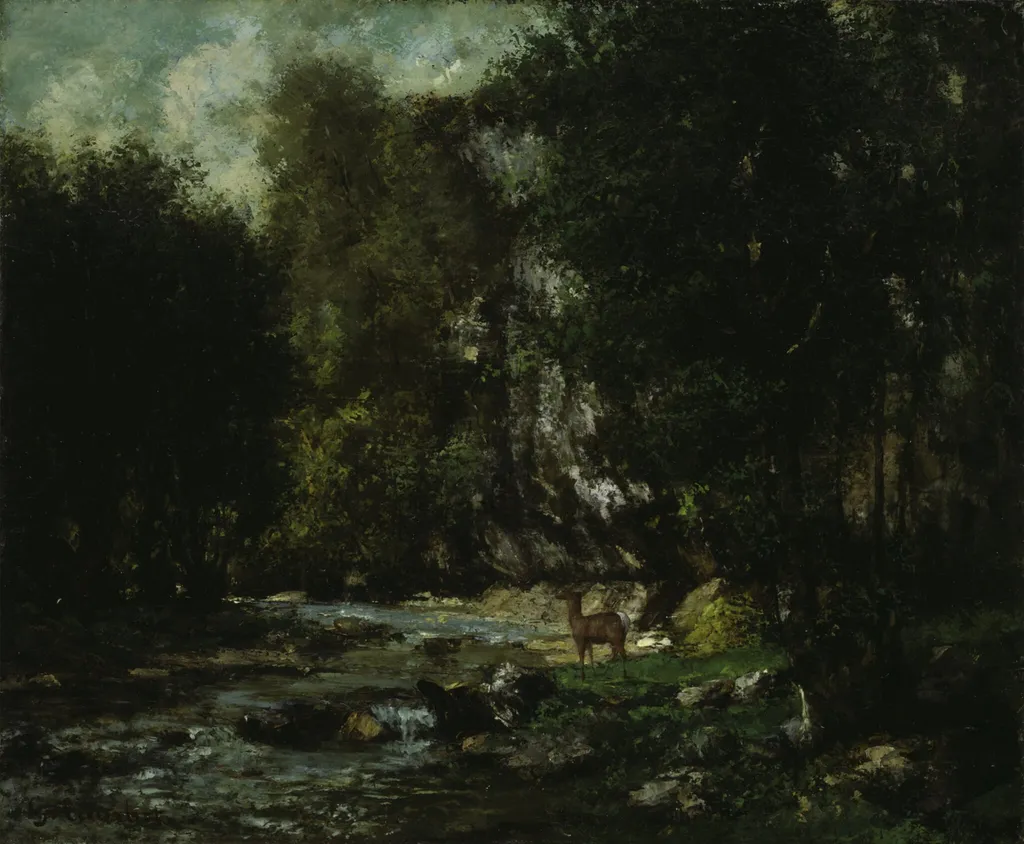
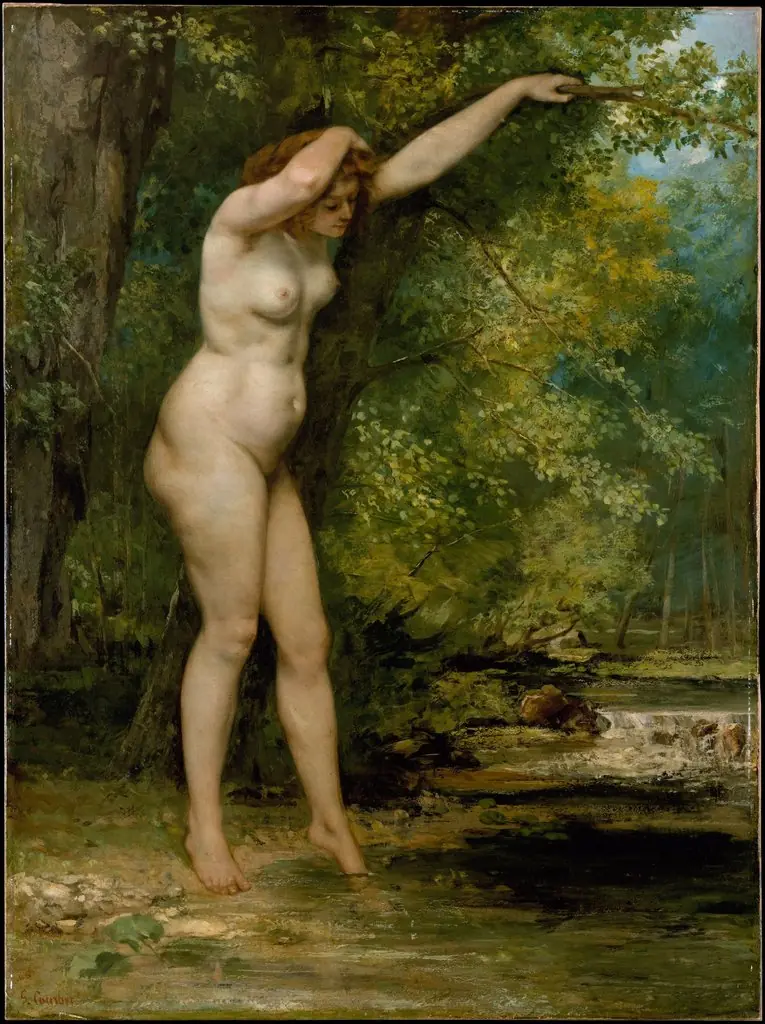
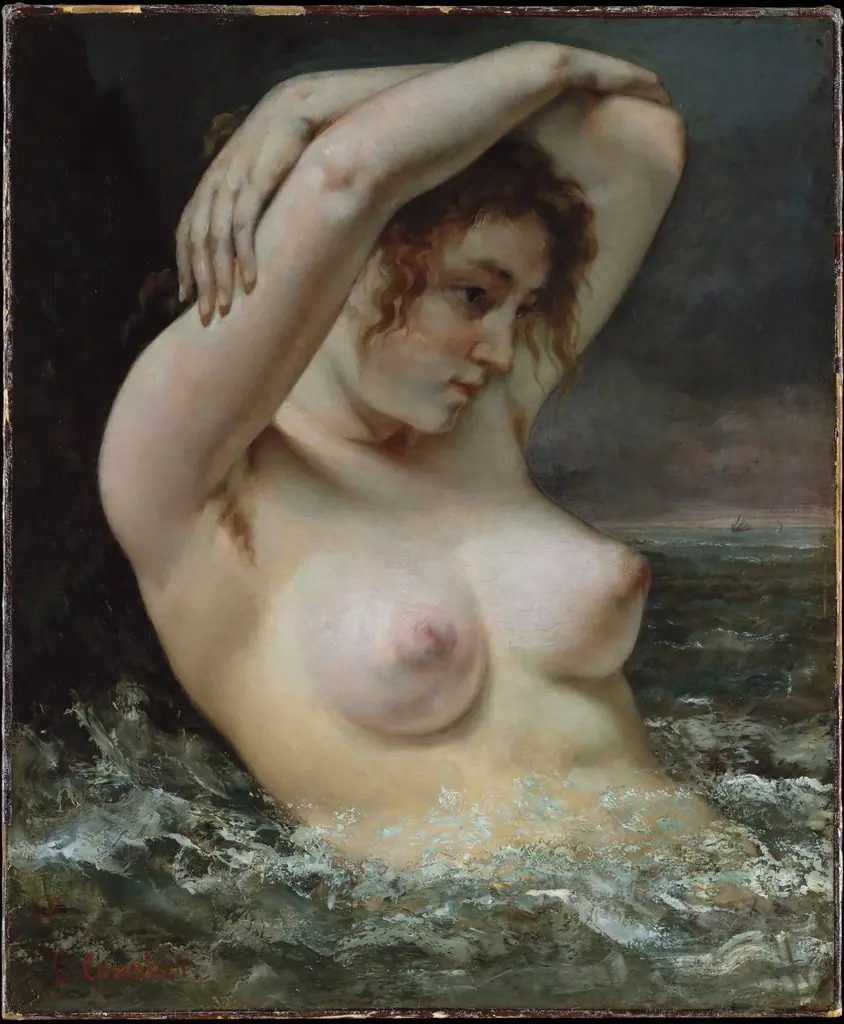
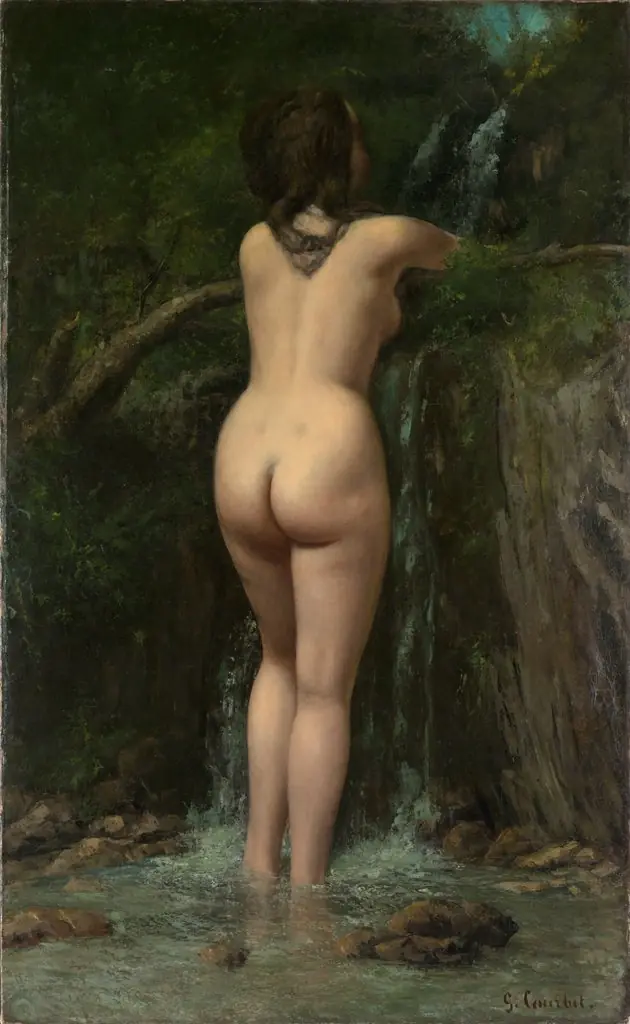
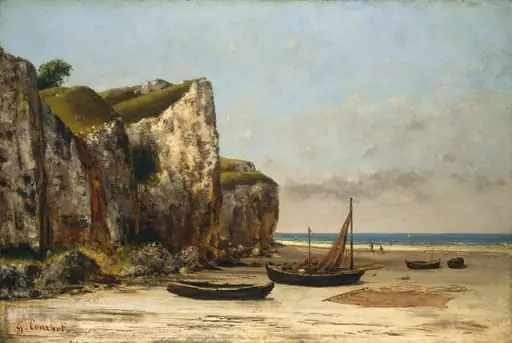
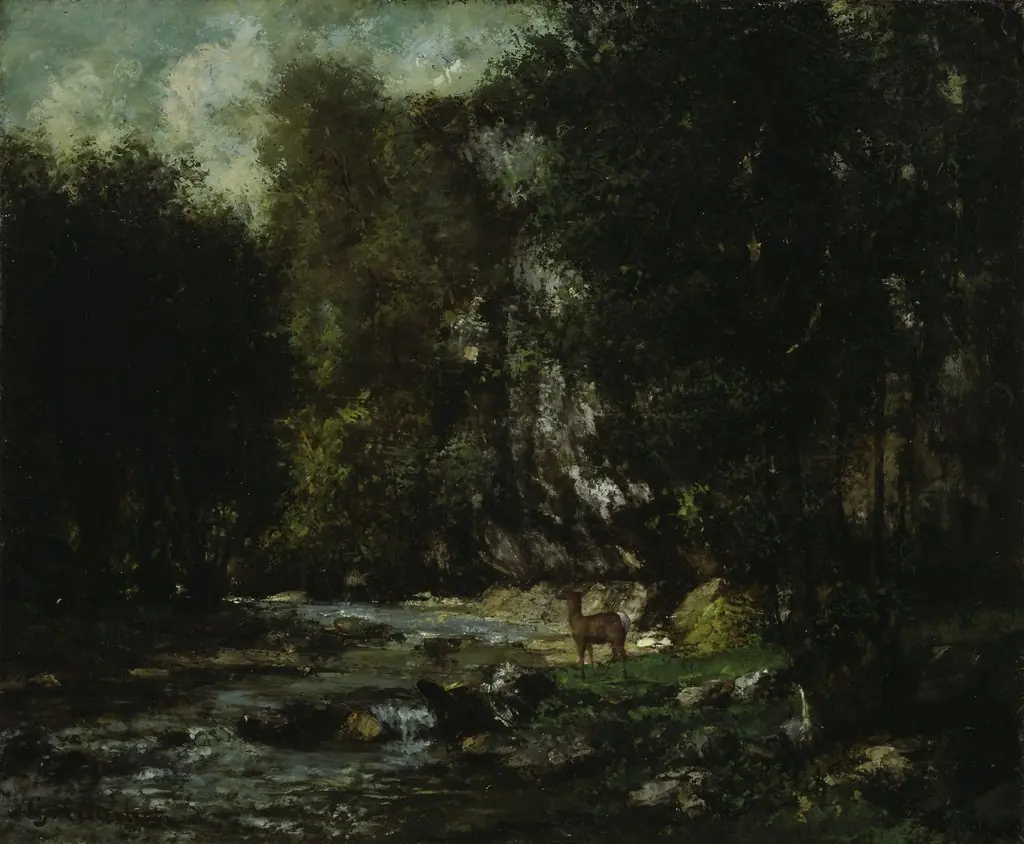
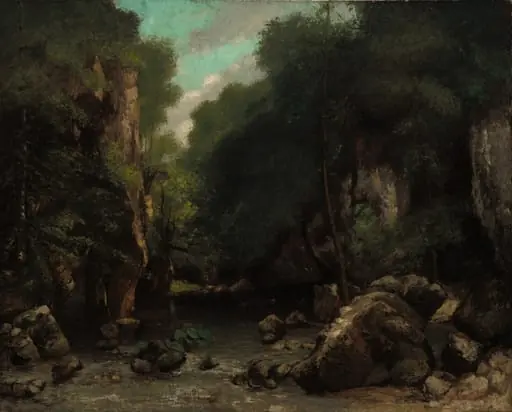
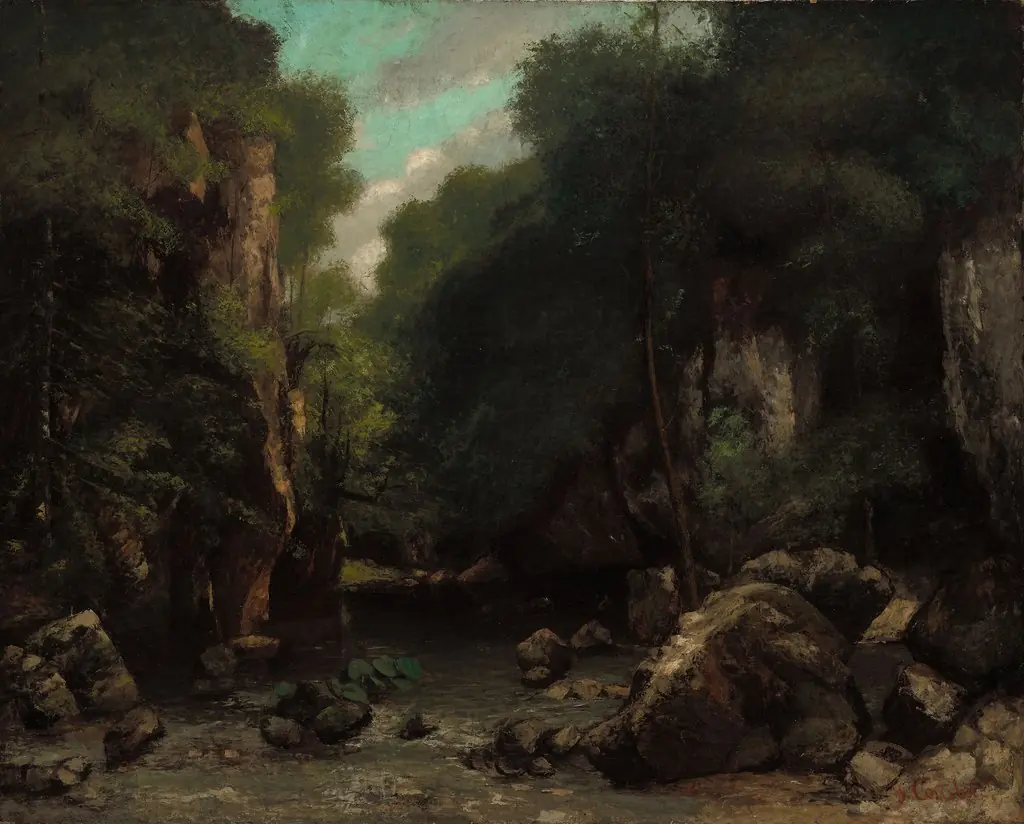
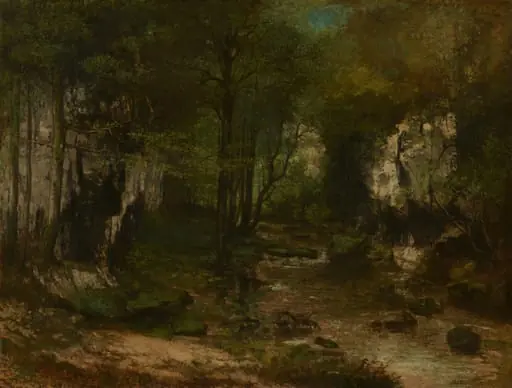
The Brook of Les Puits-Noir is an oil painting by the Impressionist artist Gustave Courbet. It dates from 1855 and is held in the collection of the Art Institute of Chicago.
About this work
Overview
The Brook of Les Puits-Noir is an oil on canvas painting created by Gustave Courbet, a prominent French Realist, circa 1855. Characterized by its serene landscape, the work captures a tranquil scene of a brook surrounded by trees and foliage.
Subject & Meaning
Depicting an everyday, ordinary landscape, the painting reflects Courbet's adherence to Realism. It eschews Romantic and academic traditions, instead emphasizing the beauty in mundane natural settings, inviting viewers into its calm atmosphere.
Technique & Style
Courbet's use of chiaroscuro, a strong contrast between light and dark, adds depth and dimensionality to the serene brook scene. This technique enhances the overall sense of tranquility and natural observation.
History & Provenance
The Brook of Les Puits-Noir is part of the permanent collection at the Art Institute of Chicago, though the painting's history prior to its acquisition is not detailed here.
Context
Created during a pivotal moment in 19th-century French art, the painting represents a shift away from Romanticism towards Realism, focusing on direct observation of ordinary life and landscapes.
Legacy
While specific influence of *The Brook of Les Puits-Noir* is not highlighted, it contributes to Courbet's broader impact on the development of Realism, influencing future artists in their depiction of everyday subjects.
Own this work as a print
Artist & collection
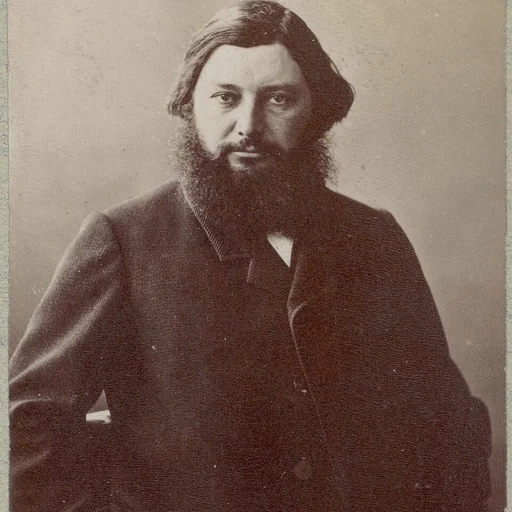
Artist
Jean Désiré Gustave Courbet (UK: KOOR-bay; US: koor-BAY; French: ; 10 June 1819 – 31 December 1877) was a French painter who led the Realism movement in 19th-century French painting.