Artwork
On the Banks of the Eure
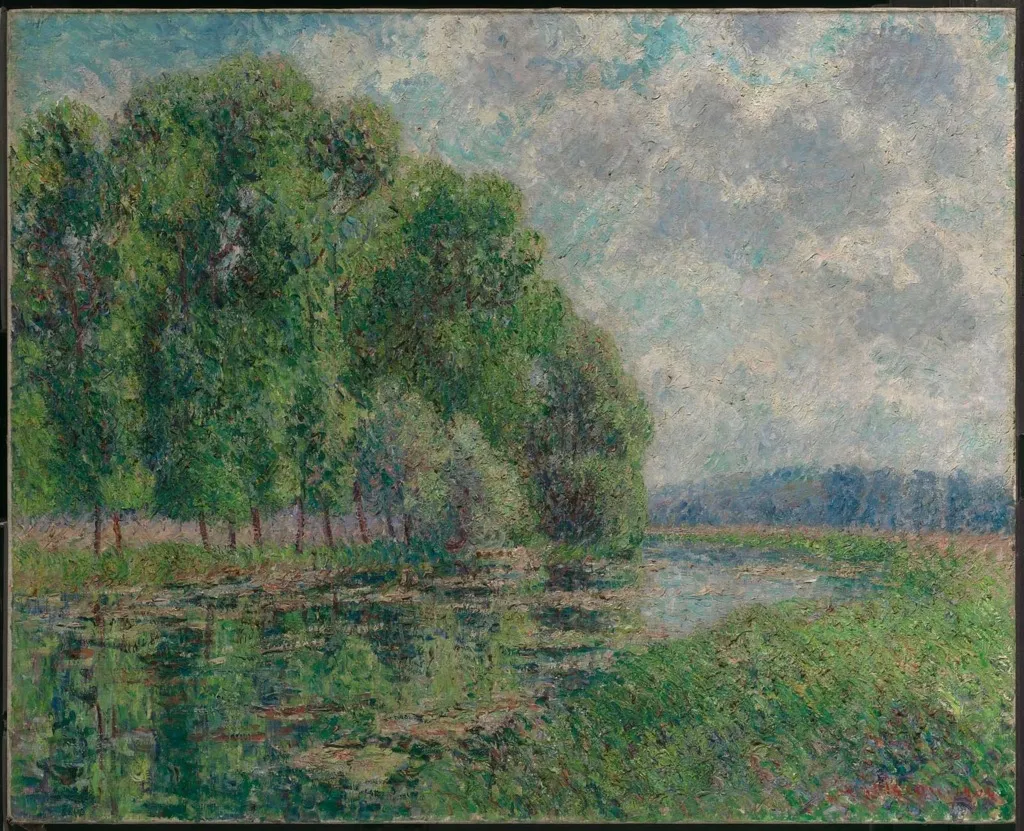
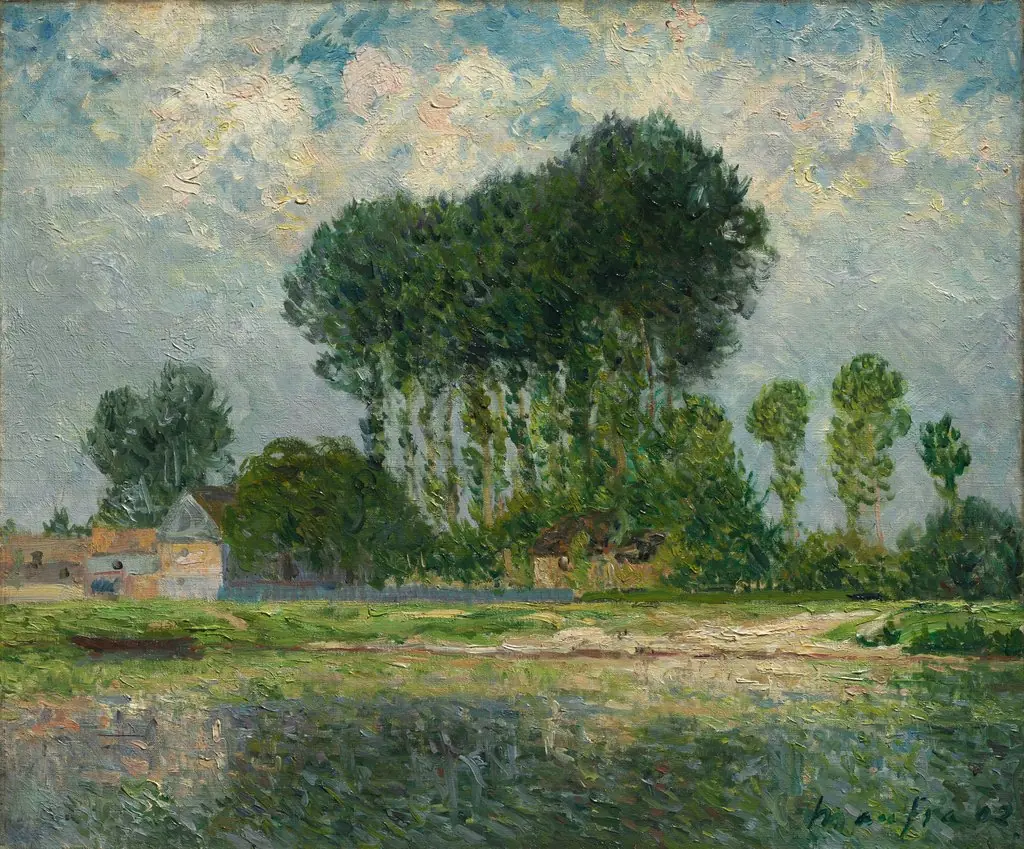
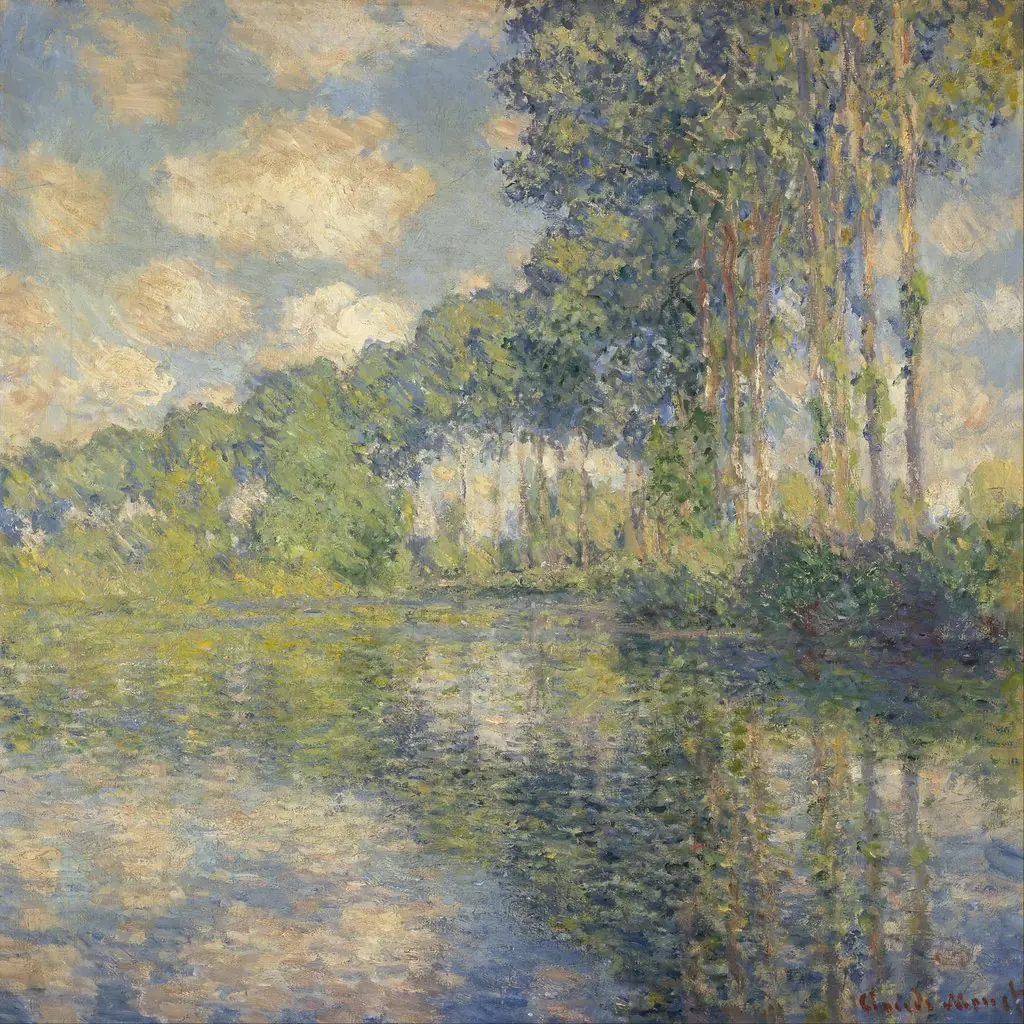
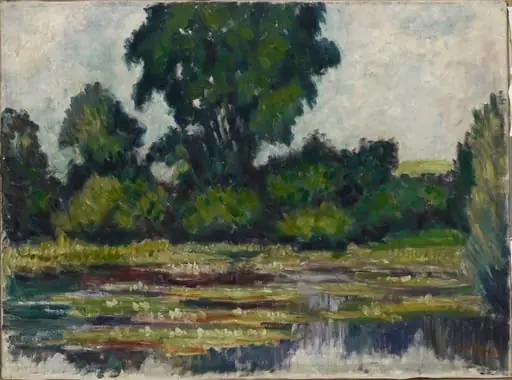
On the Banks of the Eure is an oil painting by the Post-Impressionist artist Gustave Loiseau. It dates from 1904 and is held in the collection of the Museum of Fine Arts Boston.
About this work
Overview
Loiseau’s approach aligns with Post-Impressionist concerns for personal expression through color and brushwork, rather than strict optical realism.
Painted in 1904, *On the Banks of the Eure* is an oil-on-canvas landscape by French artist Gustave Loiseau. It captures a quiet stretch of the Eure River in Normandy, rendered with careful attention to seasonal light and natural texture. Loiseau’s approach aligns with Post-Impressionist concerns for personal expression through color and brushwork, rather than strict optical realism. The painting is part of the Museum of Fine Arts, Boston’s permanent collection.
Subject & Meaning
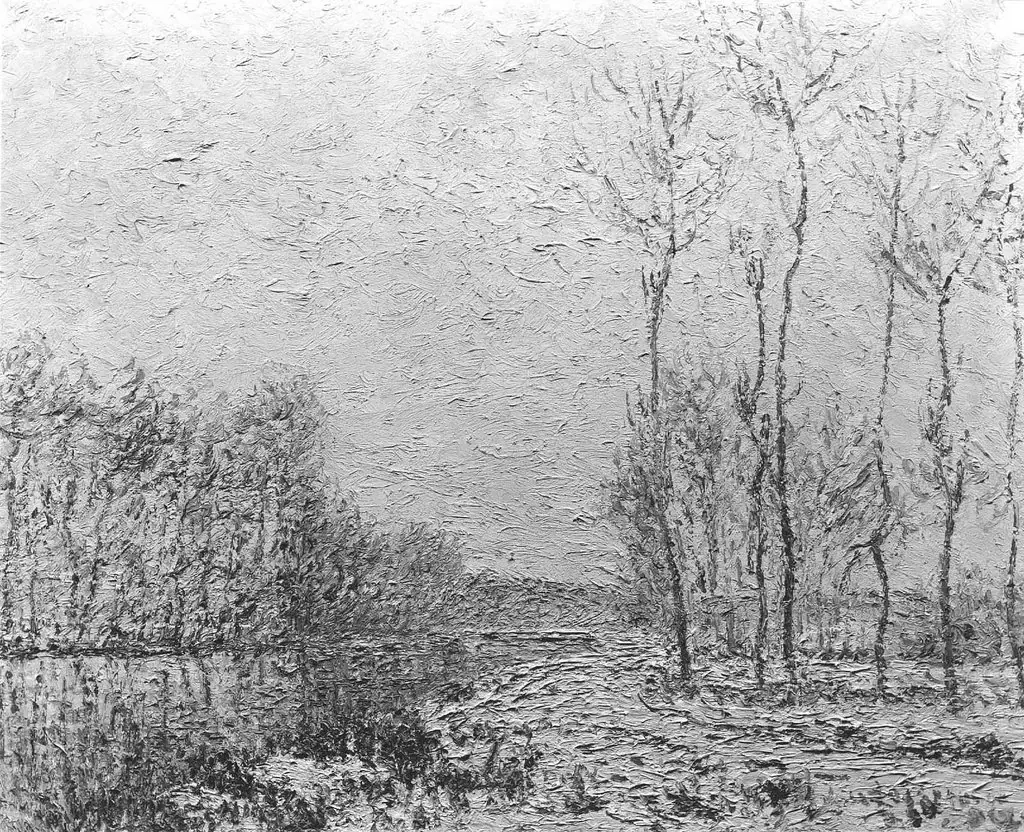
The scene depicts a tranquil riverside, with dense trees lining the water’s edge and a soft, overcast sky above. There are no human figures or signs of industry, emphasizing solitude and the quiet rhythm of nature. The reflective surface of the river mirrors the surrounding foliage, reinforcing a sense of stillness and harmony. Loiseau’s focus on unremarkable rural scenery suggests an appreciation for the subtle beauty of everyday landscapes.
Technique & Style
Loiseau employed short, deliberate brushstrokes to build texture in the foliage and water, avoiding smooth blending. His palette favors muted greens, grays, and earth tones, with subtle shifts in hue to suggest light filtering through clouds. The composition is balanced, with the river acting as a horizontal anchor that draws the eye inward. The technique prioritizes tactile surface and atmospheric mood over precise detail.
History & Provenance
Created during Loiseau’s mature period, the painting reflects his frequent travels through Normandy and the Ile-de-France region. It entered the Museum of Fine Arts, Boston’s collection in the 20th century, likely through a private acquisition or donation. While not widely exhibited, it remains a representative example of Loiseau’s dedication to plein air painting and his consistent focus on the French countryside.
Context
Loiseau worked alongside other Post-Impressionists who moved beyond Impressionism’s fleeting light effects toward more structured, emotionally resonant compositions. In early 20th-century France, rural landscapes remained a popular subject among artists seeking alternatives to urban modernity. *On the Banks of the Eure* reflects this trend, positioning nature as a space of contemplation rather than spectacle.
Legacy
Though Loiseau is less known than his contemporaries, his body of work offers a quiet but persistent record of French rural life at the turn of the century. *On the Banks of the Eure* exemplifies his commitment to observing nature with patience and sensitivity. The painting contributes to broader discussions about the role of landscape in modern art beyond grand narratives or radical abstraction.
Artist & collection
Artist
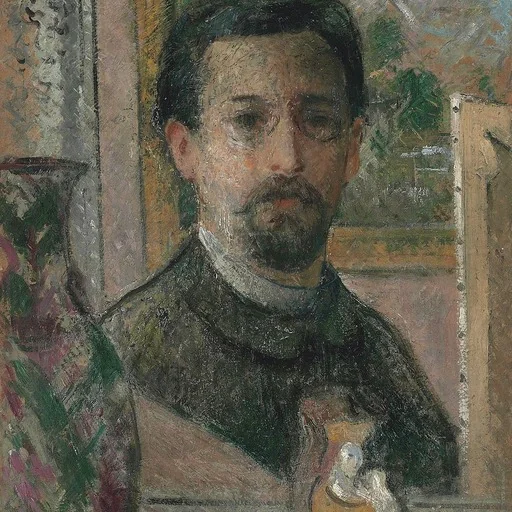
Gustave Loiseau (3 October 1865 – 10 October 1935) was a French Post-Impressionist painter, remembered above all for his landscapes and scenes of Paris streets.