Artwork
H Beard Print Collection
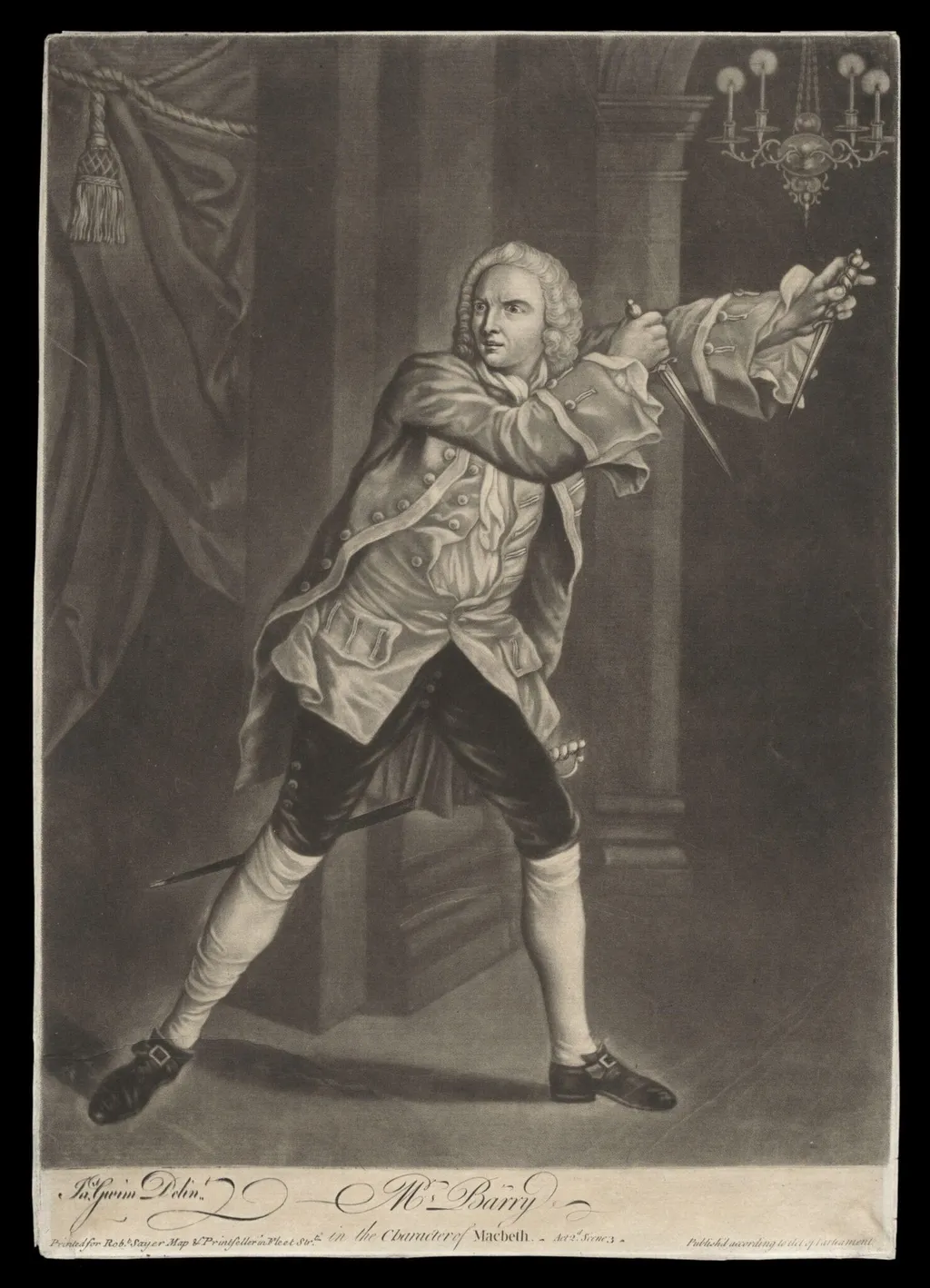
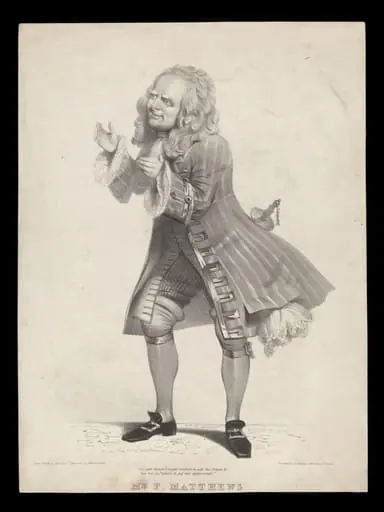
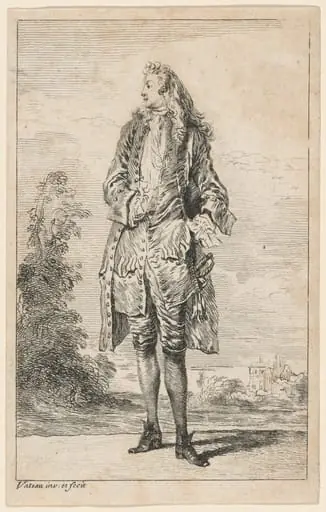
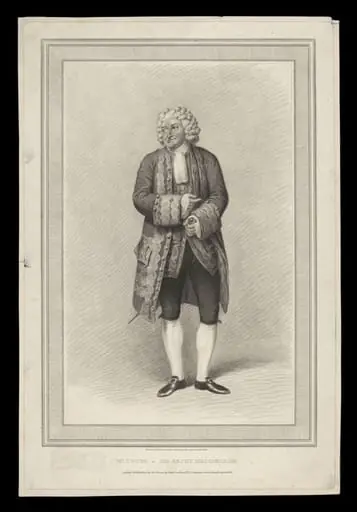
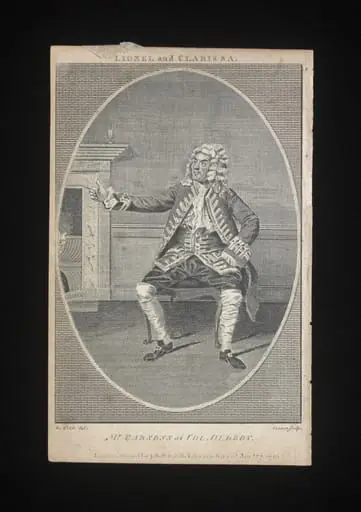
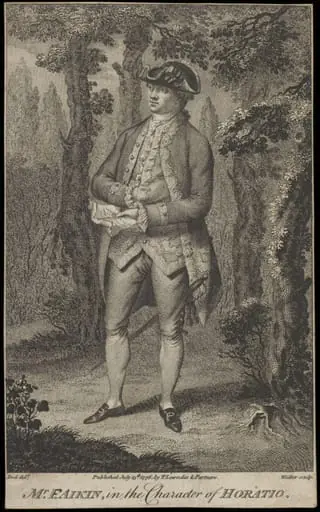
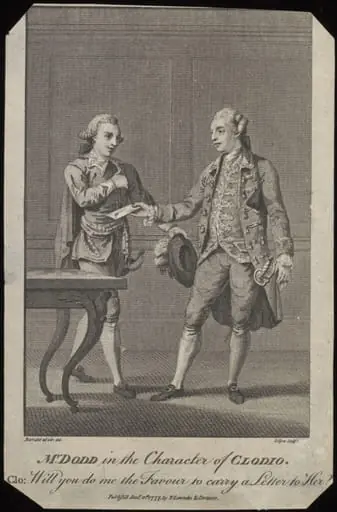
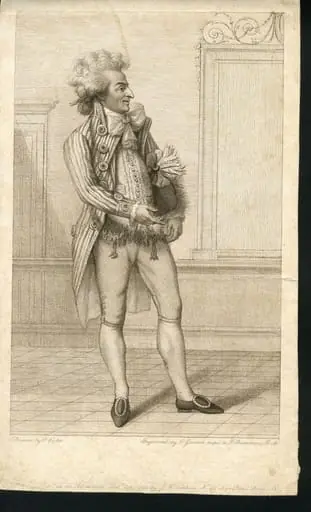
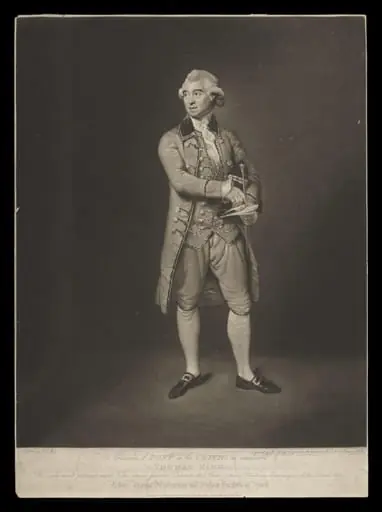
H Beard Print Collection is a print by the Baroque artist James Gwinn. It dates from 1735 and is held in the collection of the Victoria and Albert Museum. This print, part of the H Beard Collection, depicts the actor Mr.
About this work
This print is from the H Beard Print Collection, created by James Gwinn around 1735.
It's a portrait of Mr Barry as Macbeth, which is interesting because it shows a specific scene from a play. The fact that it was published in London by Robert Sayer adds to its historical context.
To learn more about this style, look into the Baroque movement.
Overview
This print, part of the H Beard Collection, depicts the actor Mr. Barry in the role of Macbeth during Act II, Scene 3. Created around 1735 by James Gwinn and published in London by Robert Sayer, it is a reproductive engraving intended for public distribution. Its production reflects the 18th-century practice of translating theatrical performances into printed images for wider circulation.
Subject & Meaning
The image captures Barry as Macbeth moments after Duncan’s murder, a pivotal scene in Shakespeare’s tragedy. By freezing this moment, the print emphasizes the character’s psychological turmoil and the gravity of his actions. It serves not as a literal stage record but as a mediated interpretation, aligning the actor’s performance with contemporary ideals of dramatic expression.
Technique & Style
Executed as an engraved print, the work employs fine linear detail to define costume, gesture, and facial expression. The composition follows Baroque conventions of dramatic lighting and heightened emotion, though adapted for the constraints of printmaking. The figures are rendered with theatrical precision, prioritizing narrative clarity over naturalistic depth.
History & Provenance
The print originates from the H Beard Print Collection, assembled in the 19th century by the theatrical historian Henry Beard. It was produced by James Gwinn, a known engraver of theatrical subjects, and issued by Robert Sayer, a prominent London publisher of prints and maps. Its survival in this collection underscores its value as a document of 18th-century stage culture.
Context
In the 1730s, Shakespearean drama was experiencing renewed popularity in London, and actor portraits became commercial commodities. Sayer’s publication of such images catered to a growing middle-class audience interested in theater. This print exemplifies how performance and print culture intersected, transforming live drama into collectible visual artifacts.
Legacy
As a preserved artifact of 18th-century theatrical portraiture, the print offers insight into how actors were perceived and memorialized. It contributes to the historical record of Shakespearean performance practices and the role of print in shaping public engagement with drama during the early modern period.
Artist & collection
Artist
James Gwinn made early prints in the 1700s, turning scenes into black-and-white engravings that circulated widely.