Artwork
H Beard Print Collection
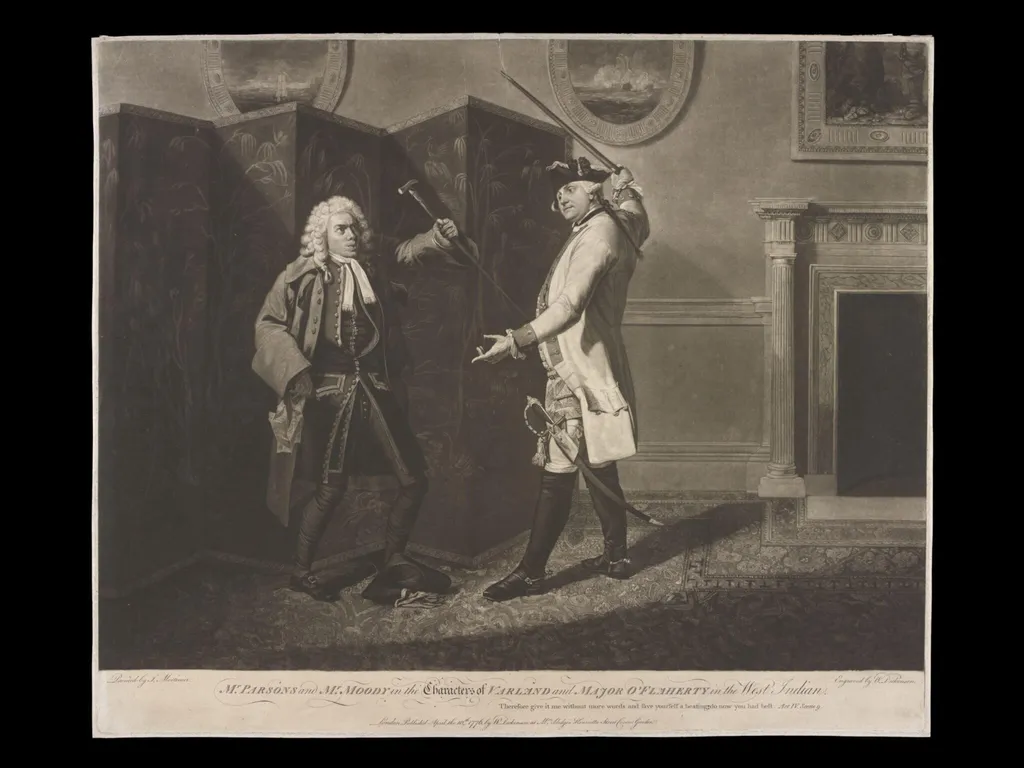
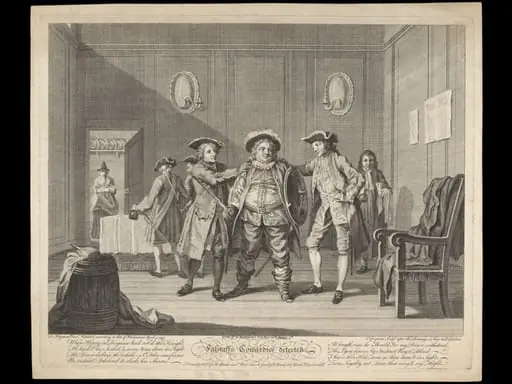
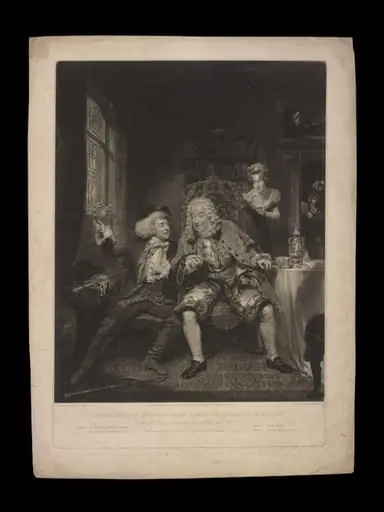
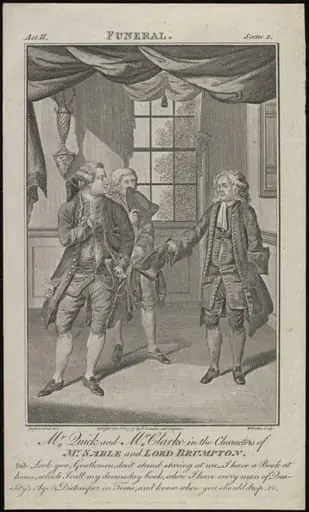
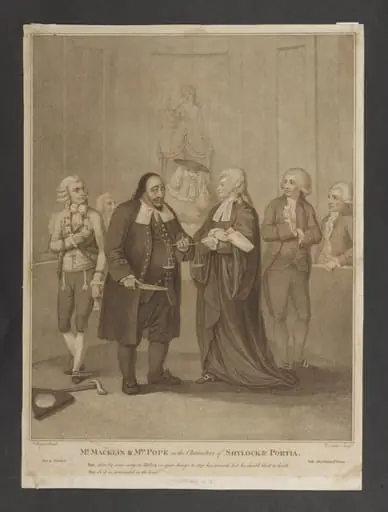
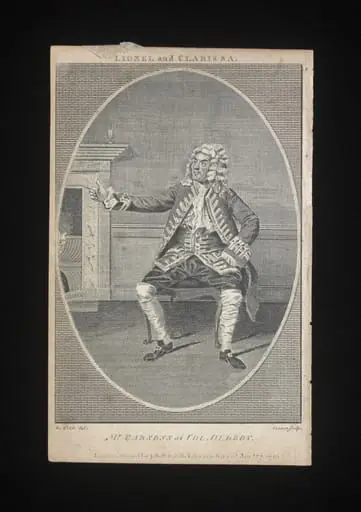
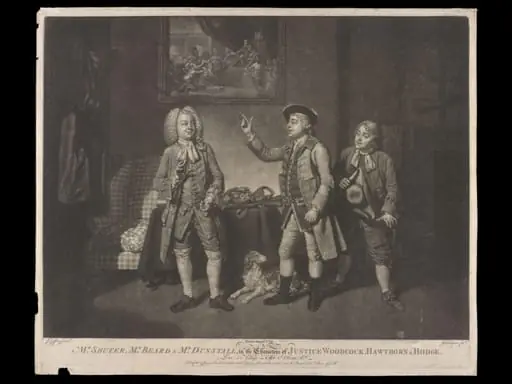
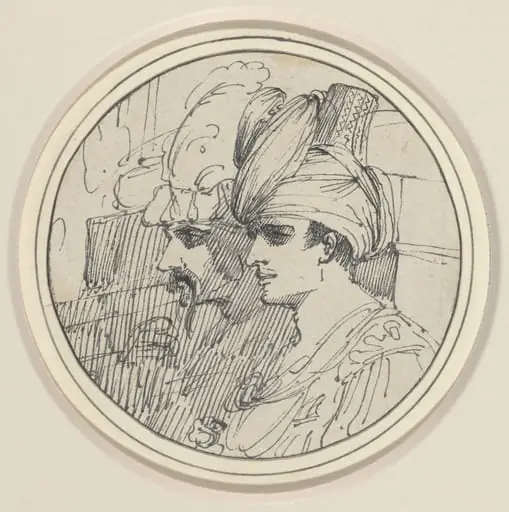
H Beard Print Collection is a print by the Romanticist artist John Hamilton Mortimer. It dates from 10 and is held in the collection of the Victoria and Albert Museum. This print captures two actors, Mr.
About this work
The artist used simple lines and details to create the image, and to learn more about this style, you can look into the technique of chiaroscuro.
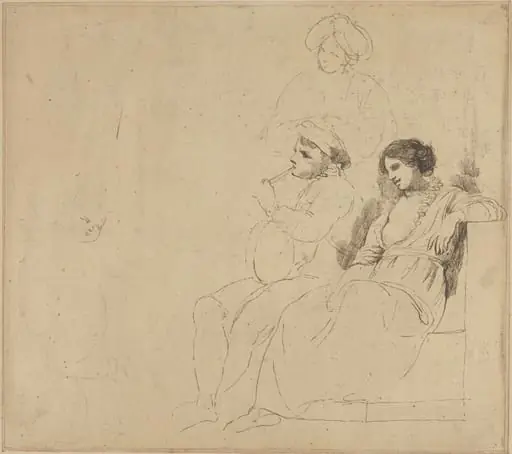
This print shows two men, Mr. Parsons and Mr. Moody, dressed as characters from a play.
They are portrayed as Varland and Major O'Flaherty in 'The West Indian'.
The print was published in London, which suggests it was meant for a local audience, and it's interesting that it depicts a specific scene from a play, giving us a glimpse into the theater life of 18th century London.
The artist used simple lines and details to create the image, and to learn more about this style, you can look into the technique of chiaroscuro.
Overview
This print captures two actors, Mr. Parsons and Mr. Moody, in character roles from the 1771 comedy 'The West Indian.' Published in London by W. Dickinson, it served as a theatrical souvenir, reflecting the popularity of stage performances among urban audiences. The image is a modestly rendered engraving, typical of mid-to-late 18th-century print culture, intended for domestic display rather than artistic grandeur.
Subject & Meaning
The figures depict Varland and Major O'Flaherty, comic characters from a play that satirized colonial wealth and social pretension. By portraying these roles, the print reinforces the cultural resonance of theater in London, where audiences delighted in caricatures of overseas newcomers. The depiction preserves a moment of performance, linking the actors' identities to their roles in a widely seen production.
Technique & Style
Rendered in line engraving, the print employs clear contours and minimal shading to define form and costume. Details such as facial expressions and attire are suggested rather than elaborated, prioritizing legibility over depth. While not employing chiaroscuro, the work relies on crisp outlines and flat tonal areas, consistent with commercial printmaking practices of the period aimed at mass reproduction.
History & Provenance
Produced by W. Dickinson, a known London publisher of theatrical prints, the work likely circulated shortly after the play's debut in 1771. Its survival in collections such as the H. Beard Print Collection indicates it was preserved as a record of contemporary stage life. No record of the original artist is known, suggesting it was a collaborative effort typical of commercial print shops.
Context
The print emerged during a period when London’s theater scene flourished, with plays like 'The West Indian' drawing large crowds. Such prints were affordable mementos, allowing the public to own a visual reminder of popular performances. They reflect the intersection of entertainment, commerce, and visual culture in Georgian England, where theater and print media reinforced each other.
Legacy
As a fragment of 18th-century theatrical ephemera, the print contributes to the historical record of performance and public taste. Though not artistically groundbreaking, it offers insight into how stage characters were memorialized and consumed. Today, it remains a valuable artifact for scholars studying the material culture of British theater and the dissemination of popular imagery.
Artist & collection
Artist
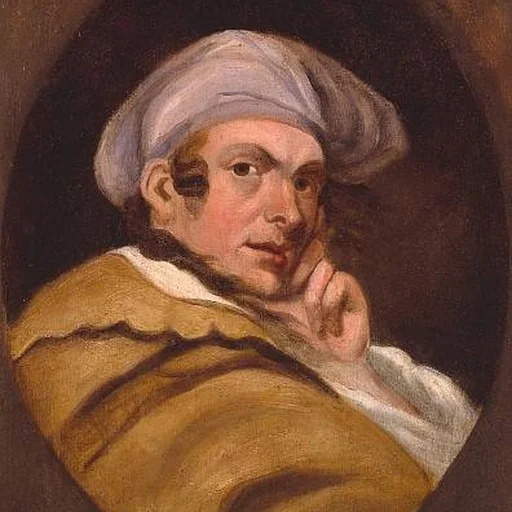
John Hamilton Mortimer (17 September 1740 – 4 February 1779) was a British figure and landscape painter and printmaker, known for romantic paintings set in Italy, works depicting conversations, and works drawn in the…

![Mucius Scaevola [recto], by John Hamilton Mortimer](https://artifactworldgallery.com/img/john-hamilton-mortimer--mucius-scaevola-recto--0de678fa443f7962-w320.webp)