Artwork
Mount Tai
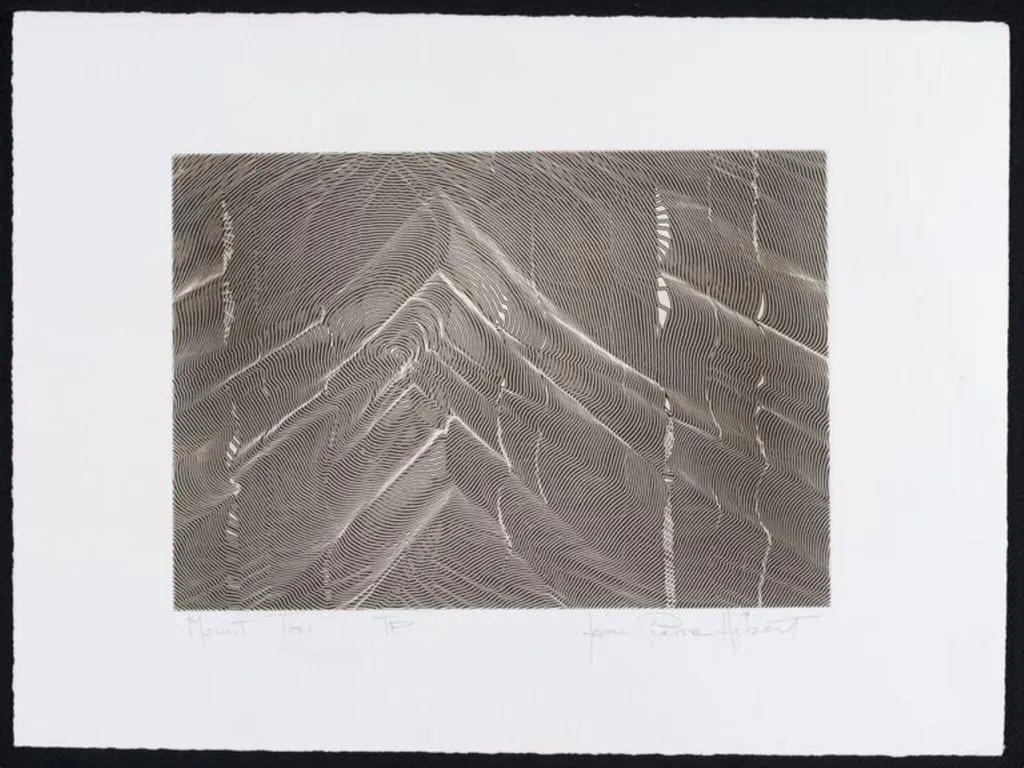
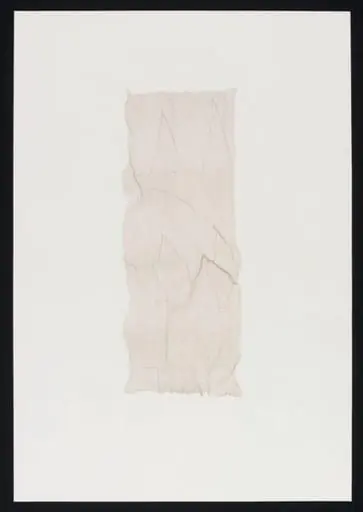
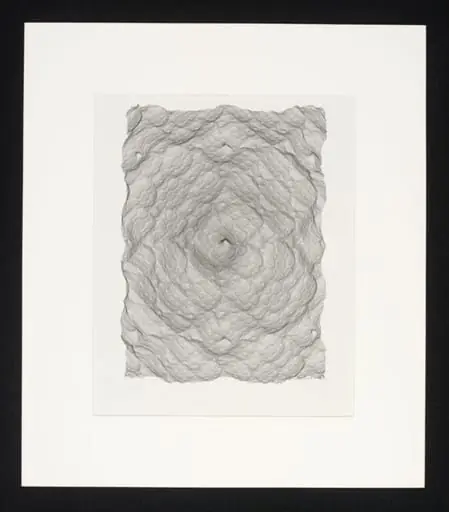
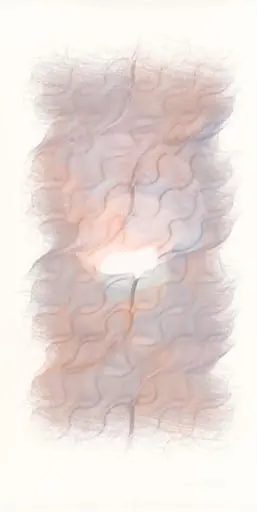
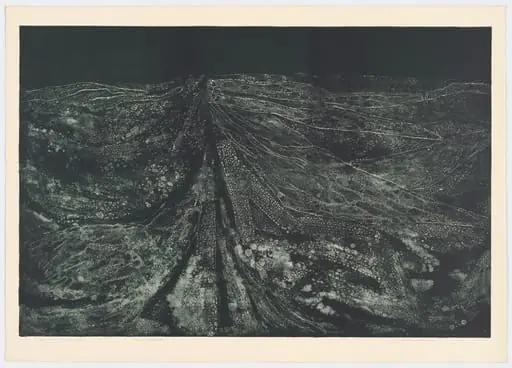
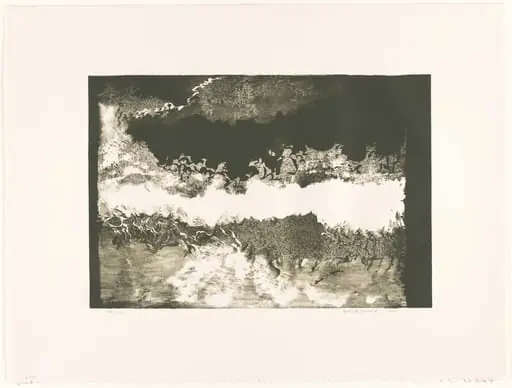
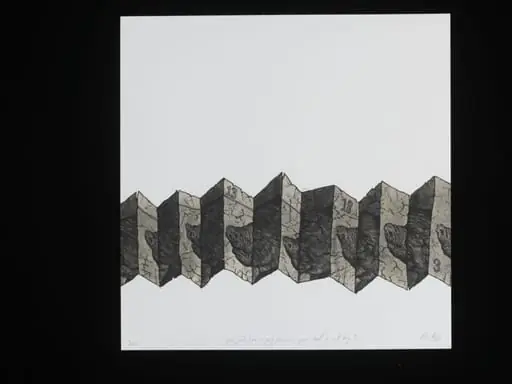
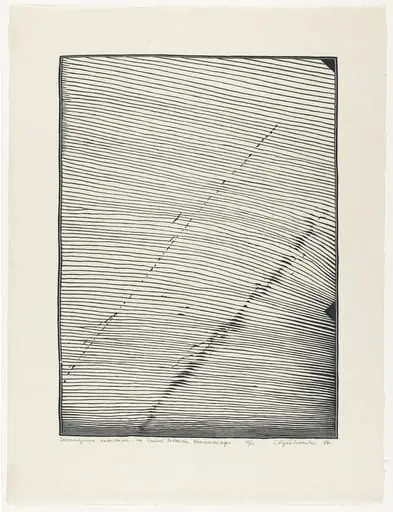
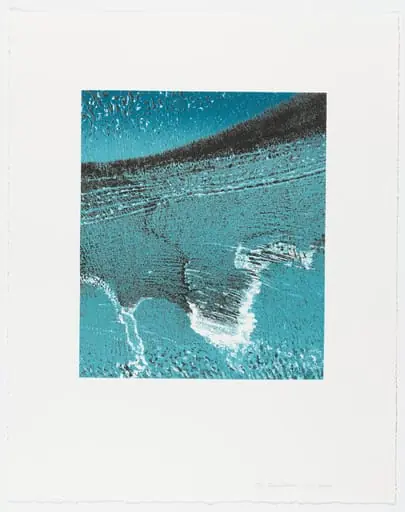
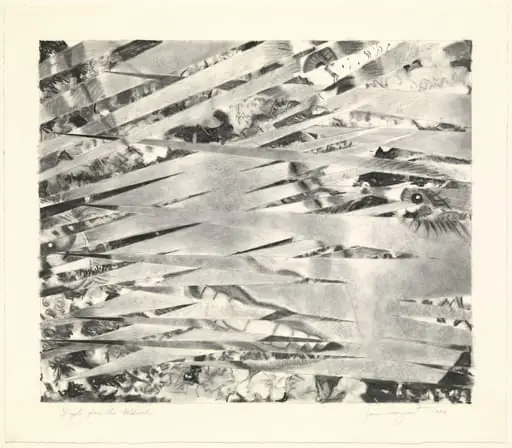
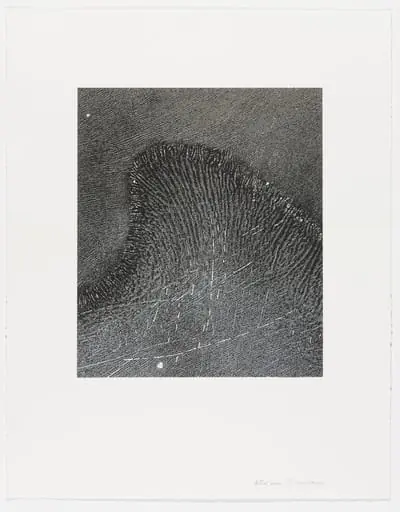
Mount Tai is a print by Jean-Pierre Hébert. It dates from 2000 and is held in the collection of the Victoria and Albert Museum.
About this work
Jean-Pierre Hébert made this print called *Mount Tai* in 2000. It started as a computer drawing, then became a high-quality print. Hébert writes code to create his images, treating the computer like a drawing tool.
He calls the process like composing music or planning a dance. The print lives at the Victoria and Albert Museum now.
Look up Hébert, Jean-Pierre.
Overview
Jean-Pierre Hébert created *Mount Tai* in 2000 as part of a series exploring natural landscapes through algorithmic generation.
Jean-Pierre Hébert created *Mount Tai* in 2000 as part of a series exploring natural landscapes through algorithmic generation. The work originated as a digital drawing produced by custom code, later translated into a high-quality print. Hébert’s practice centers on using the computer not as an autonomous creator but as a precise instrument for realizing structured visual ideas, bridging computational logic and manual artistic intent.
Subject & Meaning
The title references Mount Tai, a sacred mountain in China long associated with spiritual ascent and imperial ritual. Hébert does not depict the mountain literally but evokes its essence through layered, rhythmic lines generated by algorithmic rules. The work suggests topography and monumentality without direct representation, inviting contemplation of nature’s structure through abstract, machine-mediated form.
Technique & Style
Hébert writes precise code to dictate the movement and density of lines, treating the computer like a pen plotter that executes his compositional instructions. The resulting image is characterized by intricate, repetitive patterns that mimic hand-drawn precision while retaining the consistency of algorithmic output. Though digital in origin, the final print emphasizes texture and tonal gradation, preserving the subtlety of line-based drawing.
History & Provenance
Hébert began experimenting with algorithmic drawing in 1974 and acquired his first pen plotter in 1978, establishing a decades-long practice rooted in code-based creation. *Mount Tai* emerged from this sustained exploration, produced in 2000 as a printed iteration of a digital drawing. The work is now held in the collection of the Victoria and Albert Museum, reflecting its recognition within institutional narratives of digital art.
Context
Hébert’s work emerged during a period when artists were beginning to engage with computing as a medium beyond data processing. His approach distinguished itself by prioritizing drawing as a conceptual act, aligning with traditions of systematic art while resisting purely aesthetic or technological spectacle. The Mount Tai series reflects a broader interest in translating cultural and natural forms through computational logic.
Legacy
Hébert’s integration of programming into artistic practice helped expand the definition of drawing in the late 20th century. By treating code as a compositional language akin to music or choreography, he influenced subsequent generations of digital artists who value process over output. His work remains a reference point for discussions on authorship, machine mediation, and the persistence of handcrafted sensibility in algorithmic art.
Artist & collection
Artist
Jean-Pierre Hébert makes digital prints and drawings that blend sharp lines with soft grays, building abstract patterns that feel almost musical.