Artwork
Untitled
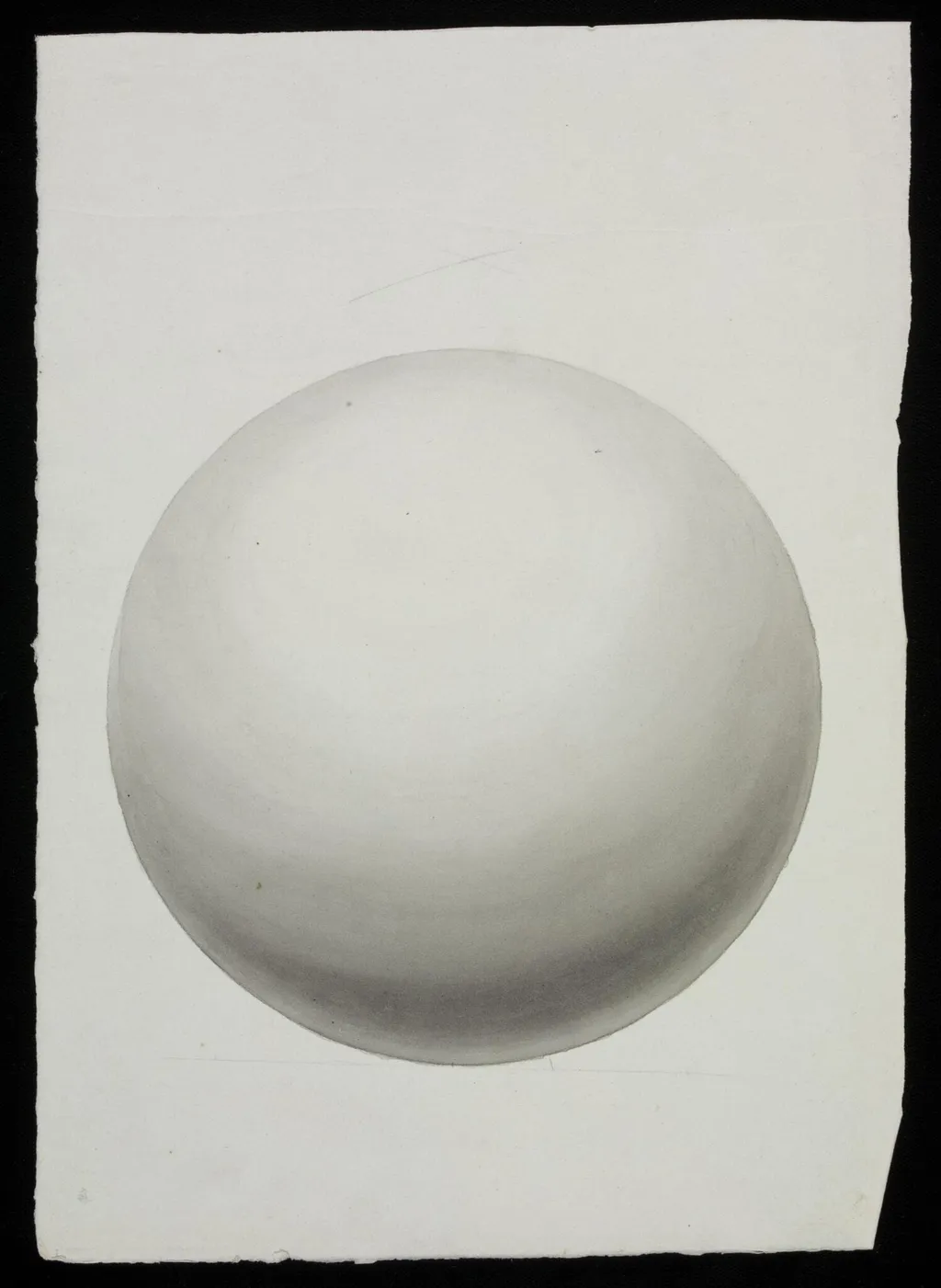
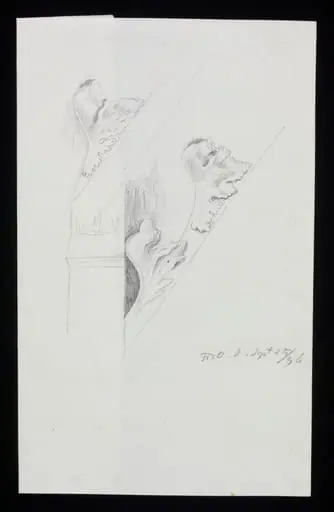
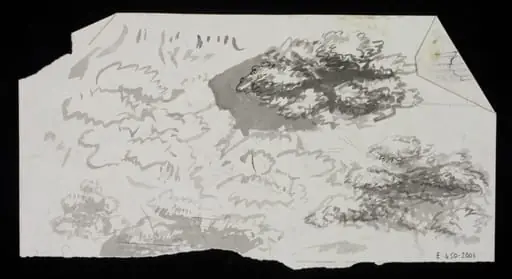
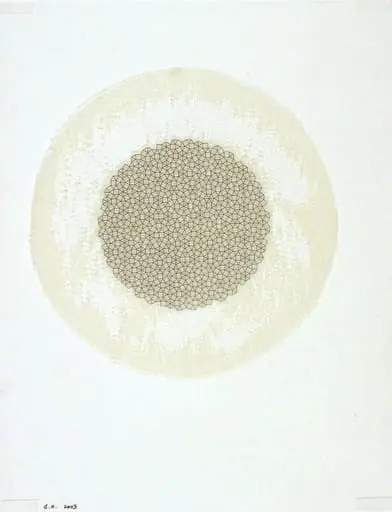
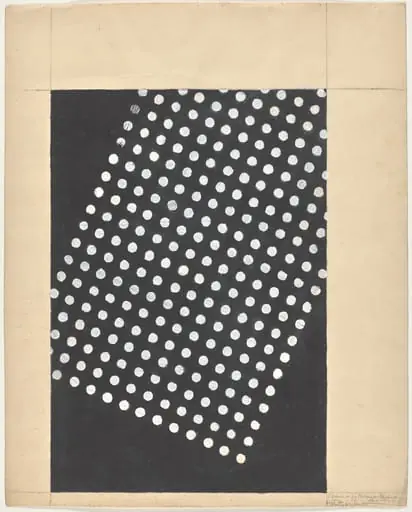
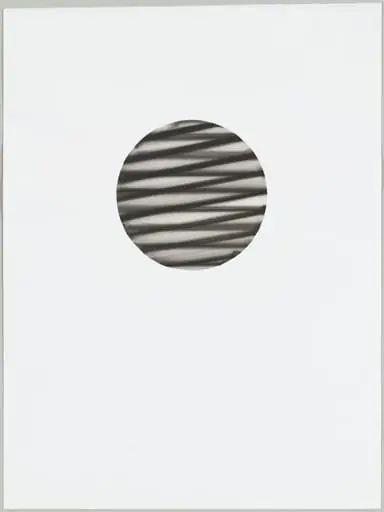
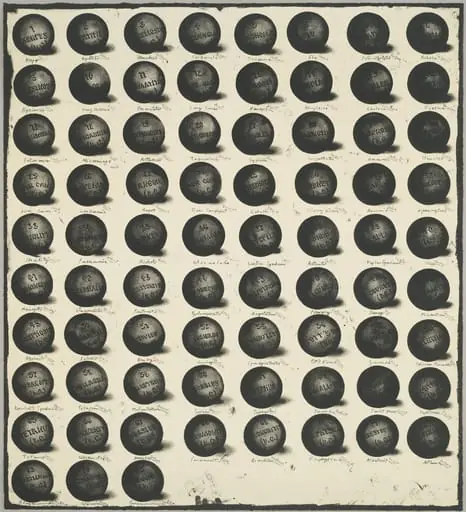
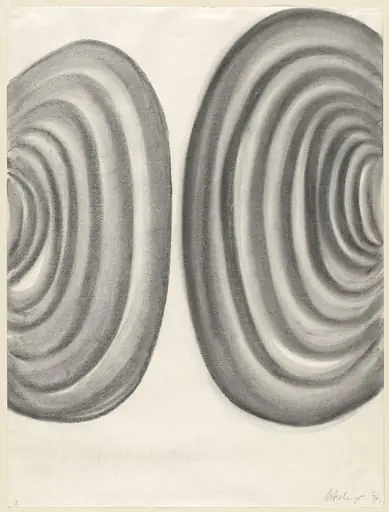
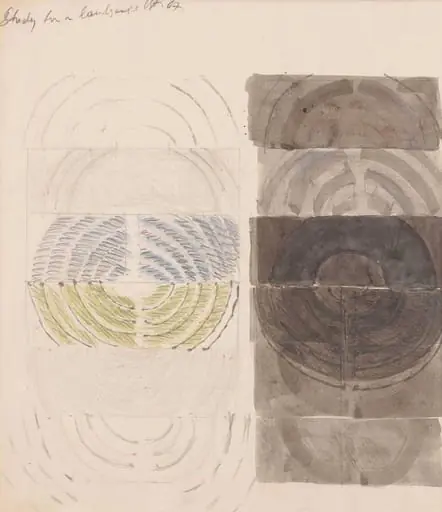
Untitled is a drawing by James Hall. It dates from 1750 and is held in the collection of the Victoria and Albert Museum. This pencil drawing on paper presents a perfectly rendered sphere, centered within a portrait-oriented format.
About this work
Overview
Though seemingly minimal, the work reflects a deliberate engagement with form and light, distinct from the ecclesiastical subjects surrounding it in the folio.
This pencil drawing on paper presents a perfectly rendered sphere, centered within a portrait-oriented format. Created by Sir James Hall as part of a larger collection of architectural studies, it was included in his 1797 essay on Gothic architecture, later published in full in 1813. Though seemingly minimal, the work reflects a deliberate engagement with form and light, distinct from the ecclesiastical subjects surrounding it in the folio.
Subject & Meaning
The sphere stands apart from the architectural sketches in the folio, offering a geometric abstraction that may symbolize ideal form or cosmic order. Its isolation and precision suggest a pedagogical intent—perhaps illustrating principles of proportion or optical perception relevant to architectural design. The absence of context invites contemplation, positioning the sphere as a silent study in purity and balance.
Technique & Style
Rendered in fine pencil with delicate tonal gradations, the sphere achieves volume through subtle shading rather than defined contours. The light source remains ambiguous, enhancing the object’s neutrality. Cross-hatching is avoided; instead, smooth transitions create a sense of soft, even illumination. The margins are deliberately left bare, focusing attention entirely on the form’s quiet presence.
History & Provenance
The drawing originates from Sir James Hall’s personal collection of studies prepared for his 1797 essay on Gothic architecture. Though the essay focused on ecclesiastical structures, this sphere was retained among the folio’s preparatory materials. Its inclusion suggests Hall valued formal analysis beyond stylistic documentation, preserving it through publication and into later collections.
Context
In the late 18th century, architectural theorists increasingly turned to geometry as a foundation for design principles. Hall’s sphere aligns with broader Enlightenment interests in ideal forms and scientific observation. While his contemporaries documented ornament and structure, this drawing reflects a quieter pursuit: the study of pure shape as a tool for understanding spatial harmony.
Legacy
Though not widely exhibited, the drawing endures as an example of how scientific precision informed architectural pedagogy in the early 19th century. Its restraint and clarity have influenced later studies of form in design education, serving as a quiet counterpoint to the ornate subjects of its original context.
Artist & collection
Artist
James Hall made drawings in the late 18th to mid-19th centuries. These delicate sheets capture line, light, and shadow without color—close studies of faces, hands, and drapery that feel like quiet records of their…