Artwork
Χωρίς τίτλο/ Αντιγραφή έργου του Victor Servancka
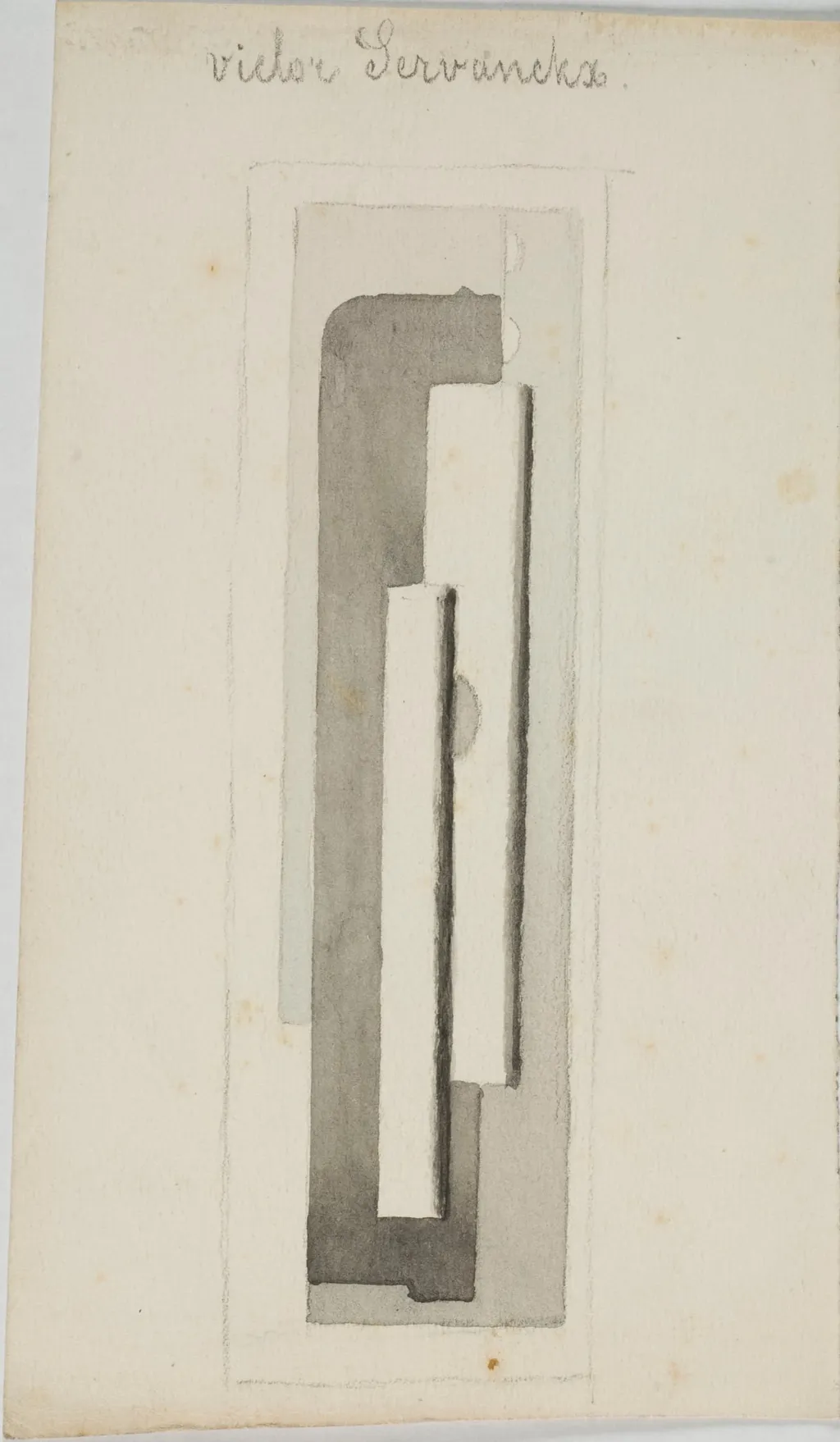
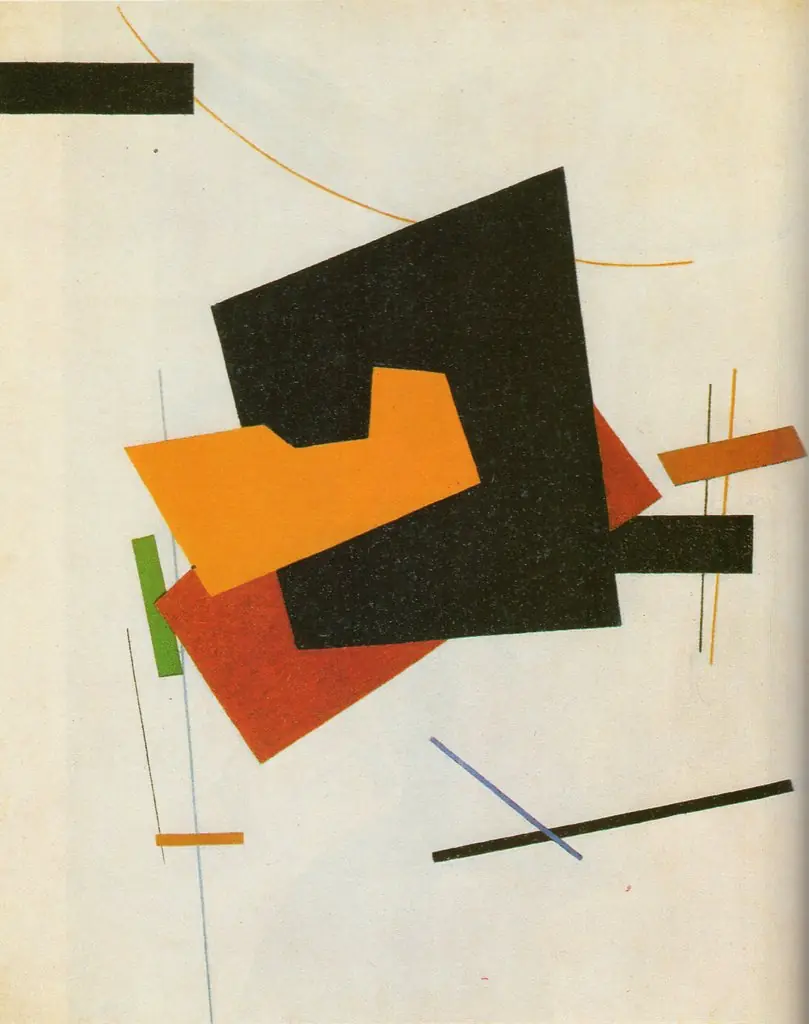
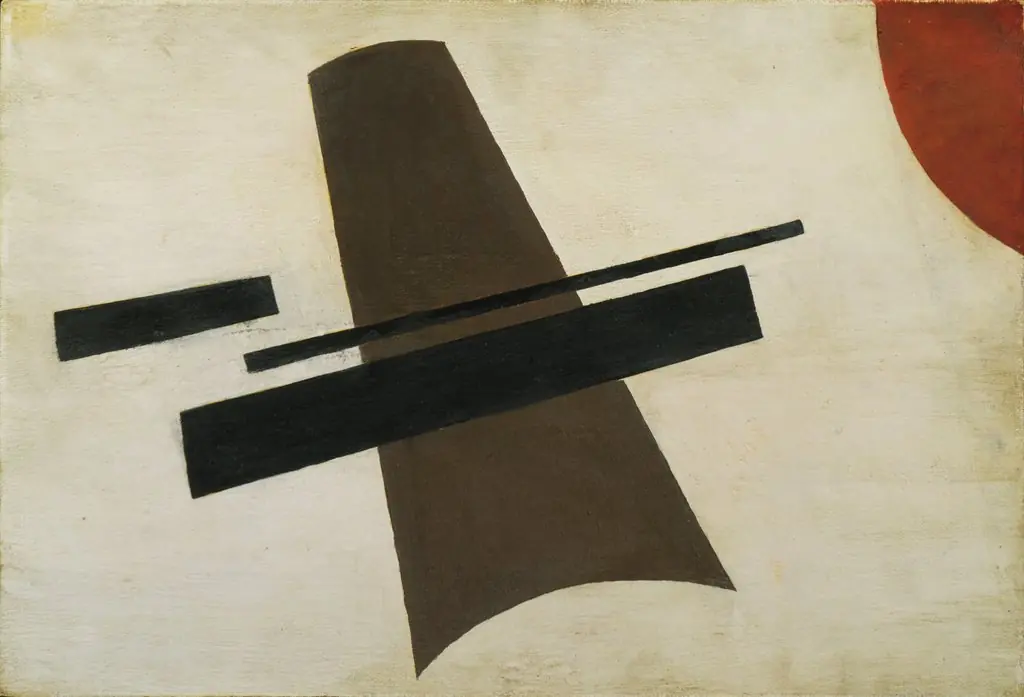
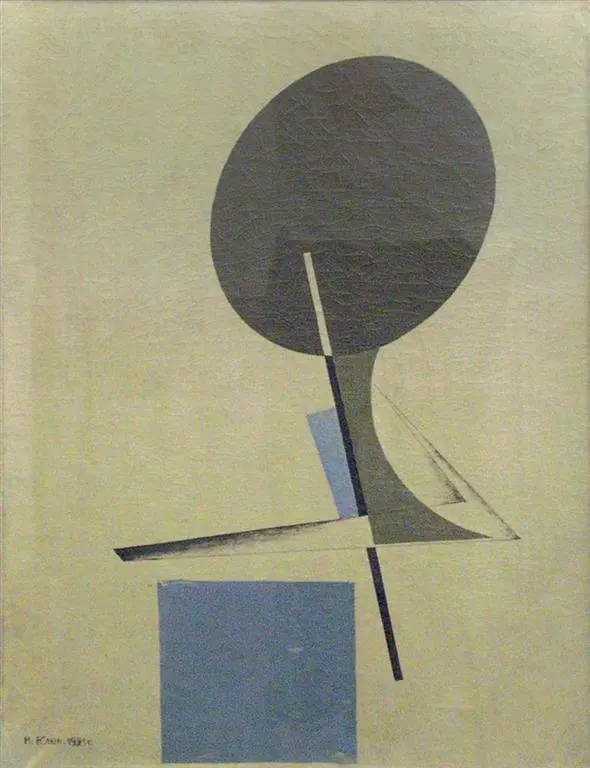
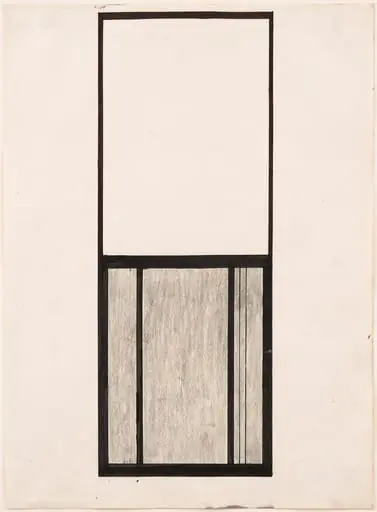
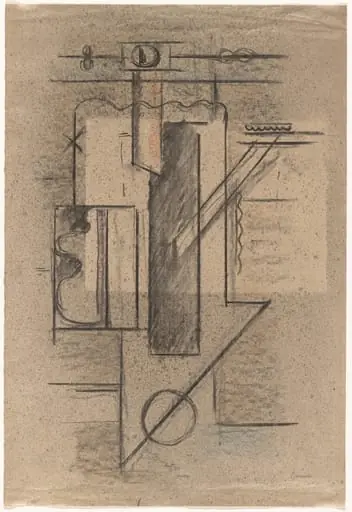
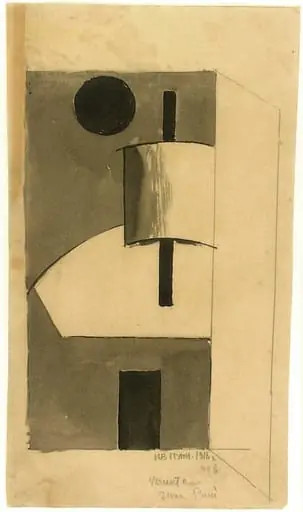
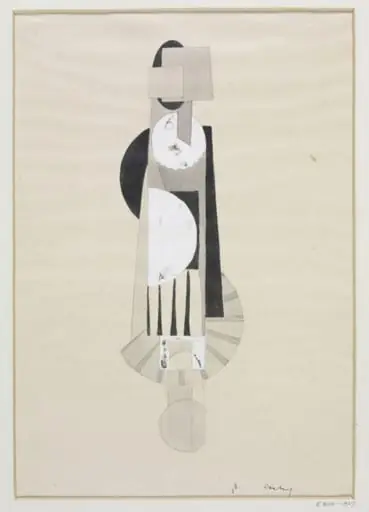
Χωρίς τίτλο/ Αντιγραφή έργου του Victor Servancka is a drawing by Ivan Kliun. It dates from 1918 and is held in the collection of the Metropolitan Organisation of Museums of Visual Arts of Thessaloniki – MOMus. The work is a monochrome drawing that reproduces a composition by Victor Servanckx.
About this work
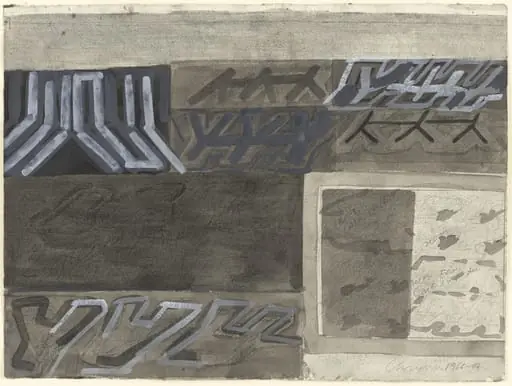
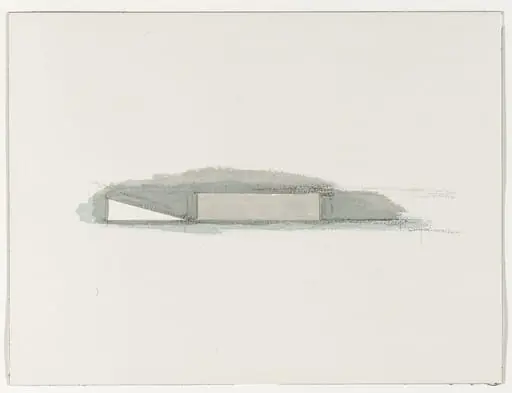
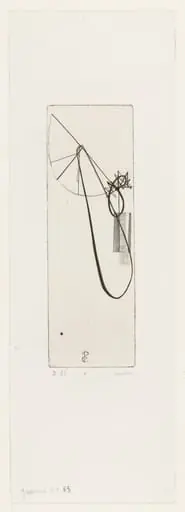
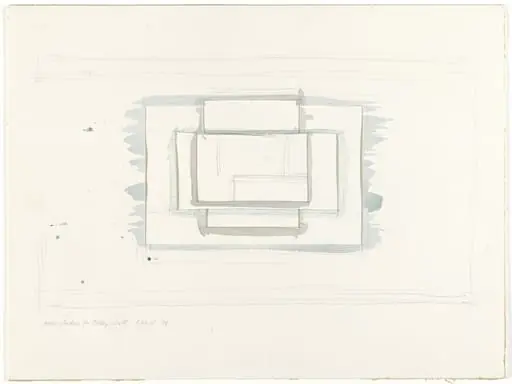
This drawing copies a work by Victor Servanckx. It shows flat black shapes on white paper. Sharp edges and straight lines fill the page.
Ivan Kliun made this during Russia’s early 1900s art boom. He belonged to a group that mixed geometry with bold colors. Their work vanished after the 1917 revolution.
Look up Kliun, Ivan (1873-1943) to see more of his designs.
Overview
The work is a monochrome drawing that reproduces a composition by Victor Servanckx. Rendered in stark black forms against a white surface, the image is organized by crisp edges and straight lines that occupy the entire sheet, emphasizing flat geometric shapes over representational content.
Subject & Meaning
The piece exemplifies a focus on formal elements rather than narrative, aligning with early twentieth‑century Russian experiments that privileged shape, line, and surface. By reducing the composition to black silhouettes, the work invites contemplation of pure visual structure, echoing the avant‑garde’s search for new visual languages.
Technique & Style
Executed with drawing media on paper, the artist employs precise, hard‑edged geometry, eliminating shading or texture. The stark contrast between black and white creates a visual tension characteristic of constructivist and suprematist tendencies, where the arrangement of simple forms becomes the primary expressive device.
Context
The drawing belongs to the period of Russian artistic innovation roughly between 1910 and 1930, a time marked by rapid technological, social, and political change, including the 1917 October Revolution. These upheavals fostered experimental art that often drew on folk motifs, industrial imagery, and a formalist emphasis on shape over content.
Legacy
Works of this type, produced by artists associated with geometric abstraction in pre‑revolutionary Russia, largely disappeared from public view after the Bolshevik takeover, which redirected artistic production toward state‑approved styles. Contemporary study of such pieces helps reconstruct the breadth of early modernist experimentation in Russia.
Artist & collection
Artist
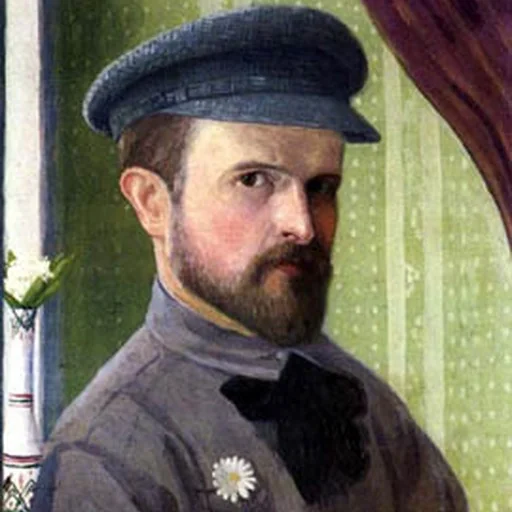
Ivan Vasilievich Kliun, or Klyun, born Klyunkov (Russian: Иван Васильевич Клюн; 1 September 1873, in Bolshiye Gorky, Petushinsky District – 13 December 1943, in Moscow) was a Russian Avant-Garde painter, sculptor and…
Museum
Metropolitan Organisation of Museums of Visual Arts of Thessaloniki – MOMus
Continue through works from the same source collection.