Artwork
H Beard Print Collection
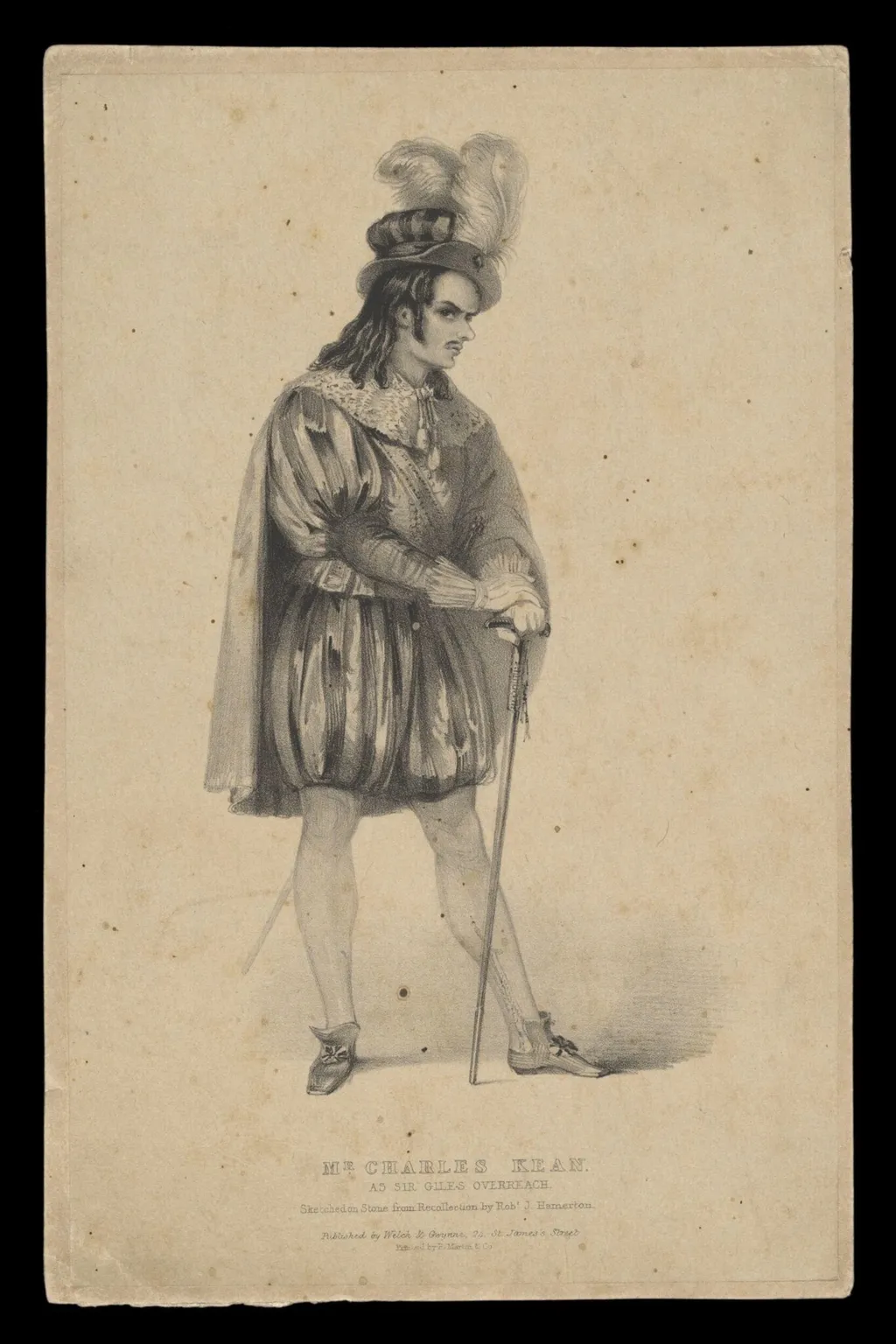
H Beard Print Collection is a print by the Romanticist artist Robert Jacob Hamerton. It dates from 1840 and is held in the collection of the Victoria and Albert Museum.
About this work
Overview
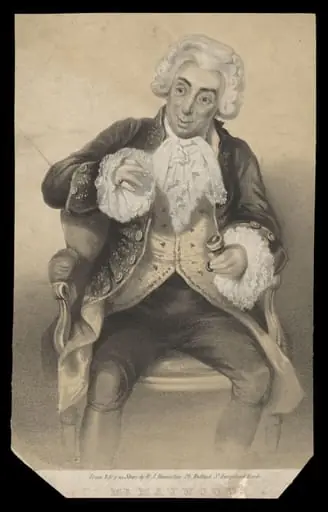
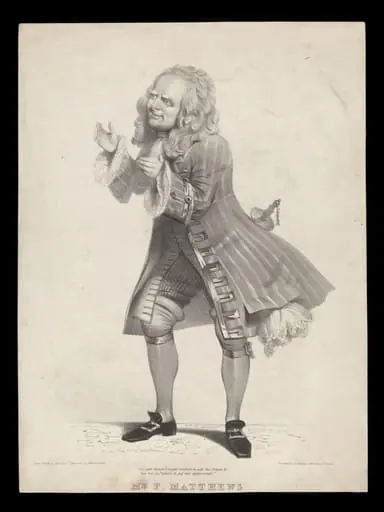
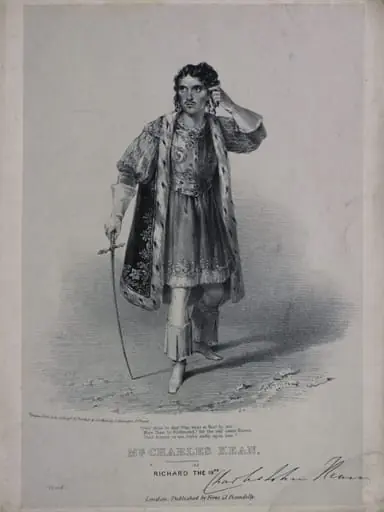
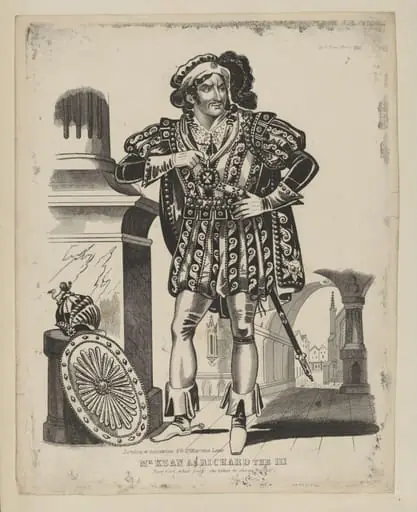
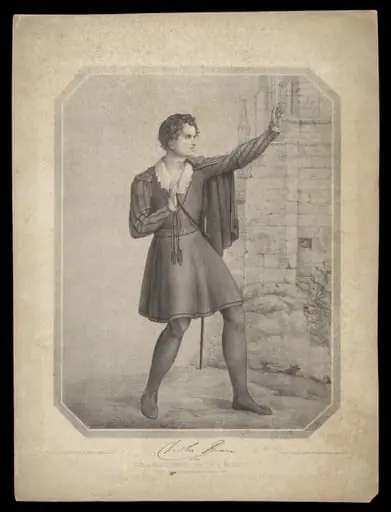
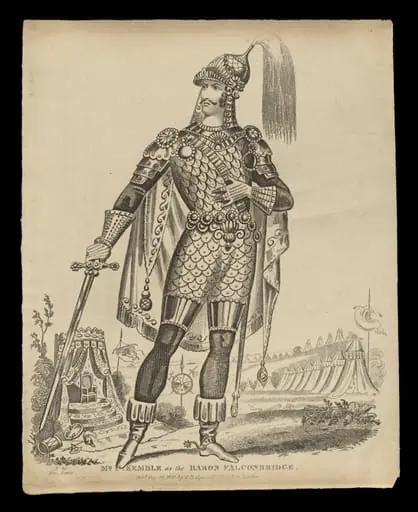
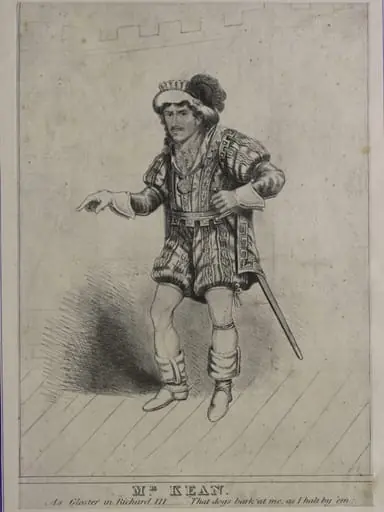
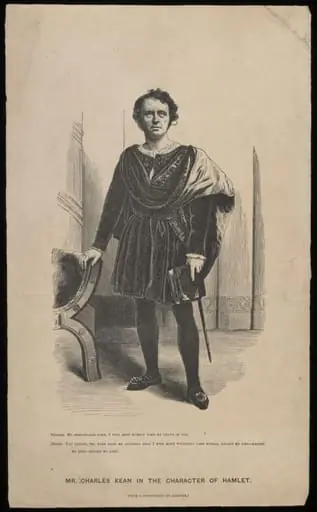
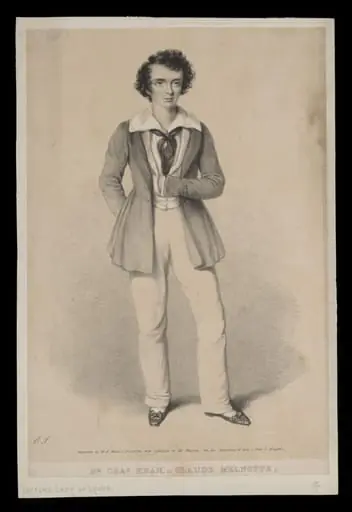
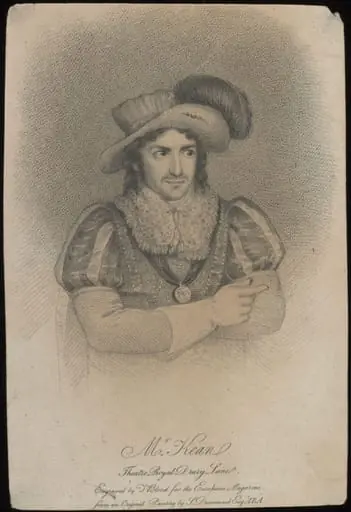
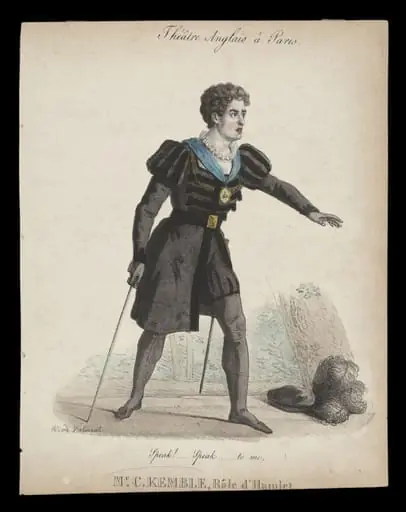
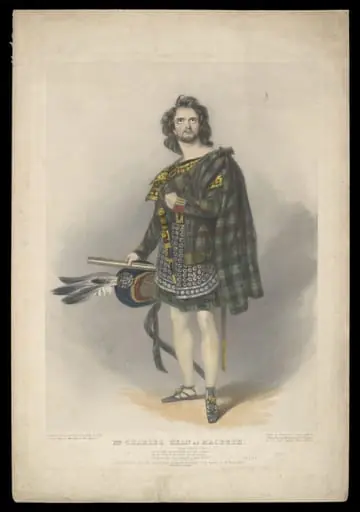
This print, produced in the 1830s–1840s, depicts the actor Charles John Kean in costume as Sir Giles Overreach, a character from Philip Massinger’s play New Way to Pay Old Debts. The image was created by the English printmaker Robert Jacob Hamerton and distributed in London by the firm Welch & Gwynne.
Subject & Meaning
The portrait captures Kean mid‑performance, emphasizing the dramatic intensity of the greedy merchant Sir Giles. By presenting a celebrated actor in a notable role, the work serves both as a visual record of theatrical production and as a promotional image for the play’s contemporary audience.
Technique & Style
Hamerton employed the typical early‑Victorian print techniques of line engraving and stippling to render fine details of costume and facial expression. The composition balances a clear focal point on Kean’s face with enough background suggestion to situate the figure within a stage setting.
History & Provenance
The print was issued by the London printer P. Martin & Co., a firm known for theatrical portraits, and sold through the bookseller and publisher Welch & Gwynne. It circulated among theatre patrons and collectors during the period when Kean’s performances were at the height of public interest.
Context
Charles John Kean (1809–1868) was a leading actor of his generation, renowned for his Shakespearean roles. His portrayal of Sir Giles Overreach was part of a broader revival of early 17th‑century drama in the 1830s, reflecting Victorian audiences’ renewed appetite for historical plays.
Artist & collection
Artist
These 19th-century prints show everyday scenes and figures in crisp lines, typical of British illustration before photography took over.