Artwork
Frederick North, Later Fifth Earl of Guilford, in Rome
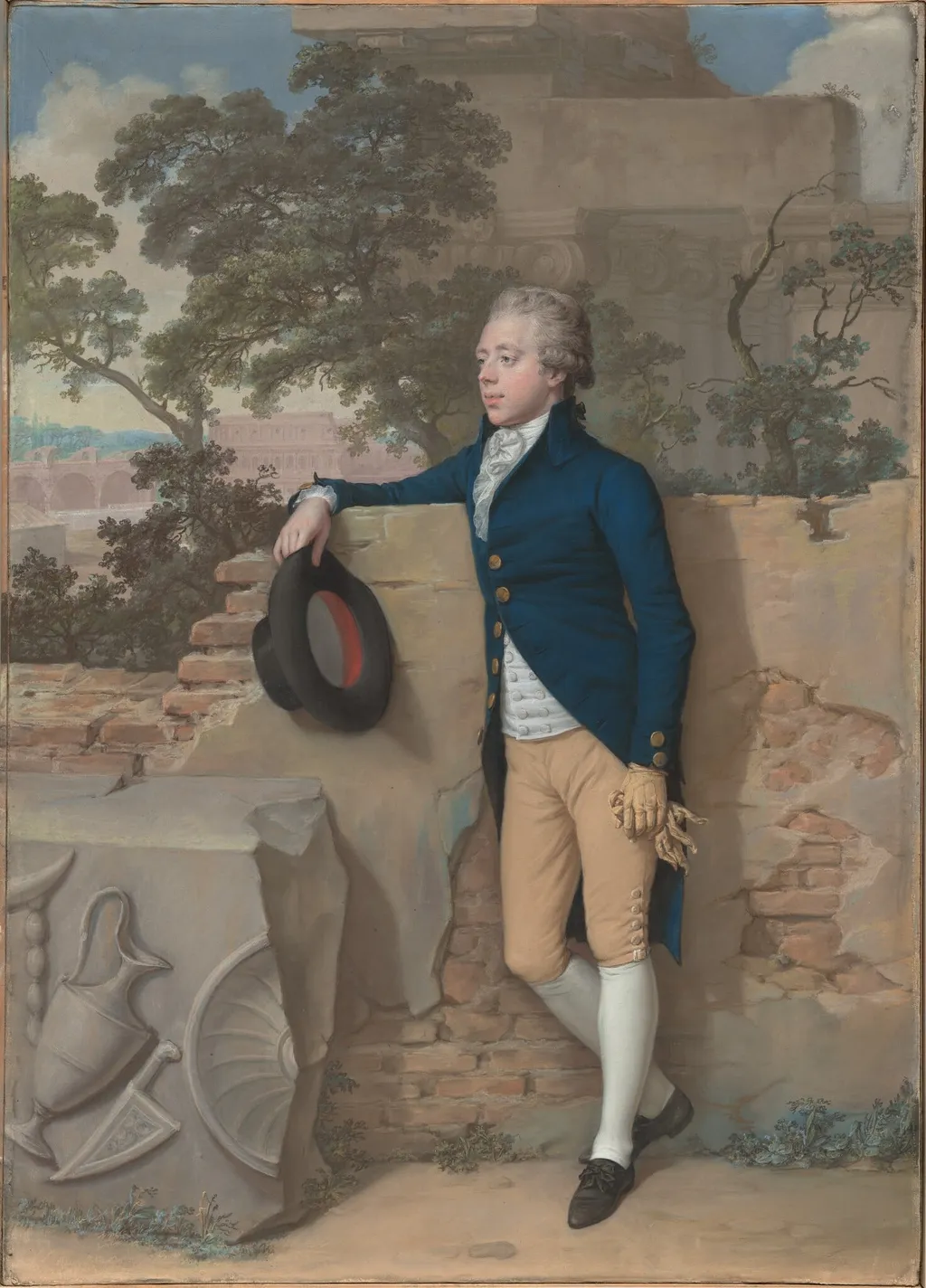
Frederick North, Later Fifth Earl of Guilford, in Rome is a pastel drawing by the Romanticist artist Hugh Douglas Hamilton. It dates from 1790 and is held in the collection of the National Gallery of Art. Created in 1790, this portrait depicts Frederick North, who would later become the Fifth Earl of Guilford, during his time in Rome.
About this work
The painting is titled Frederick North, Later Fifth Earl of Guilford, in Rome.
It was created in 1790 by Hamilton, Hugh Douglas.
The artist used a mix of pastel, gouache, and graphite on paper to create this work.
This painting is part of the Romanticism movement, which focused on emotion and individualism.
To learn more about this style, look into the movement: Romanticism.
Overview
Created in 1790, this portrait depicts Frederick North, who would later become the Fifth Earl of Guilford, during his time in Rome.
Created in 1790, this portrait depicts Frederick North, who would later become the Fifth Earl of Guilford, during his time in Rome. The work is executed in pastel, gouache, and graphite on paper, mounted onto canvas stretched over a wooden frame. It reflects the transitional phase in Hugh Douglas Hamilton’s career, when he was refining his approach to portraiture using mixed media on a support more typical of oil painting.
Subject & Meaning
Frederick North, a British statesman and former Prime Minister, is portrayed not in formal attire but as a traveler immersed in the cultural landscape of Rome. The setting suggests introspection and personal reflection, aligning with the era’s growing interest in individual experience. His posture and gaze convey quiet contemplation rather than political authority, emphasizing his identity beyond public office.
Technique & Style
Hamilton combined the softness of pastel with the opacity of gouache and the precision of graphite to achieve nuanced texture and subtle tonal shifts. The application is delicate yet deliberate, with layered strokes building form without heavy outlines. Mounting the paper on canvas allowed for greater stability and a more monumental presence, bridging the conventions of drawing and painting.
History & Provenance
The portrait was made during Hamilton’s extended stays in Italy, following his earlier success in London. By 1790, he was nearing the end of his active career before relocating to Dublin. The work likely originated as a private commission, possibly linked to North’s travels through the Grand Tour. Its survival in this format suggests it was valued as a personal memento rather than a public statement.
Context
In late 18th-century Europe, portraiture increasingly emphasized personal character over social status. Artists like Hamilton responded to this shift by blending techniques traditionally reserved for different genres. Rome, as a hub for British travelers and intellectuals, provided a setting where identity, antiquity, and individualism converged — themes central to the emerging Romantic sensibility.
Legacy
Hamilton’s use of mixed media in portraiture influenced later Irish and British artists seeking alternatives to oil paint. While not widely celebrated in his time, his work contributed to a broader acceptance of drawing as a serious medium for finished portraits. This piece remains a quiet example of how personal expression began to reshape formal portraiture in the late Enlightenment.
Artist & collection
Artist
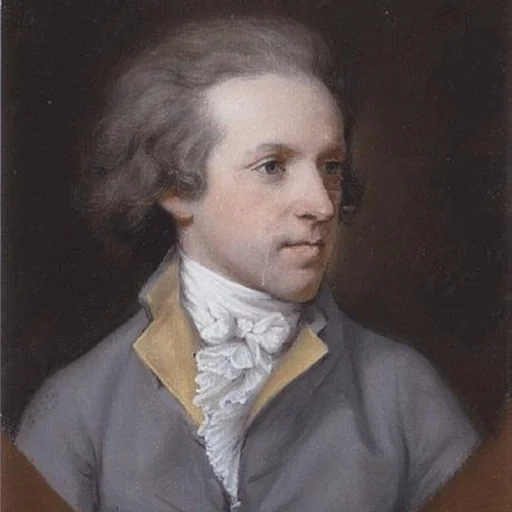
Hugh Douglas Hamilton RHA (c. 1739 – 10 February 1808) was an Irish painter who specialised in portrait painting. He spent considerable periods in London and Rome before returning to Dublin in the early 1790s. Until the…

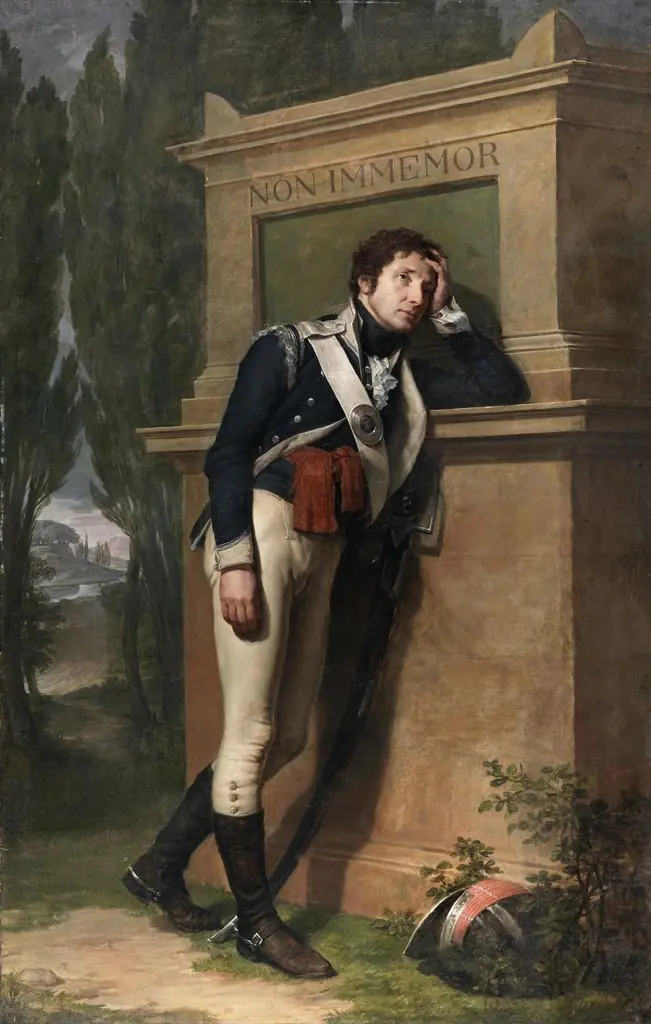 Portrait of Lieutenant Richard Mansergh Saint George (1756/9-1798)
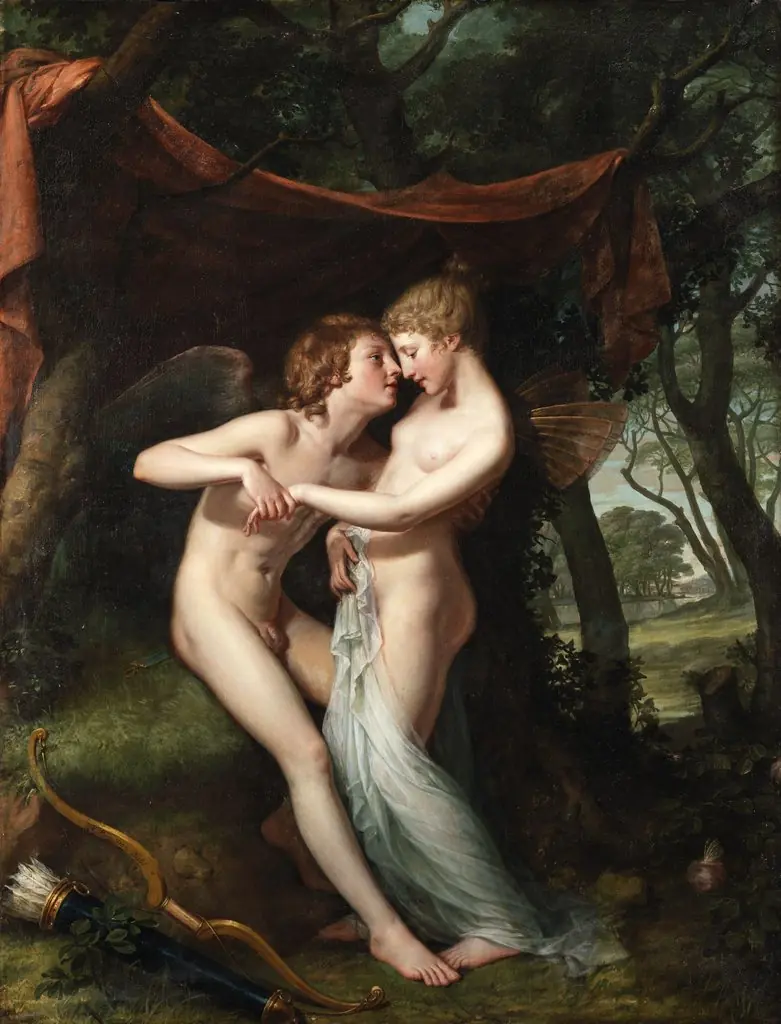 Cupid and Psyche in the Nuptial Bower
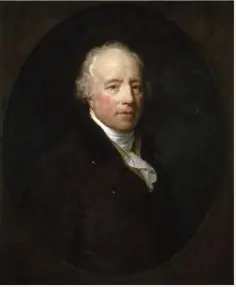 Portrait of Richard Lovell Edgeworth (1744-1817)
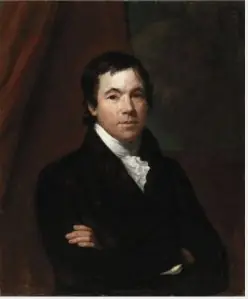 Portrait of John Philpot Curran (1750-1817)
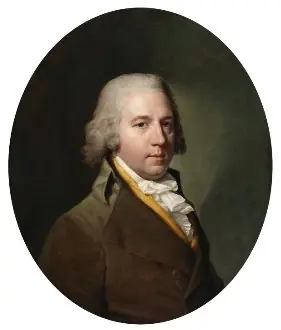 Portrait of a Gentleman
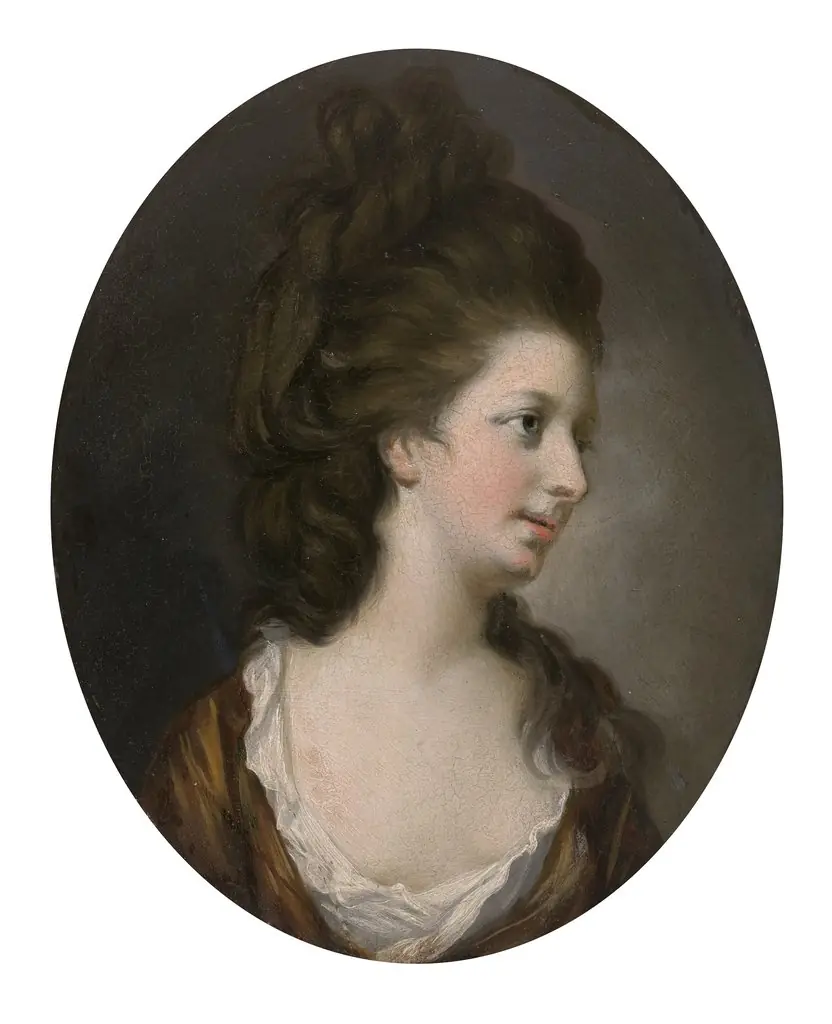 Portrait of The Hon. Mrs John Beresford (née Montgomery) (?1757-1788)
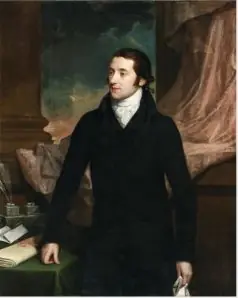 Portrait of William Cusack-Smith, later 2nd Bt (1766-1836)
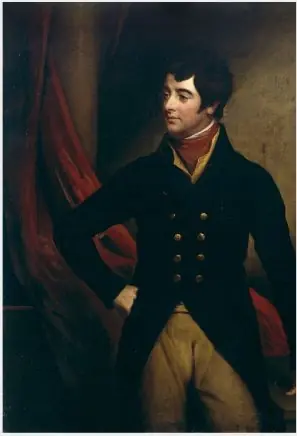 Portrait of Lord Edward FitzGerald (1763-1798)
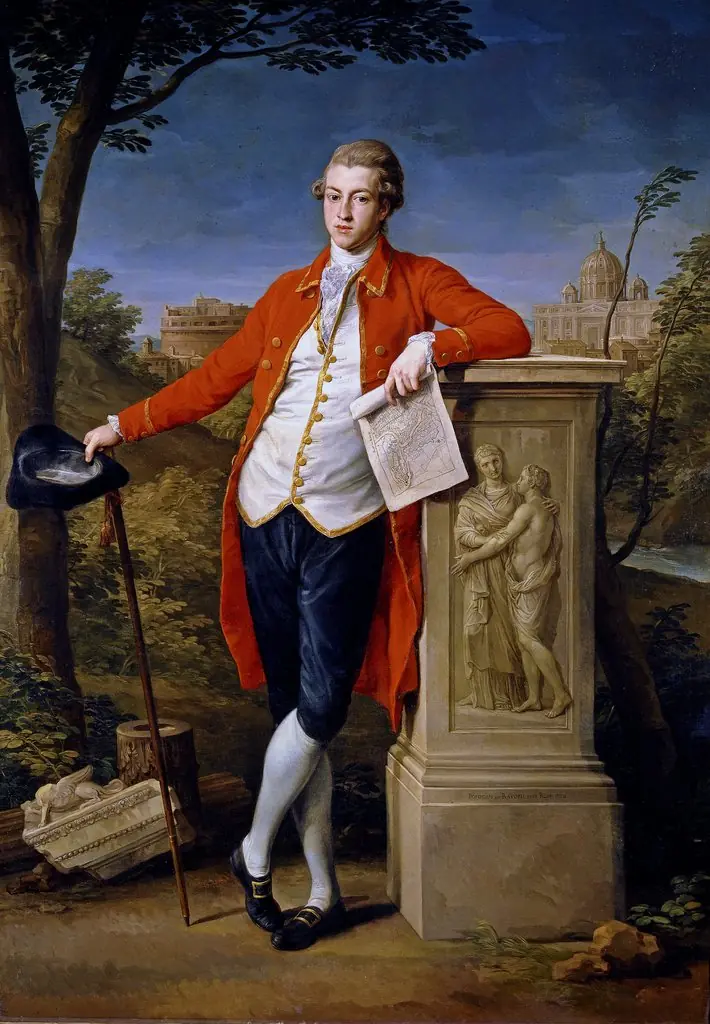 Francis Basset, I Baron of Dunstanville
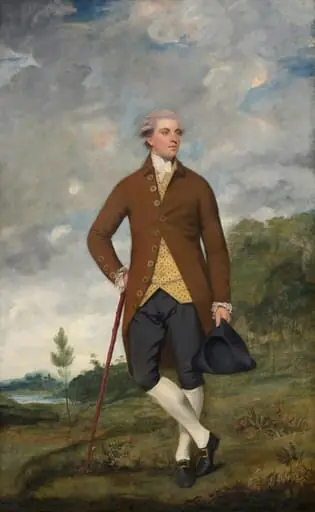 John Musters
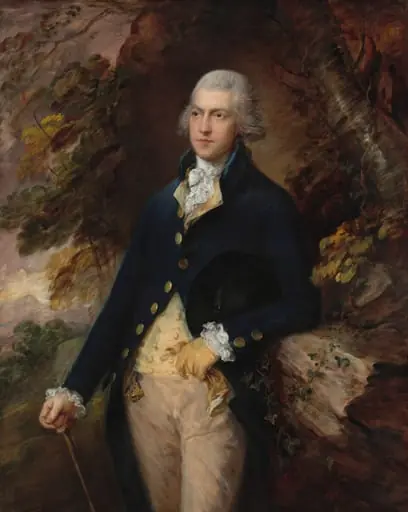 Francis Basset, Lord de Dunstanville
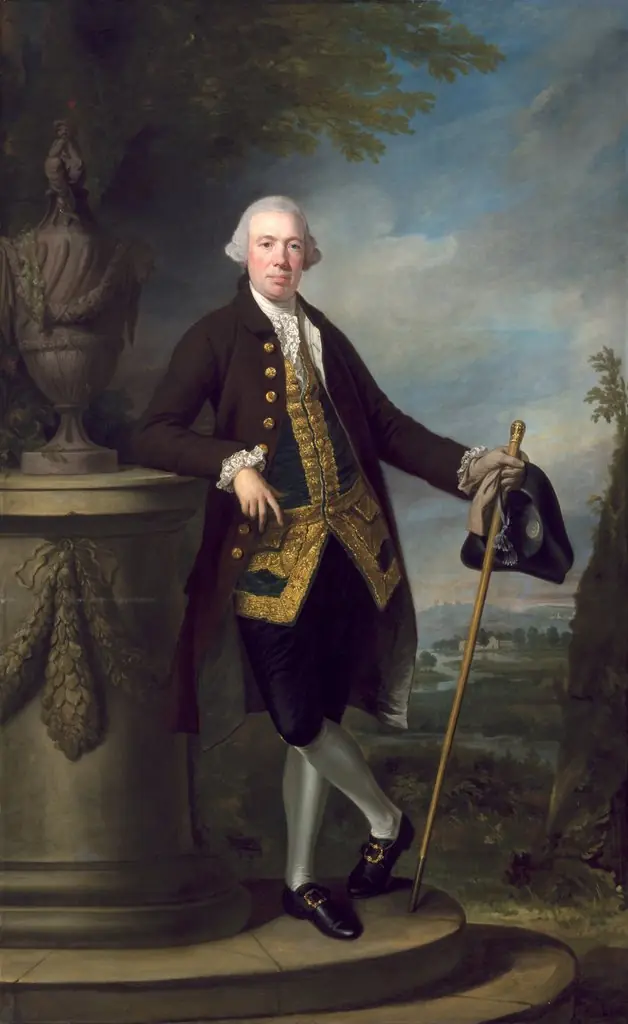 William Denison
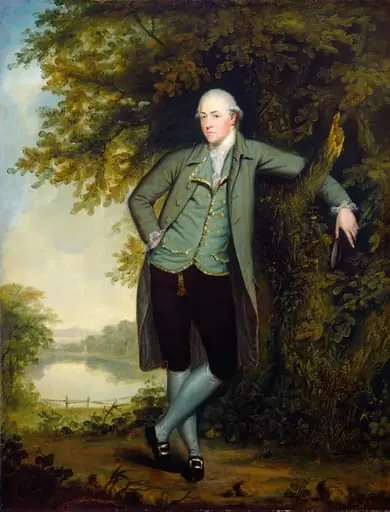 Lord Algernon Percy
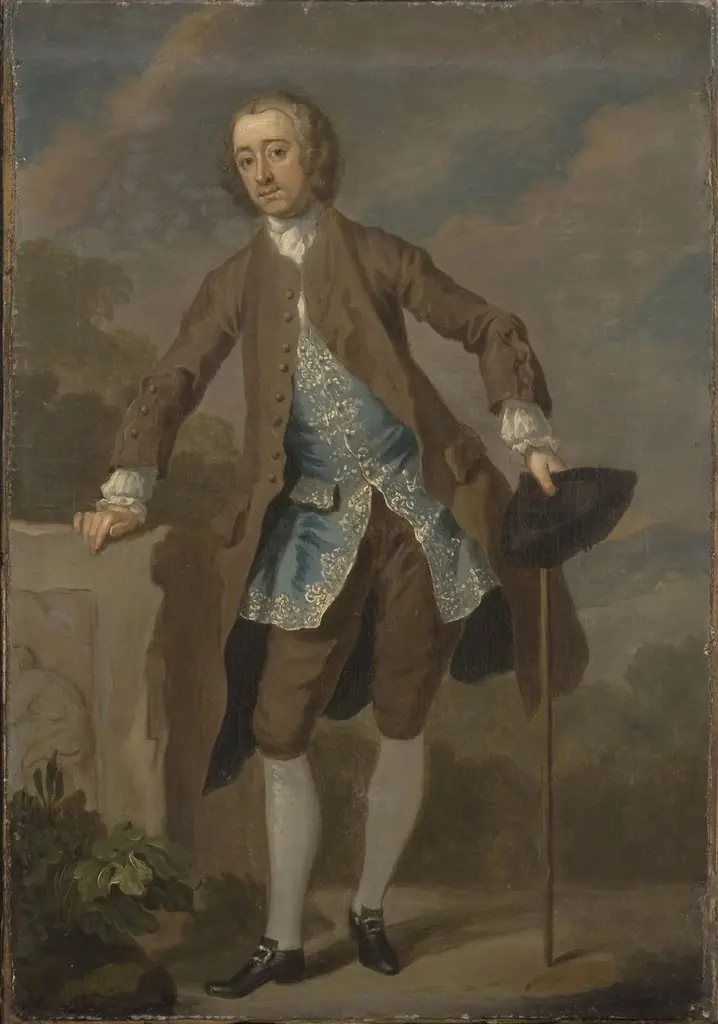 Portrait of Gustavus Hamilton, 2nd Viscount Boyne
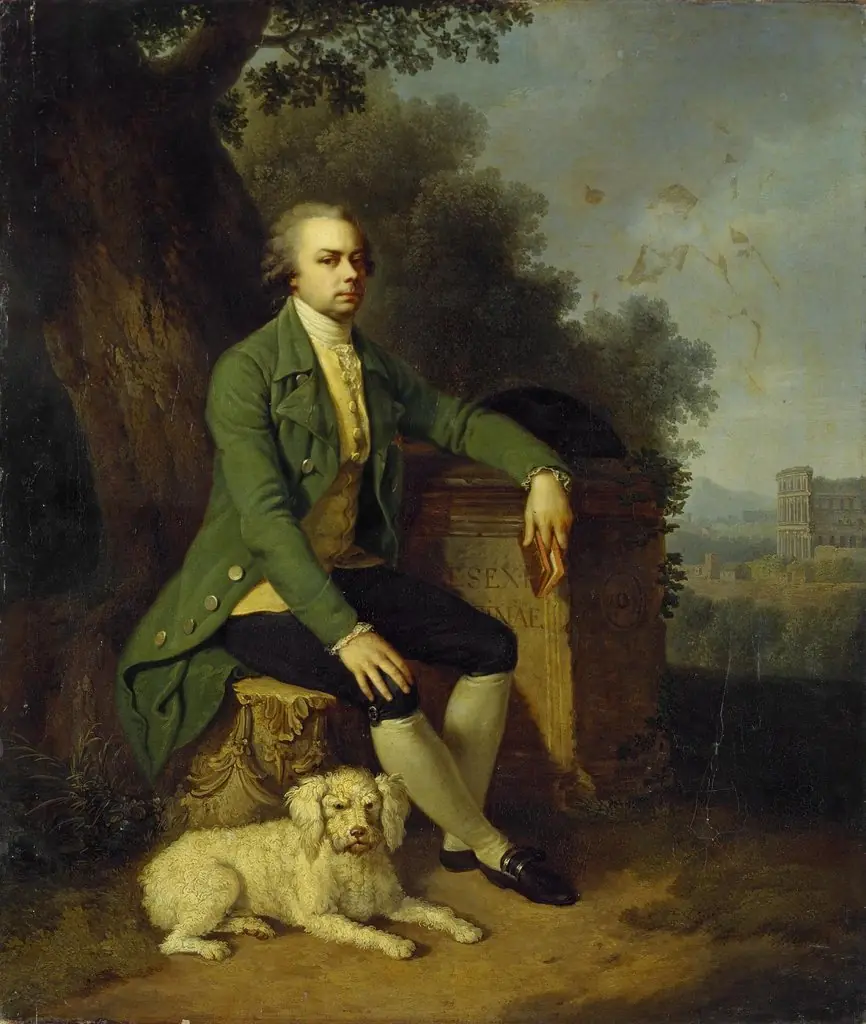 Portrait of Prince Nikolai Yusupov with a Dog
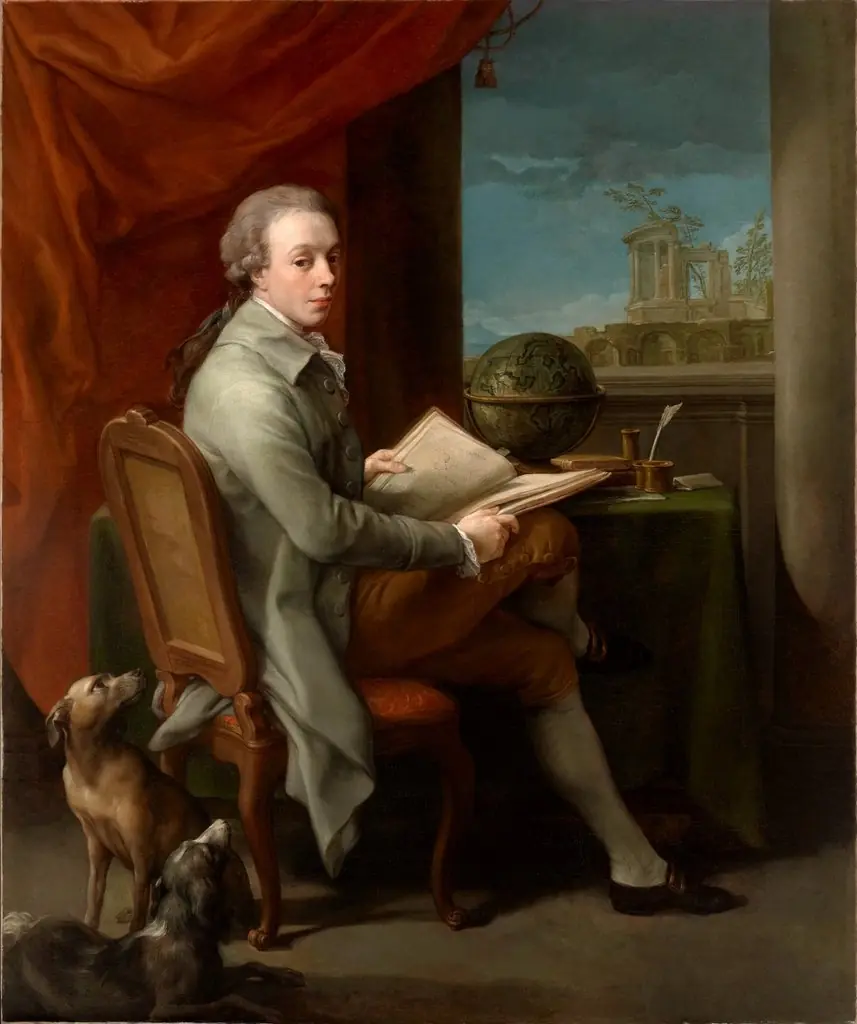 Thomas Taylour, Viscount of Headfort, later 2nd Earl of Bective and 1st Marquess of Headfort (1757–1829)
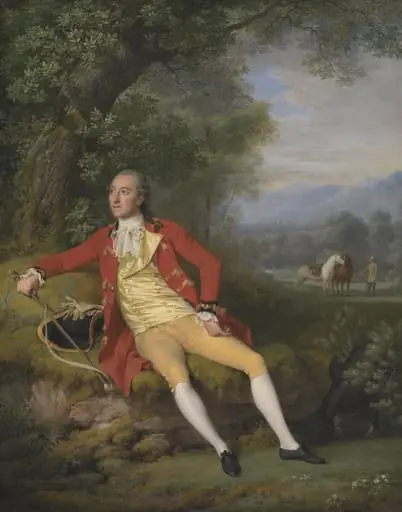 Portrait of an Envoy to the French and English Courts
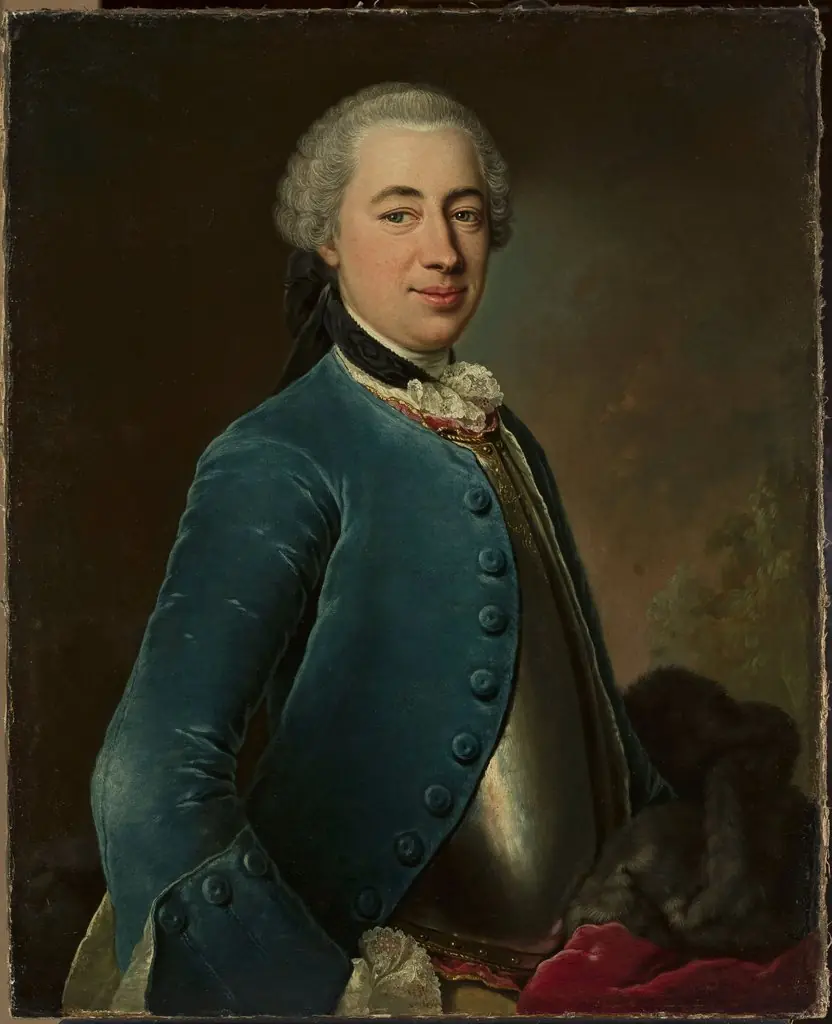 Portrait of a man in armour
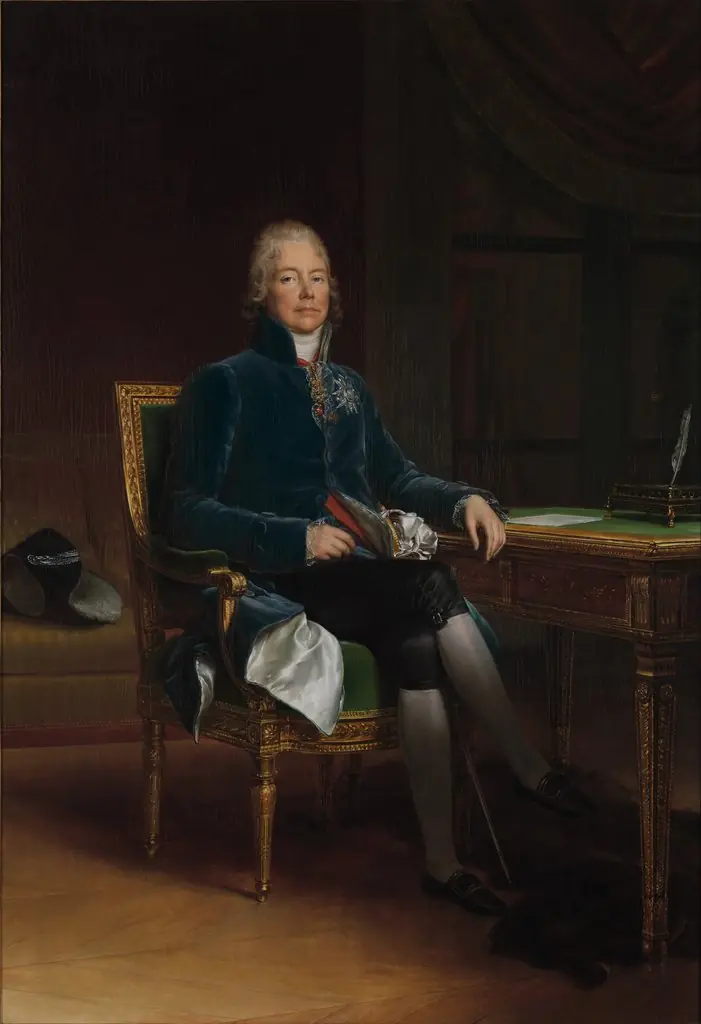 Charles Maurice de Talleyrand Périgord (1754–1838), Prince de Bénévent
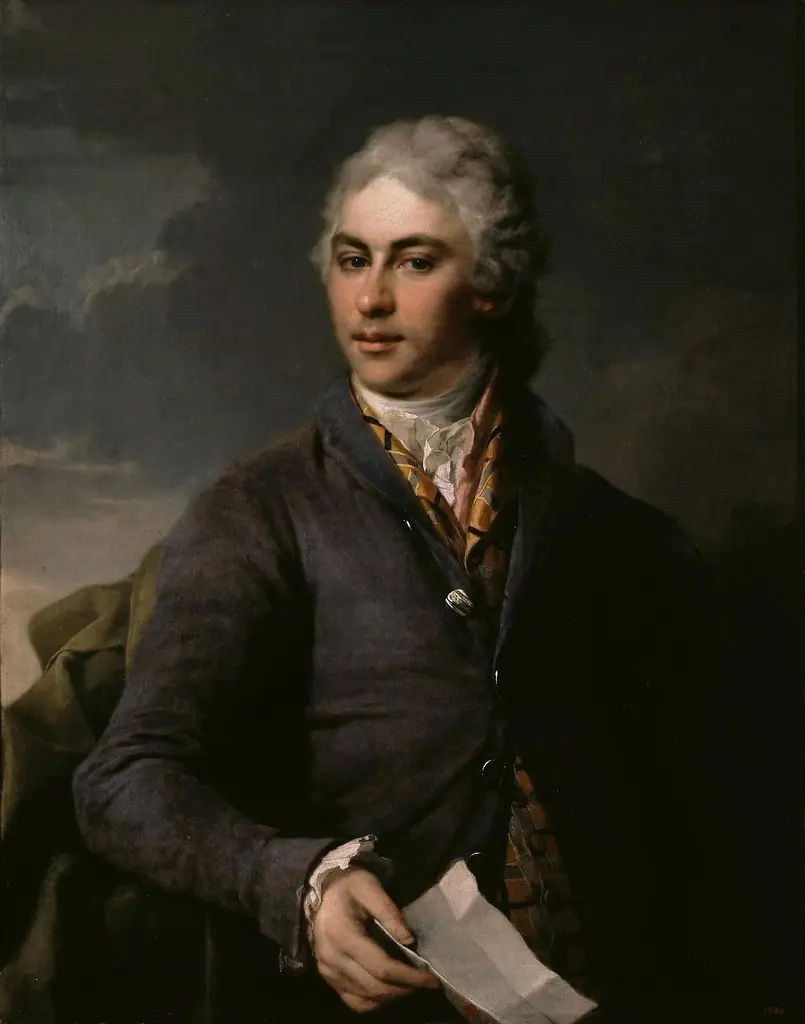 Portrait of Yakov Bilibin