Artwork
Christ on the Cross with Mary, St. John, Mary Magdalen and St. Stephen
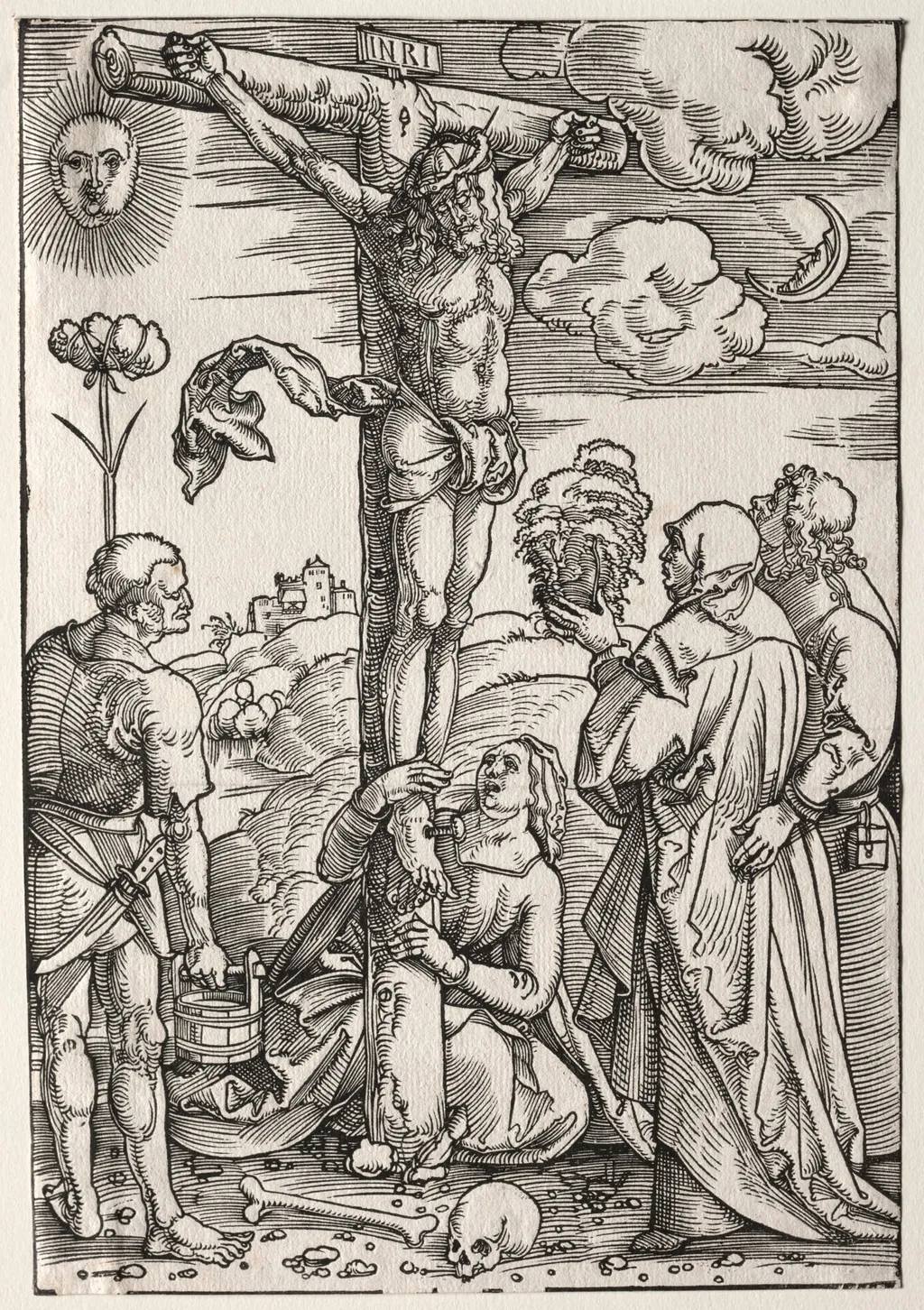
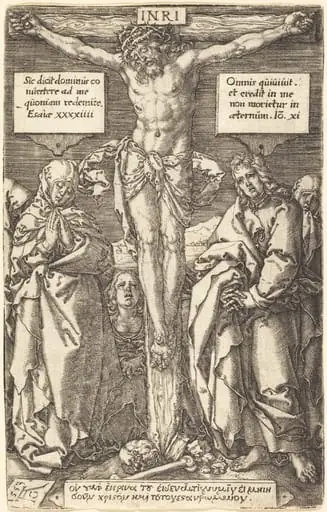
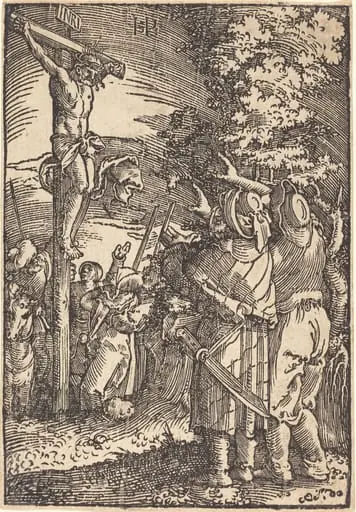
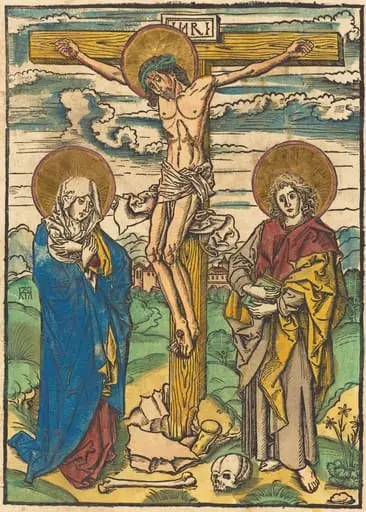
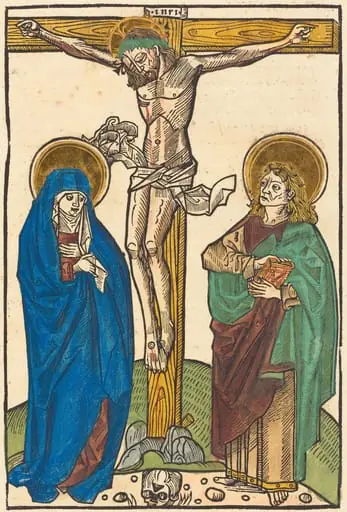
Christ on the Cross with Mary, St. John, Mary Magdalen and St. Stephen is a print by the Renaissance artist Hans Baldung Grien. It dates from 1505 and is held in the collection of the Cleveland Museum of Art. Created in 1505 by Hans Baldung, this woodcut depicts the crucifixion of Christ surrounded by four figures: the Virgin Mary, St.
About this work
Overview
Executed during the early German Renaissance, the work reflects Baldung’s training under Albrecht Dürer and his emerging personal style.
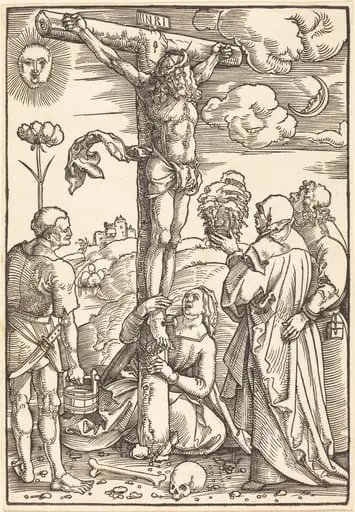
Created in 1505 by Hans Baldung, this woodcut depicts the crucifixion of Christ surrounded by four figures: the Virgin Mary, St. John the Evangelist, Mary Magdalene, and St. Stephen. Executed during the early German Renaissance, the work reflects Baldung’s training under Albrecht Dürer and his emerging personal style. The composition is tightly focused, with minimal background detail, emphasizing the emotional gravity of the scene.
Subject & Meaning
The scene centers on Christ’s sacrifice, framed by mourners who embody different responses to his death. Mary and John represent grief and fidelity, while Mary Magdalene kneels in devotion. St. Stephen, the first Christian martyr, links Christ’s passion to the early Church’s suffering. Beneath the cross, a skull and bones allude to Golgotha, the Place of the Skull, reinforcing themes of death and redemption.
Technique & Style
Baldung employed fine, precise lines typical of woodcut printing to render anatomical detail and drapery with striking clarity. The figures are elongated and emotionally charged, showing early Mannerist tendencies. Contrast between light and shadow, especially in the clouded sky and the sun breaking through, adds dramatic tension. The background’s sparse landscape keeps focus on the central figures and their symbolic gestures.
History & Provenance
The print entered the Cleveland Museum of Art’s collection in the 20th century, though its earlier ownership is not fully documented. Created during Baldung’s formative years, it reflects the influence of Dürer’s printmaking traditions while signaling his departure toward more expressive, individualized religious imagery. Its survival in good condition offers insight into early 16th-century devotional print circulation.
Context
In 1505, Germany was a center of religious and artistic ferment, with printmaking enabling wide dissemination of biblical imagery. Baldung’s depiction aligns with devotional practices that emphasized personal meditation on Christ’s suffering. The inclusion of St. Stephen, less common in crucifixion scenes, suggests a local or patron-specific devotion, possibly tied to liturgical observances in Swabia or the Rhineland.
Legacy
Baldung’s work contributed to the evolution of Protestant-era religious imagery, blending emotional intensity with technical precision. Though not widely reproduced, this print exemplifies how German artists adapted traditional iconography to convey psychological depth. Its preservation in a major museum underscores its role in understanding the transition from late Gothic piety to Renaissance humanism in Northern Europe.
Artist & collection
Artist
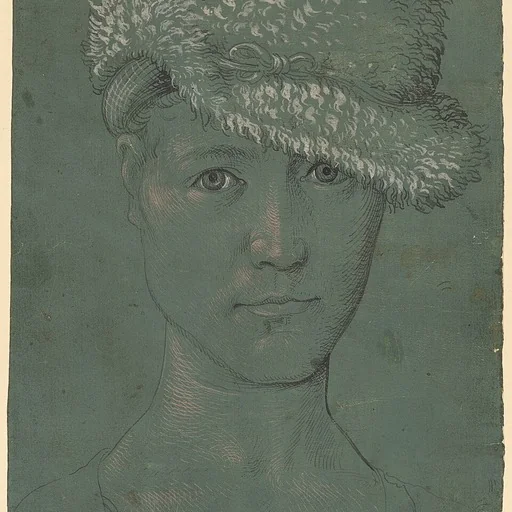
Hans Baldung (1484 or 1485 – September 1545), called Hans Baldung Grien, (being an early nickname, because of his predilection for the colour green), was a painter, printer, engraver, draftsman, and stained glass…