Artwork
Christ on the Cross
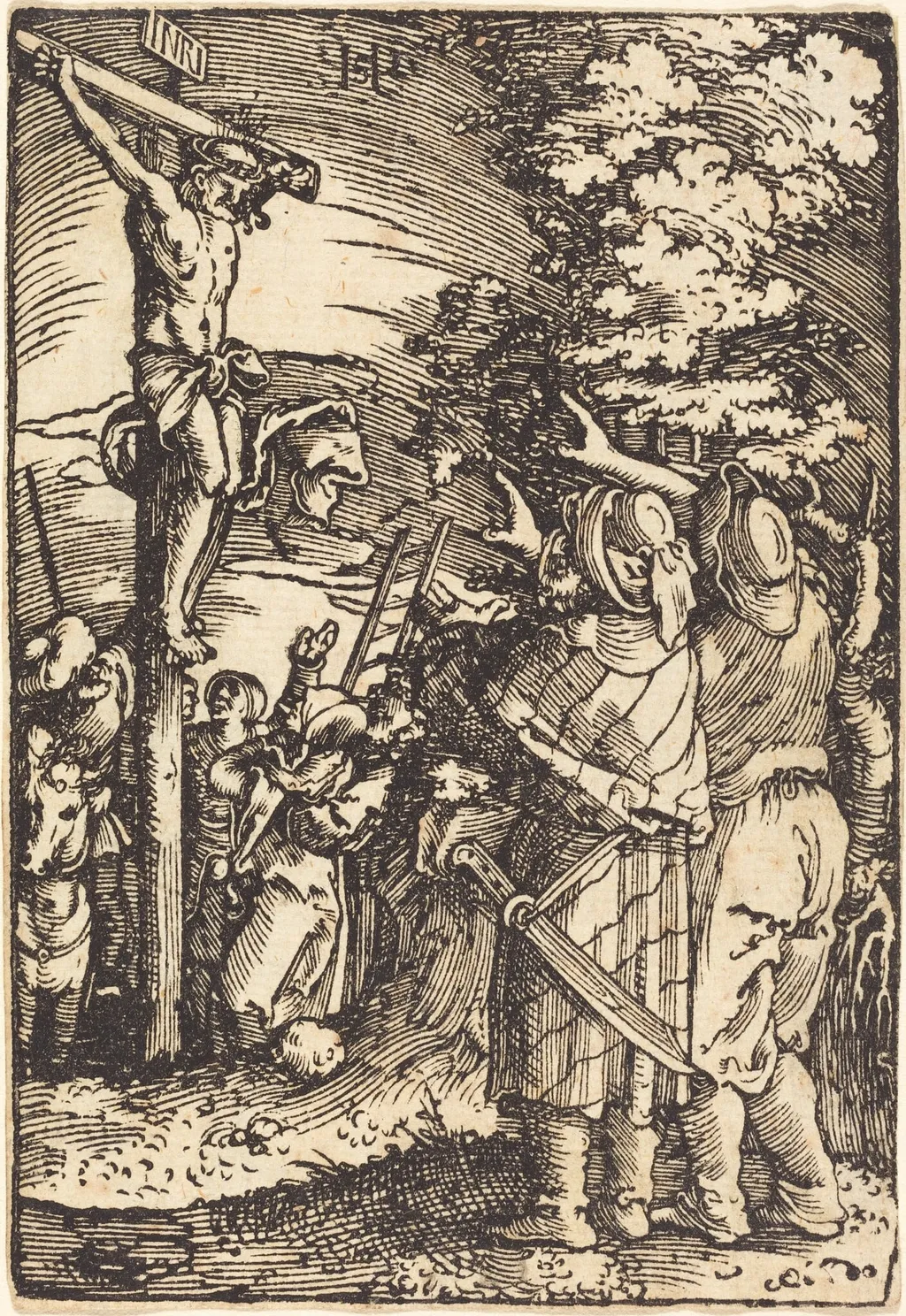
Christ on the Cross is an ink print by the Renaissance artist Sebald Beham. It dates from 1521 and is held in the collection of the National Gallery of Art.
About this work
Overview
Sebald Beham, a Nuremberg-born printmaker of the early 16th century, produced *Christ on the Cross* in 1521 as a woodcut.
Sebald Beham, a Nuremberg-born printmaker of the early 16th century, produced *Christ on the Cross* in 1521 as a woodcut. A member of the group known as the Little Masters, he specialized in small, finely detailed prints. This work exemplifies his technical precision and engagement with religious subjects during a period of intense spiritual and artistic change in Germany, following the influence of Albrecht Dürer.
Subject & Meaning
The scene depicts Christ crucified, centrally positioned against a muted landscape. Figures in the foreground include a man holding a sword and another gesturing toward the cross, suggesting witnesses or participants in the event. The composition emphasizes solemnity and contemplation, aligning with Protestant devotional practices of the time that encouraged personal meditation on Christ’s sacrifice.
Technique & Style
Beham employed fine, controlled lines typical of woodcut engraving to render texture and volume. Subtle contrasts of light and shadow, though limited by the medium, create a sense of spatial depth and emotional gravity. The intricate detailing of figures and foliage reflects his mastery of small-scale printmaking, where clarity and economy of line were essential to convey narrative and mood.
History & Provenance
Created in 1521, the woodcut emerged during Beham’s early career, before his later exile due to religious and political tensions. It was likely produced for private devotion or as part of a series of religious prints circulating among educated audiences. No specific early ownership records are documented, but similar works by Beham were widely distributed across German-speaking regions.
Context
In 1521, the Protestant Reformation was gaining momentum, and religious imagery was being reevaluated. Beham’s work, though rooted in traditional iconography, reflects a shift toward intimate, emotionally restrained depictions suited to individual piety. His woodcuts, often used in books or as standalone devotional images, catered to a growing literate middle class seeking accessible spiritual content.
Legacy
Beham’s *Christ on the Cross* stands as an example of how printmaking extended religious imagery beyond altarpieces into domestic spaces. His precise technique influenced later generations of German printmakers, and his ability to convey profound emotion within small formats helped define the aesthetic of the Little Masters, bridging late medieval tradition and early Reformation sensibilities.
Artist & collection
Artist
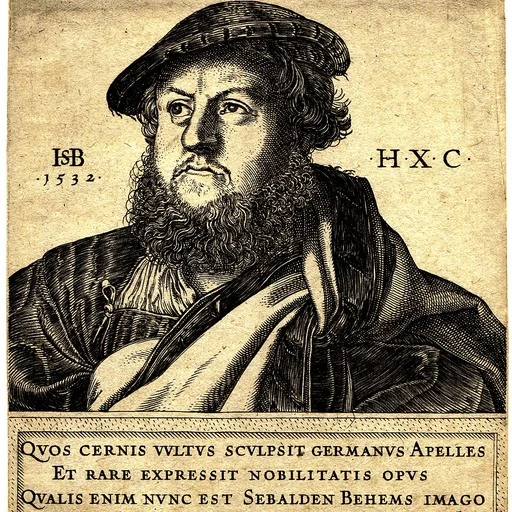
Sebald Beham (1500–1550) was a German painter and printmaker, mainly known for his very small engravings.


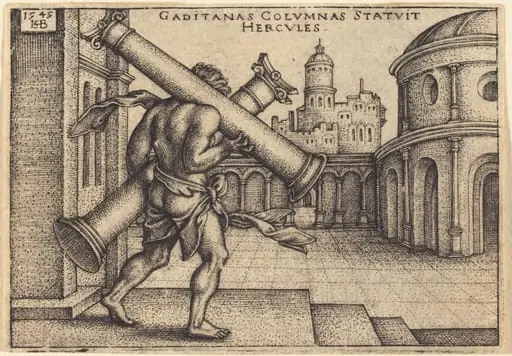
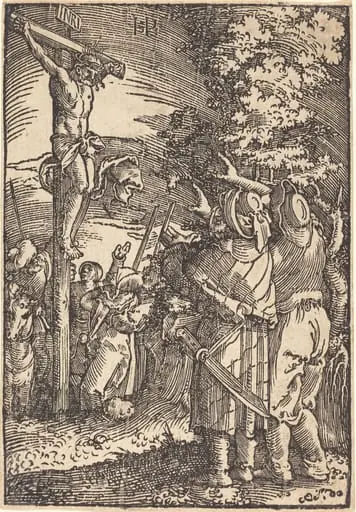 Christ on the Cross
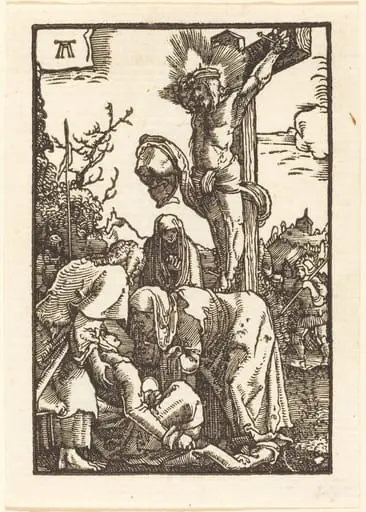 Christ on the Cross
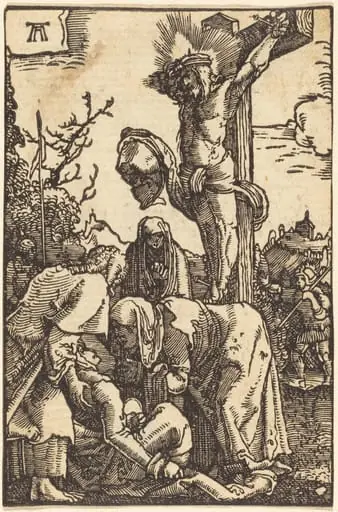 Christ on the Cross
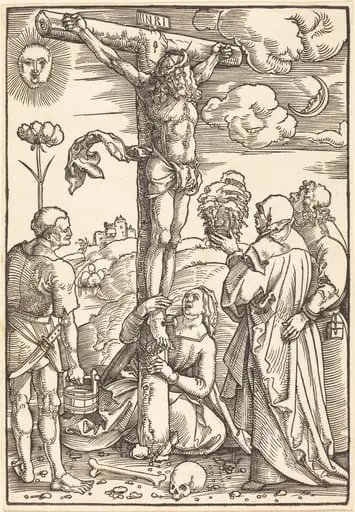 Christ on the Cross
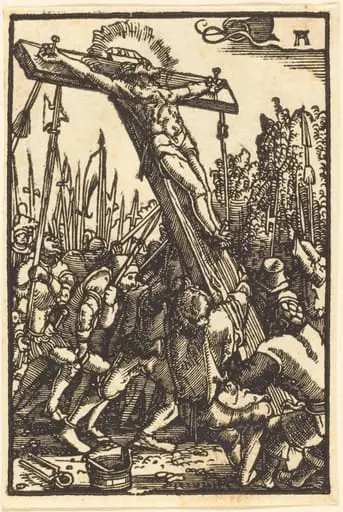 Raising of the Cross
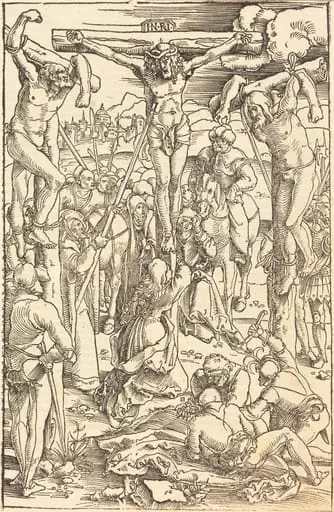 Christ on the Cross
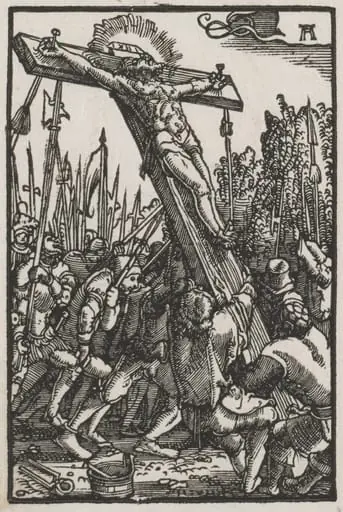 The Fall and Redemption of Man: The Raising of the Cross
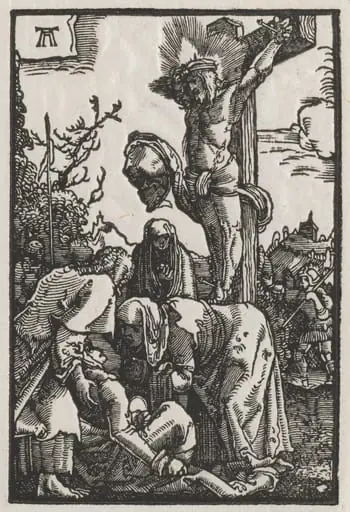 The Fall and Redemption of Man: Christ on the Cross
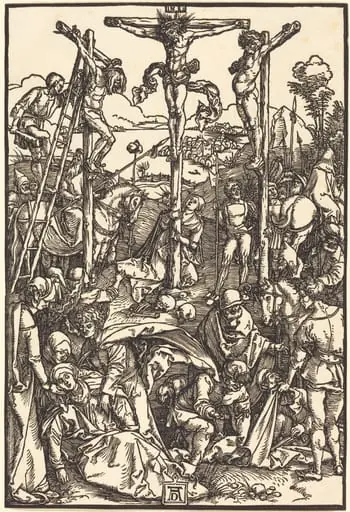 Calvary with the Three Crosses
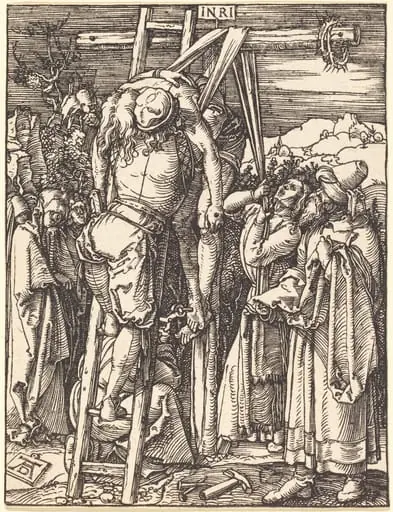 The Descent from the Cross
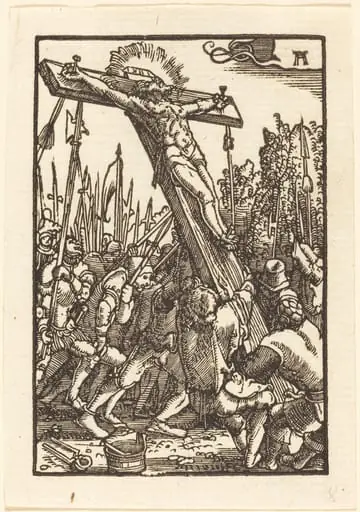 Raising of the Cross
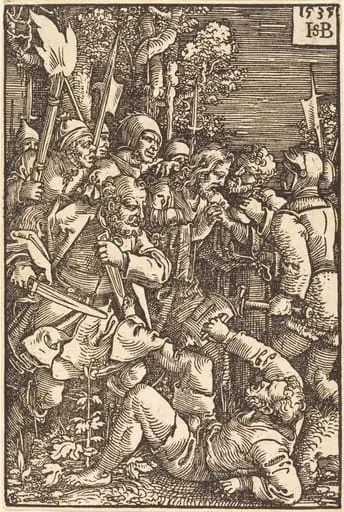 The Betrayal of Christ