Artwork
View of the Tip of the Seraglio with Topkapı Palace
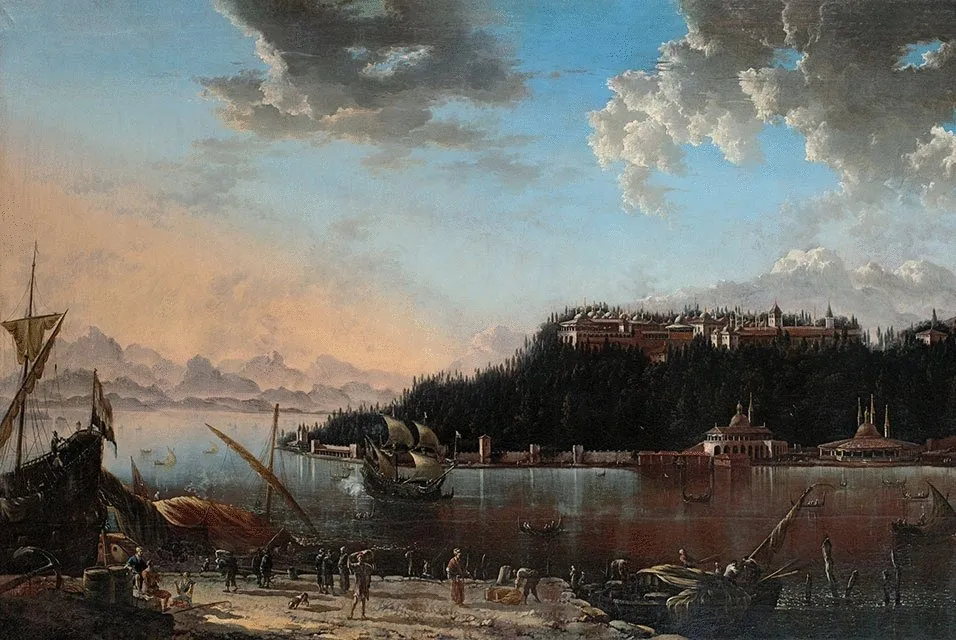
View of the Tip of the Seraglio with Topkapı Palace is an oil painting by the Flemish Baroque painting artist Hans de Jode. It dates from 1659 and is held in the collection of the Kunsthistorisches Museum.
About this work
Overview
The painting is part of the Kunsthistorisches Museum’s collection, reflecting 17th-century European interest in Ottoman architecture and landscape.
Painted in 1659 by the Dutch artist Hans de Jode, this oil-on-canvas work captures a panoramic view of the Seraglio Point in Istanbul, with Topkapı Palace rising on the hillside. De Jode, known for maritime and topographical scenes, produced this during his time in Vienna, where he engaged with a community of Northern European artists serving the Habsburg court. The painting is part of the Kunsthistorisches Museum’s collection, reflecting 17th-century European interest in Ottoman architecture and landscape.
Subject & Meaning
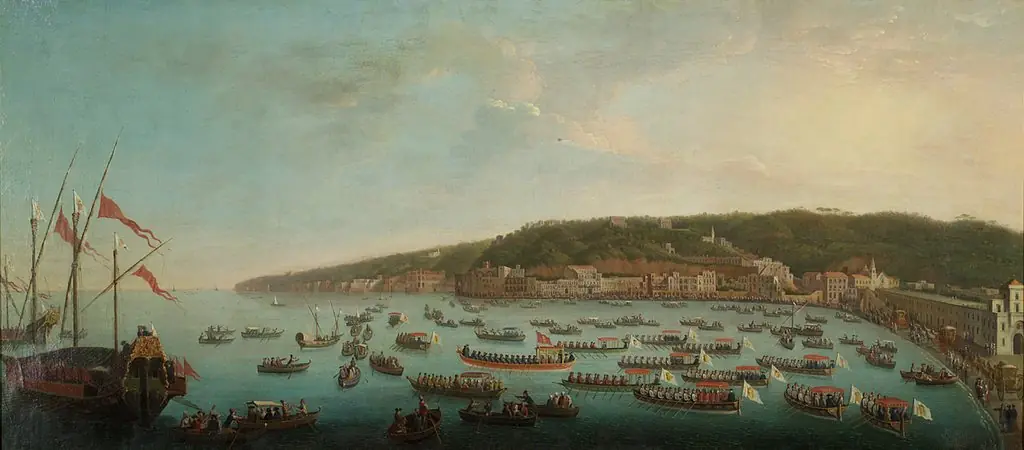
The scene presents the Seraglio promontory as a bustling waterfront, with Topkapı Palace dominating the skyline. Boats with tall masts anchor in the harbor, while figures dot the shore near modest structures and rocky outcrops. The composition suggests a quiet observation of daily life rather than a grand political statement. The palace, rendered with architectural precision, functions as both a landmark and a symbol of distant imperial power, viewed through the lens of a foreign observer.
Technique & Style
De Jode employs oil paint to achieve subtle gradations of light and atmosphere, particularly in the sky, where dark clouds on the left contrast with a soft, pink-tinged glow on the right. The water reflects these tones with muted highlights, enhancing the sense of depth. Buildings and figures are rendered with restrained detail, allowing the interplay of light and shadow to guide the viewer’s eye. This approach aligns with Flemish Baroque tendencies, emphasizing mood over narrative.
History & Provenance
Created during de Jode’s tenure in Vienna, the painting likely originated as part of a broader interest among Habsburg patrons in documenting foreign courts and landscapes. It entered the Kunsthistorisches Museum’s holdings through imperial collections, possibly acquired during the 17th or early 18th century. Its preservation reflects the museum’s long-standing commitment to documenting European artistic responses to the Ottoman world.
Context
In the mid-17th century, Dutch and Flemish artists frequently traveled to Southern Europe and the Eastern Mediterranean, drawn by commercial and diplomatic opportunities. De Jode’s work fits within a tradition of topographical views produced for Northern European audiences curious about Ottoman Istanbul. These paintings balanced accuracy with aesthetic convention, offering both documentation and romanticized spectacle.
Legacy
Though not widely known today, de Jode’s painting contributes to a body of early modern European depictions of Istanbul that influenced later orientalist imagery. Its restrained tone and attention to atmospheric effects distinguish it from more theatrical interpretations. As a record of how Northern artists perceived the Ottoman capital, it remains a valuable artifact of cross-cultural visual exchange in the Baroque era.
Artist & collection
Artist
Hans de Jode or Jan de Jode (The Hague, 1630 – Vienna, after 1662) was a Dutch painter known for his marine paintings, harbour scenes and Italianate landscapes.

 View of Tunis
 View of the Gulf of Naples
 View of the Gulf of Naples
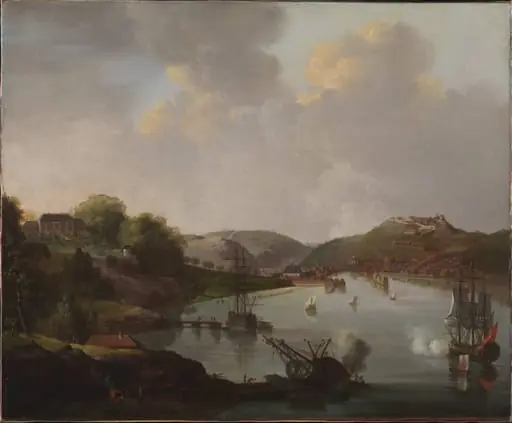 Udsigt over Frederikshald i Norge
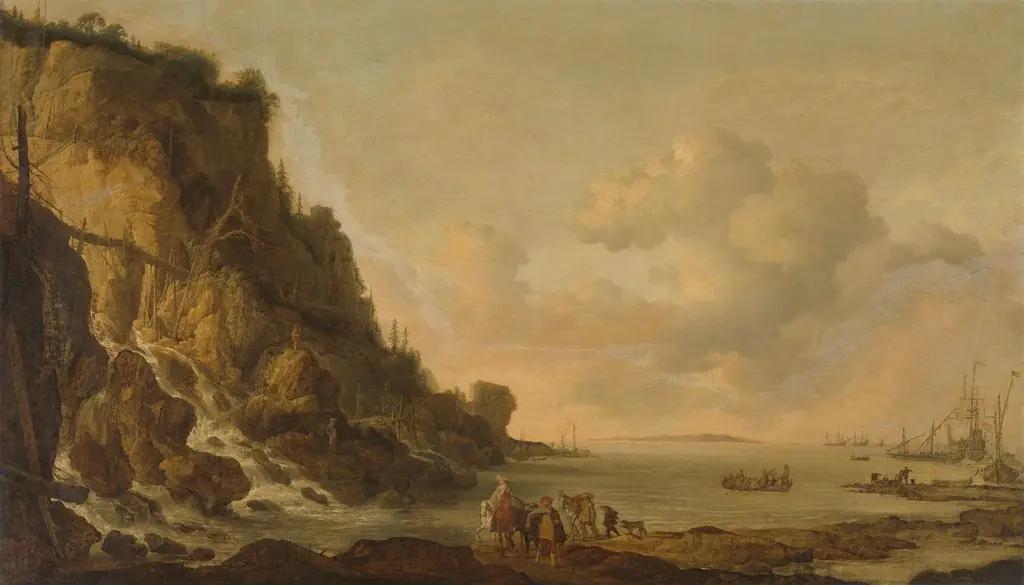 Rocky coast
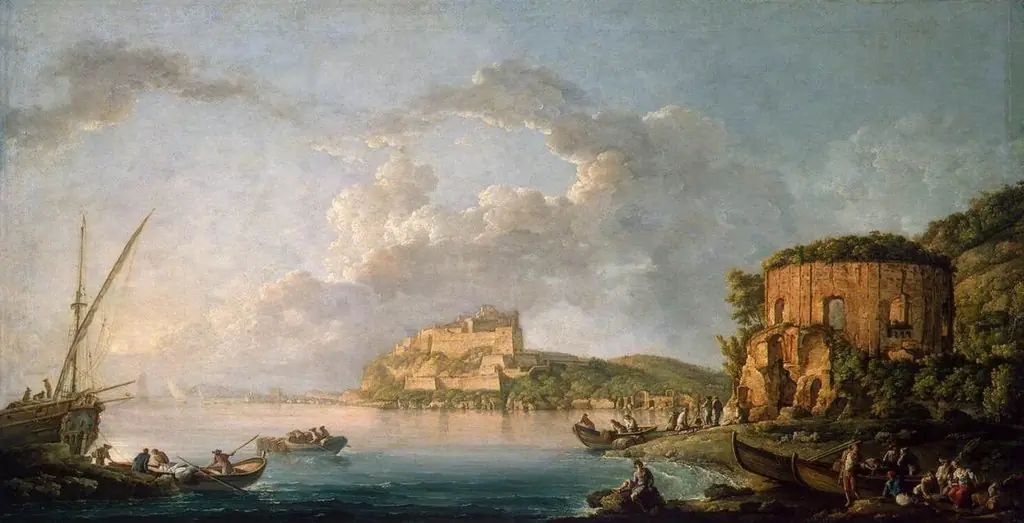 Baia Bay
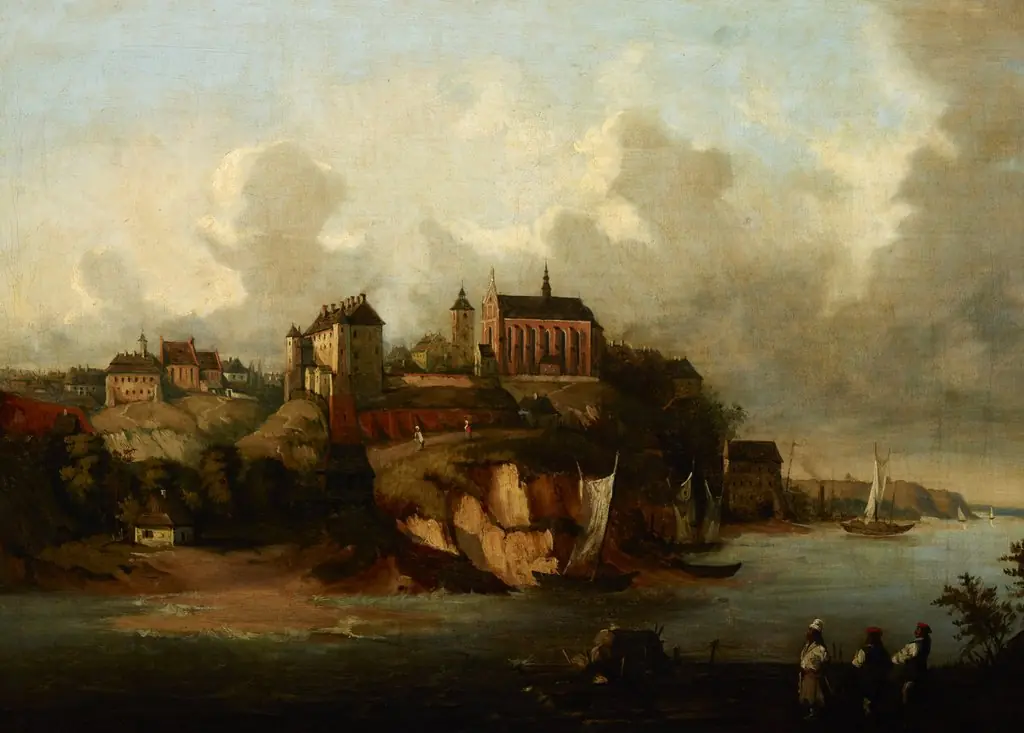 View of Sandomierz
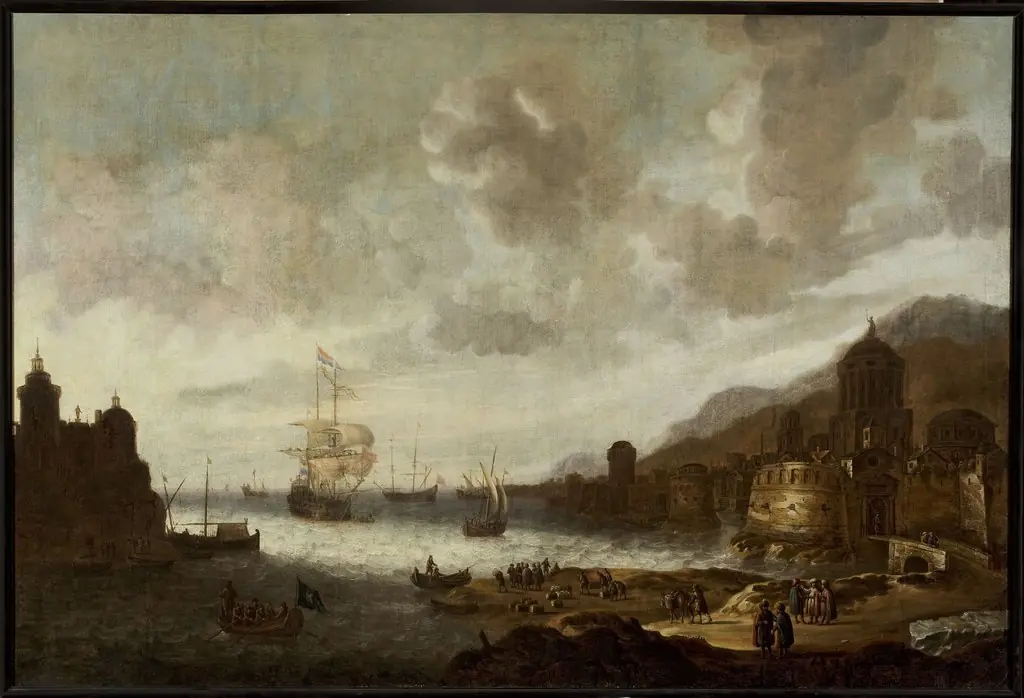 Dutch ship in an exotic port
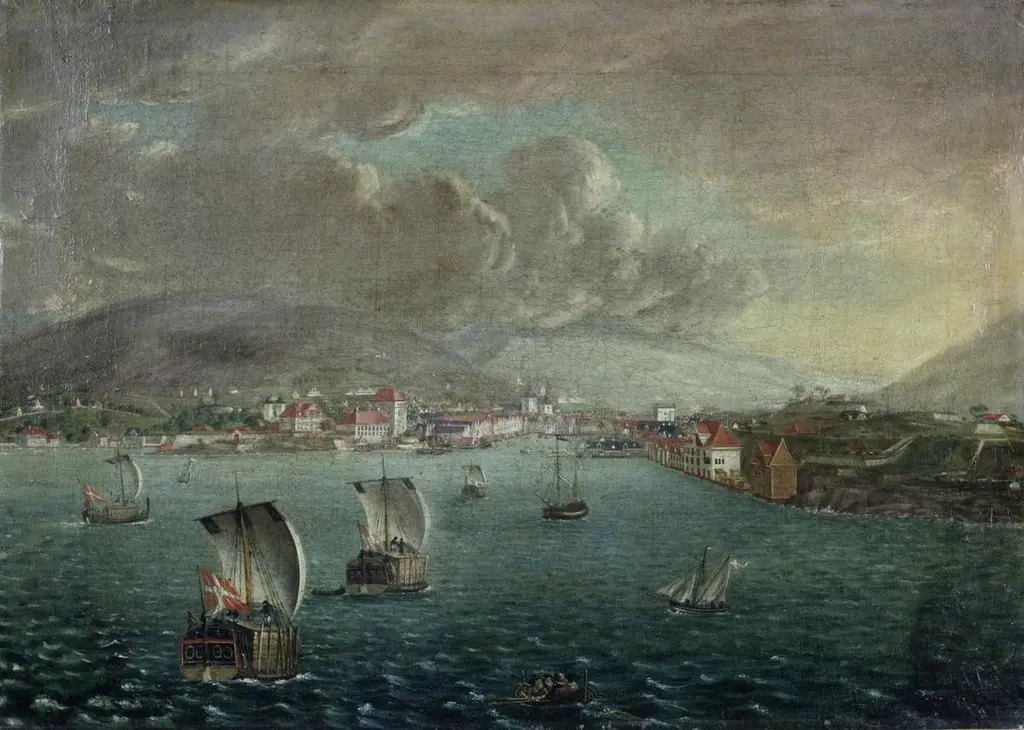 The Entrance to Bergen
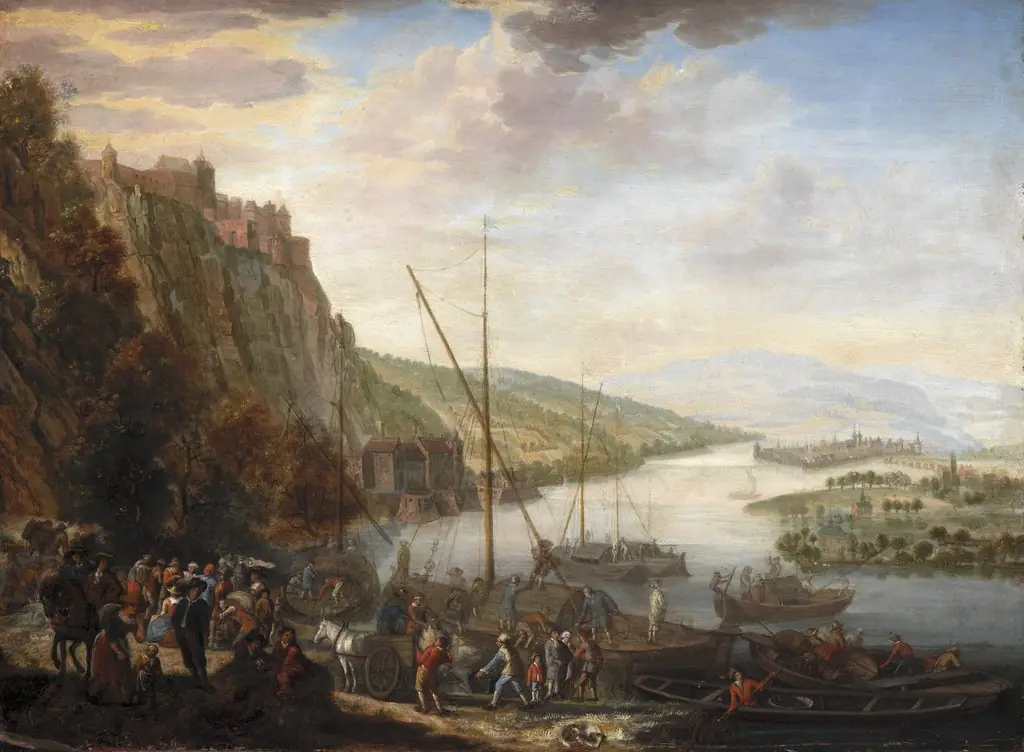 A River Landscape
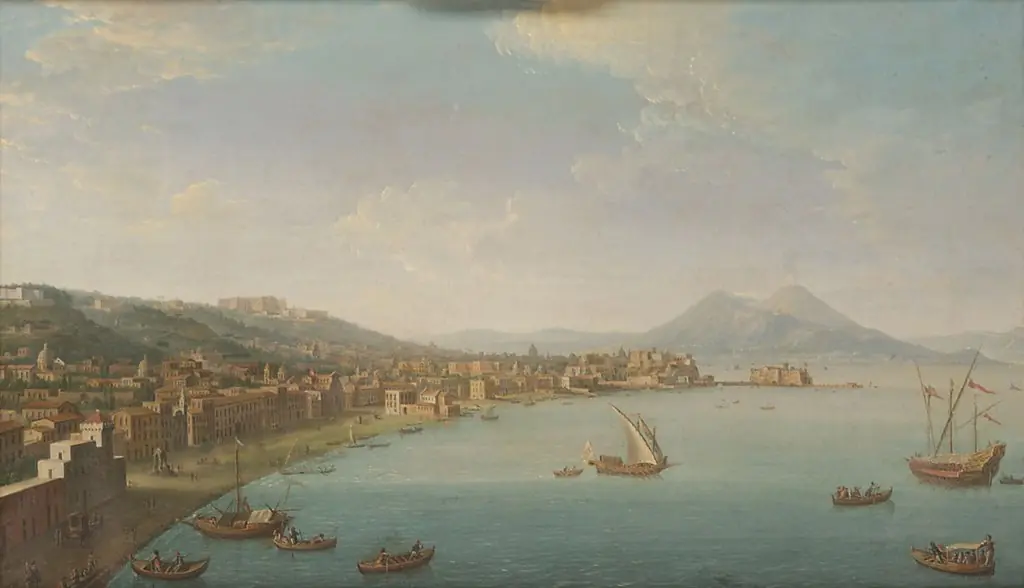 Ansicht von Neapel von Nordwesten
 Abfahrt Ferdinands IV. nach Posilippo mit Zug der königlichen Barken