Artwork
Abfahrt Ferdinands IV. nach Posilippo mit Zug der königlichen Barken
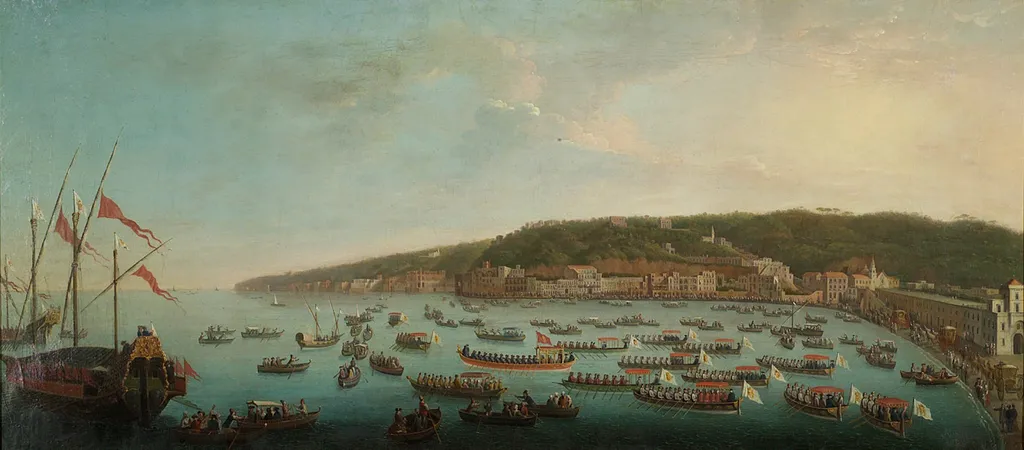
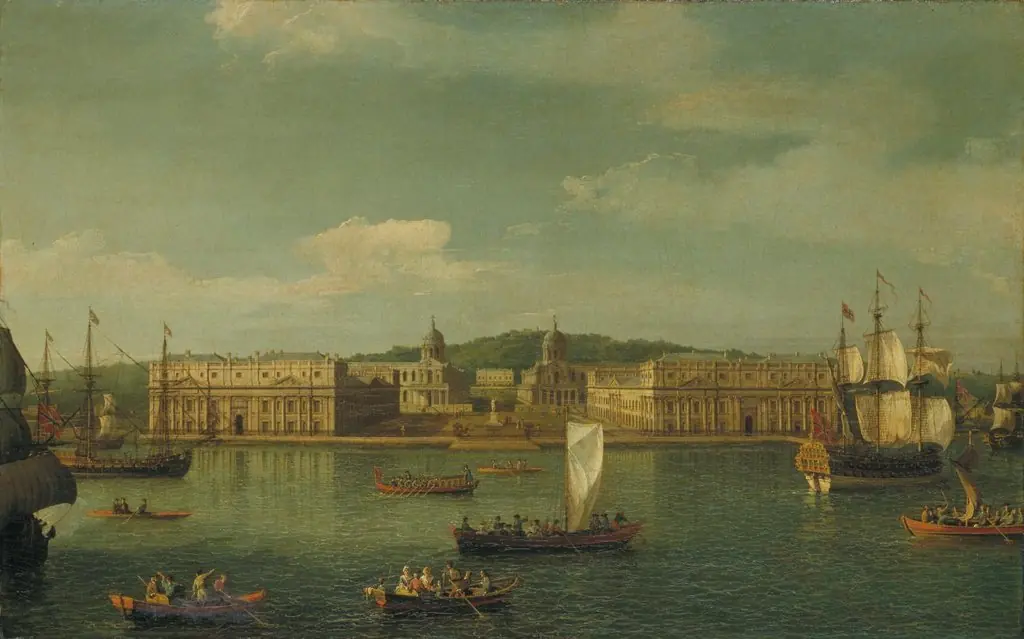
Abfahrt Ferdinands IV. nach Posilippo mit Zug der königlichen Barken is an unspecified painting by Antonio Joli. It is held in the collection of the Kunsthistorisches Museum. This painting captures the departure of Ferdinand IV from Naples toward Posillipo, depicted as a vibrant harbor scene teeming with motion.
About this work
Overview
Small rowboats swarm around larger vessels bearing royal banners, while the shoreline is lined with architecture and a wooded hill recedes into the distance.
This painting captures the departure of Ferdinand IV from Naples toward Posillipo, depicted as a vibrant harbor scene teeming with motion. Small rowboats swarm around larger vessels bearing royal banners, while the shoreline is lined with architecture and a wooded hill recedes into the distance. The composition emphasizes movement and density, with a palette of blues, greens, and earth tones lending naturalism to the bustling activity.
Subject & Meaning
The scene documents a royal departure, likely a ceremonial voyage by Ferdinand IV of Naples to his villa at Posillipo. The presence of royal flags on the larger ships signals the event’s official nature, while the multitude of smaller boats suggests public participation or local observation. It reflects the monarchy’s visibility in daily life and the harbor’s role as a stage for public spectacle.
Technique & Style
The artist employs precise brushwork to render the variety of vessels and figures, with careful attention to the play of light on water and fabric. Colors are muted yet distinct, avoiding theatrical contrast in favor of atmospheric harmony. The perspective draws the eye from foreground boats toward the distant hill, creating depth without sacrificing the scene’s energetic clutter.
History & Provenance
The painting is attributed to an 18th-century Italian artist active in Naples, likely influenced by veduta traditions. It was probably commissioned to commemorate a royal occasion, though its early ownership remains undocumented. Later records place it in private collections before entering institutional hands, where it is now preserved as a record of Neapolitan court life.
Context
In mid-18th century Naples, harbor scenes like this were popular among local patrons seeking to document civic and royal events. Artists often blended topographical accuracy with lively detail to satisfy demand for visual chronicles of daily and ceremonial life. This work aligns with a broader trend of documenting the city’s maritime culture through painted observation.
Legacy
Though not widely known outside regional art circles, the painting contributes to the visual archive of Bourbon Naples. Its resemblance to works by Antonio Joli suggests shared stylistic conventions among vedutisti of the period. It remains a valuable reference for understanding how public rituals were visually recorded and preserved in pre-modern Italy.
Artist & collection
Artist
Antonio Francesco Lodovico Joli was born in Modena in 1700 and trained first under the perspective painter Raffaello Rinaldi before moving to Rome, where he studied with Giovanni Paolo Panini and absorbed the tradition of idealized…

 Procession of Gondolas in the Bacino di San Marco, Venice
 Procession in the Courtyard of the Ducal Palace, Venice
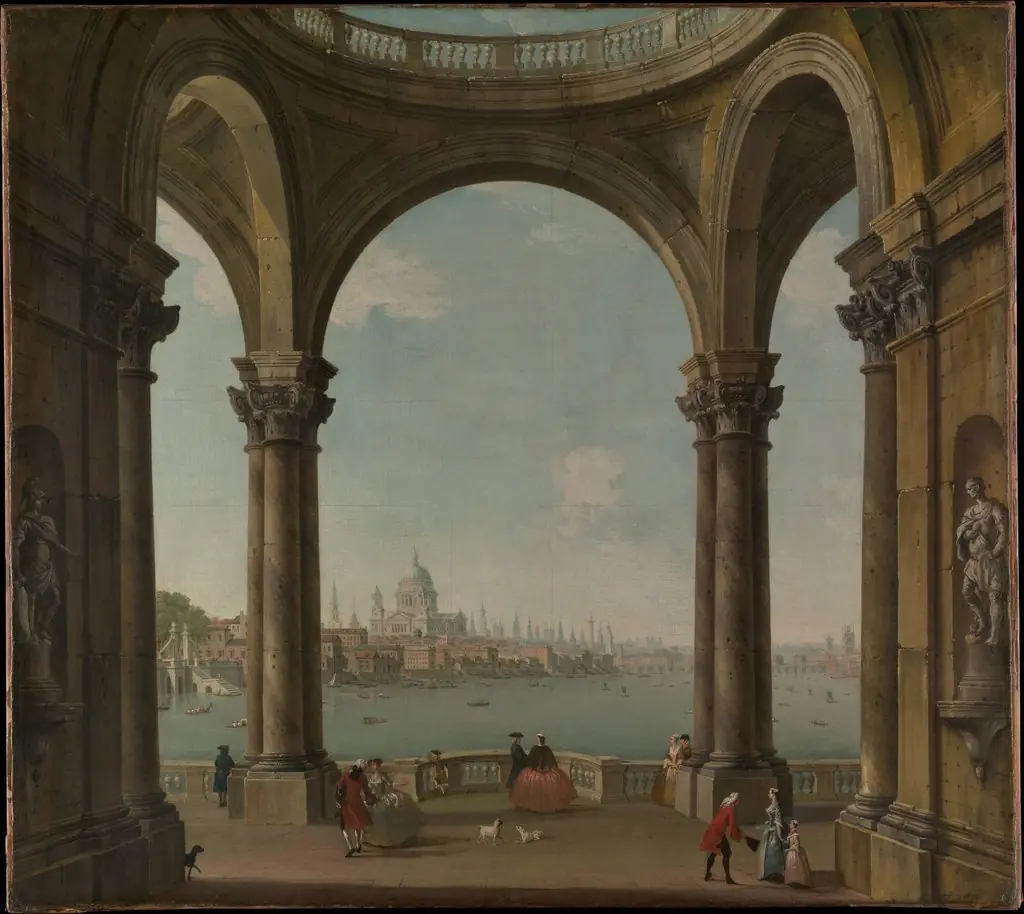 Capriccio with St. Paul's and Old London Bridge
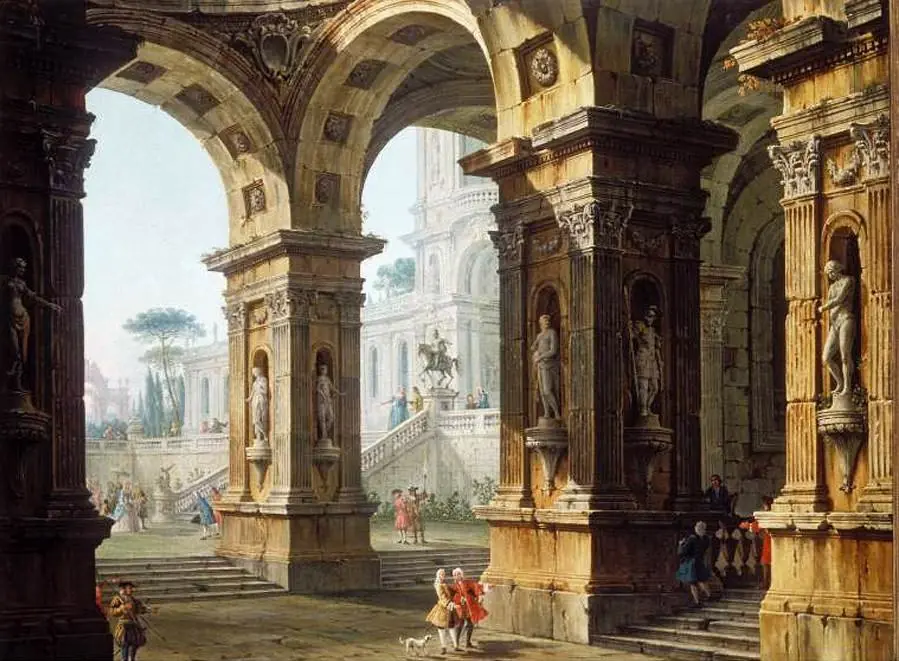 Capriccio with Elegant Figures
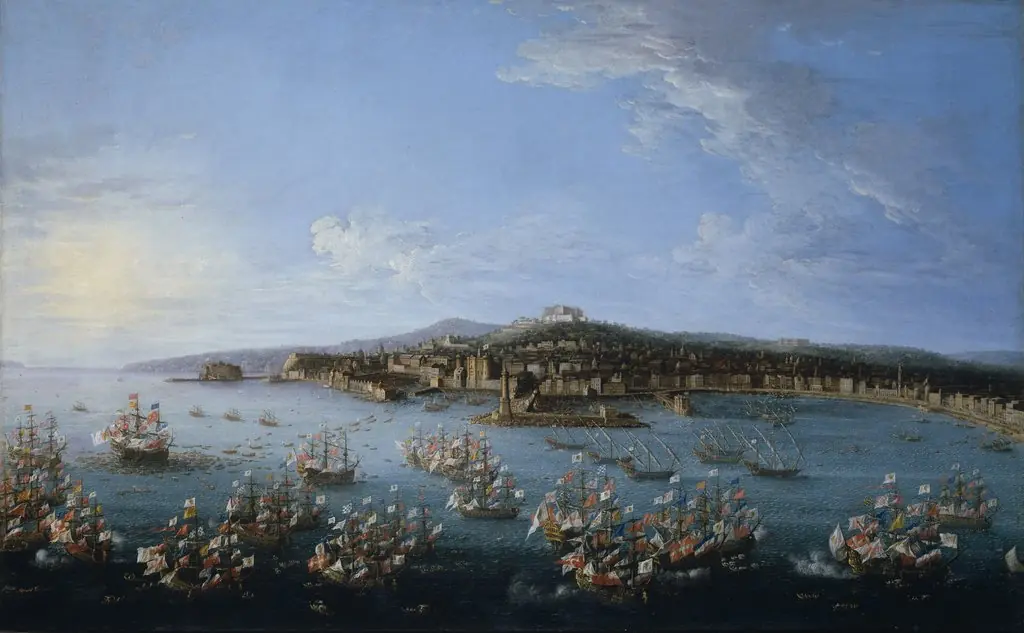 Carlos III leaving the Port of Naples, as Seen from the Sea
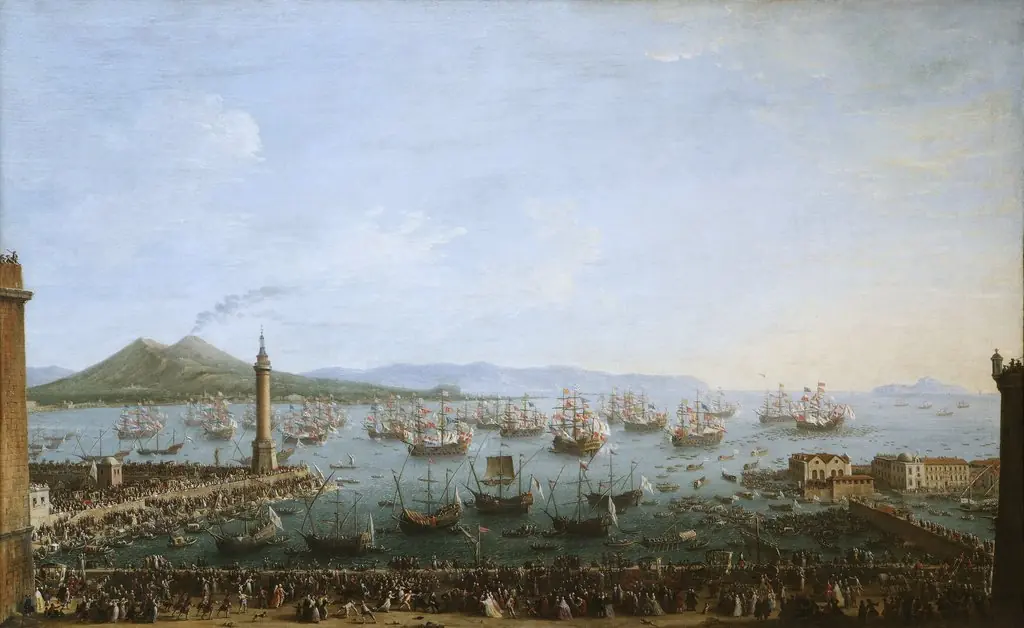 Carlos III leaving the Port of Naples, as Seen from the Land
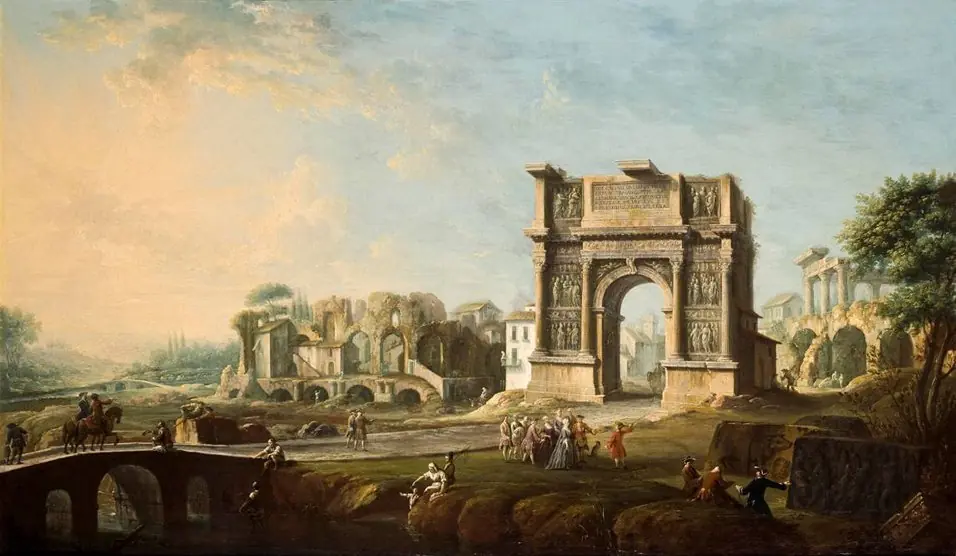 The Arch of Trajan at Benevento
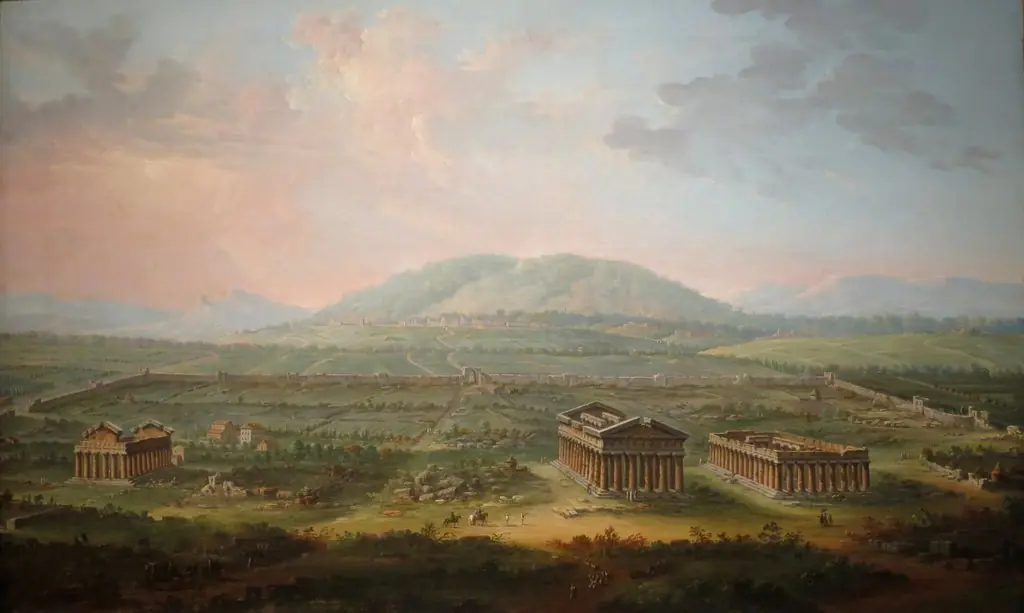 A View of Paestum
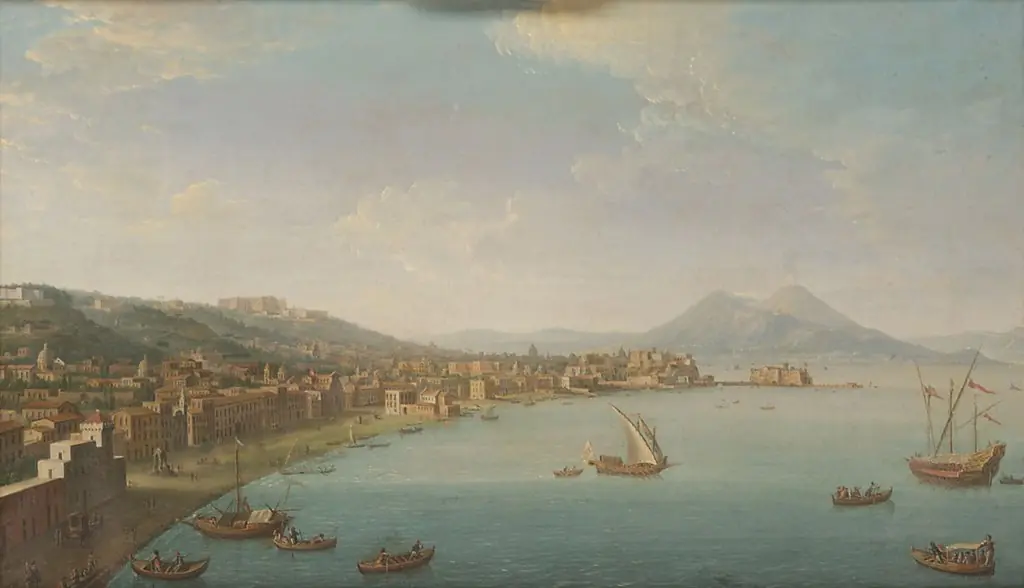 Ansicht von Neapel von Nordwesten
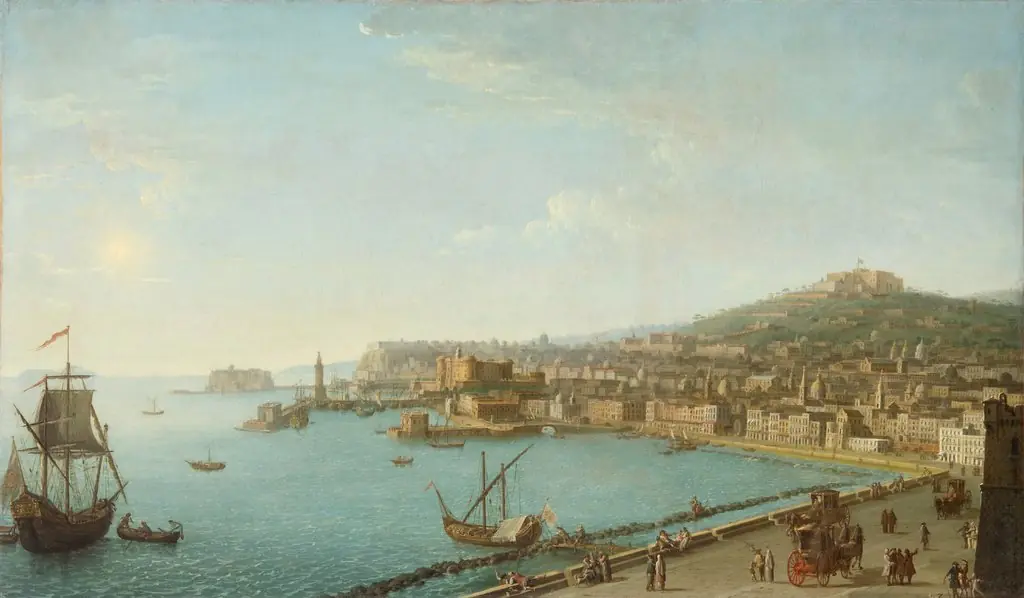 Ansicht von Neapel von Südosten
 Council of War on board the 'Queen Charlotte', commanded by Lord Exmouth, prior to the Bombardment of Algiers, 26 August 1816
 The Thames at the Tower of London with London Bridge and St. Paul's in the Distance
 View of the Town and Port of Bayonne from the Pathways of Boufflers (La villa y puerto de Bayona tomada desde el paseo de Boufflers)
 Council of War on board the 'Queen Charlotte', commanded by Lord Exmouth, prior to the Bombardment of Algiers, 26 August 1816
 Ansicht von Posilippo auf Pizzofalcone in Neapel
 The Bucintoro Festival of Venice
 View of Tunis
 View of the Gulf of Naples
 A View of Greenwich from the River