Artwork
Duke Antony the Good of Lorraine
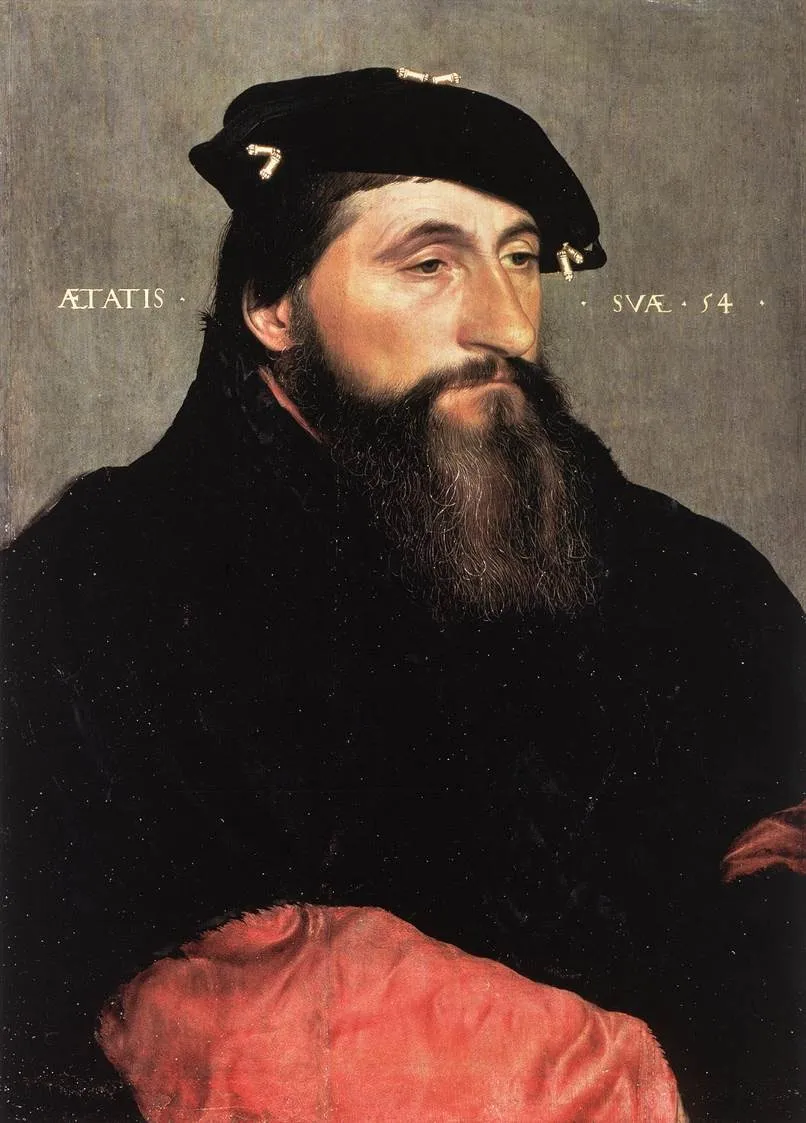
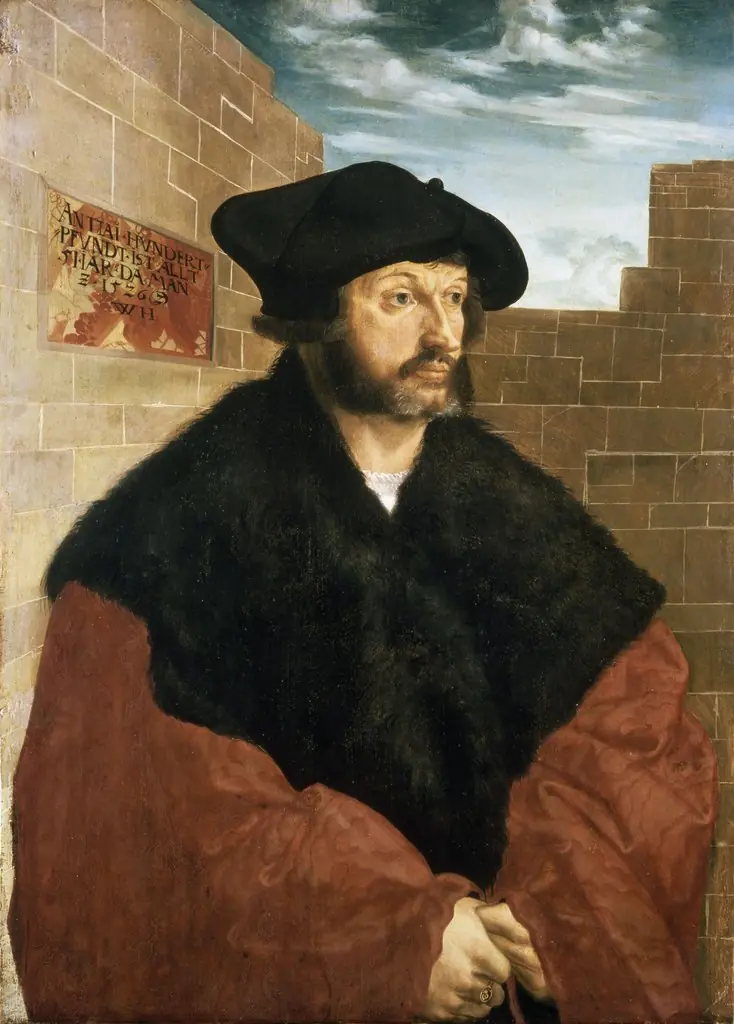
Duke Antony the Good of Lorraine is a wood painting by the Northern Renaissance artist Hans Holbein the Younger. It dates from 1543 and is held in the collection of the Gemäldegalerie Berlin.
About this work
The painting was made in 1543, and the man is likely Duke Antony of Lorraine, though another figure, Charles V, might be referenced here.
This painting shows a bearded man in a dark hat and fur-lined robe. His face is serious, with a thick beard and deep-set eyes. The background is plain and dark, making his face stand out.
The red fur trim on his robe looks rich and heavy. The painting was made in 1543, and the man is likely Duke Antony of Lorraine, though another figure, Charles V, might be referenced here.
Look up chiaroscuro to see how artists use light and shadow like this.
Overview
Created in 1543 by the German‑Swiss artist Hans Holbein the Younger, this oak‑panel portrait presents the figure of Antoine, Duke of Lorraine. The work belongs to the collection of the Gemäldegalerie in Berlin and exemplifies Holbein’s reputation as a leading portraitist of the Northern Renaissance.
Subject & Meaning
The sitter is rendered as a dignified, bearded nobleman wearing a dark hat and a fur‑trimmed robe. His expression is solemn, with deep‑set eyes that convey authority. While the identity is generally accepted as the Duke of Lorraine, some scholars note possible allusions to contemporary rulers such as Charles V within the composition.
Technique & Style
Holbein employed the medium of oil on oak, using a restrained palette and precise brushwork characteristic of his Northern Renaissance approach. The painting relies on chiaroscuro, the contrast of light and shadow, to model the facial features and give the heavy red fur a tactile presence against the dark, unadorned background.
History & Provenance
The portrait entered the Gemäldegalerie Berlin’s holdings in the early 20th century, having previously been part of private collections in the Lorraine region. Documentation traces its ownership through several aristocratic families before it was acquired by the museum, where it has been displayed as part of the German Renaissance assemblage.
Context
Holbein painted this work during a period when he was active at various European courts, supplying portraits that emphasized status and personal virtue. The depiction of a regional duke aligns with the artist’s broader practice of portraying political figures for diplomatic and commemorative purposes, reflecting the intertwined nature of art and power in mid‑16th‑century Europe.
Artist & collection
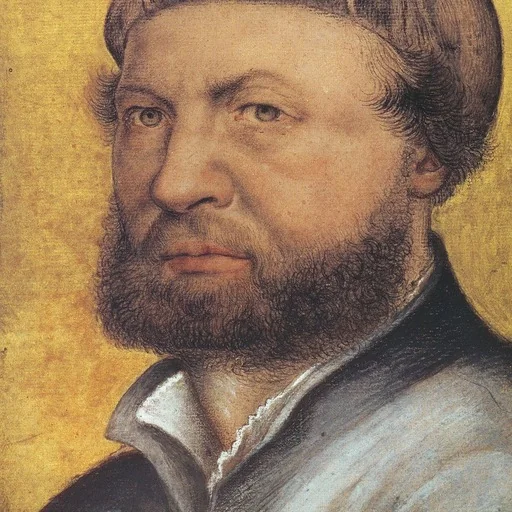
Artist
Hans Holbein the Younger (UK: HOL-byne, US: HOHL-byne, HAWL-; German: Hans Holbein der Jüngere; c.

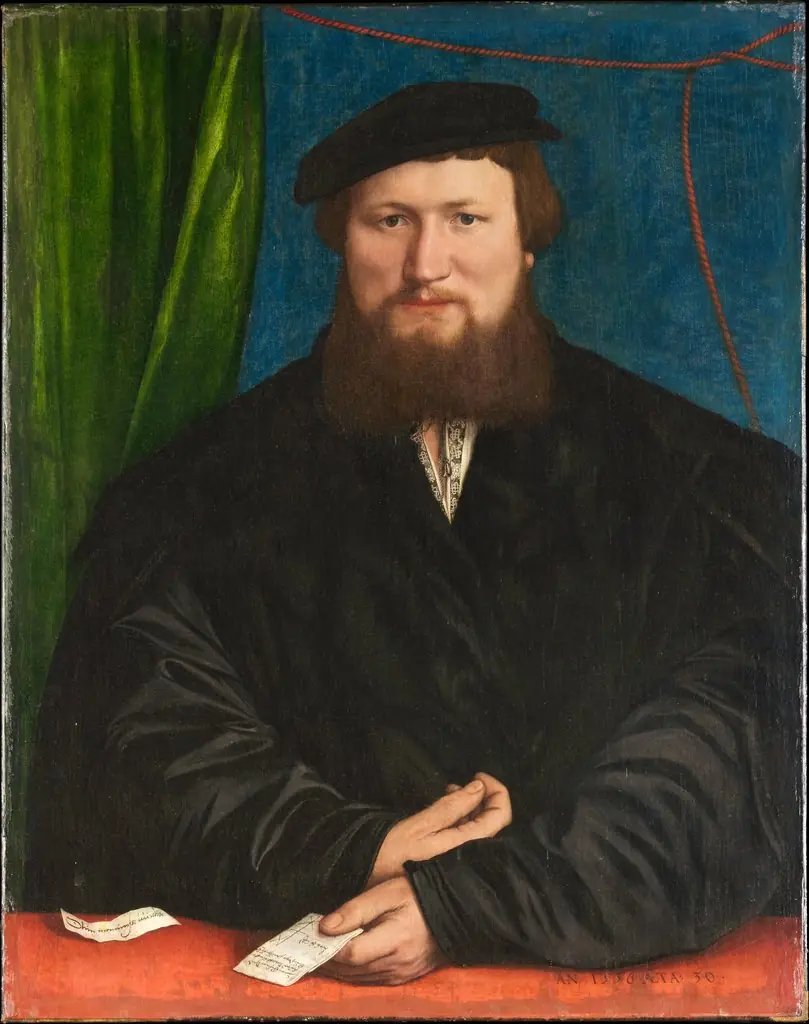
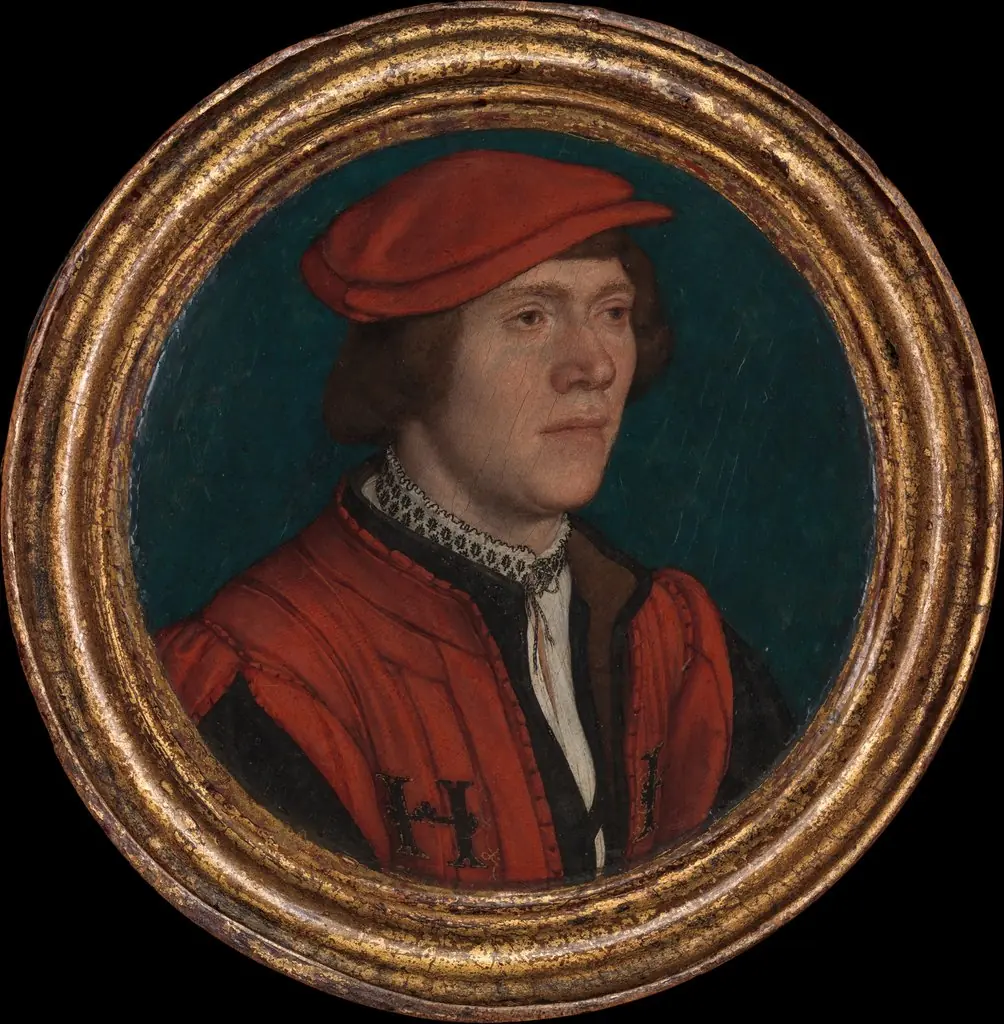
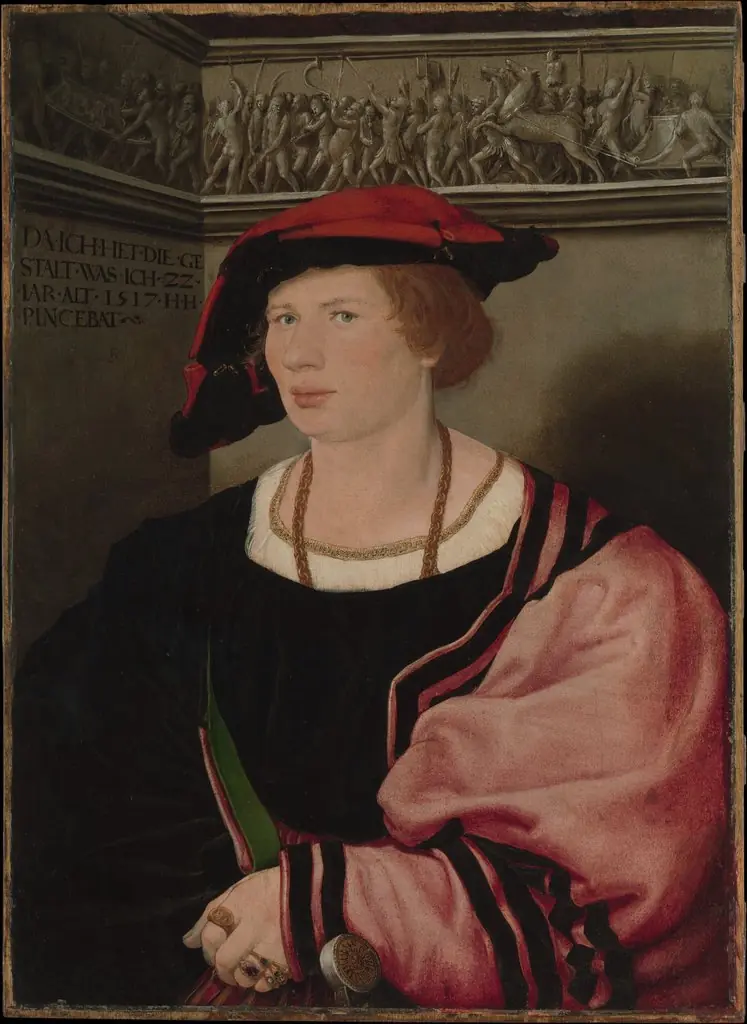
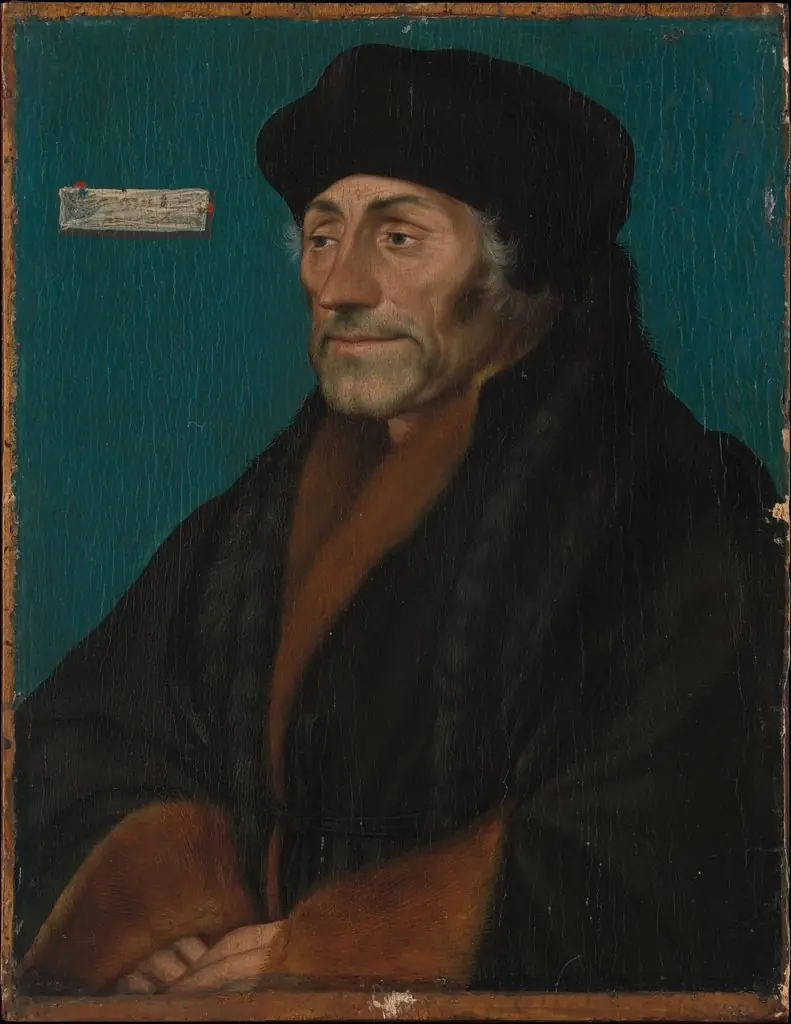
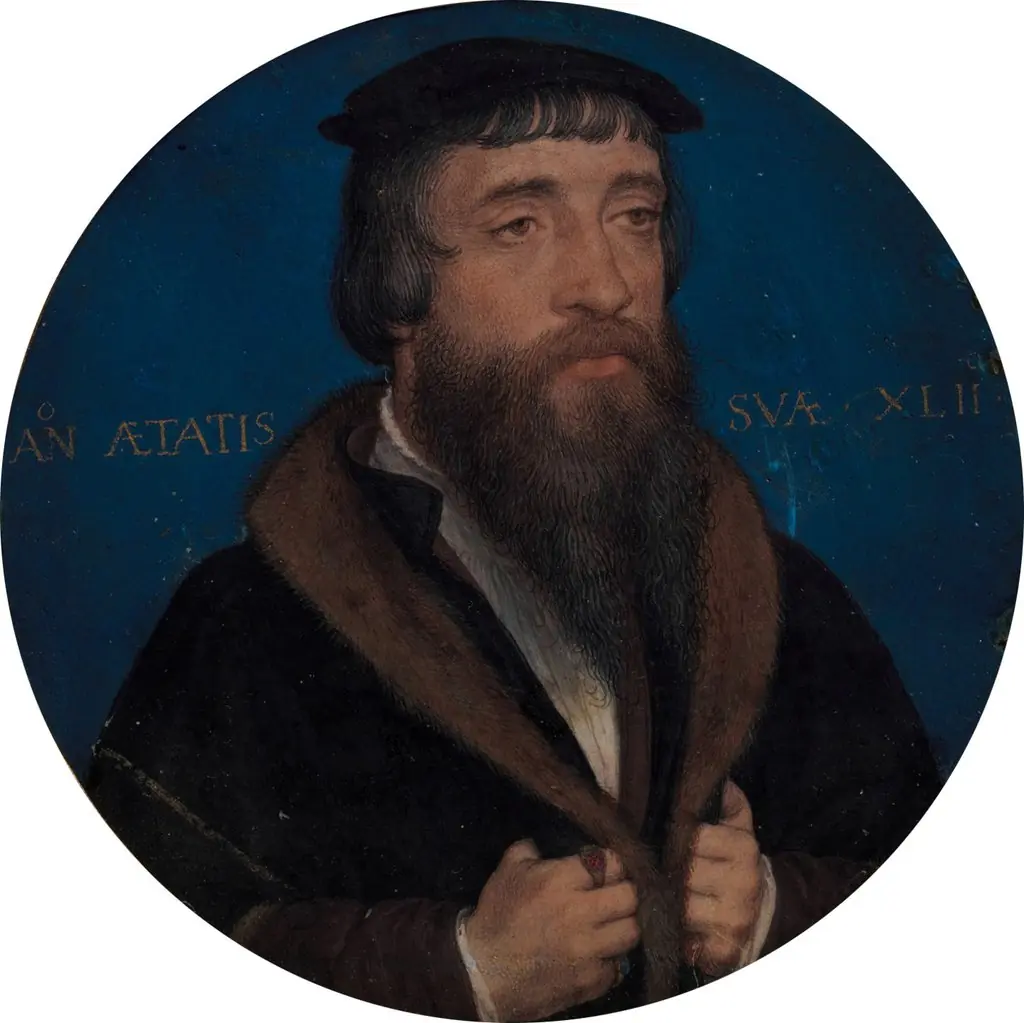
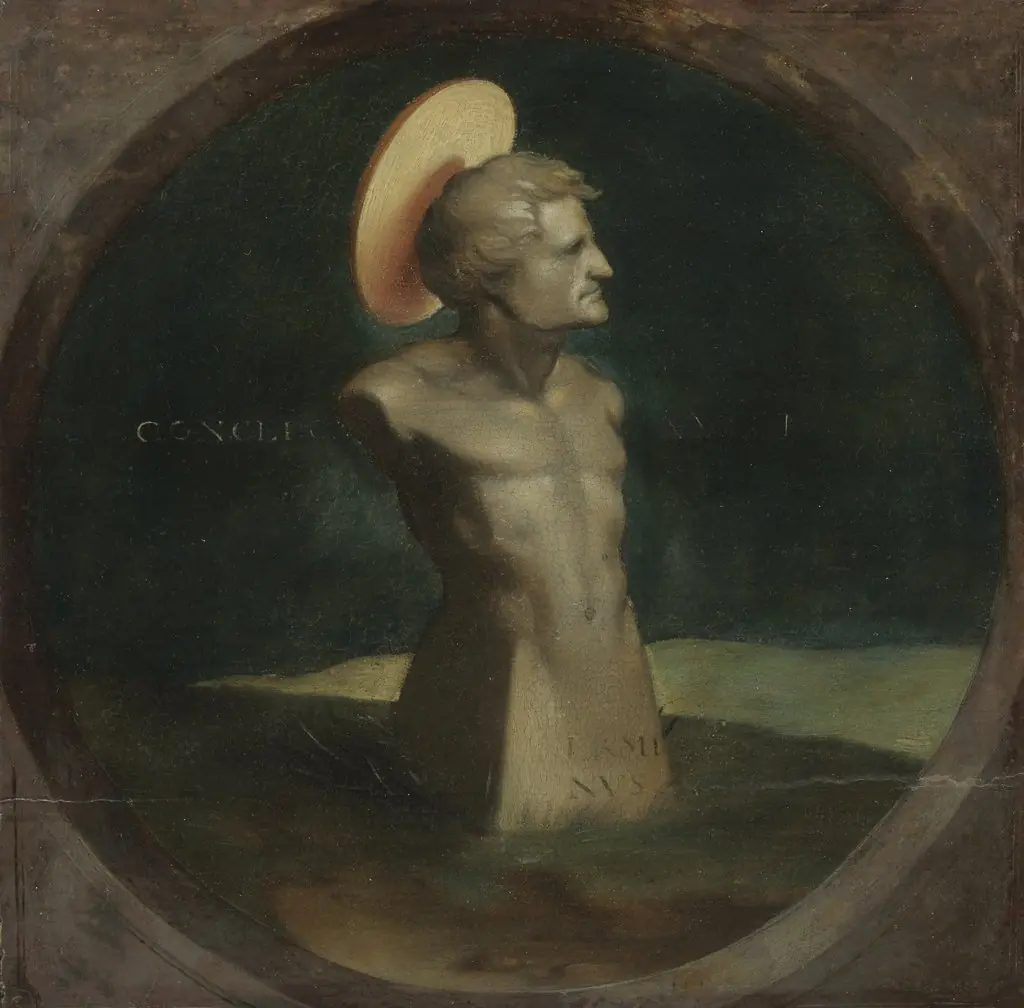
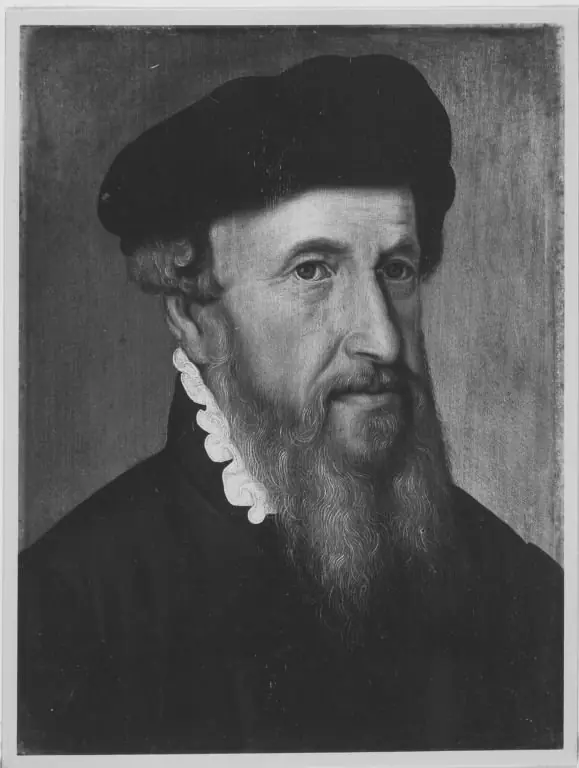
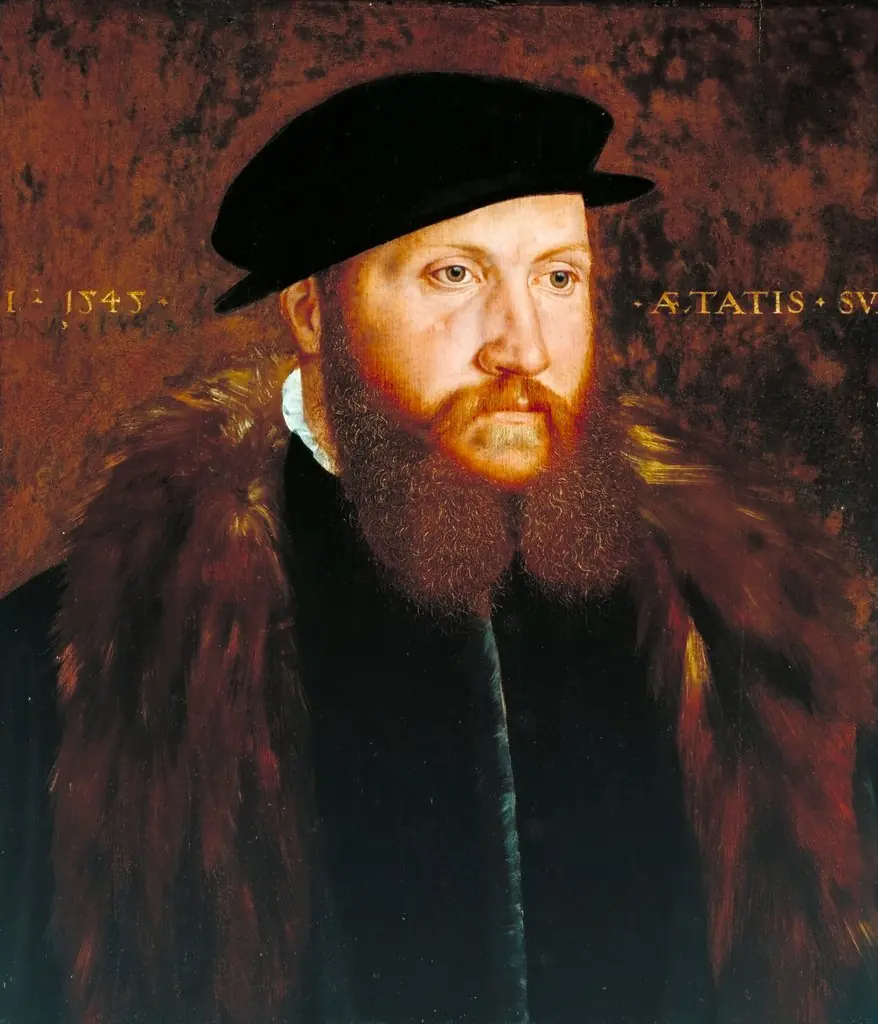 A Man in a Black Cap
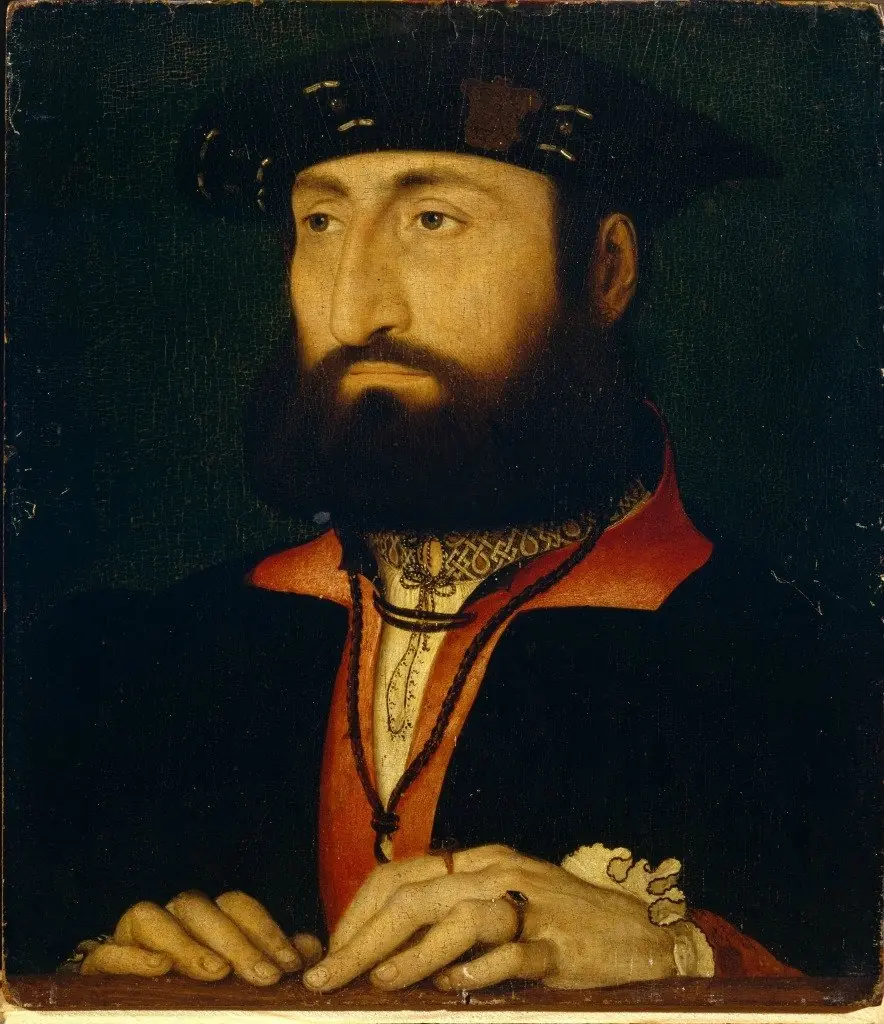 Portrait of Louis de Cleves
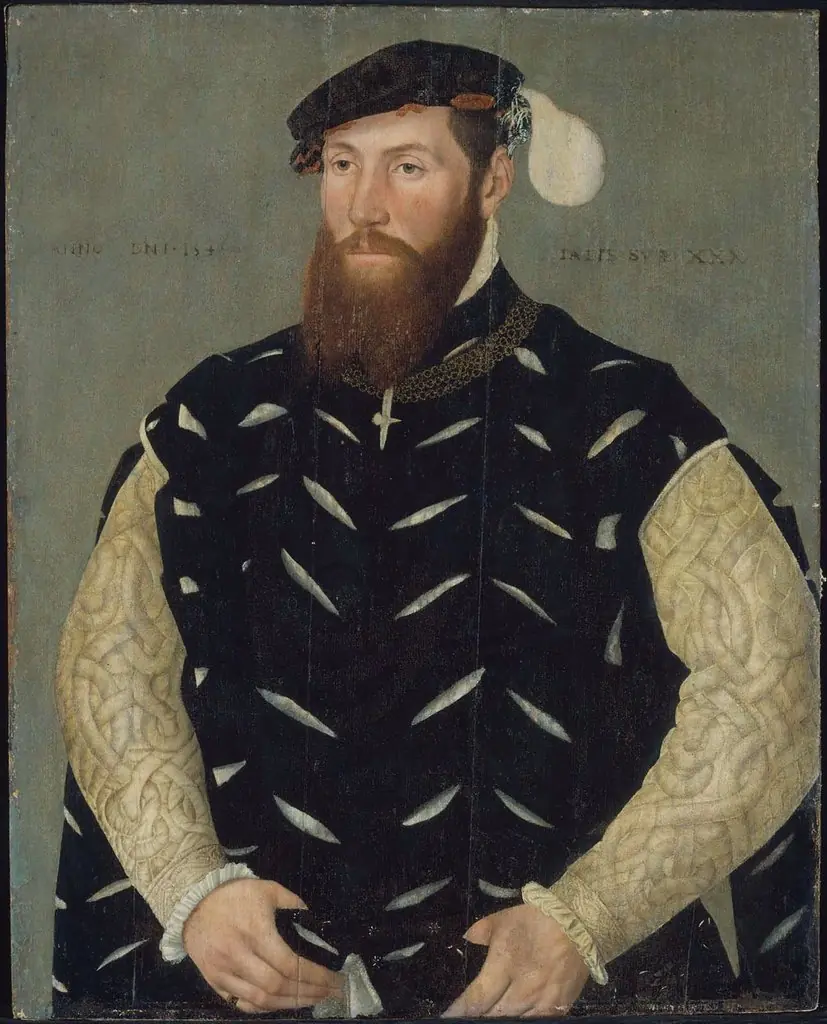
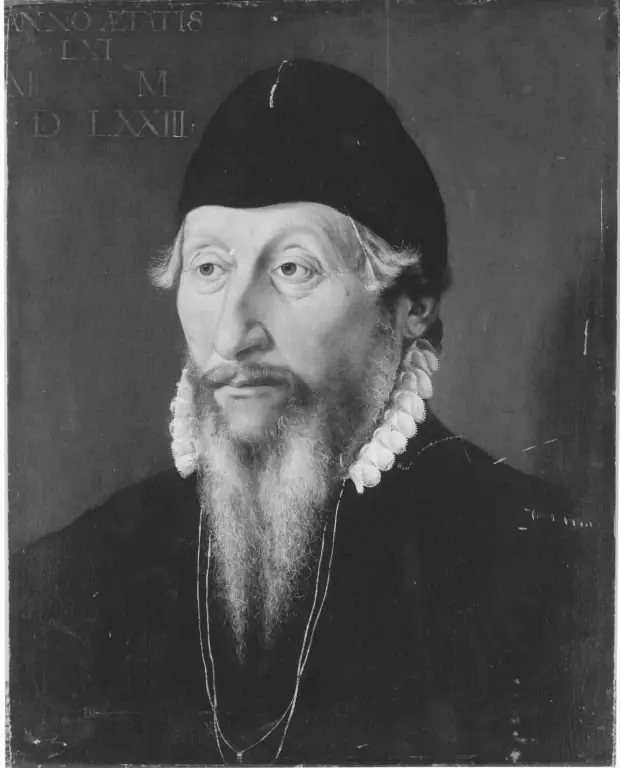 Männliches Bildnis
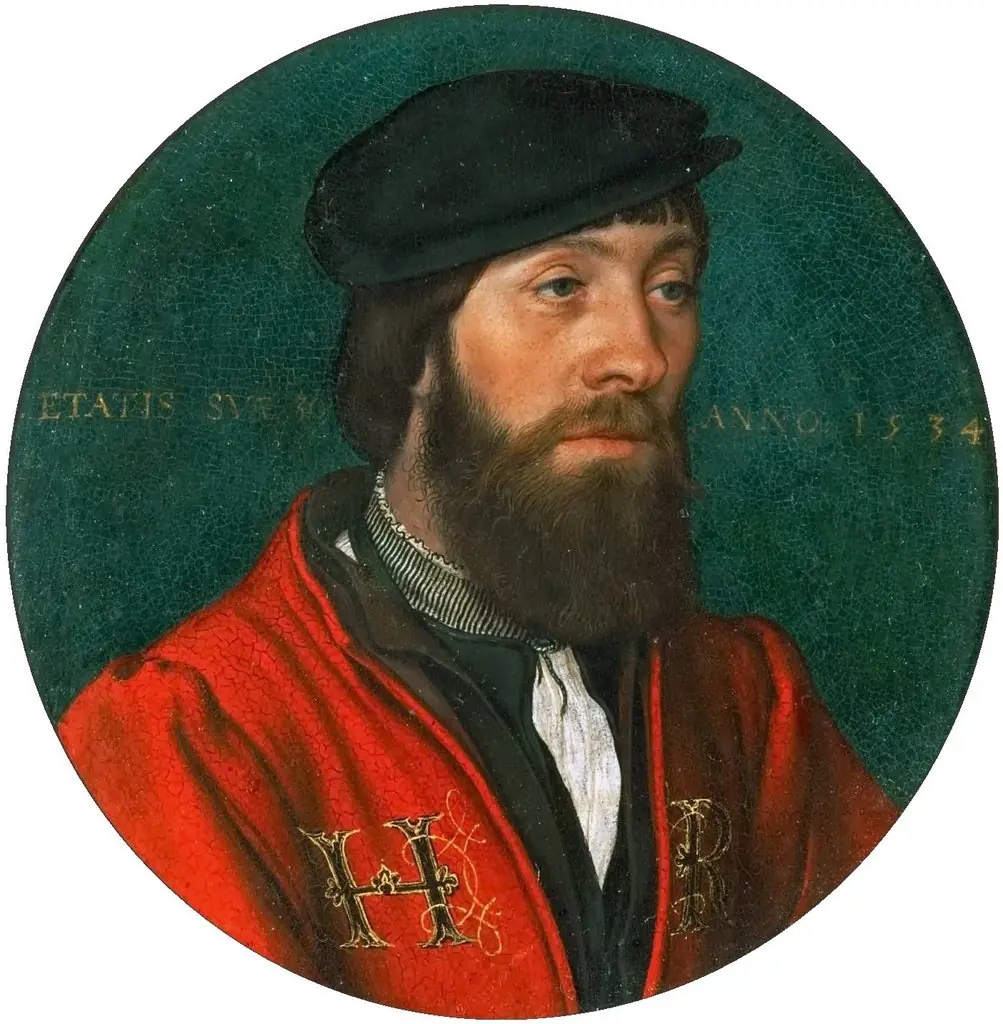 A servant of King Henry VIII
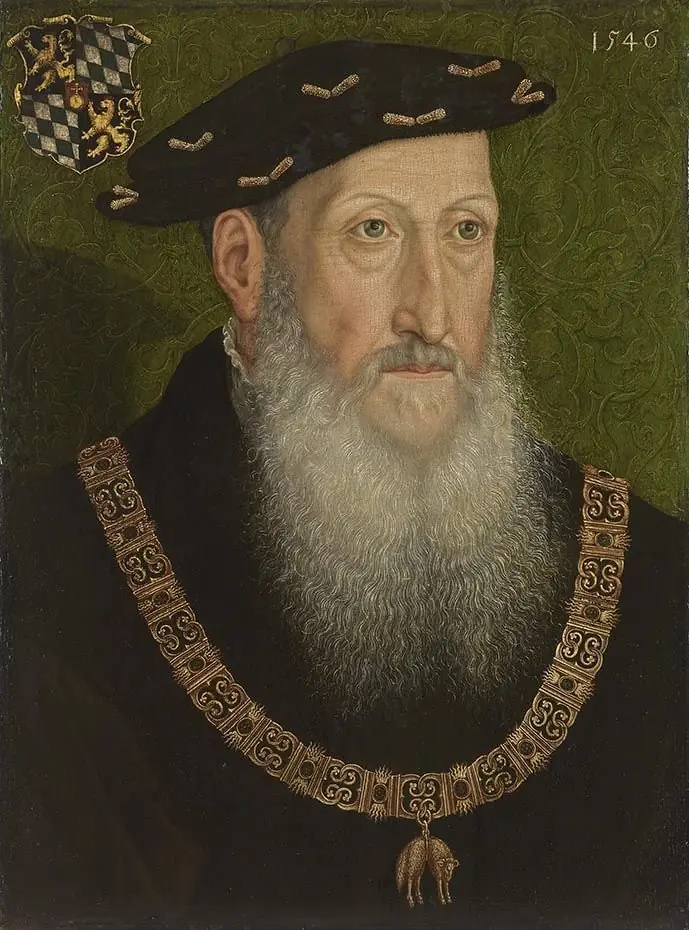 Portrait of Friedich II der Weise, Palzgraf bei Rhein (1463-1525)
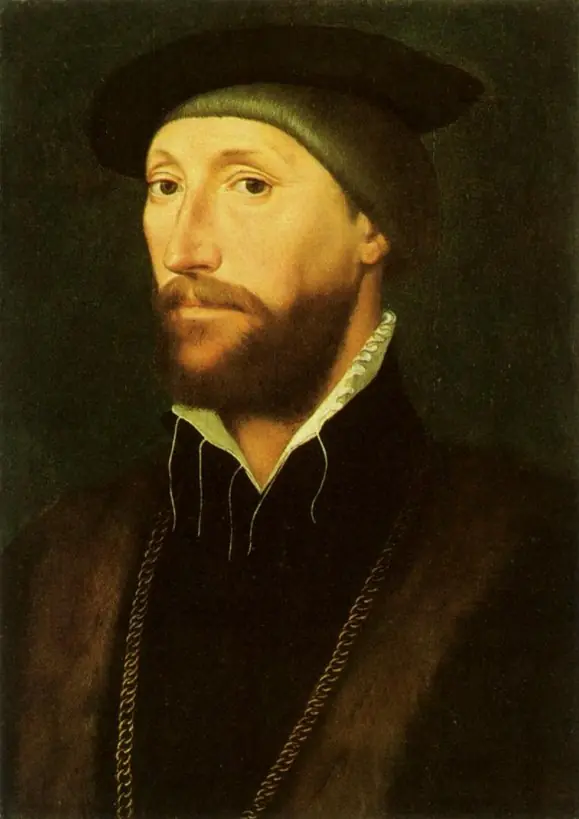 Portrait of Sir Thomas Le Strange
 Self portrait
 Sir William Butts
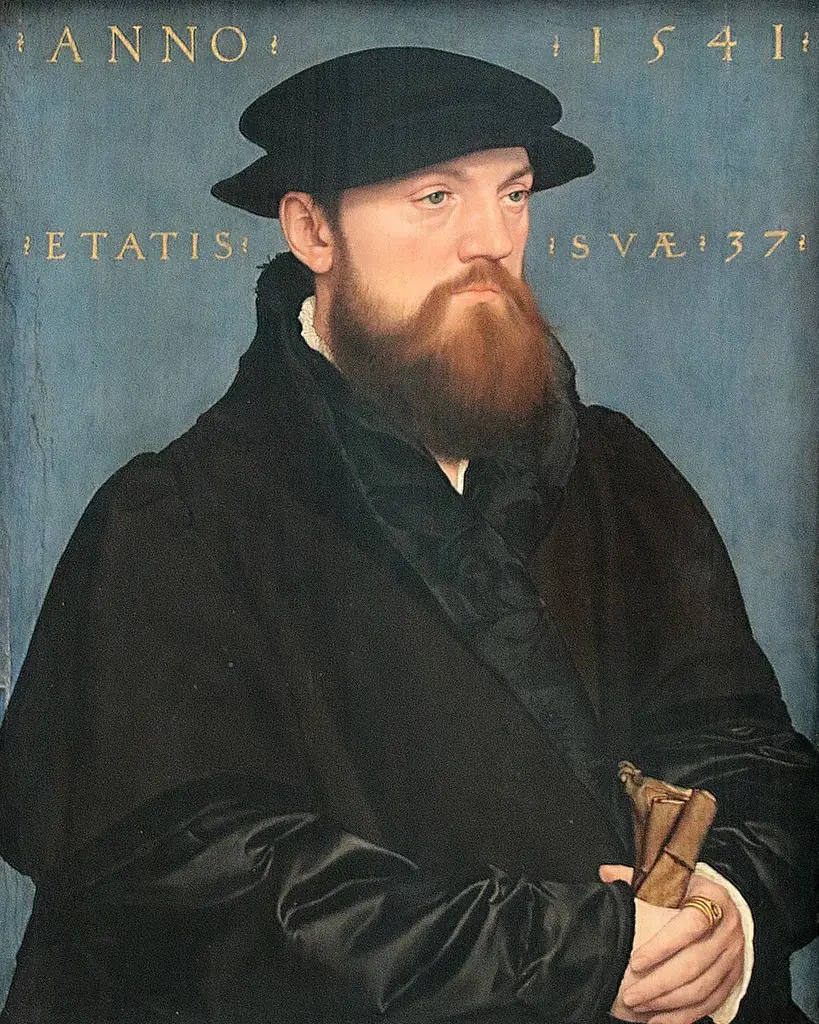 Roelof de Vos van Steenwijk
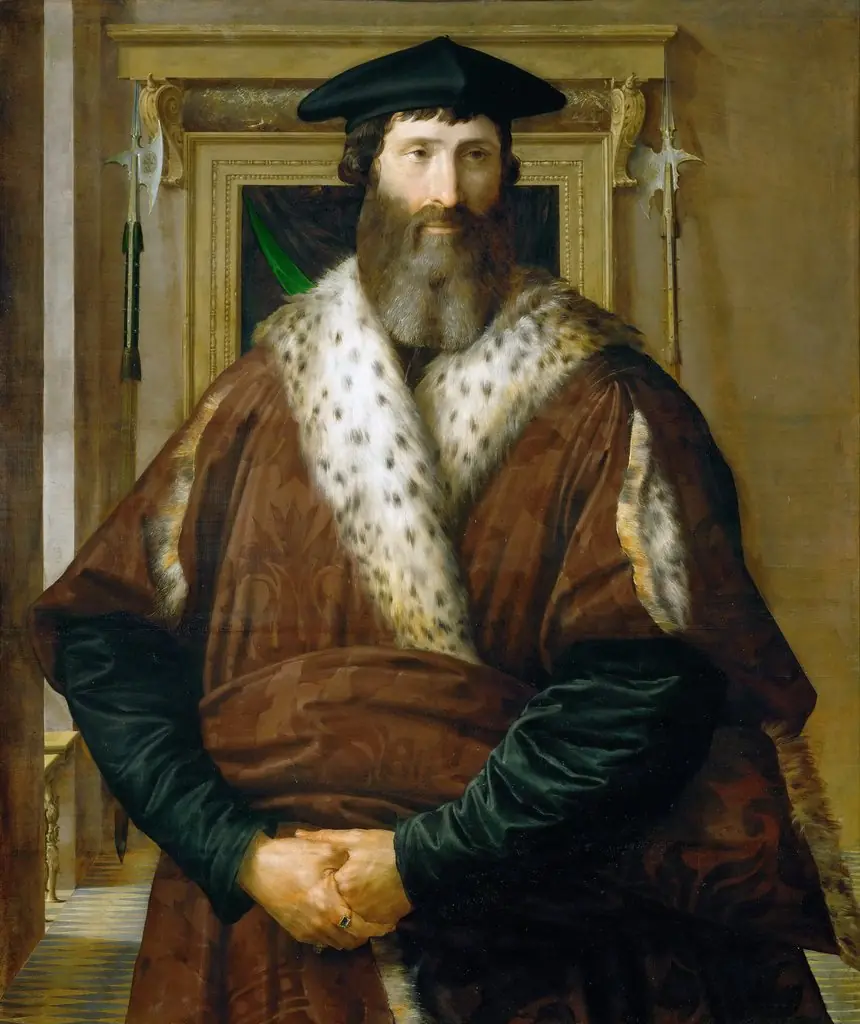 Portrait of a Man (Condottiere Malatesta Baglioni?)
 Portrait of Anton Hundertpfundt