Artwork
Portrait of Anton Hundertpfundt
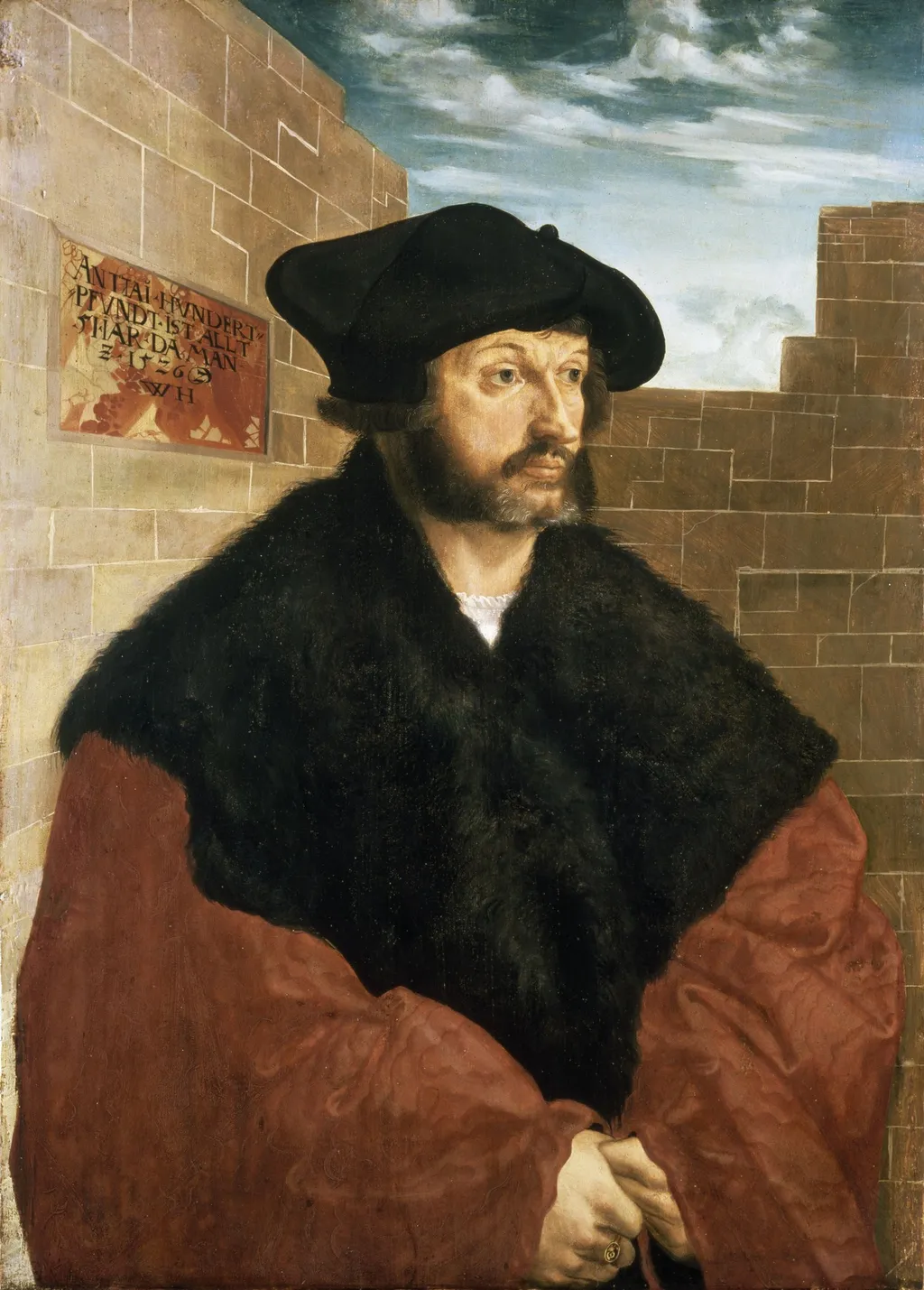
Portrait of Anton Hundertpfundt is an unspecified painting by the Early Baroque Italian artist Wolf Huber. It dates from 1526 and is held in the collection of the National Gallery of Ireland.
About this work
Overview
Huber, active in Passau, was a key member of the Danube School, known for integrating naturalistic detail with atmospheric landscape elements.
Painted in 1526 by Wolf Huber, this portrait captures Anton Hundertpfundt, a figure likely of civic or merchant standing. Huber, active in Passau, was a key member of the Danube School, known for integrating naturalistic detail with atmospheric landscape elements. The work is now held in the National Gallery of Ireland, where it stands as one of the few surviving panel portraits from Huber’s hand.
Subject & Meaning
The sitter, Anton Hundertpfundt, is portrayed with quiet dignity, his clasped hands and composed posture suggesting restraint and social standing. The lion emblem on the wall may reference heraldic identity or local symbolism, though its exact significance remains unclear. His attire—black fur-lined coat, red cloak, and distinctive hat—signals wealth and status, typical of northern European burghers in the early 16th century.
Technique & Style
Huber rendered the portrait with meticulous attention to texture: the weave of fabric, the sheen of fur, and the grain of stone are carefully observed. The background merges a solid wall with a softly modeled sky, creating depth without theatricality. This blend of precise detail and atmospheric tone reflects the Danube School’s departure from rigid Gothic conventions toward a more naturalistic sensibility.
History & Provenance
The painting’s early history is undocumented, but it entered the National Gallery of Ireland’s collection in the 20th century. Its survival is notable, as many panel paintings from this period were lost to war, decay, or repurposing. Huber’s reputation as a printmaker often overshadows his painted works, making this portrait a rare and valuable example of his figural art.
Context
Created during the Protestant Reformation, the portrait reflects a northern European shift toward secular portraiture. Unlike religious altarpieces, such works emphasized individual identity and social role. Huber’s location in Passau, near the confluence of German and Italian cultural influences, allowed him to absorb Renaissance ideals while retaining regional stylistic traits.
Legacy
Though Wolf Huber is better known for his engravings, this portrait endures as a testament to his skill in oil on panel. It contributes to the understanding of regional portraiture in the early 16th century, illustrating how artists outside major centers like Nuremberg or Augsburg developed nuanced depictions of civic life. The work remains a quiet but significant artifact of its time.
Own this work as a print
Artist & collection
Artist
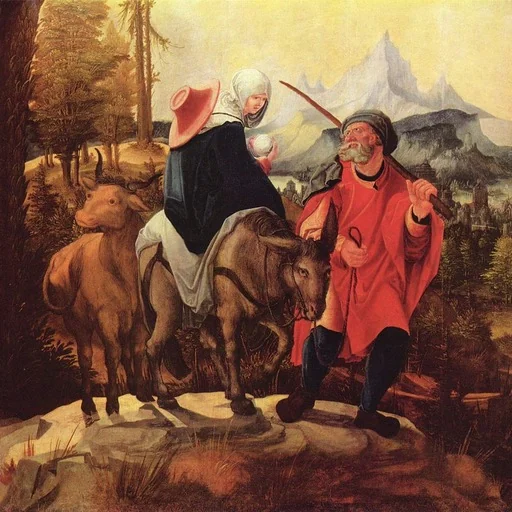
Wolf Huber (c. 1485 – 3 June 1553) was an Austrian- German painter, printmaker, and architect, who worked in Passau, Germany for most of his life as a leading member of the Danube school.

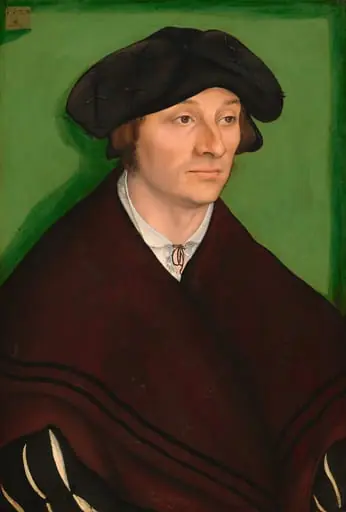 Portrait of a Man
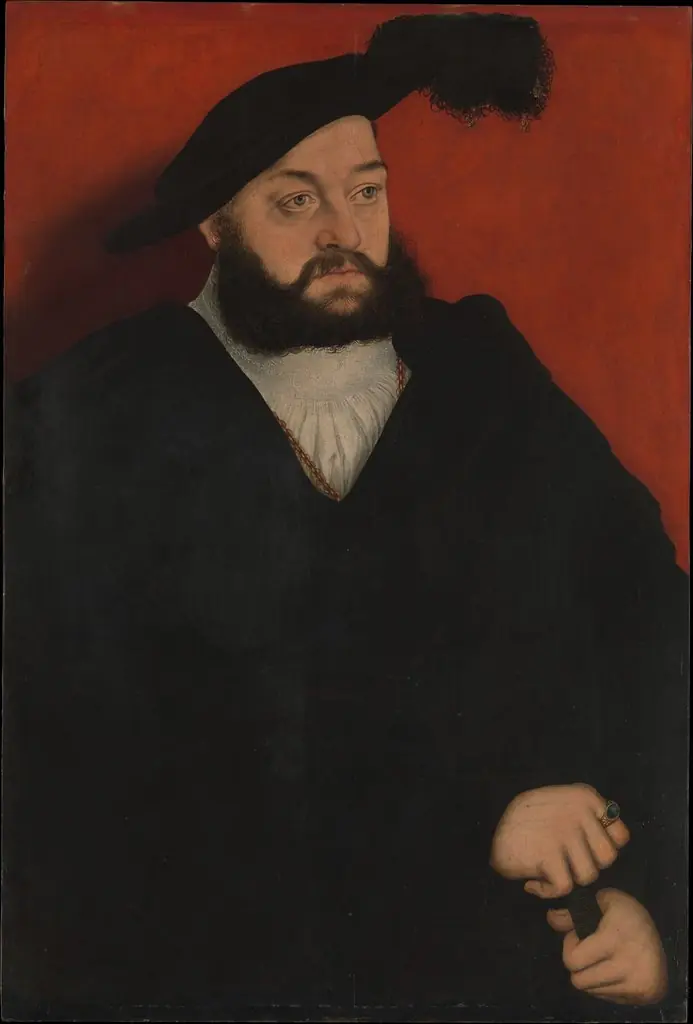 Johann (1498–1537), Duke of Saxony
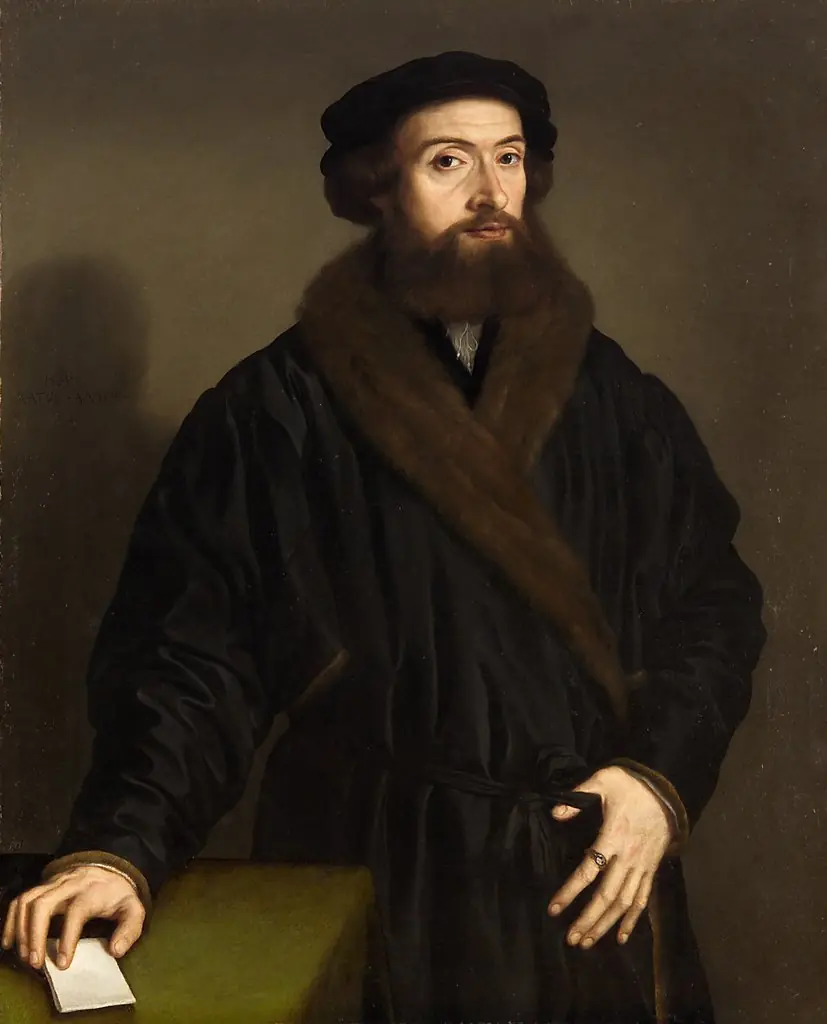 Portrait of a Man in a Beret
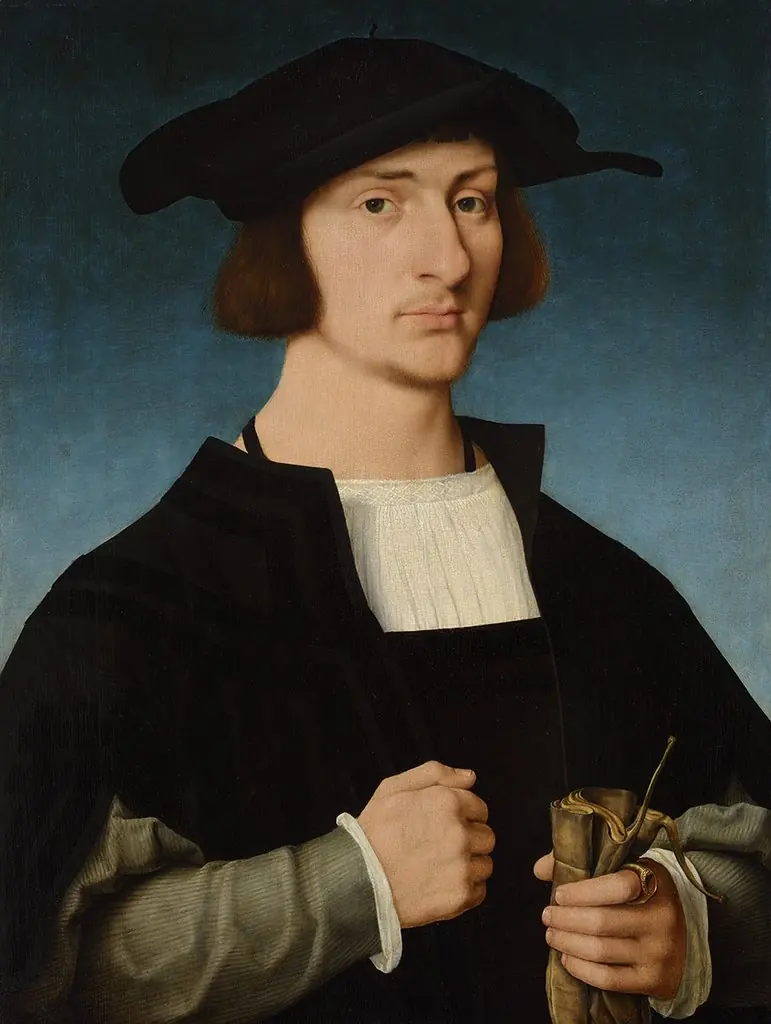 Portrait of a Young Man (Lyons)
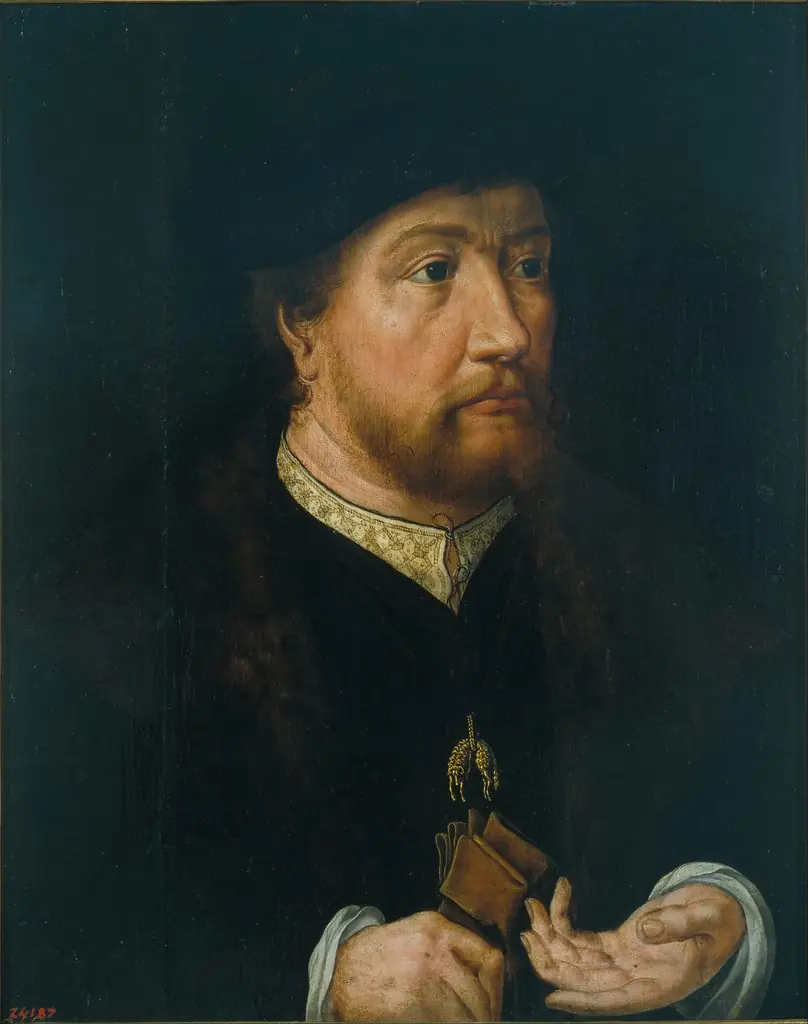 Portrait of Henry III, Count of Nassau
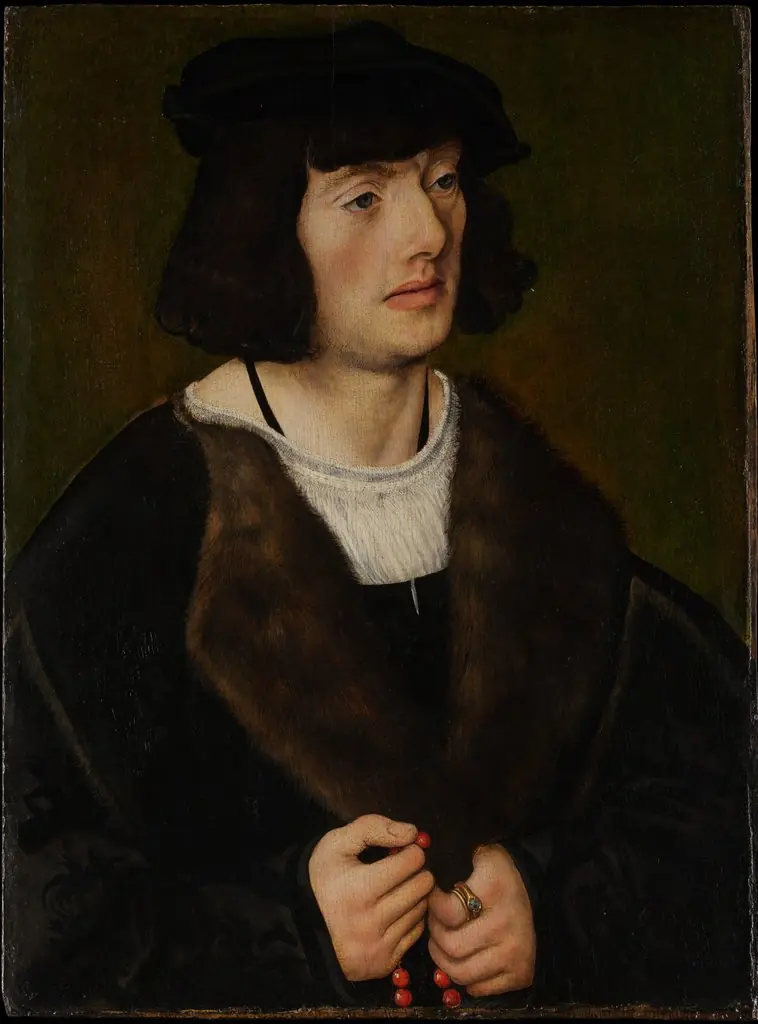 Portrait of a Man with a Rosary
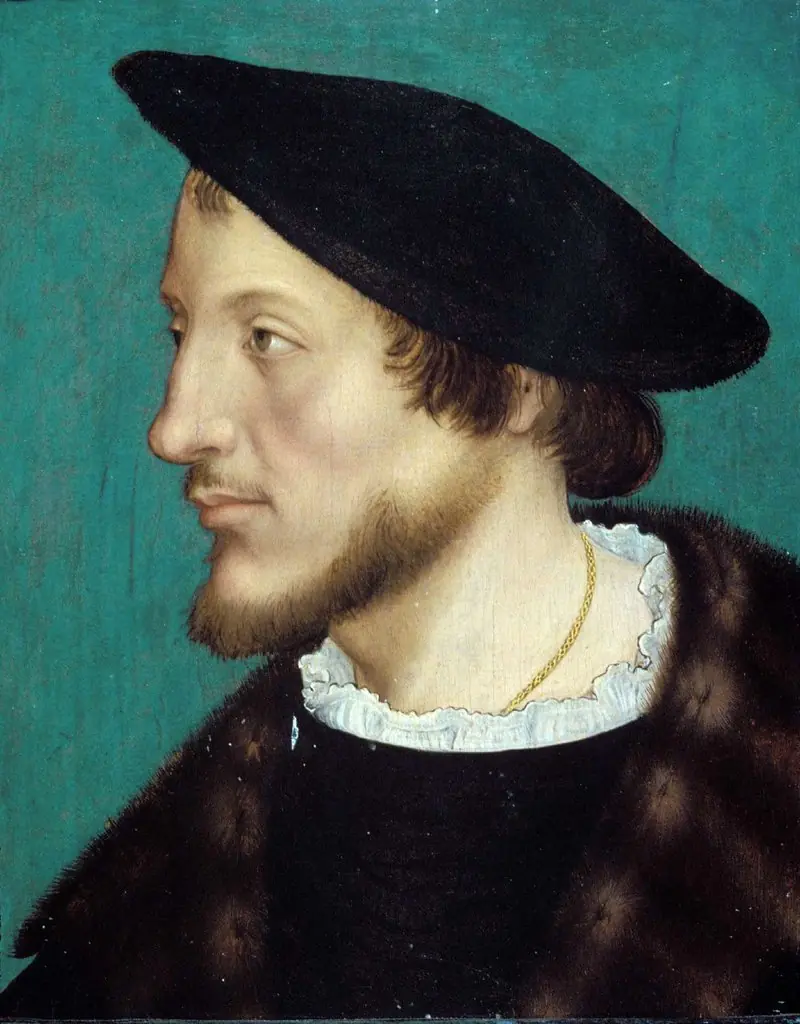 Young Man
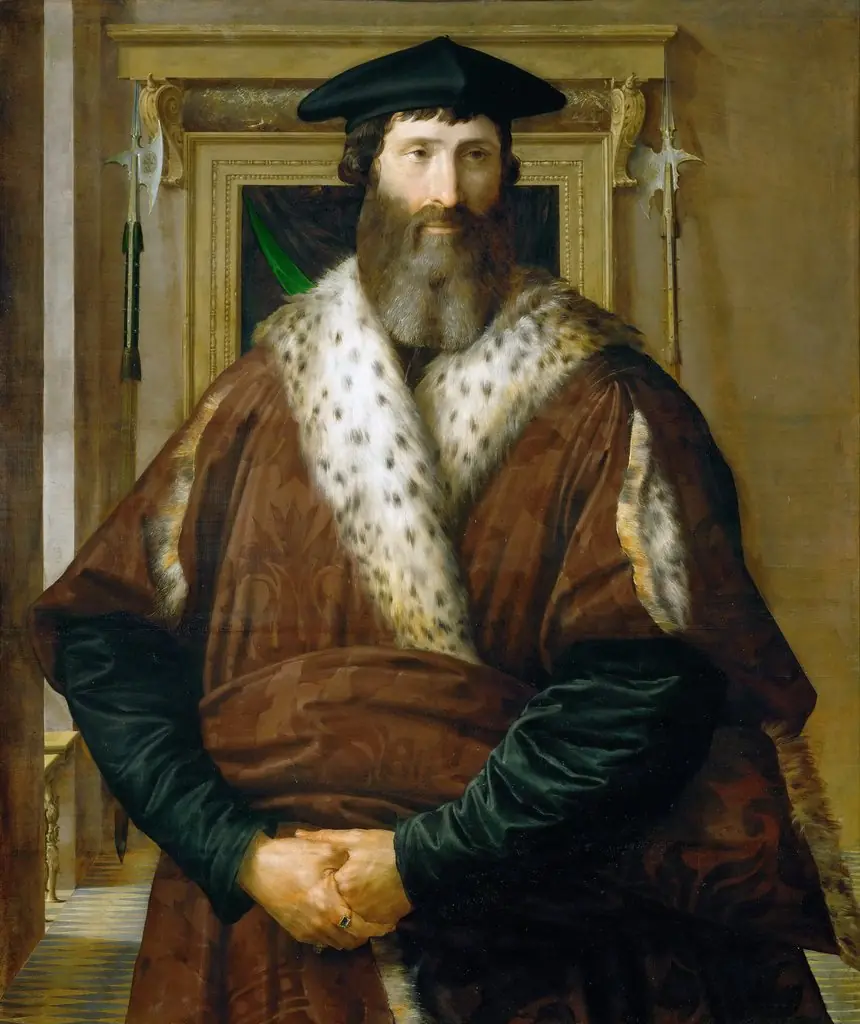 Portrait of a Man (Condottiere Malatesta Baglioni?)
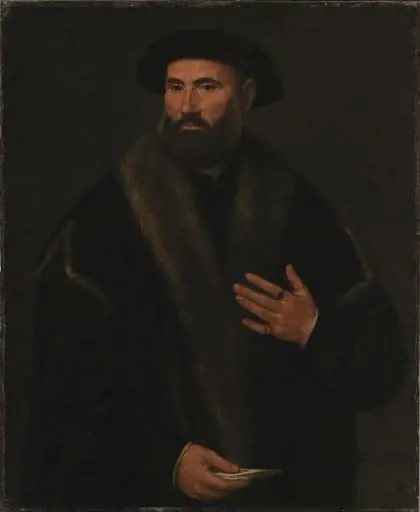 Portrait of a Man
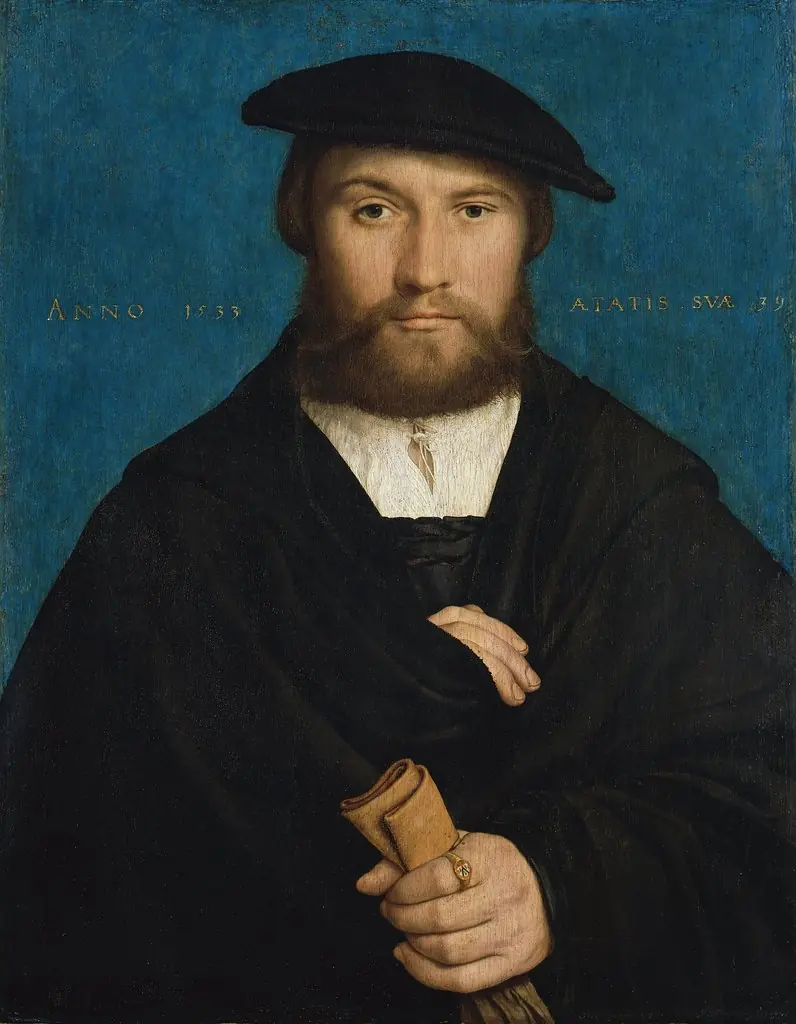 Hermann Hillebrandt de Wedigh
 Pfalzgraf Wolfgang (1494-1558)
 Portrait of Francisco de los Cobos y Molina