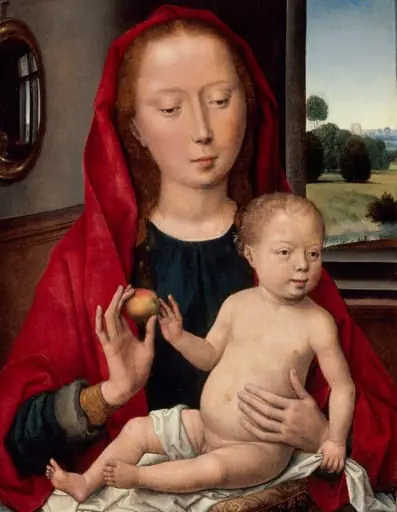
Artwork
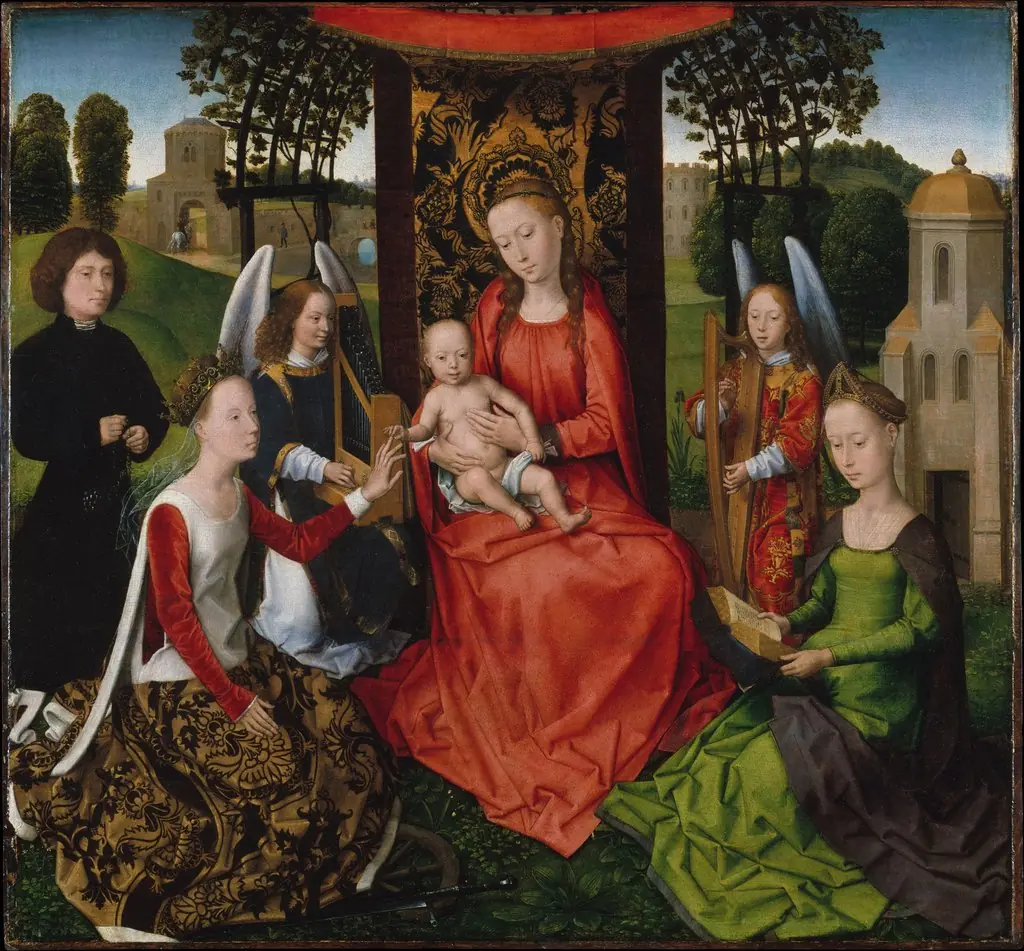
Virgin and Child
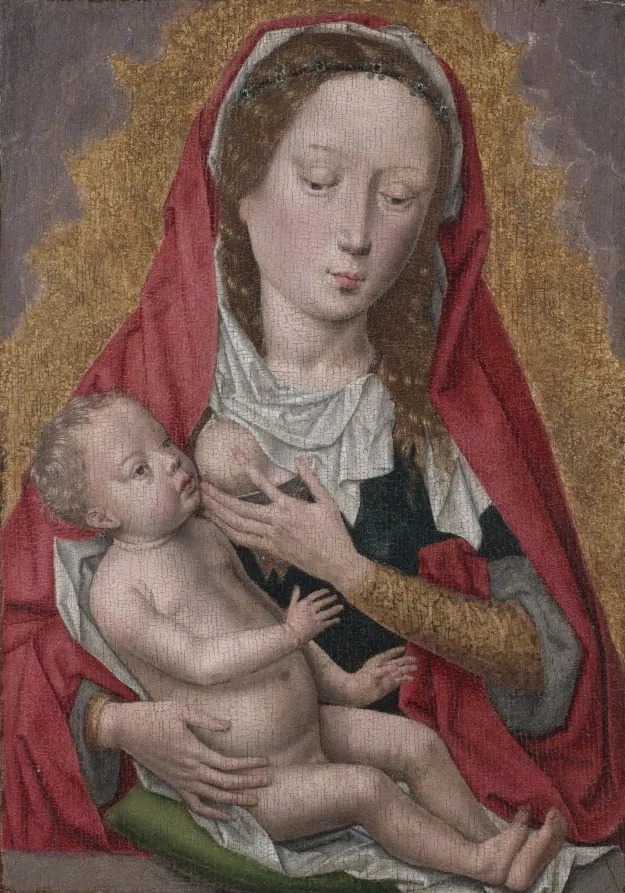
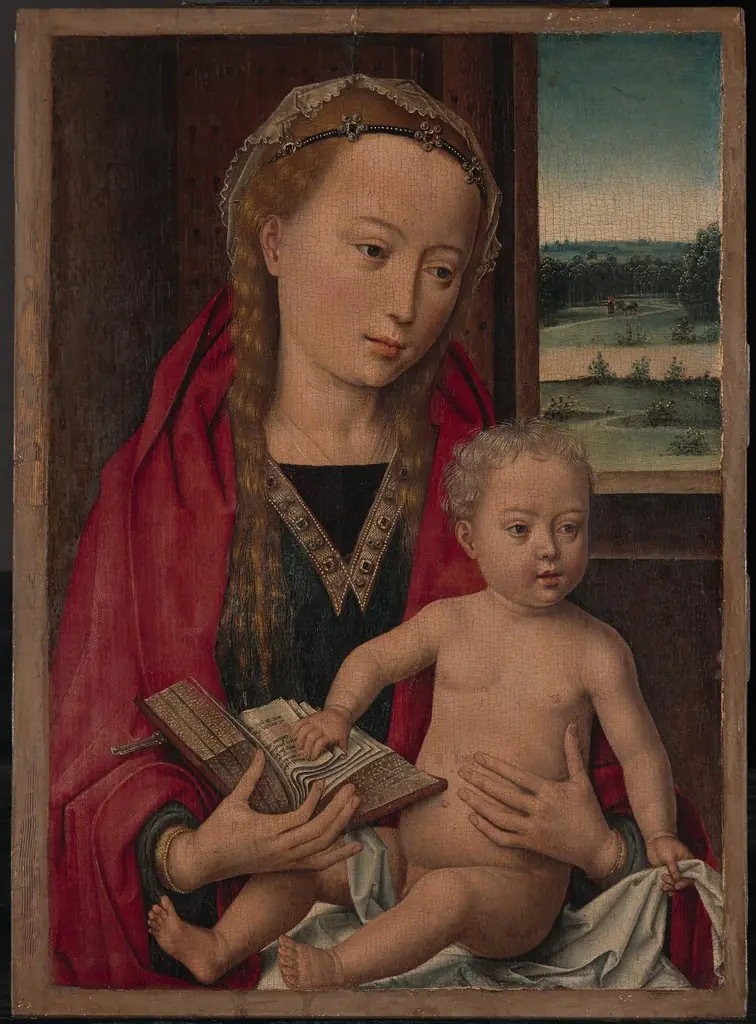
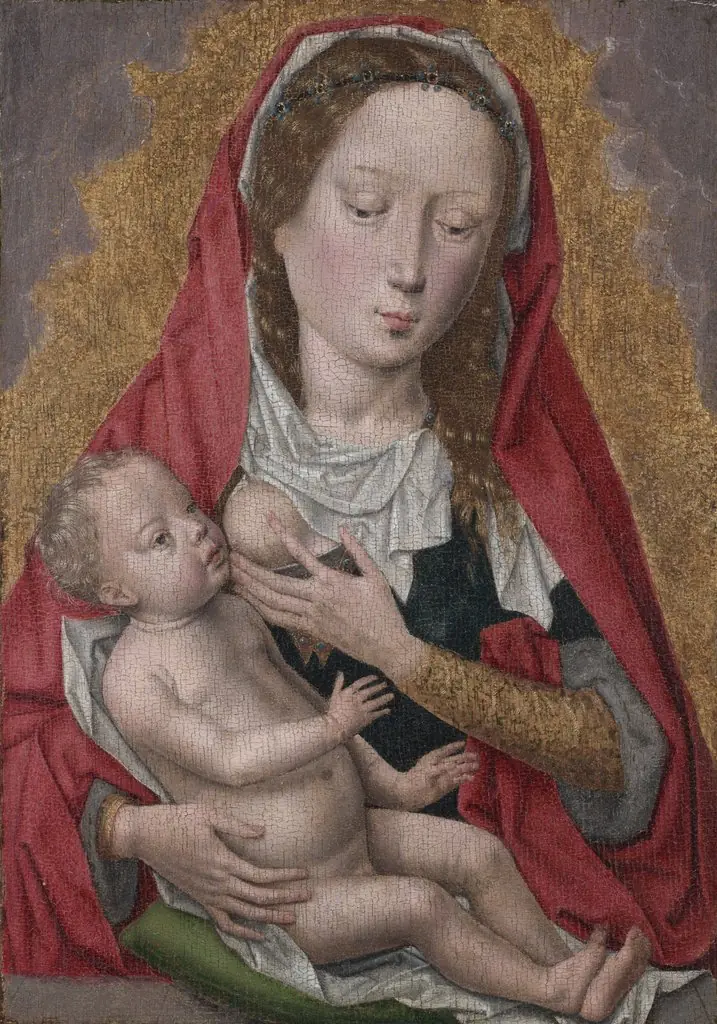
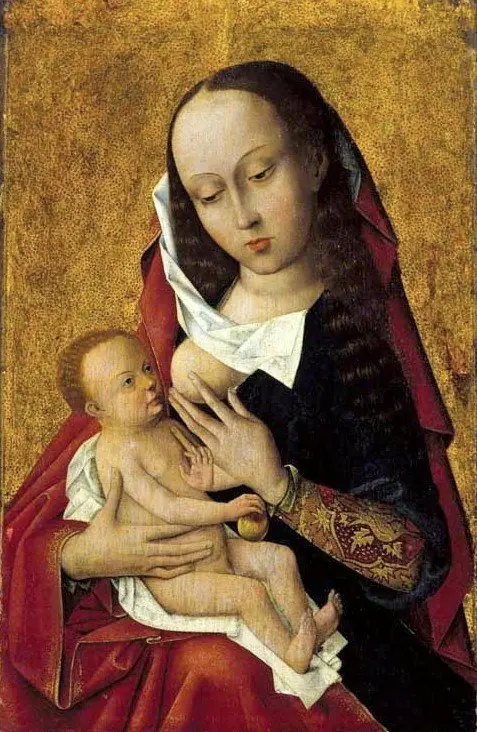
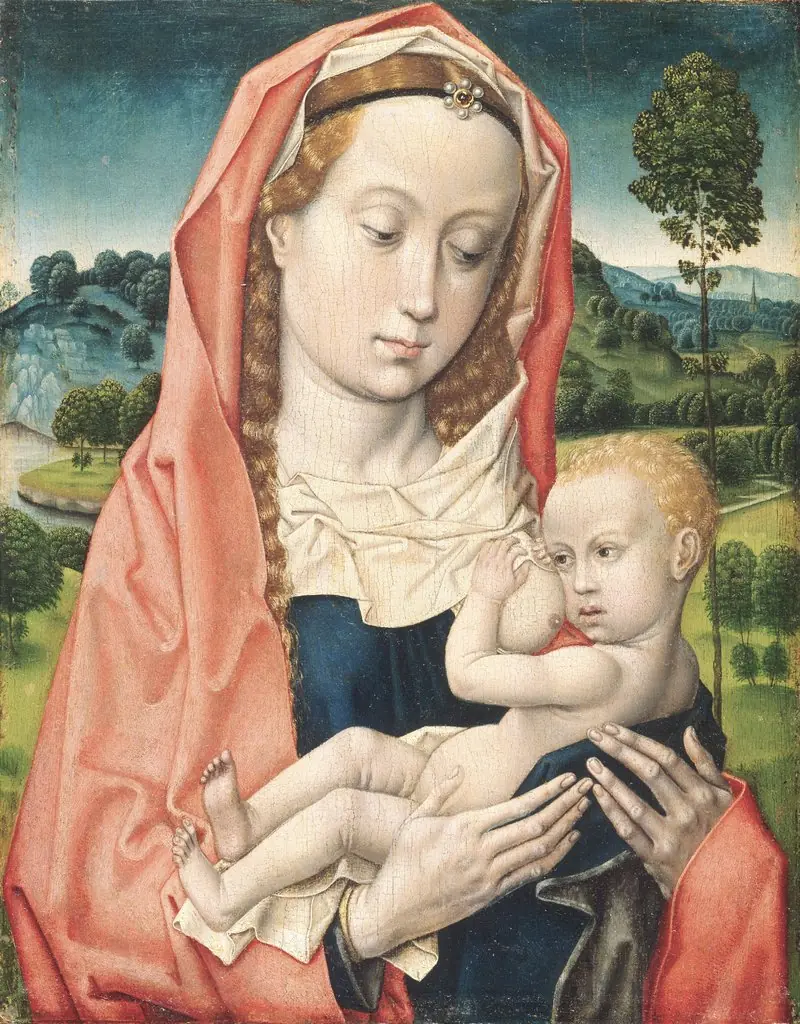
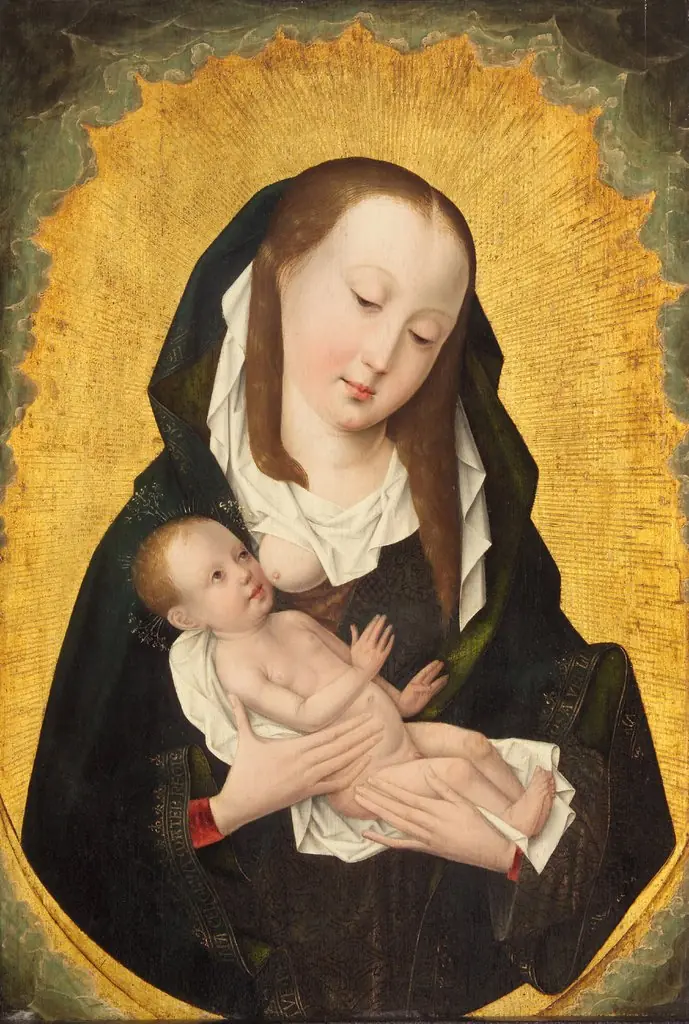
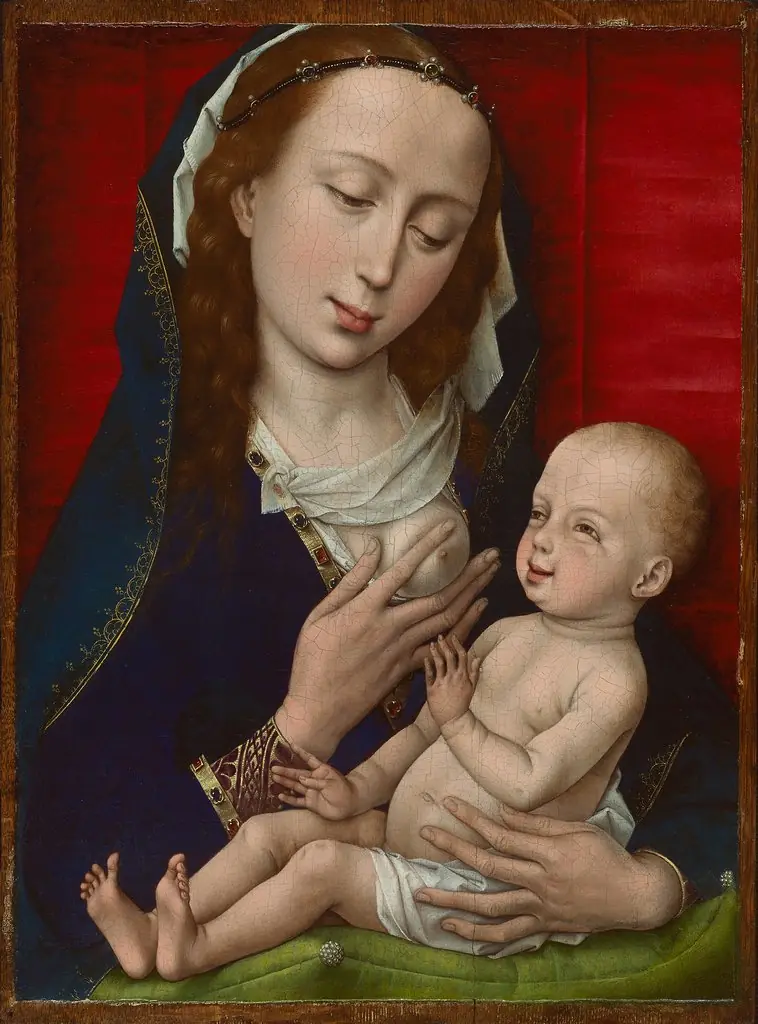
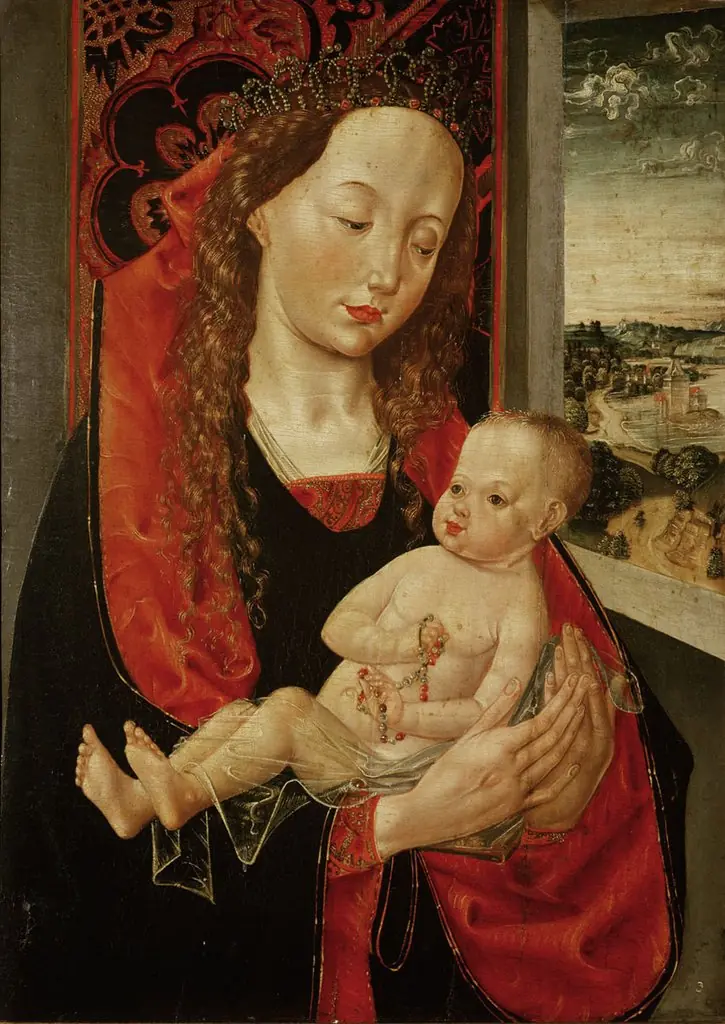
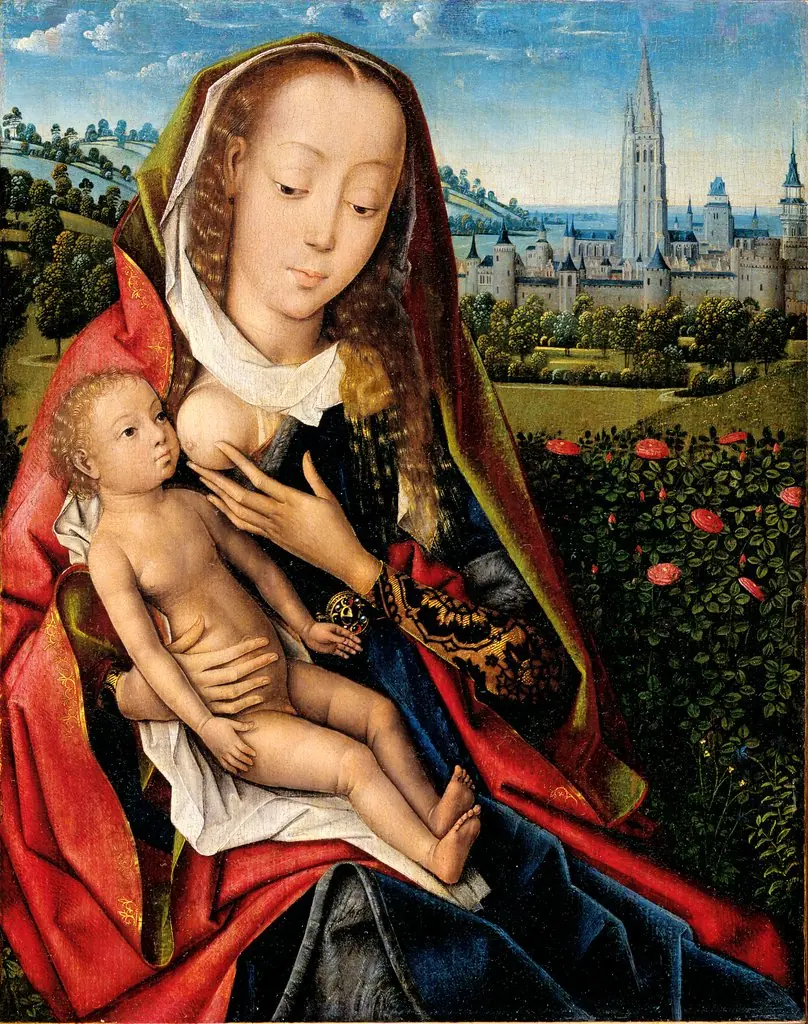
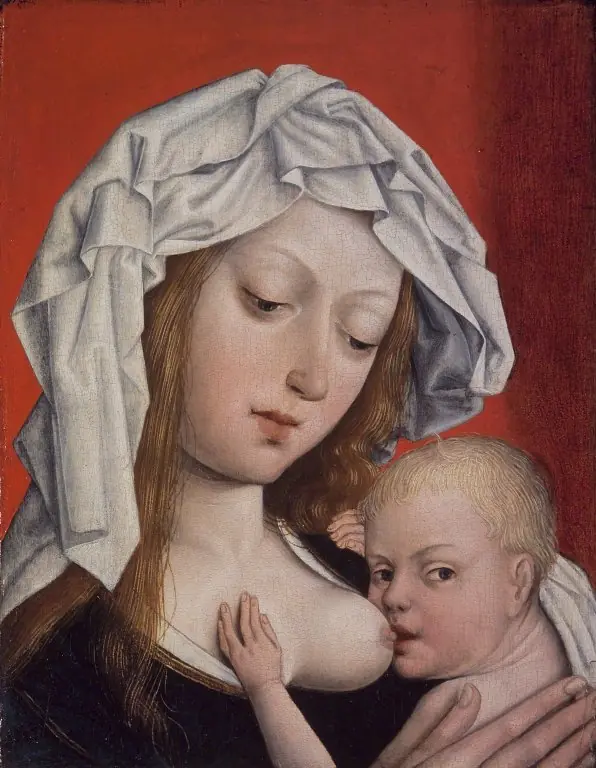
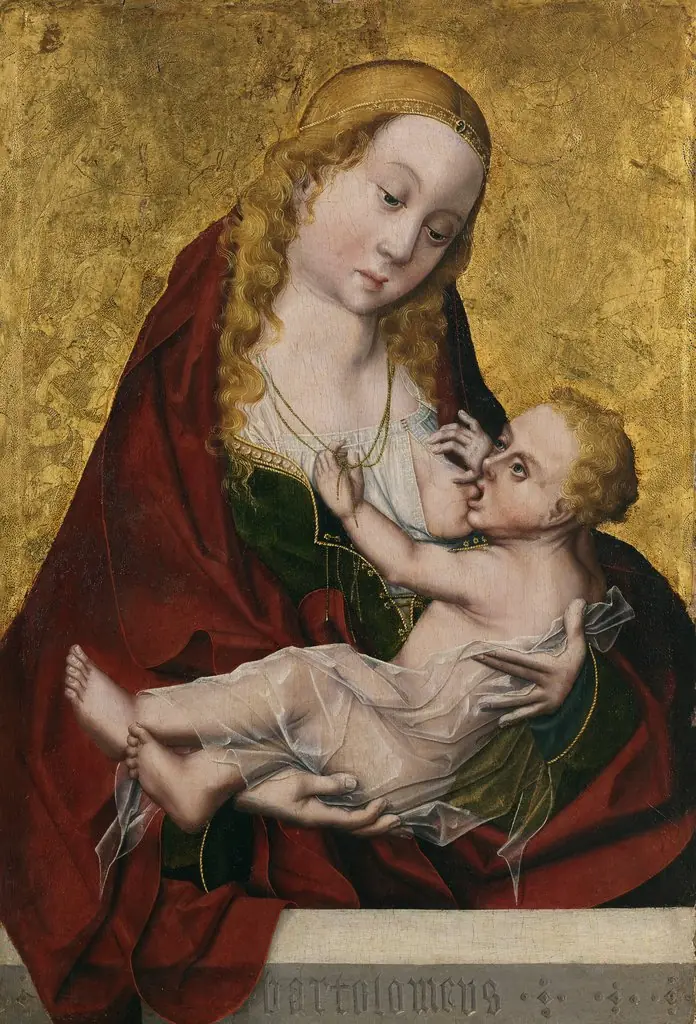
Virgin and Child is an unspecified painting by the Northern Renaissance artist Hans Memling. It dates from 1475 and is held in the collection of the Cleveland Museum of Art. This small wooden panel originally formed the left half of a hinged diptych, a format common in late medieval private devotion.
About this work
Overview
Designed to be closed when not in use, such objects functioned as portable aids for personal worship, often kept in domestic chapels or bedchambers.
This small wooden panel originally formed the left half of a hinged diptych, a format common in late medieval private devotion. The Virgin Mary holds the Christ Child, both rendered with delicate detail and richly colored garments. The right panel, now lost, would have depicted the patron in prayer. Designed to be closed when not in use, such objects functioned as portable aids for personal worship, often kept in domestic chapels or bedchambers.
Subject & Meaning
The Virgin and Child are depicted with solemn grace, their golden halos signaling divine presence. The Christ Child’s gaze and raised hand suggest awareness of the unseen figure on the missing panel, implying a spiritual connection between the sacred and the devotee. This visual dialogue reinforced the belief that prayer could bridge earthly and heavenly realms, making the devotional act intimate and immediate.
Technique & Style
Painted in oil on oak panel, the work exhibits the refined detail and luminous color typical of Early Netherlandish art. Soft modeling of flesh, intricate textile patterns, and subtle light effects reflect workshop practices associated with Hans Memling. While the execution is precise, slight variations in handling suggest it was produced by an assistant rather than the master himself, likely to meet demand for affordable devotional imagery.
History & Provenance
Created in Bruges around the late 15th century, the panel belonged to a wealthy individual—possibly a merchant or cleric—whose portrait once occupied the companion panel. Such diptychs were commonly commissioned for private use, and the loss of the right panel likely occurred during the Reformation or later dispersals of religious art. Its survival as a single panel reflects its enduring aesthetic value beyond its original function.
Context
Devotional diptychs flourished in the Low Countries after 1400, particularly in urban centers like Bruges, where a prosperous merchant class sought personal religious objects. Influenced by Burgundian court tastes, these works blended piety with status. Their portability allowed use in private spaces, aligning with growing trends in individualized spirituality and the rise of lay devotion outside formal church settings.
Legacy
Though the companion panel is lost, this fragment preserves key characteristics of Memling’s workshop output and the broader tradition of Netherlandish devotional art. It exemplifies how religious imagery was tailored to private experience, bridging the sacred and the domestic. Surviving examples like this one inform modern understanding of how medieval individuals engaged with faith through intimate, tactile objects.
Artist & collection
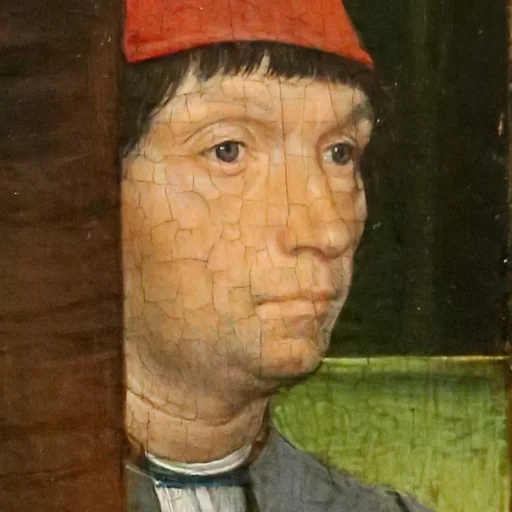
Artist
Hans Memling was a German-Flemish painter who worked in the tradition of Early Netherlandish painting.

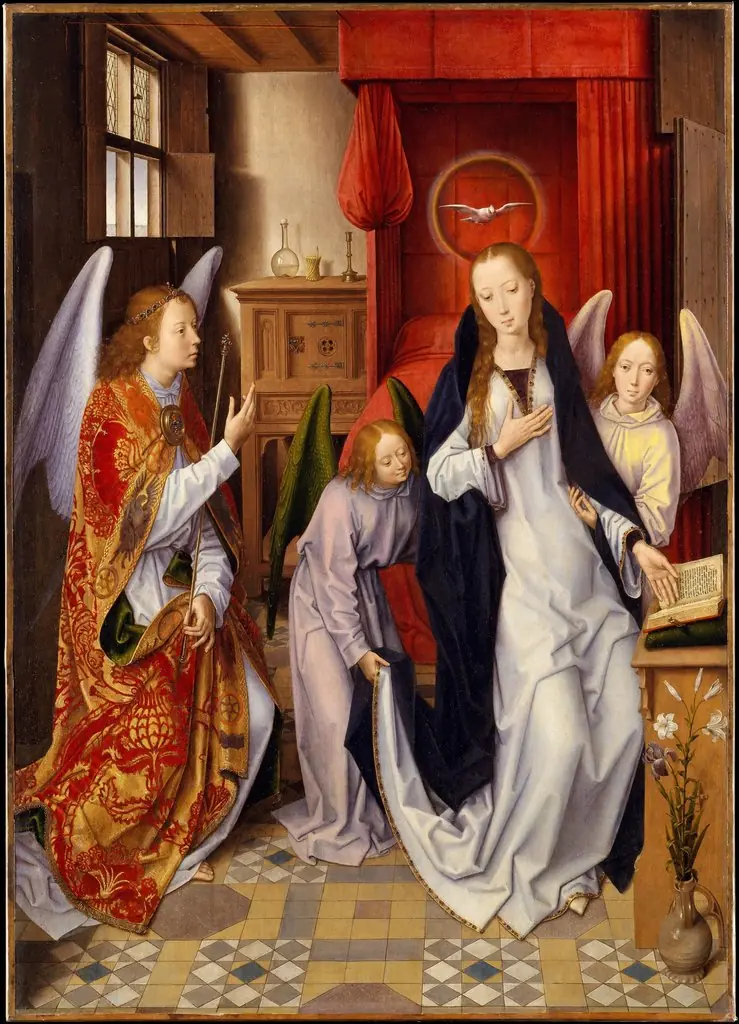
![Saint Veronica [obverse], by Hans Memling](https://artifactworldgallery.com/img/hans-memling--saint-veronica-obverse--5a649fd8b09c96b9-w320.webp)