Artwork
Virgin and Child
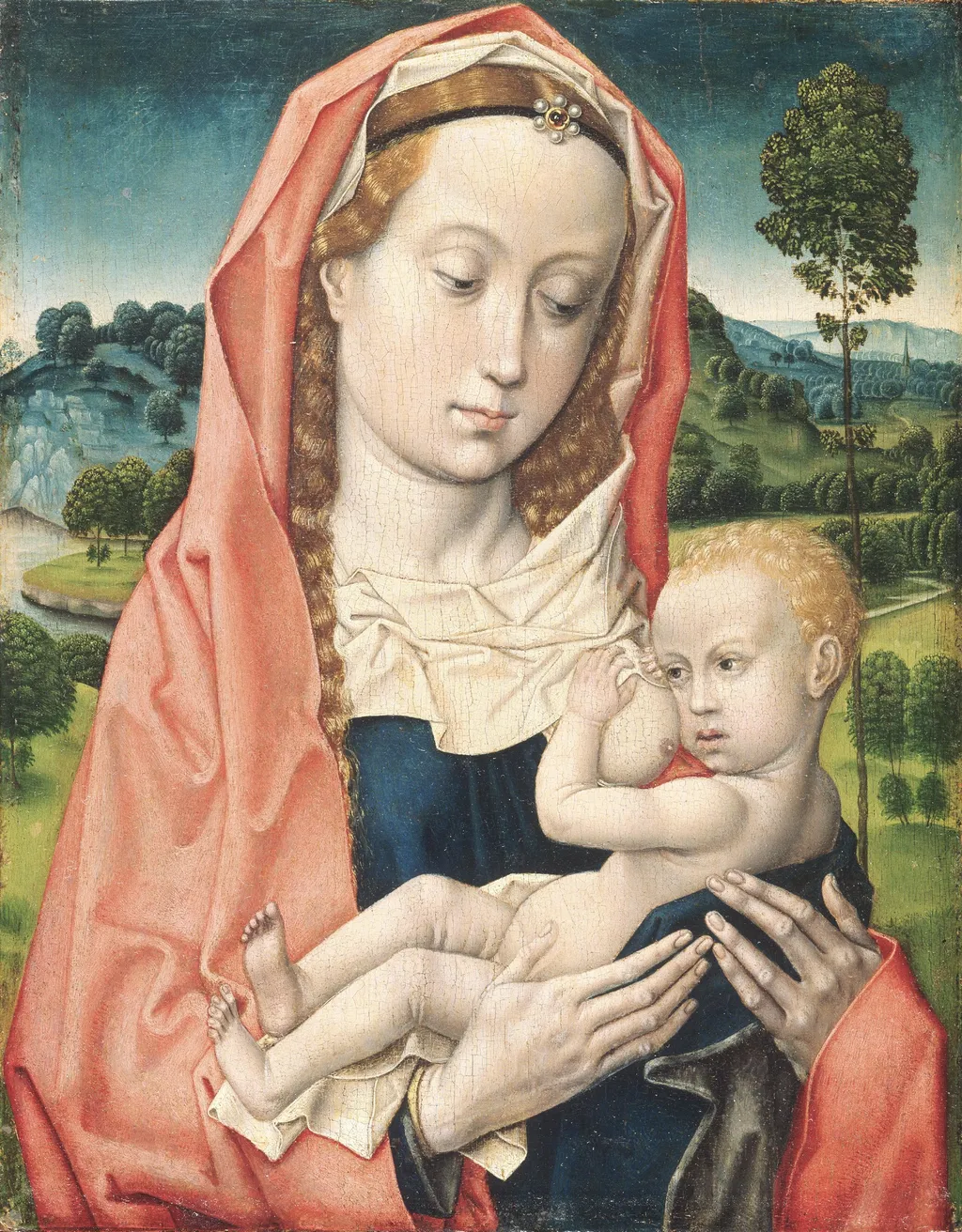
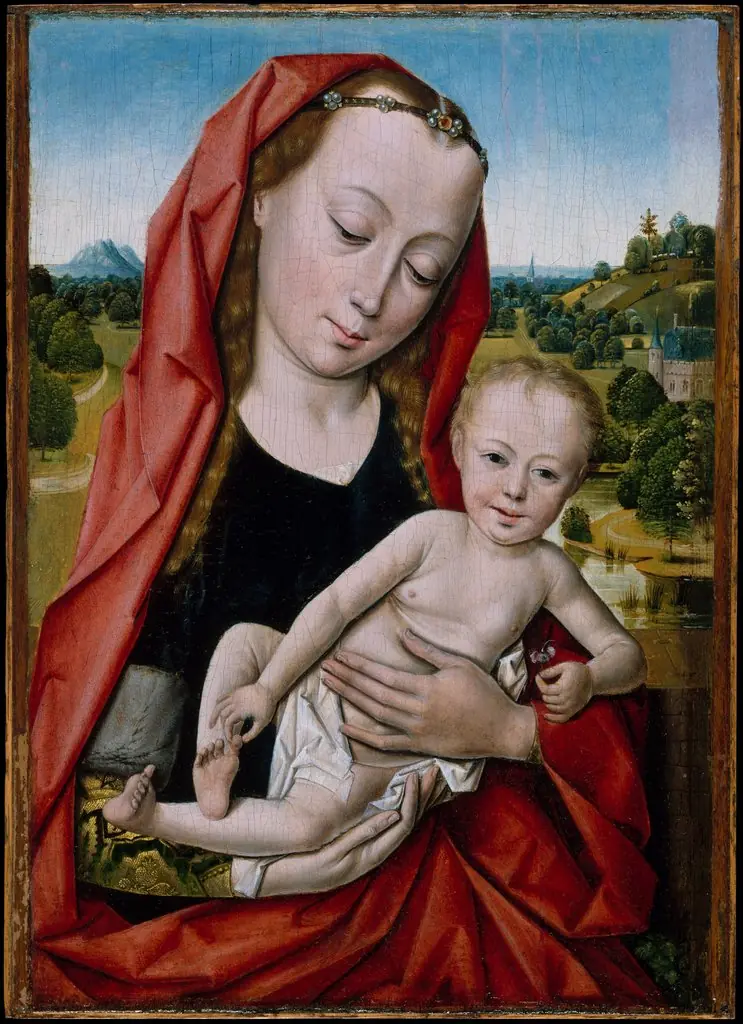
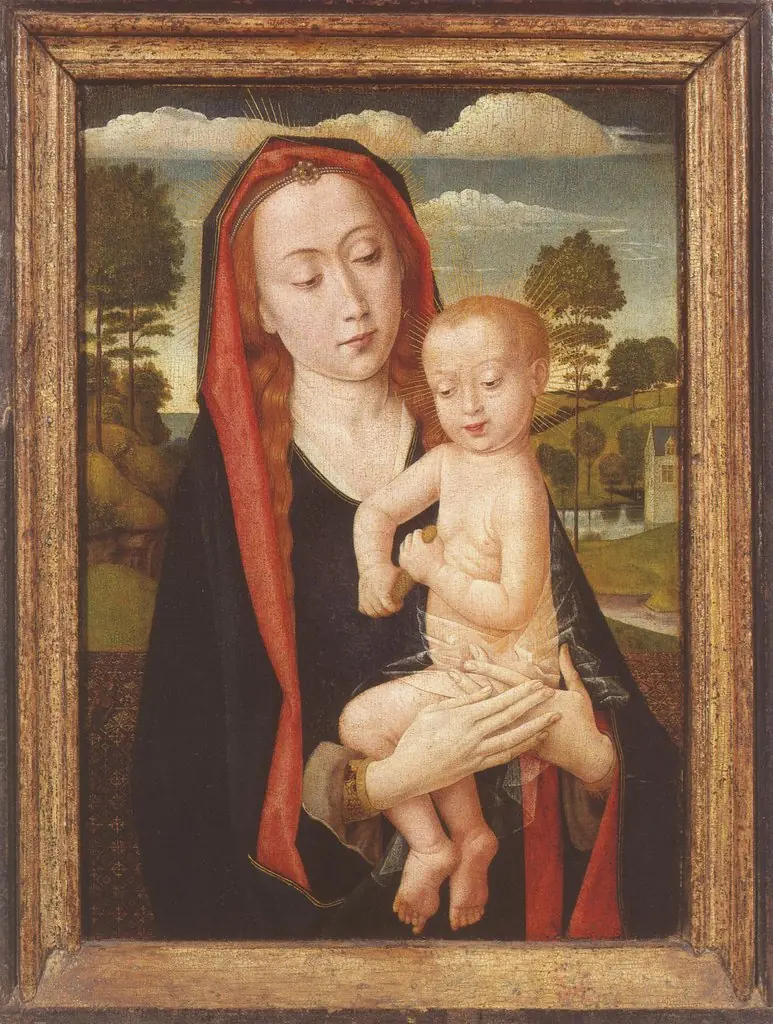
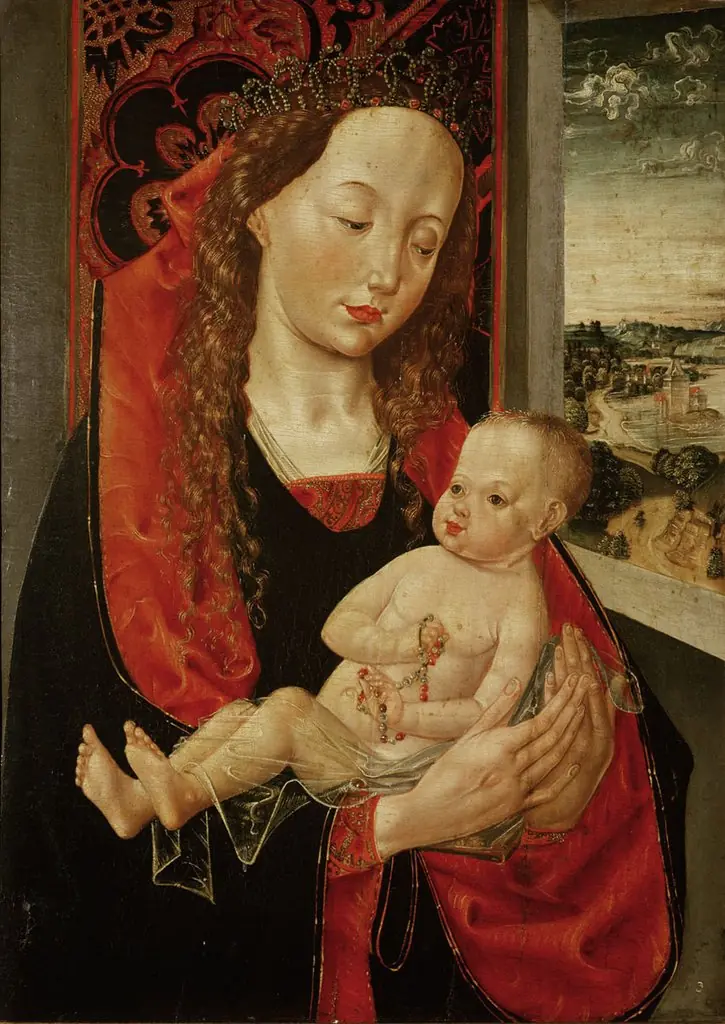
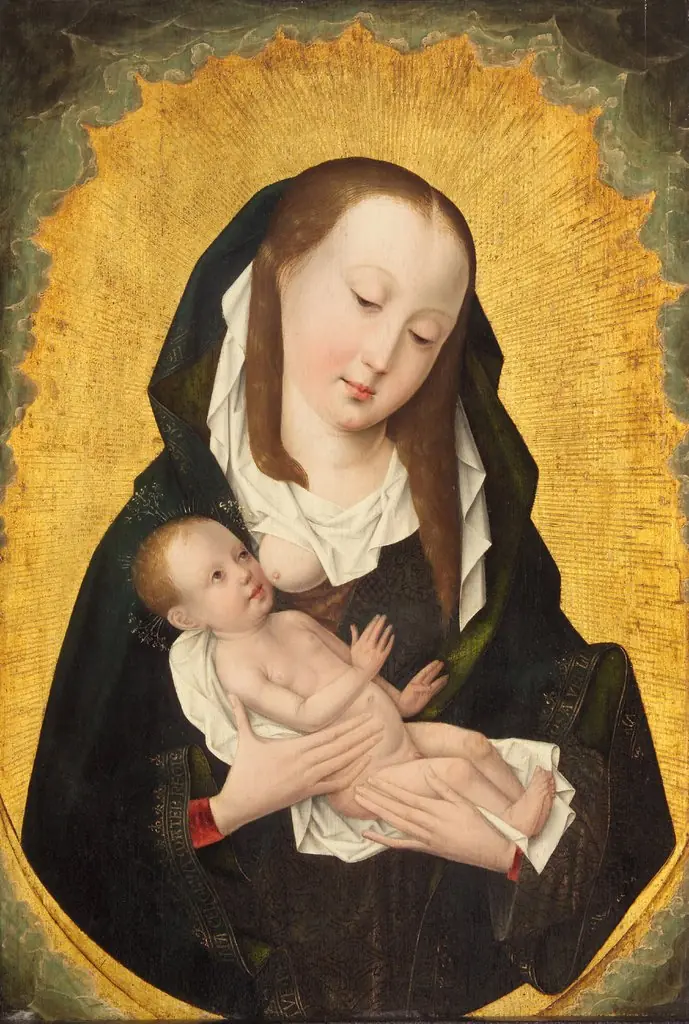
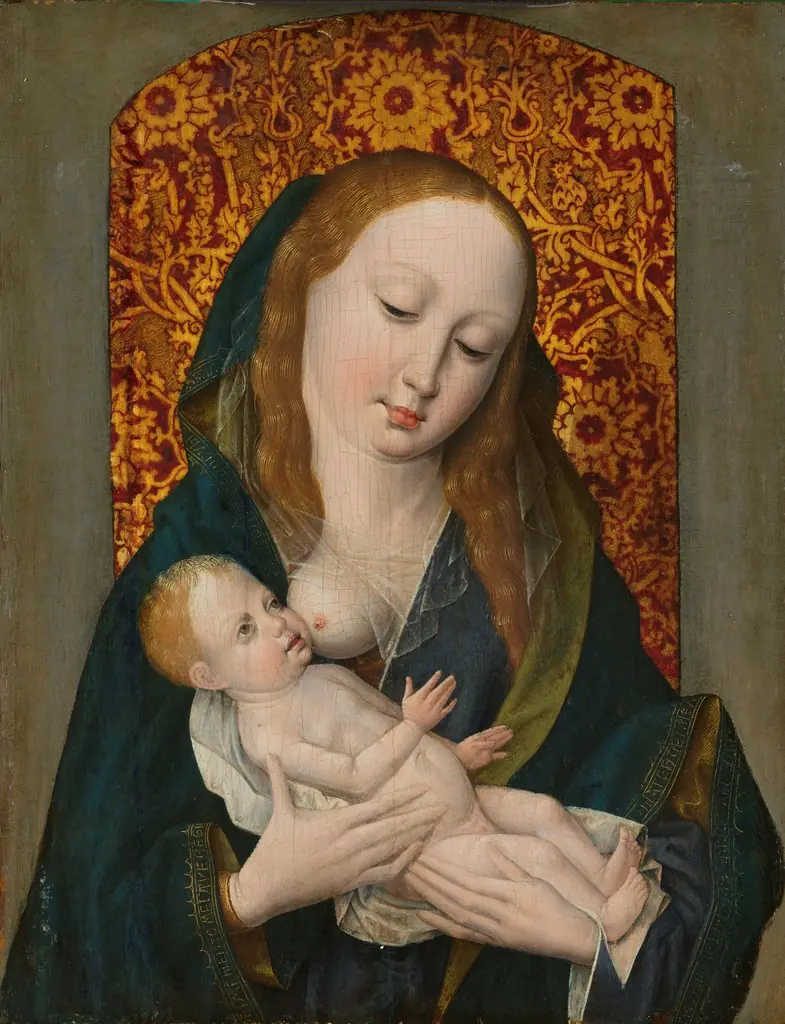
Virgin and Child is an oil painting by Hugo Van der Goes. It dates from 1474 and is held in the collection of the Philadelphia Museum of Art.
About this work
Overview
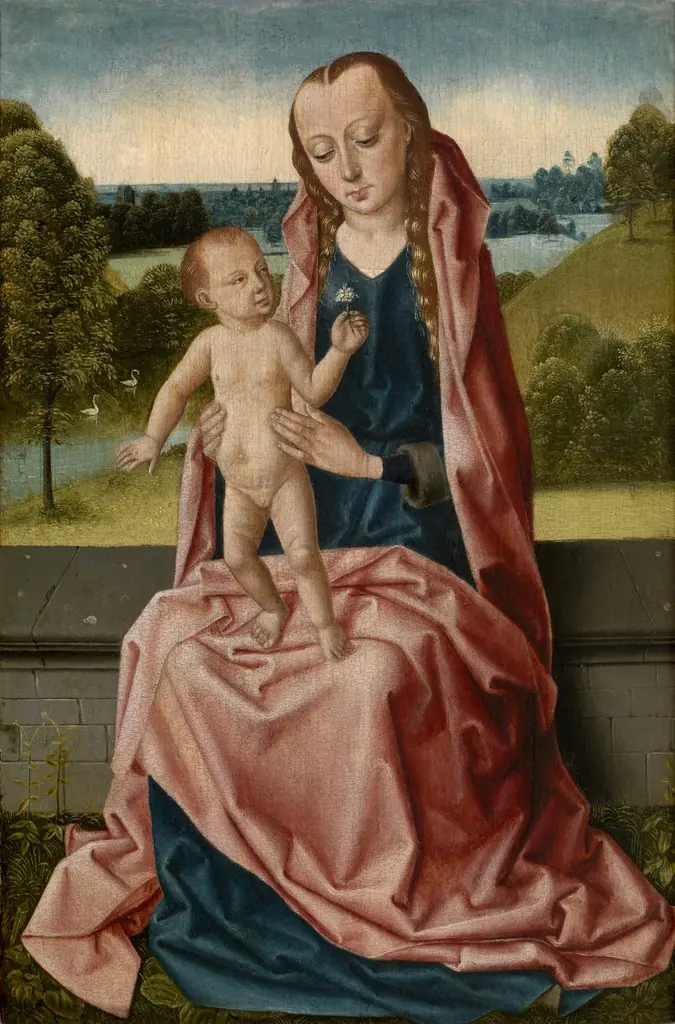
Created in 1474, this oil painting by the Flemish artist Hugo van der Goes portrays the Virgin Mary cradling the infant Jesus. The composition presents a tender interaction set against a serene landscape of fields, trees, hills and water, under a clear blue sky.
Subject & Meaning
The work follows the traditional devotional theme of the Virgin and Child, emphasizing maternal affection and the humanity of Christ. Mary's gaze toward her son and the child's gesture of holding a cloth to his ear convey intimacy and the early life of the Savior.
Technique & Style
Van der Goes employs the rich, layered oil medium characteristic of late 15th‑century Netherlandish painting. The palette combines a pink mantle, a blue dress with a white collar, and subtle flesh tones, while the landscape background displays delicate atmospheric perspective.
History & Provenance
The painting has been part of the Philadelphia Museum of Art’s collection, where it is displayed as an example of the artist’s religious genre work. Its acquisition history traces back to the museum’s early 20th‑century purchases of Flemish masterpieces.
Context
During the period when van der Goes was active, Flemish painters were pioneering naturalistic detail and sophisticated color harmonies. This piece reflects those trends, situating the Virgin and Child within a realistic setting rather than a purely symbolic space, aligning with contemporary devotional practices.
Own this work as a print
Artist & collection
Artist
Hugo van der Goes (c. 1430/1440 – 1482) was a Flemish painter who was one of the most significant and original Early Netherlandish painters of the late 15th century. Van der Goes was an important painter of altarpieces…

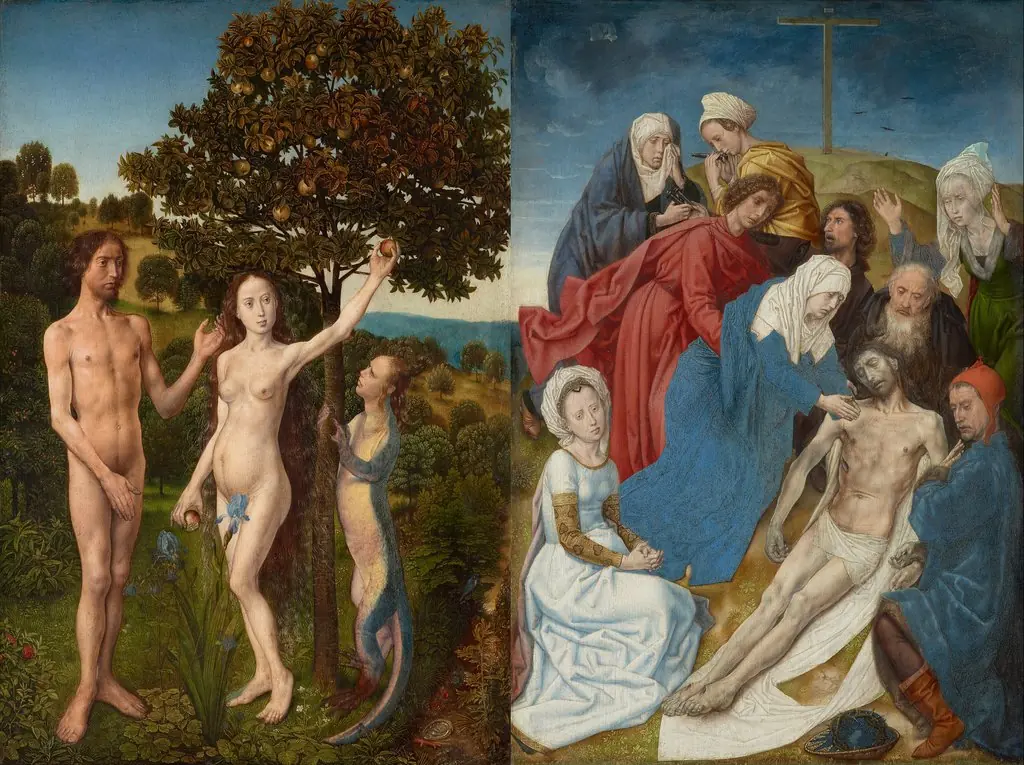 Vienna Diptych
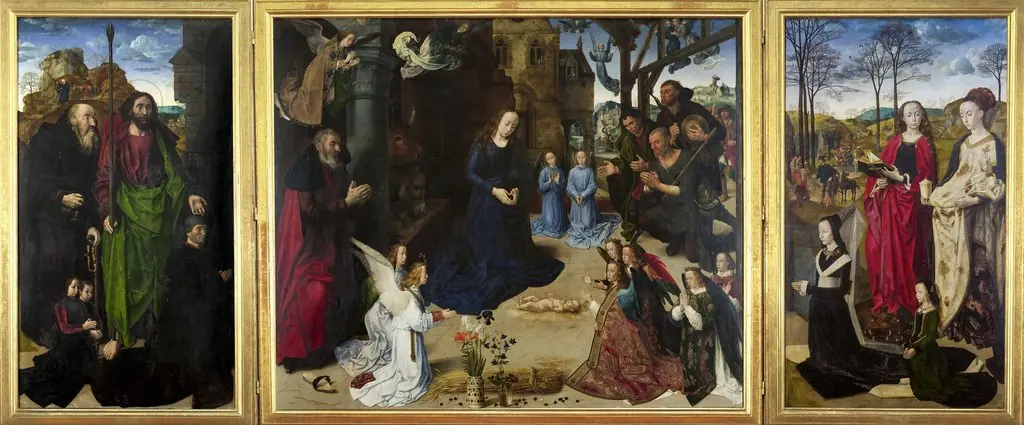 Portinari Triptych
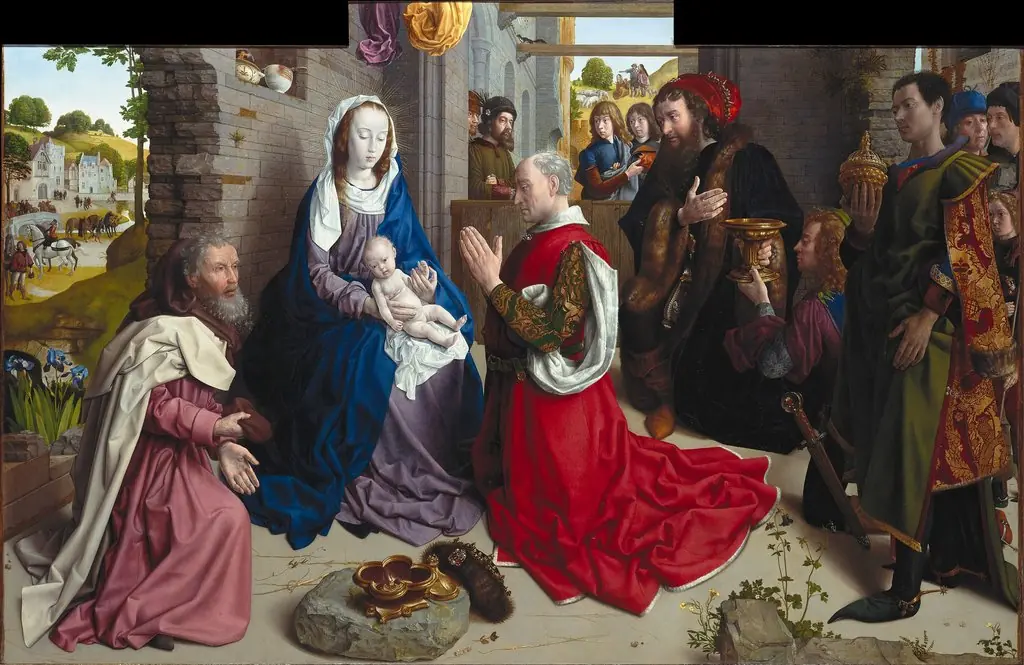 Monforte Altarpiece
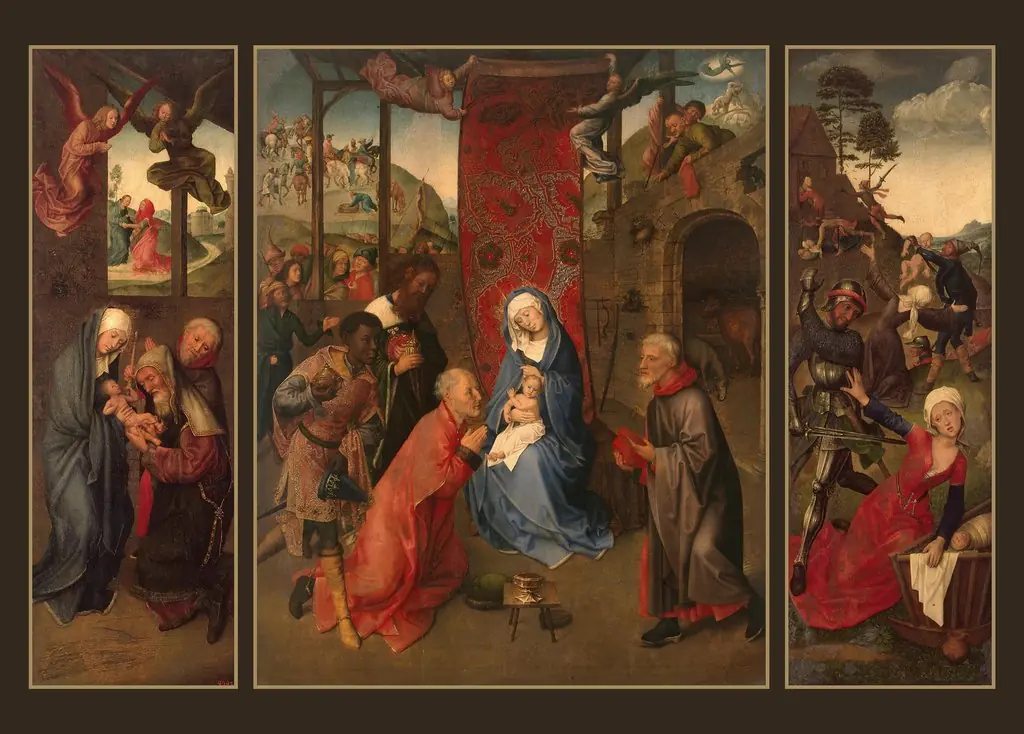 Adoration of the Magi (Triptych)
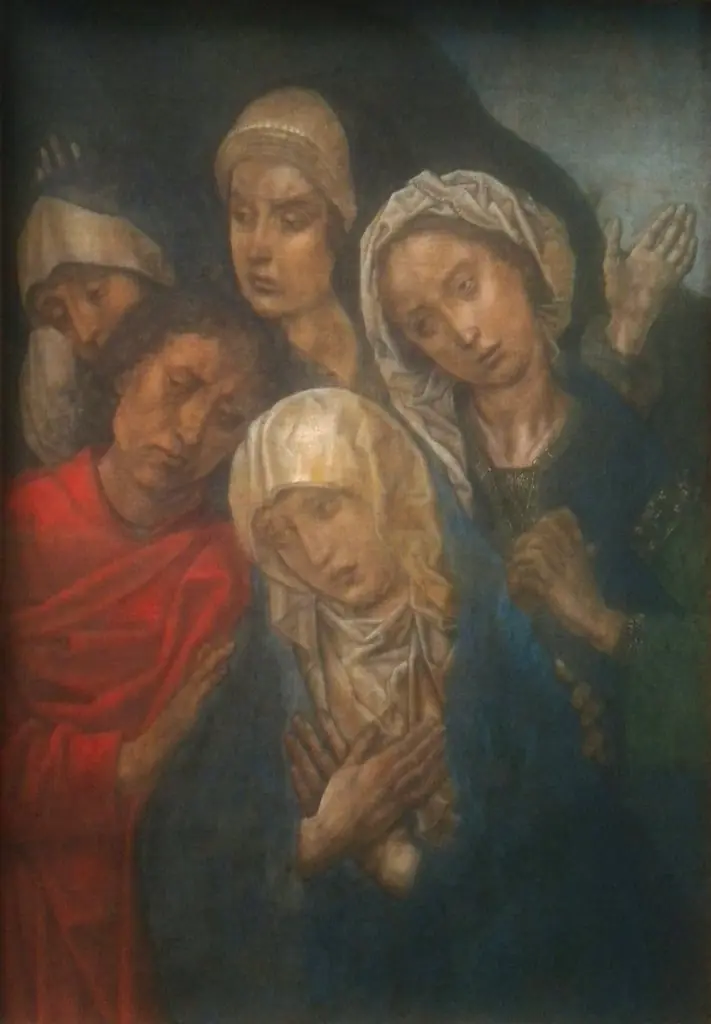 The Mourning of Christ
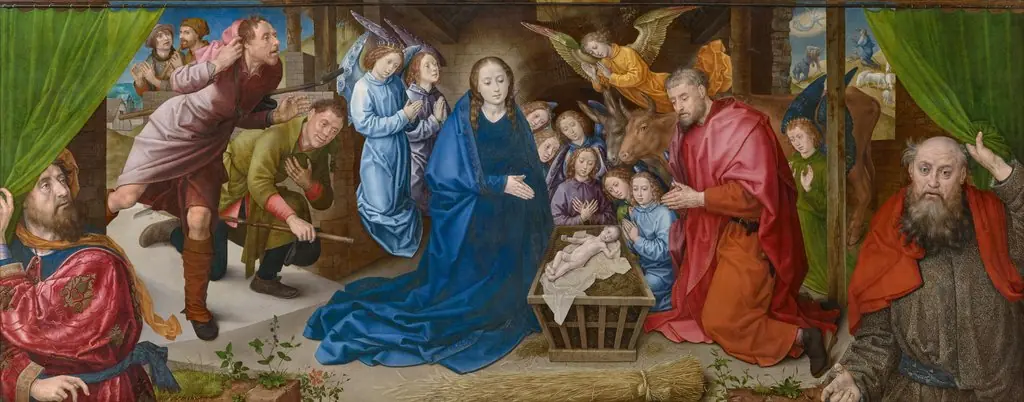 Adoration of the Shepherds
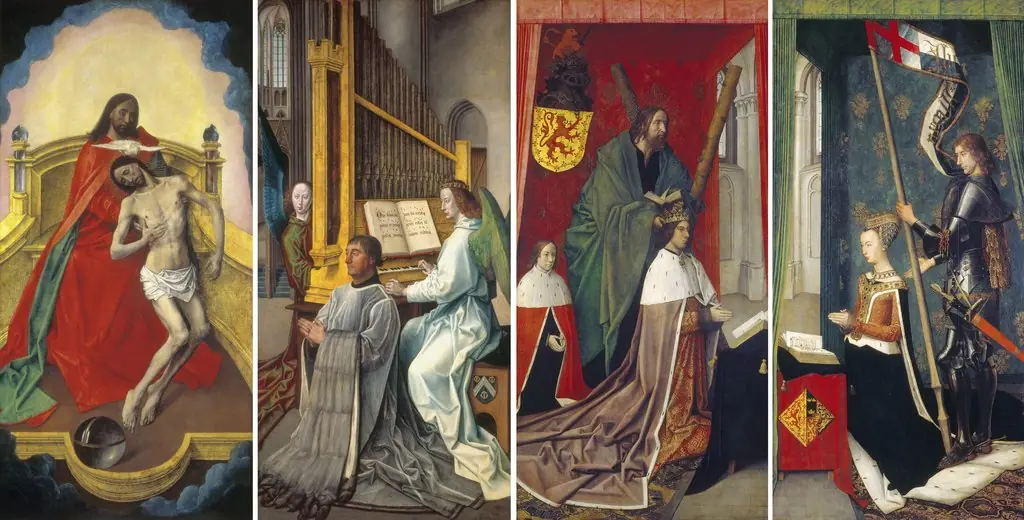 Trinity Altarpiece
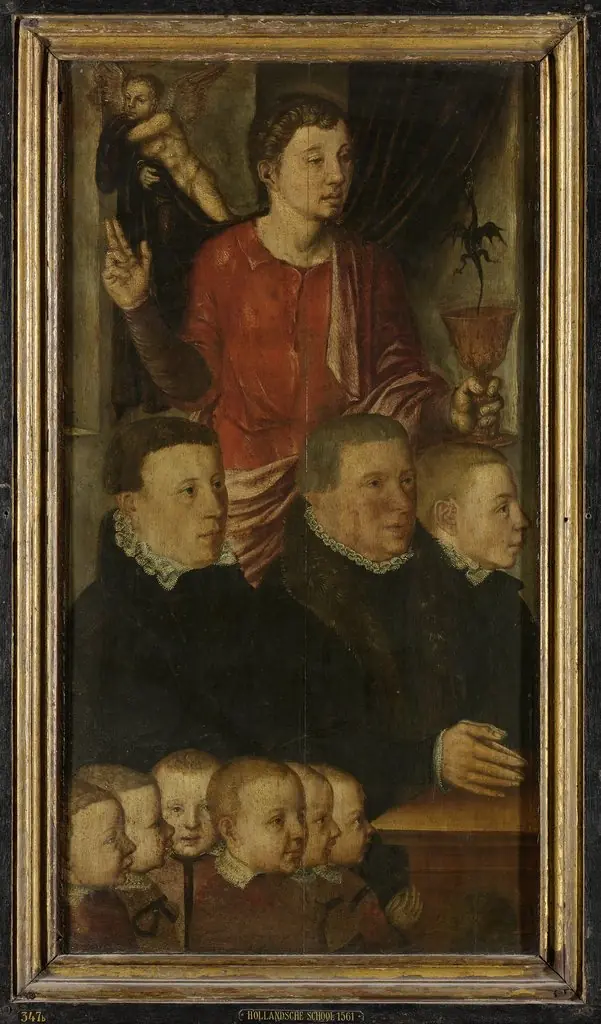 Left wing of a Memorial Triptych, formerly called the Gertz Memorial Triptych, with nine male Donor Portraits with Saint John the Evangelist (inner), and Saint Peter (outer)