Artwork
Jupiter, Antiope and Cupid
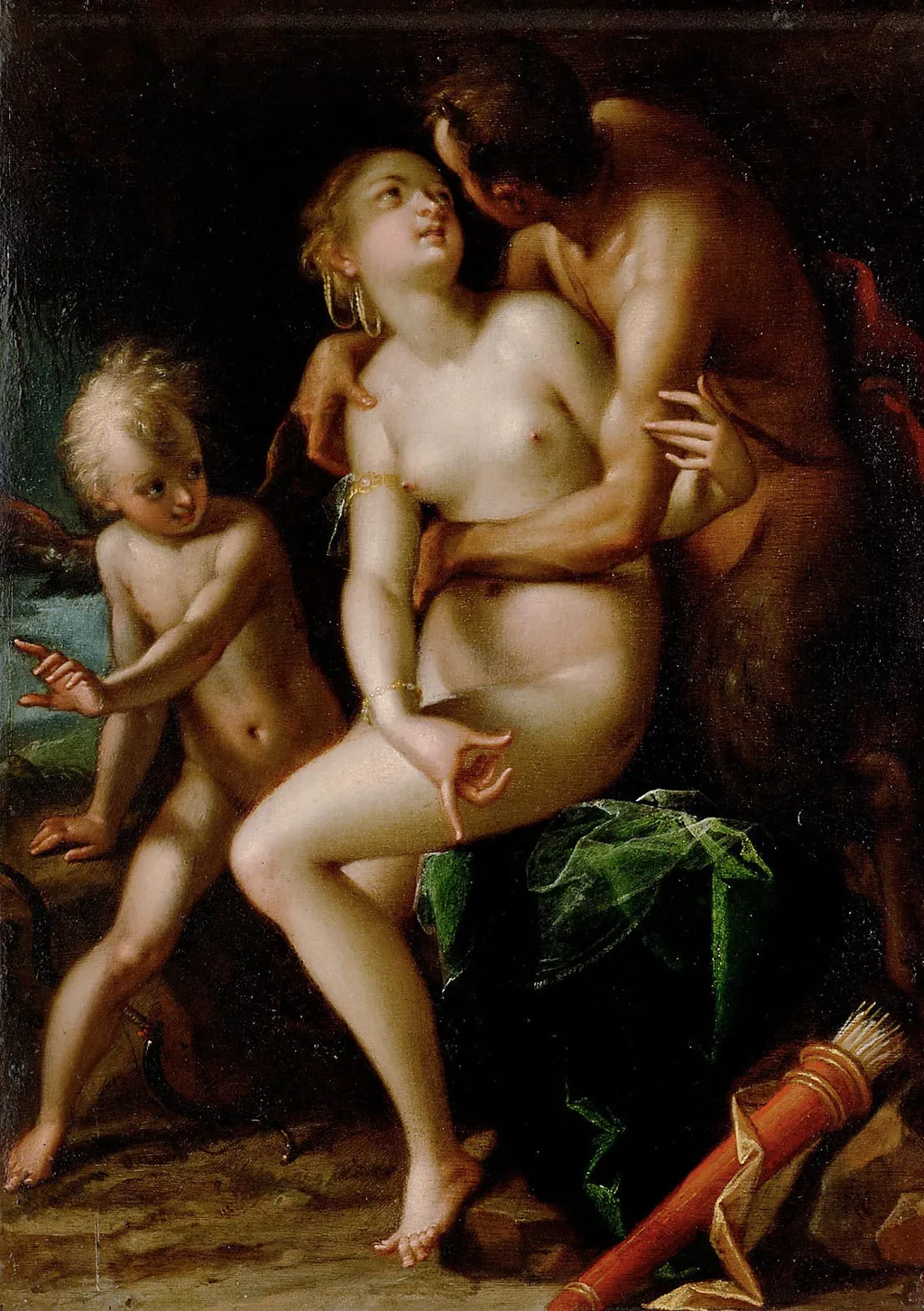
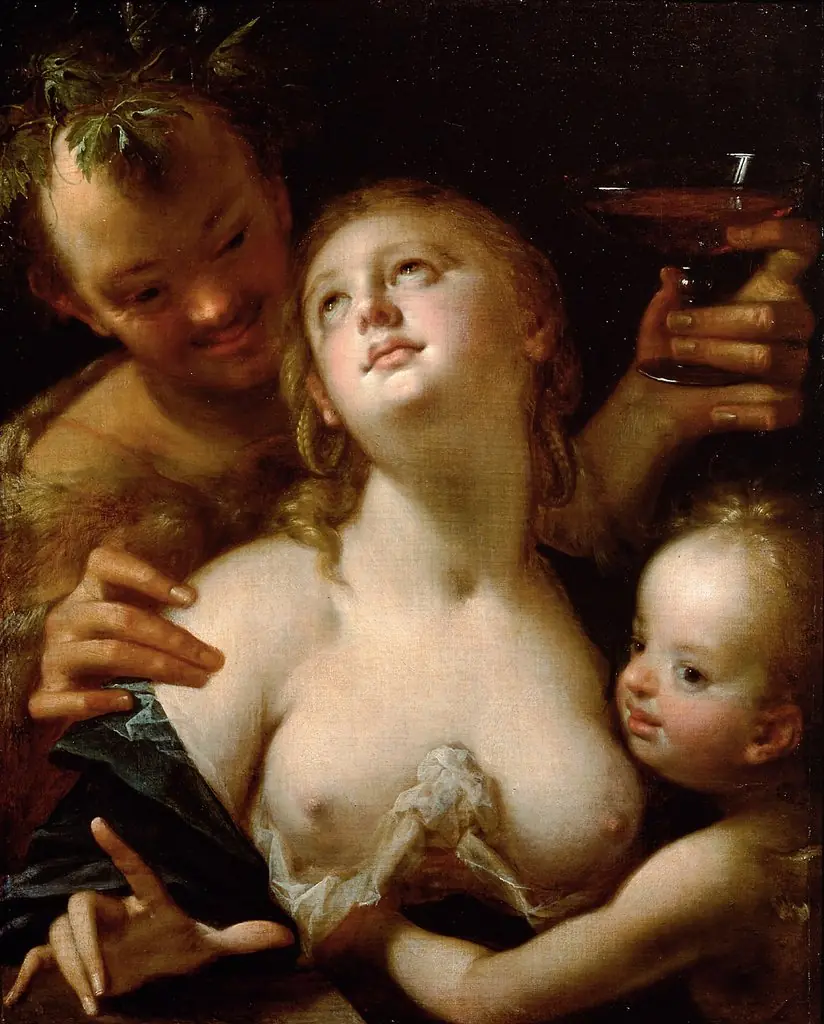
Jupiter, Antiope and Cupid is a paint painting by the Mannerist artist Hans von Aachen. It dates from 1598 and is held in the collection of the Kunsthistorisches Museum.
About this work
Overview
The figures are set against a darkened backdrop, their forms illuminated by a subtle light that emphasizes the intimacy of the scene.
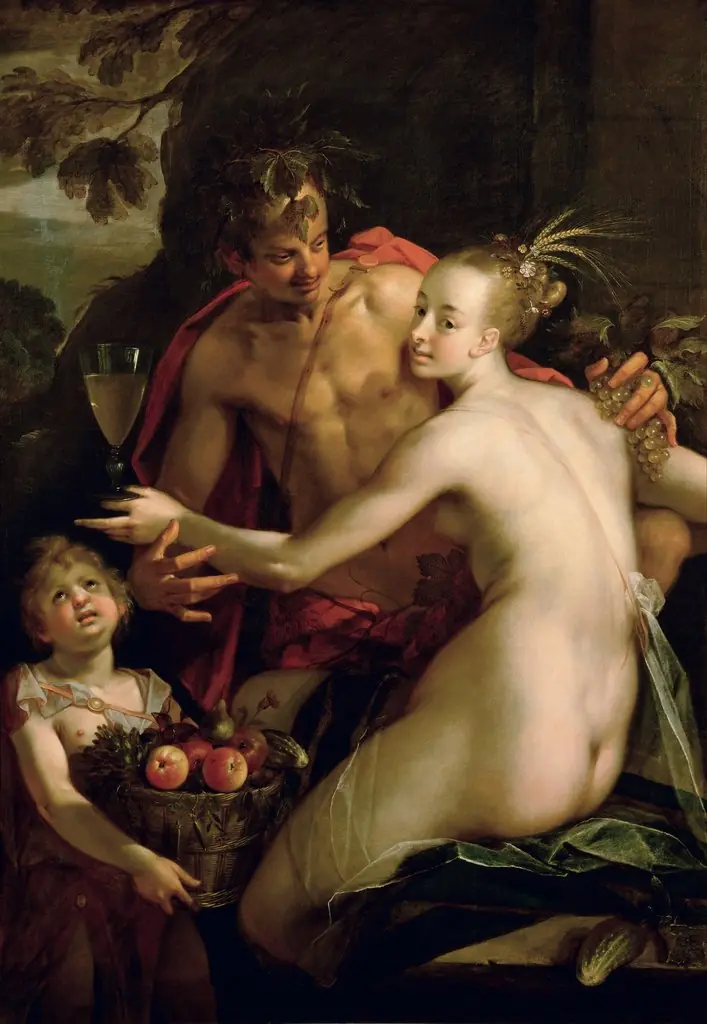
Hans von Aachen’s 1598 copper painting, *Jupiter, Antiope and Cupid*, presents a compact, nocturnal tableau in which a nude couple embraces while a small child, identified as Cupid, gestures toward them. The figures are set against a darkened backdrop, their forms illuminated by a subtle light that emphasizes the intimacy of the scene. The work exemplifies the artist’s facility with mythological subjects and his preference for sensual, narrative compositions.
Subject & Meaning
The composition draws on the classical myth in which Zeus, disguised as a satyr, seduces the mortal Antiope; the presence of Cupid alludes to the divine love that underpins the encounter. Antiope’s upward gaze and startled expression suggest a moment of revelation, while the surrounding objects remain ambiguous, focusing attention on the emotional charge between the divine lover and his mortal target.
Technique & Style
Executed on copper, the painting benefits from the medium’s smooth surface, allowing von Aachen to render fine details and a luminous skin tone. His handling of light and shadow reflects a nuanced chiaroscuro, creating depth within the limited space. The elongated proportions and graceful poses are characteristic of Northern Mannerism, emphasizing elegance over strict naturalism.
History & Provenance
Created during von Aachen’s mature period, the work was likely commissioned by Emperor Rudolf II, whose court favored eroticized mythological scenes. After remaining in the Habsburg collections, the painting entered the holdings of the Kunsthistorisches Museum in Vienna, where it is displayed as part of the museum’s extensive Northern Mannerist holdings.
Context
At the turn of the seventeenth century, Rudolf II’s court in Prague became a hub for artists exploring sophisticated allegories and sensual themes. Von Aachen, a leading figure among these court painters, blended Italianate Mannerist influences with his Germanic training, producing works that catered to the emperor’s taste for intellectual and erotic visual narratives.
Artist & collection
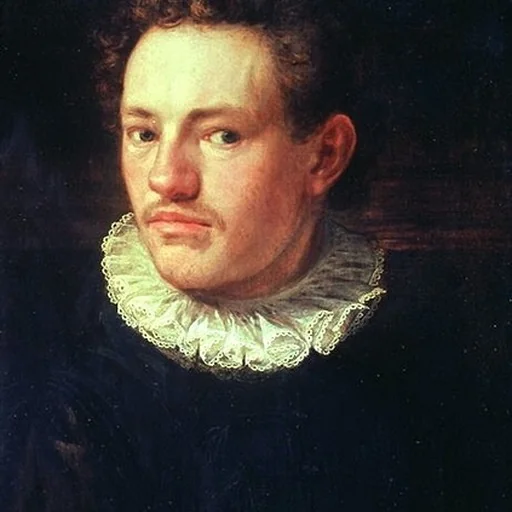
Artist
Hans von Aachen (1552 – 4 March 1615) was a German painter who was one of the leading representatives of Northern Mannerism.