Artwork
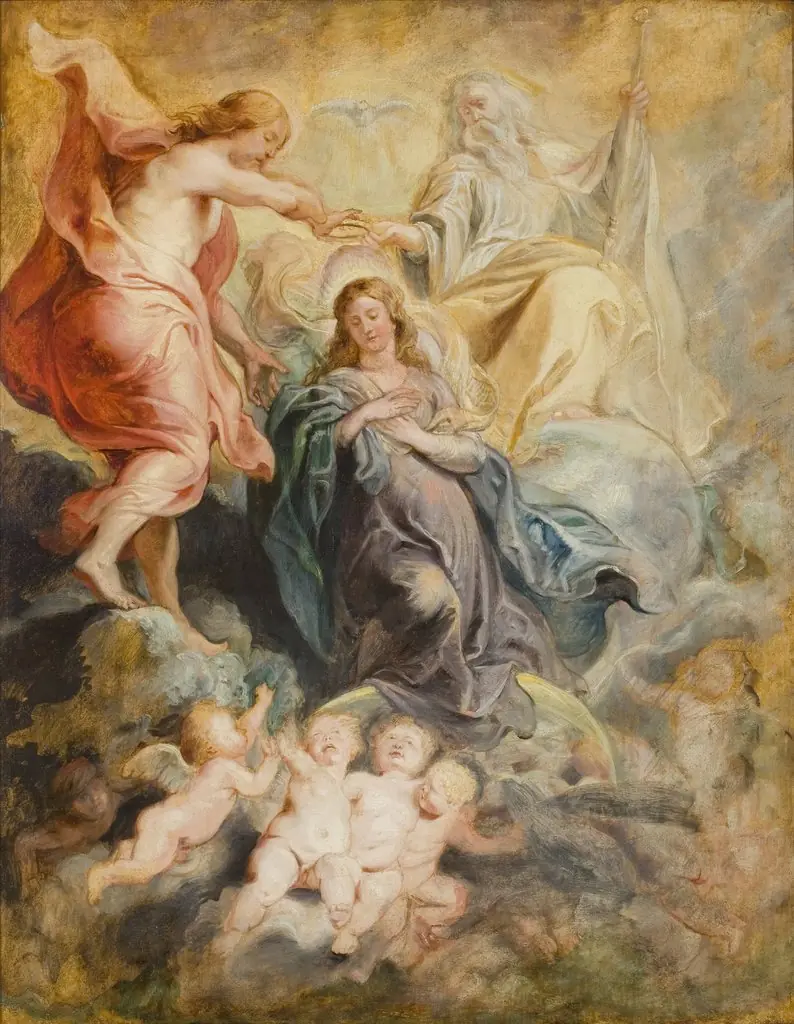
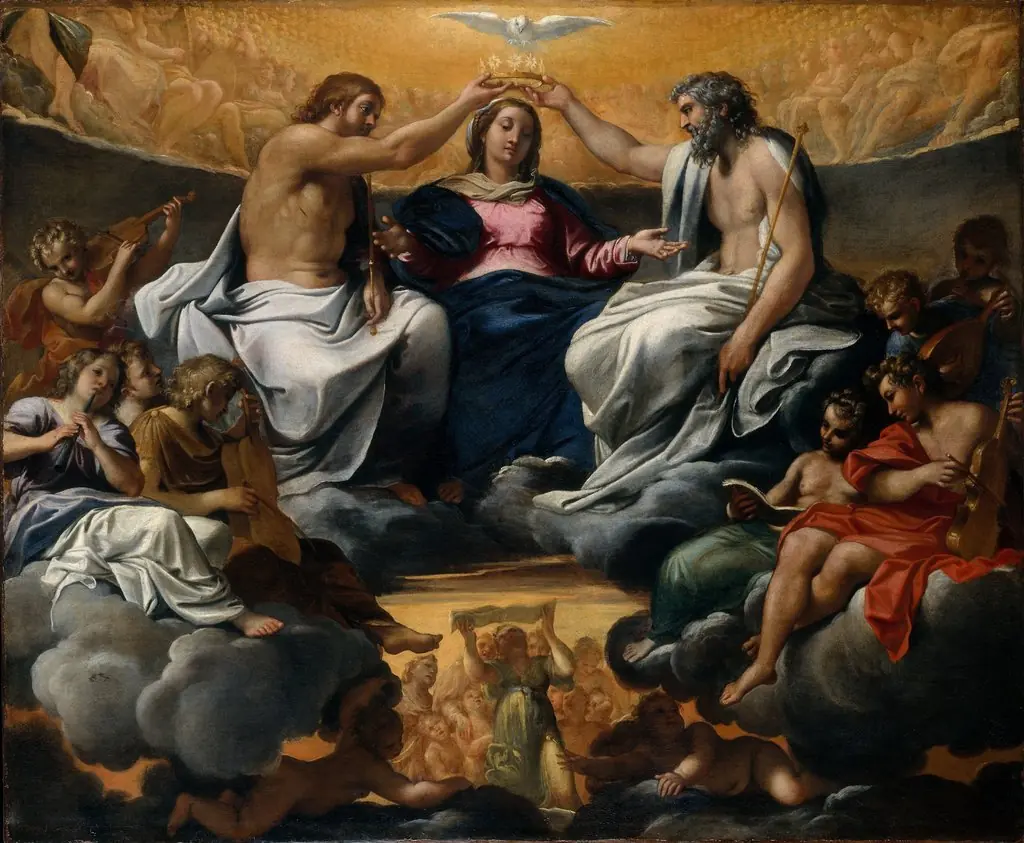
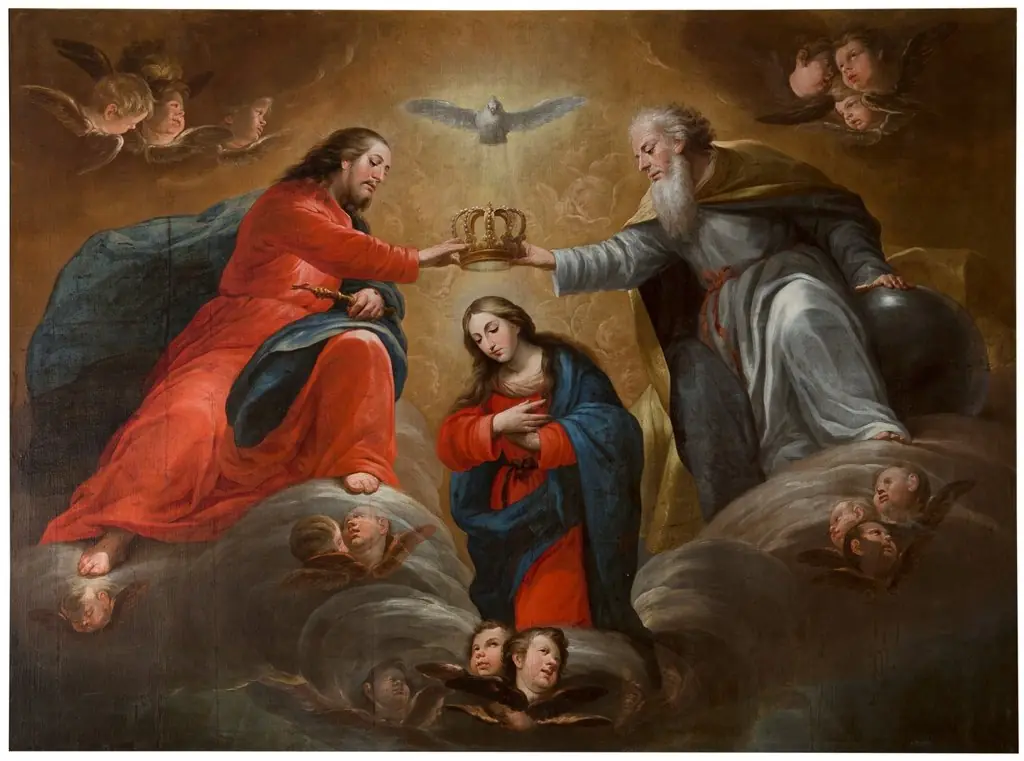
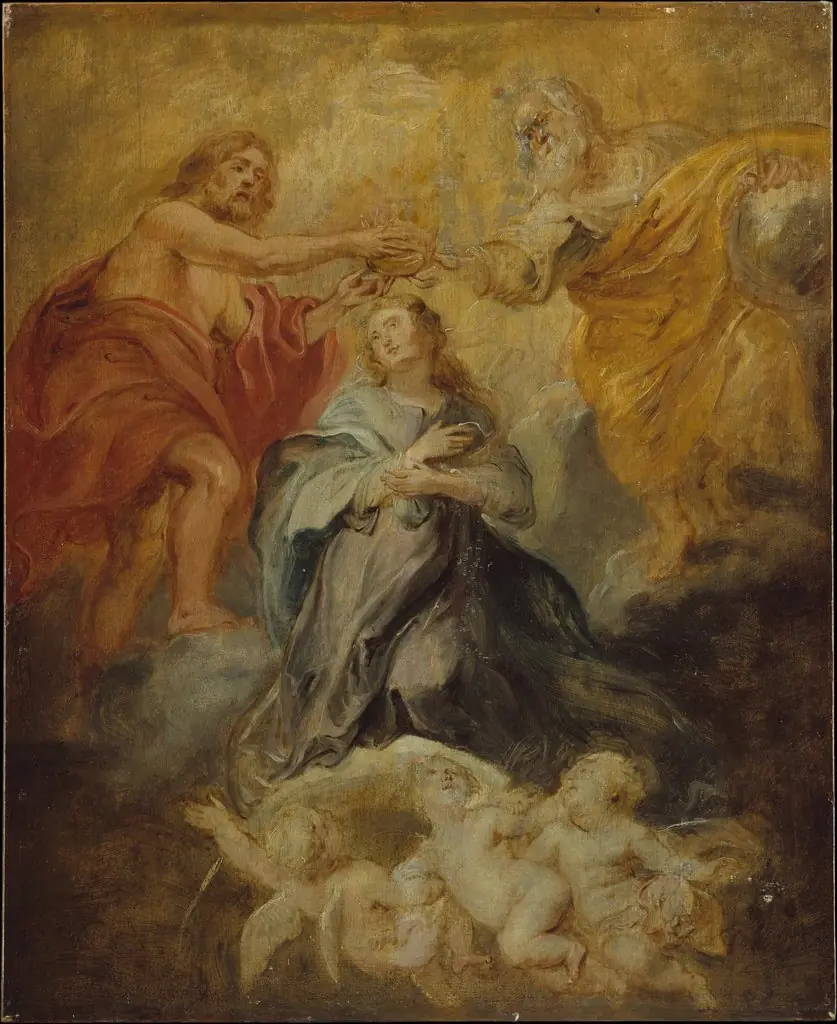
Coronation of the Virgin
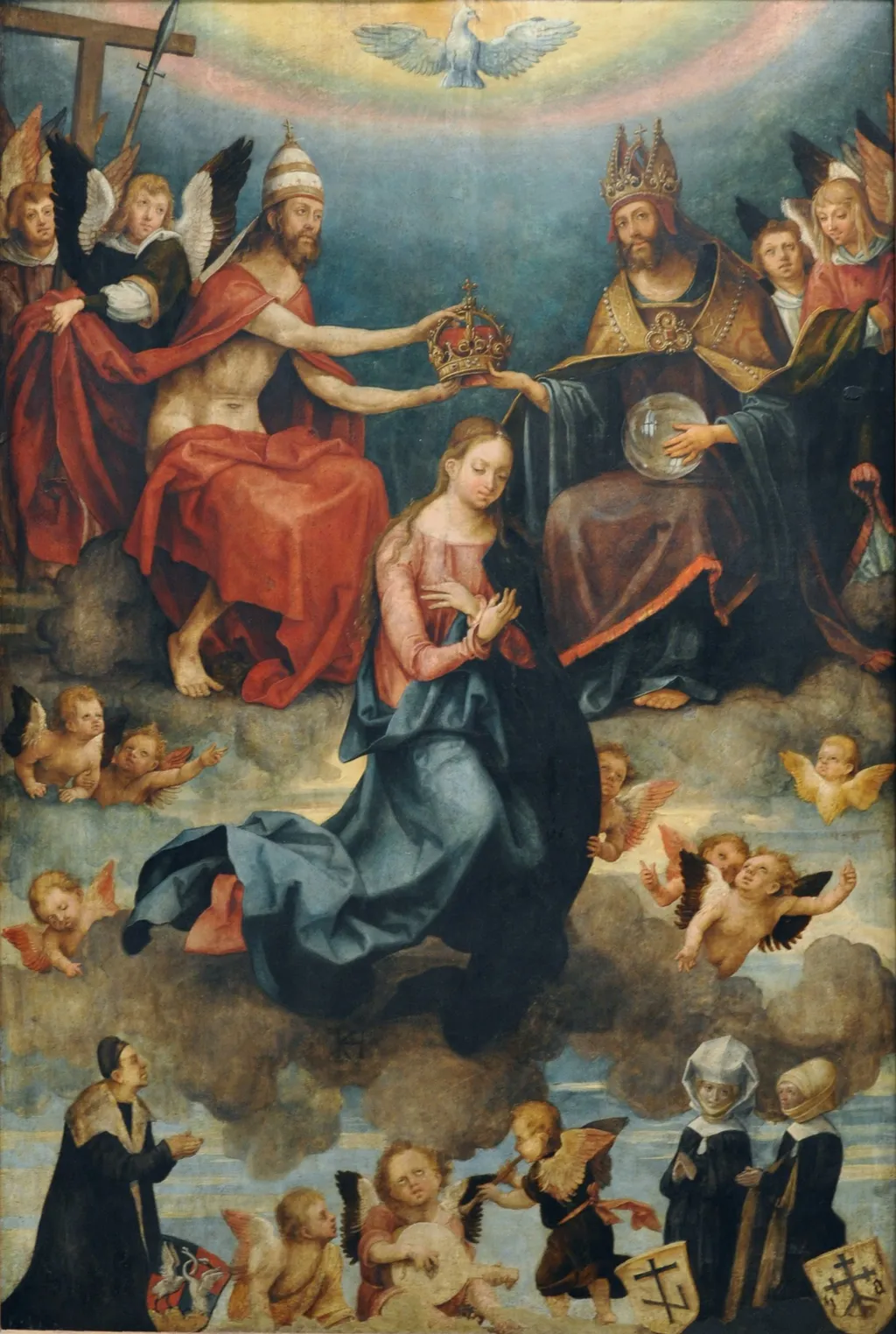
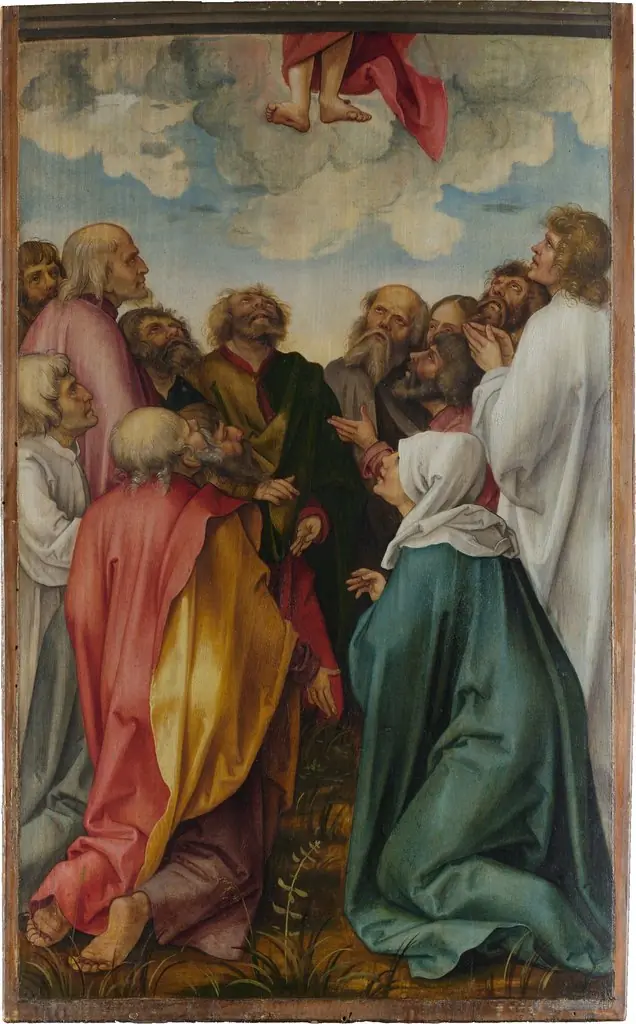
Coronation of the Virgin is an oil painting by the Northern Renaissance artist Hans von Kulmbach. It dates from 1514 and is held in the collection of the Kunsthistorisches Museum.
About this work
Overview
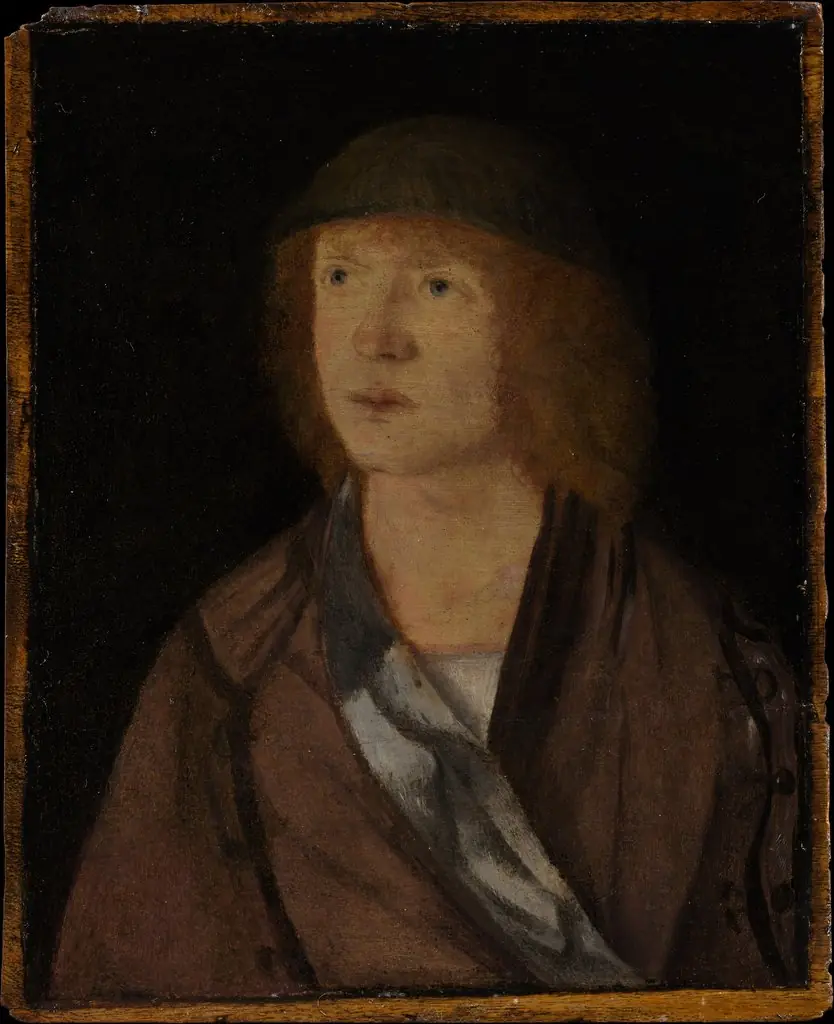
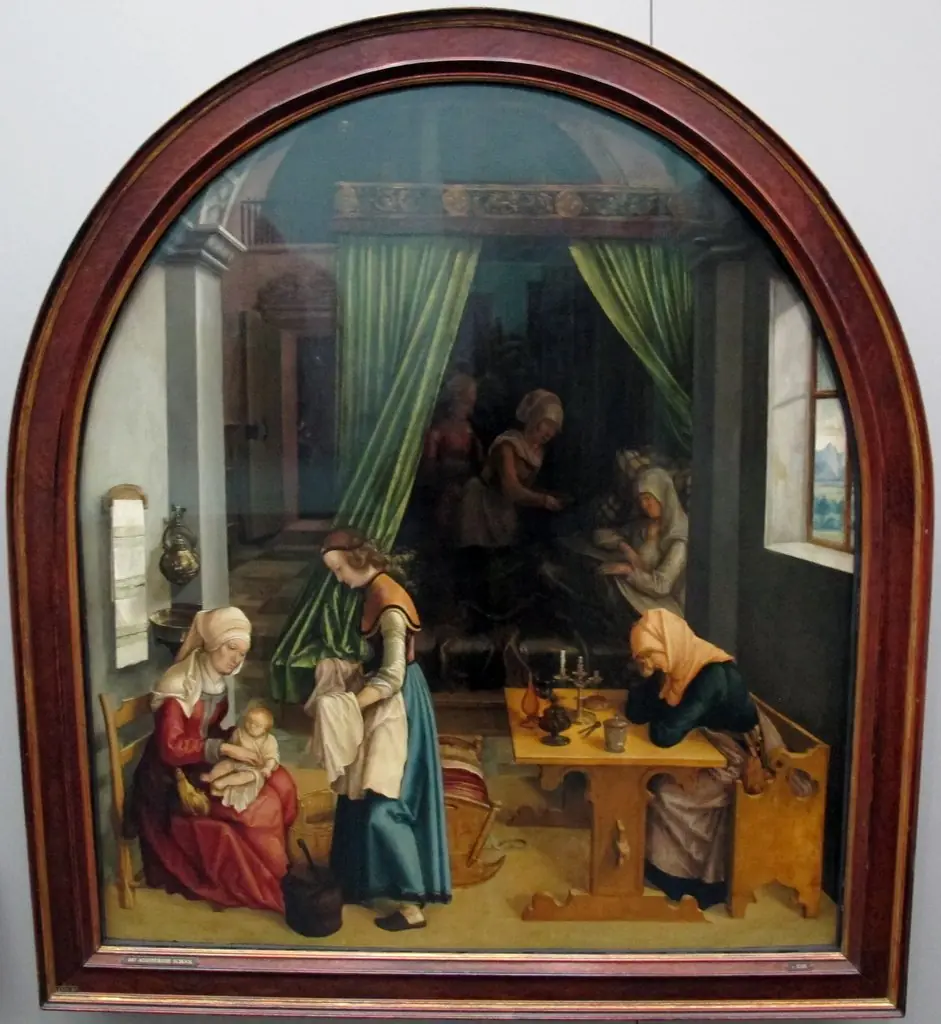
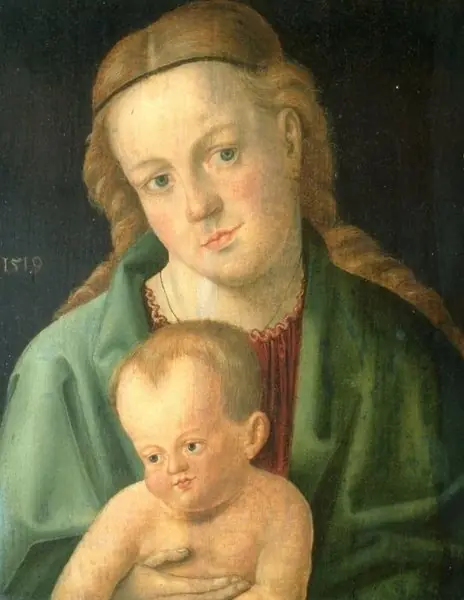
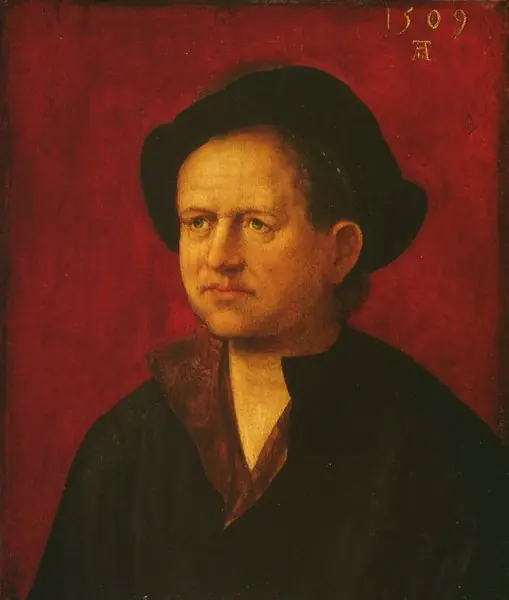
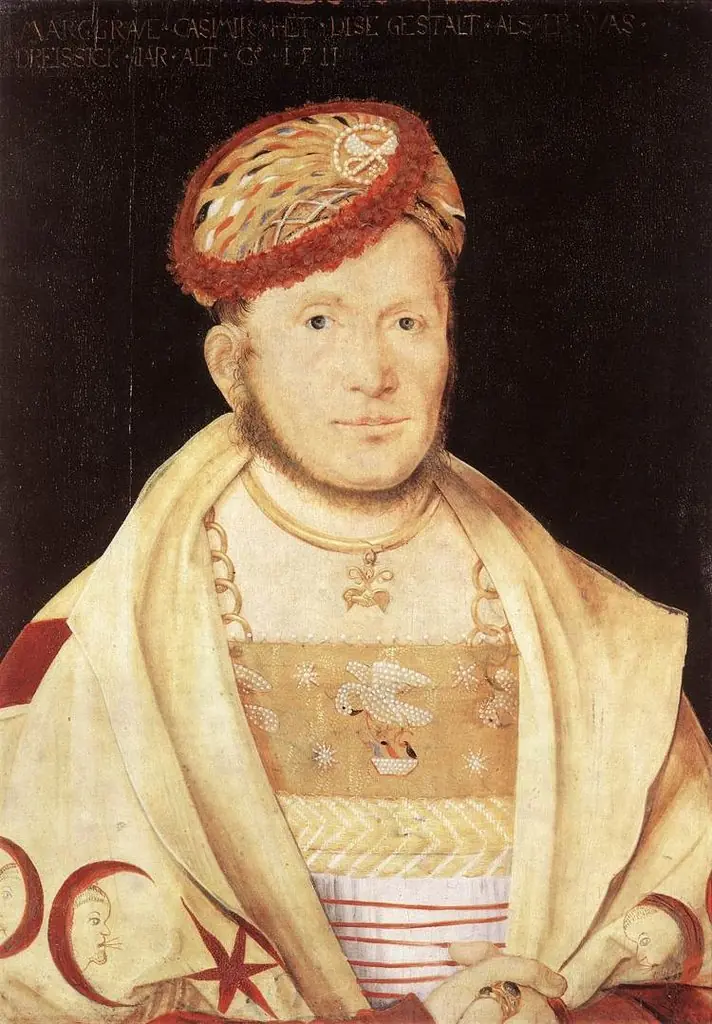
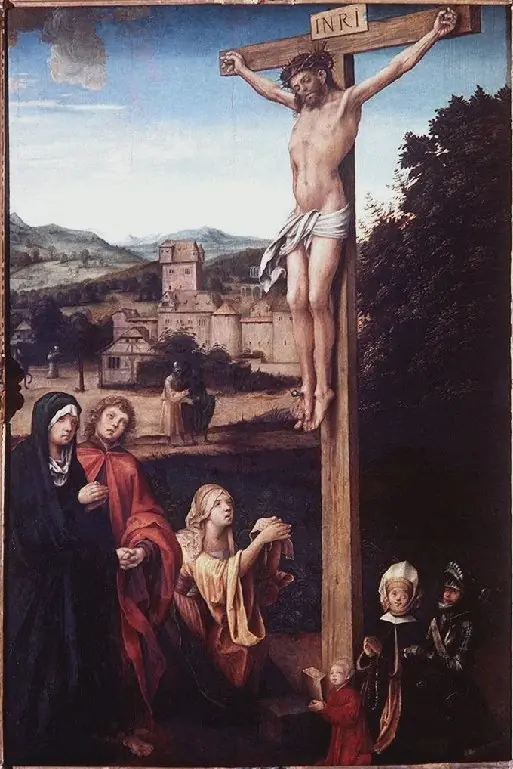
Kulmbach, sometimes called Hans Suess, was known for his detailed altarpieces and was influenced by the artistic currents of southern Germany.
Painted in 1514 by Hans von Kulmbach, a German artist active in Nuremberg, this oil-on-panel work depicts the Coronation of the Virgin. It reflects the devotional priorities of Northern Renaissance art and is part of the Kunsthistorisches Museum’s collection. Kulmbach, sometimes called Hans Suess, was known for his detailed altarpieces and was influenced by the artistic currents of southern Germany.
Subject & Meaning
The scene portrays the Virgin Mary being crowned by Christ in heaven, a common theme in medieval and Renaissance theology symbolizing her exaltation. Surrounding figures include angels, cherubs, and celestial beings, reinforcing the divine hierarchy. The globe held by Christ signifies his dominion over the world, while Mary’s blue robe denotes purity and heavenly grace, aligning with traditional iconography of the period.
Technique & Style
Kulmbach employed oil paint to achieve fine detail and luminous color, characteristic of Northern Renaissance practice. The composition is densely populated with figures arranged in ascending tiers, creating a sense of celestial movement. Subtle chiaroscuro models forms and enhances spatial depth, while intricate textures in fabrics and wings demonstrate meticulous craftsmanship and attention to surface variety.
History & Provenance
The painting was completed in 1514 during Kulmbach’s tenure in Nuremberg, a center of printmaking and religious art. It likely originated as part of a larger altarpiece, though its original context is uncertain. It entered the Kunsthistorisches Museum’s holdings in the 19th century, having passed through private and ecclesiastical collections in southern Germany before its institutional acquisition.
Context
Created during the early Reformation, the painting reflects enduring Catholic devotional imagery even as theological shifts emerged in northern Europe. Kulmbach’s style bridges late Gothic traditions and emerging Renaissance naturalism, showing the influence of Albrecht Dürer and other Nuremberg artists. Religious subjects remained central to artistic production despite growing secular interests in urban centers.
Legacy
Though less widely known than some of his contemporaries, Kulmbach’s work contributed to the development of narrative religious painting in Germany. His precise technique and compositional clarity influenced regional altarpiece design. The Coronation of the Virgin remains a representative example of early 16th-century devotional art, preserving the visual language of heavenly hierarchy as understood in pre-Reformation Germany.
Own this work as a print
Artist & collection

Artist
Hans Suess, known as Hans von Kulmbach (1480 in Kulmbach, Franconia – prior to 3 December 1522 in Nuremberg), was a German artist active in Poland. Hans von Kulmbach was the artist who created the Kraków St John's Altar.