Artwork
Self-portrait
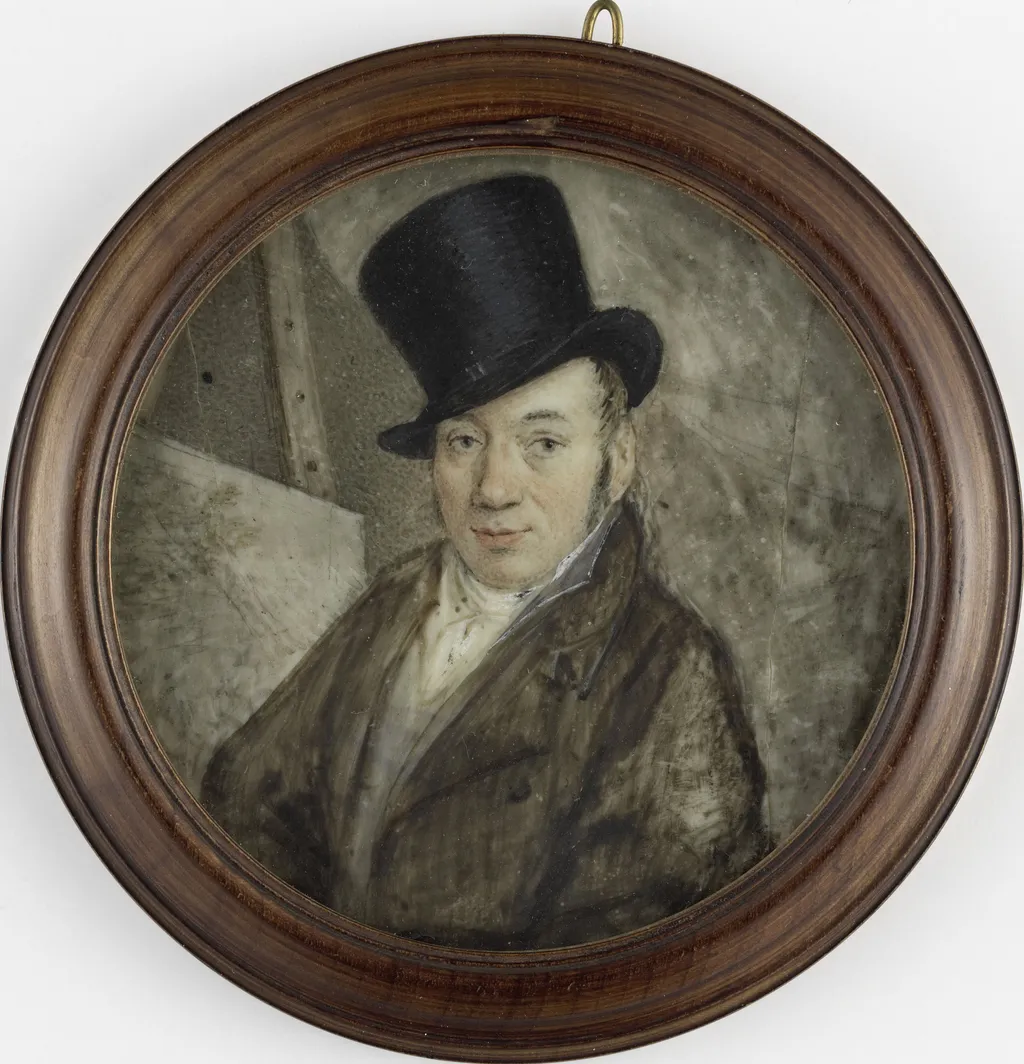
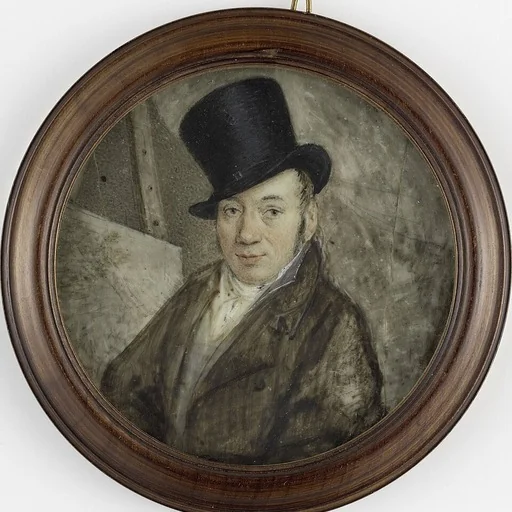
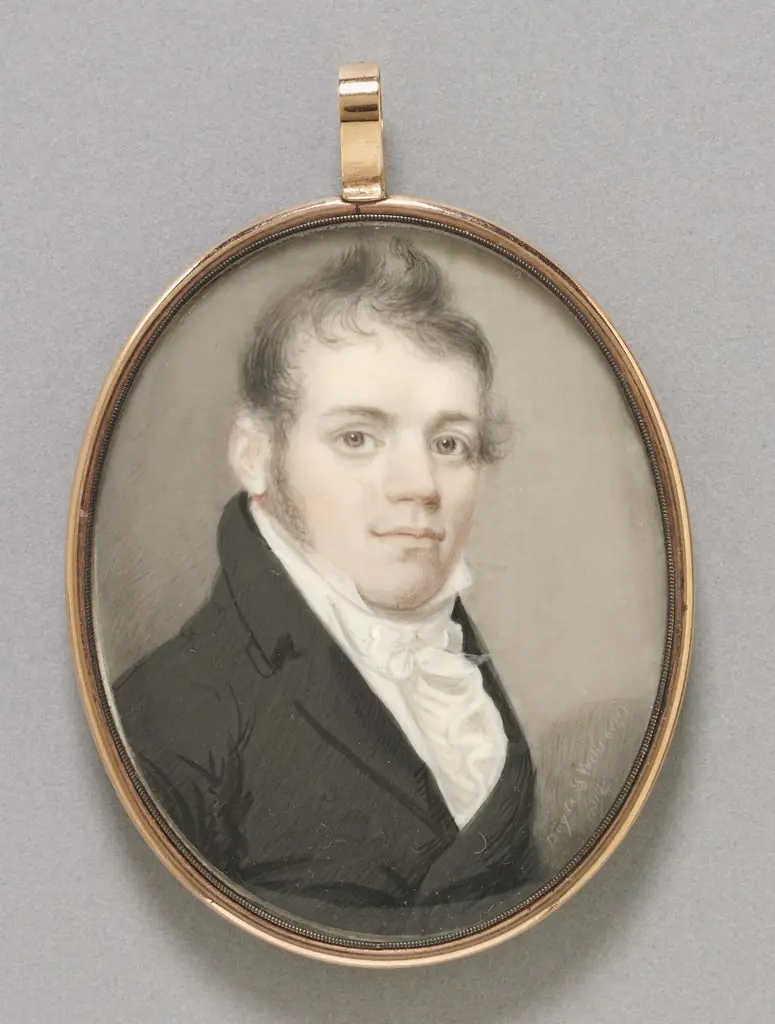
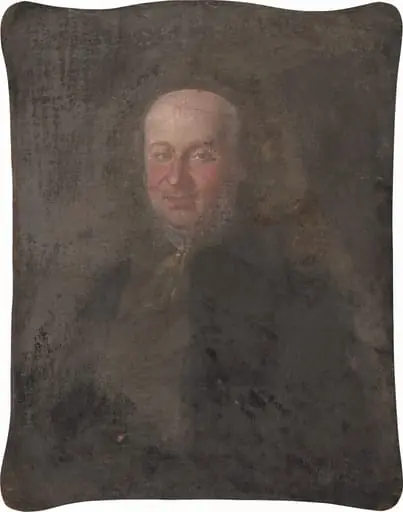
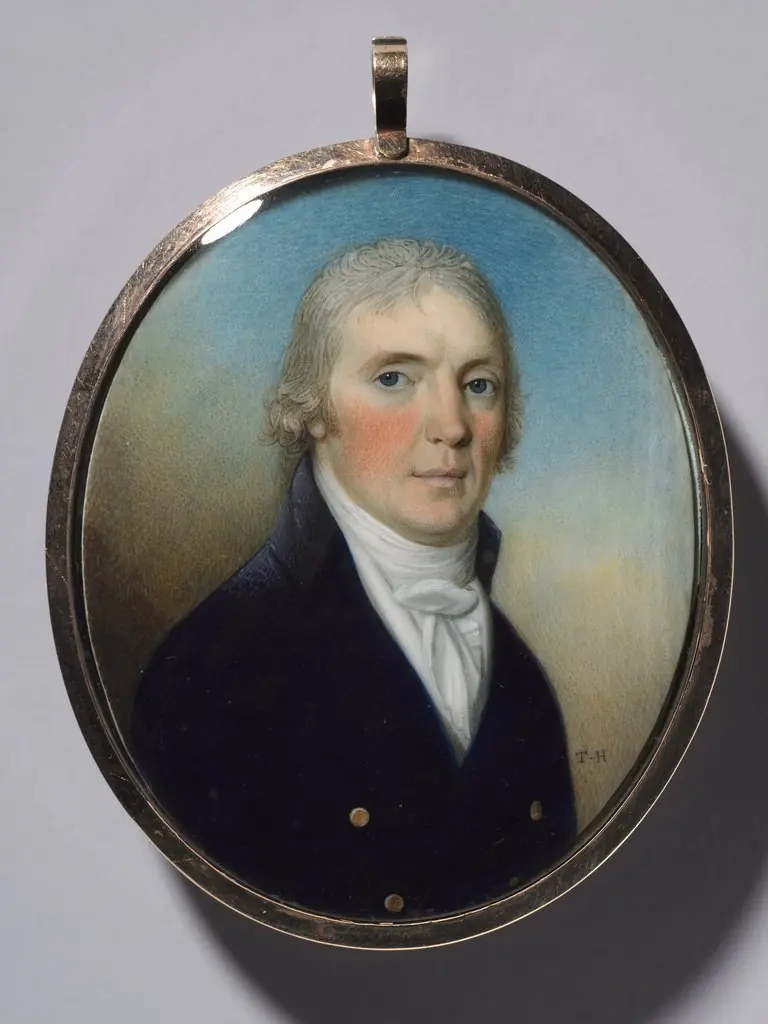
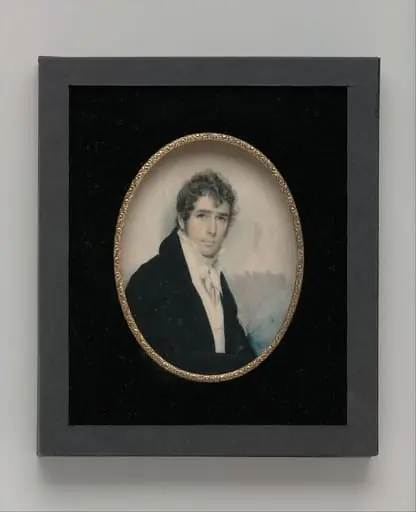
Self-portrait is an ivory painting by the Realist artist Harmanus Fock. It dates from 1800 and is held in the collection of the Rijksmuseum.
About this work
Overview
Harmanus Fock’s Self‑portrait, executed in 1800, is a modestly sized, circular work rendered on a carved ivory surface. The piece is part of the Rijksmuseum’s collection and presents the artist himself in a restrained pose, his features rendered with a calm, contemplative expression.
Technique & Style
The portrait employs delicate carving on ivory, a material seldom chosen for portraiture, allowing for fine, smooth modeling of the face. Soft, gradated shading creates a subtle transition between the subject and the muted background, while the surrounding dark wooden frame accentuates the oval composition.
Subject & Meaning
Fock portrays himself with pale skin, light hair, and a dark top hat, dressed in a dark coat over a light shirt. The understated rendering and gentle tonal shifts convey a quiet introspection, suggesting the artist’s desire to present a thoughtful, rather than flamboyant, self‑image.
History & Provenance
Created at the turn of the 19th century, the ivory self‑portrait entered the Rijksmuseum’s holdings, where it remains on display. Its survival in a museum setting highlights the rarity of ivory portrait media and the work’s preservation over more than two centuries.
Context
In the early 1800s, Dutch portraiture was dominated by oil on canvas; Fock’s choice of ivory aligns with a niche tradition of miniature and luxury objects. The work reflects contemporary interests in personal representation and the exploration of new materials within the Dutch artistic milieu.
Artist & collection