Artwork
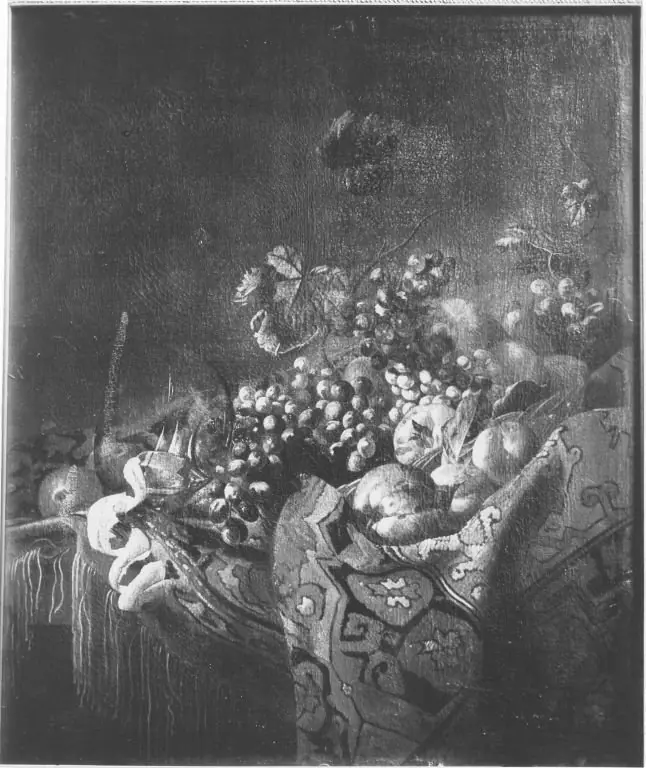
Stillleben mit Früchten
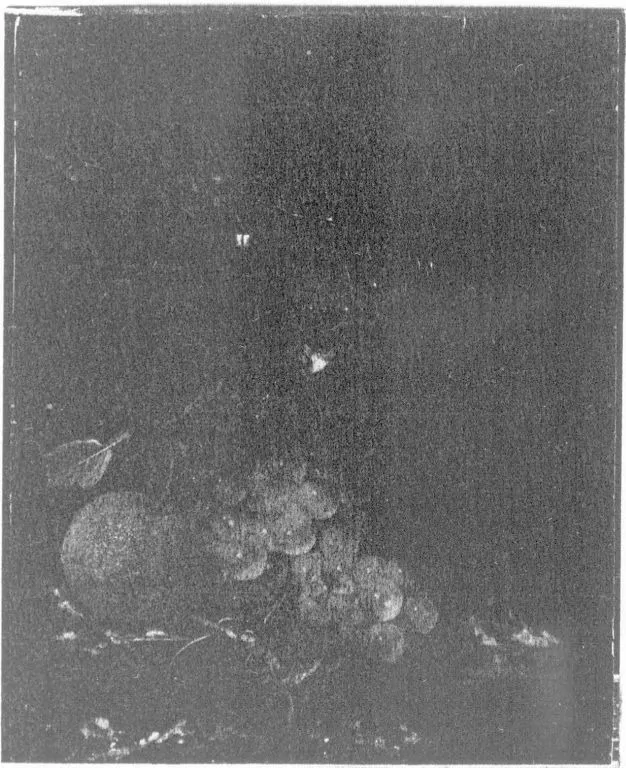
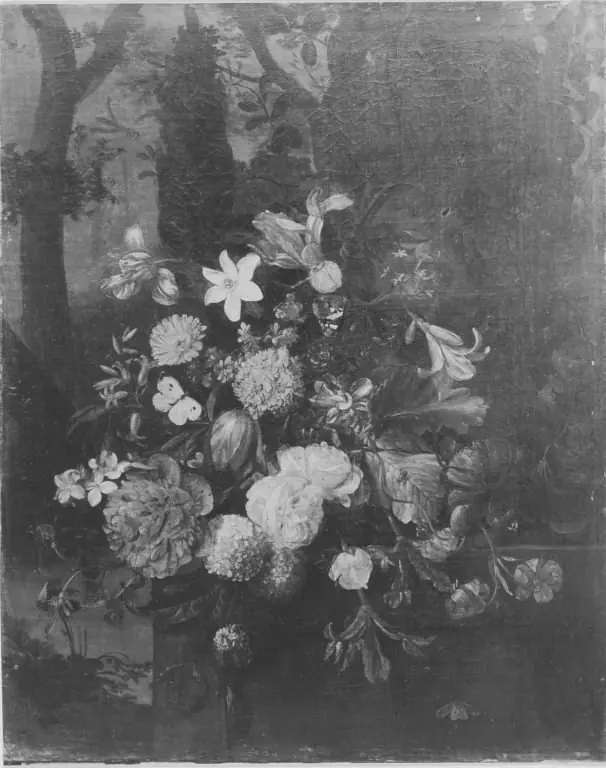
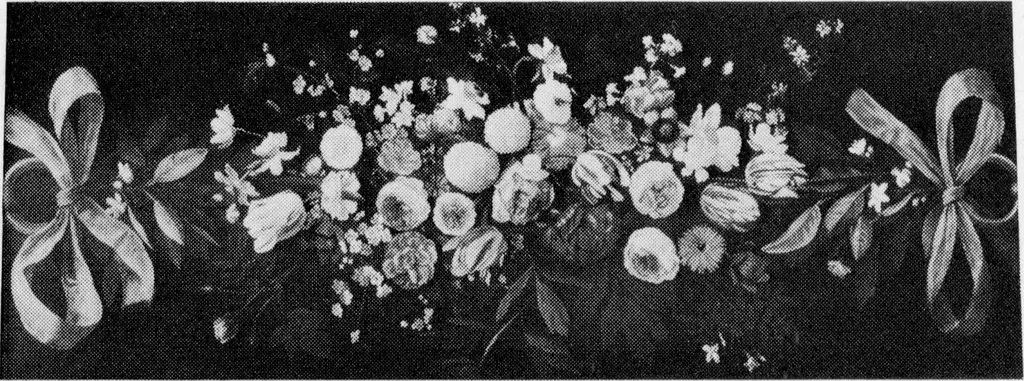
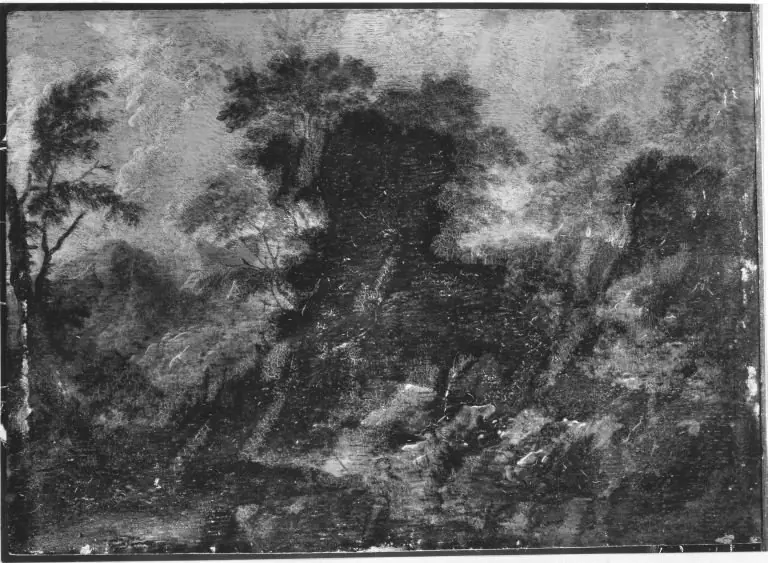
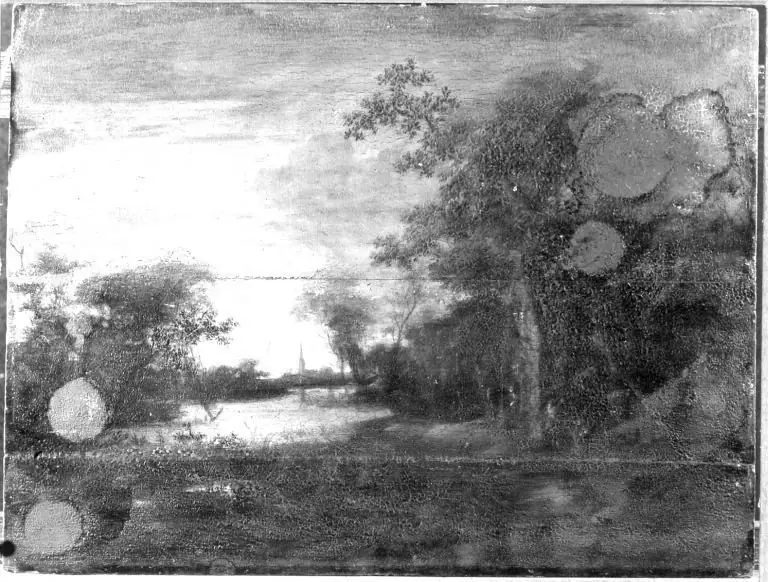
Stillleben mit Früchten is an unspecified painting by the Dutch Golden Age artist Harmen Loeding. It dates from 1650 and is held in the collection of the Bavarian State Painting Collections.
About this work
Overview
The composition is dominated by a somber, almost monochrome palette, with a dark, indistinct background that recedes into shadow.
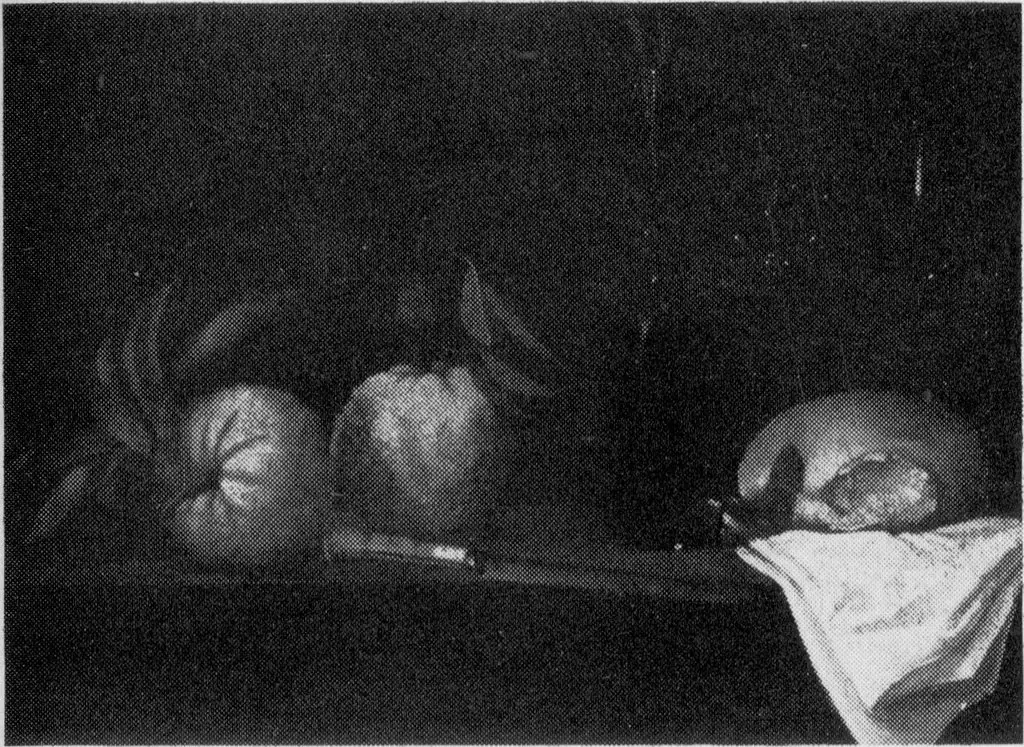
Created around 1650, this still‑life painting by Harmen Loeding is part of the collection of the Alte Pinakothek. The composition is dominated by a somber, almost monochrome palette, with a dark, indistinct background that recedes into shadow. Sparse, pale shapes emerge faintly near the lower edge, while a small, lighter area appears higher in the picture plane, offering a minimal contrast to the overall gloom.
Subject & Meaning
The work presents an ambiguous arrangement of forms that suggest natural objects—perhaps stones or a loosely gathered mass—rather than a conventional display of fruit or tableware. The lack of identifiable items and the muted tonality invite contemplation of texture and materiality over narrative content, emphasizing the visual experience of surface and volume.
Technique & Style
Loeding employs a heavily impastoed surface, applying paint in thick, uneven strokes that appear scraped and unfinished. This tactile approach creates a sculptural quality, with the brushwork leaving a rough, sketch‑like impression. The limited color range and the emphasis on texture align the piece with experimental tendencies in mid‑17th‑century Dutch painting, where artists explored the physicality of paint itself.
History & Provenance
The painting, catalogued as Q30097636, entered the Alte Pinakothek’s holdings as part of its extensive Dutch collection. While precise acquisition details are sparse, the work has been attributed to Loeding based on stylistic analysis and dated to the early 1650s, situating it within the artist’s mature period.
Context
During the mid‑1600s, Dutch still‑life painters increasingly experimented with chiaroscuro and material effects, moving beyond decorative arrangements toward studies of light, shadow, and texture. Loeding’s piece reflects this shift, focusing on the interplay of dark backgrounds and the physical presence of paint, echoing contemporary interests in realism and the sensory qualities of everyday objects.
Artist & collection