Artwork
Seascape
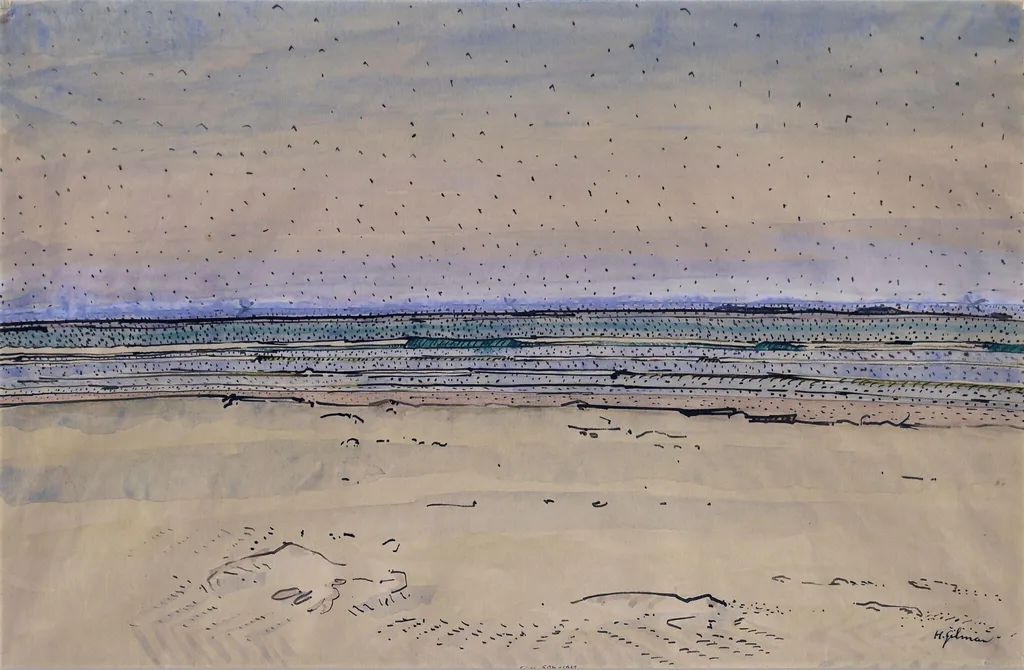
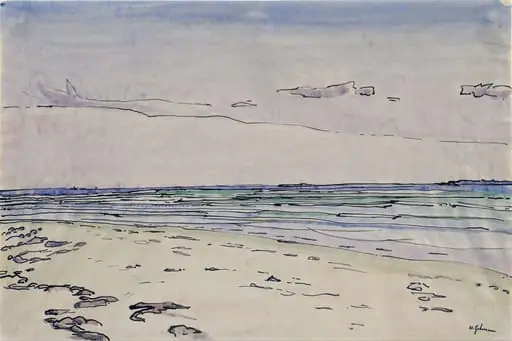
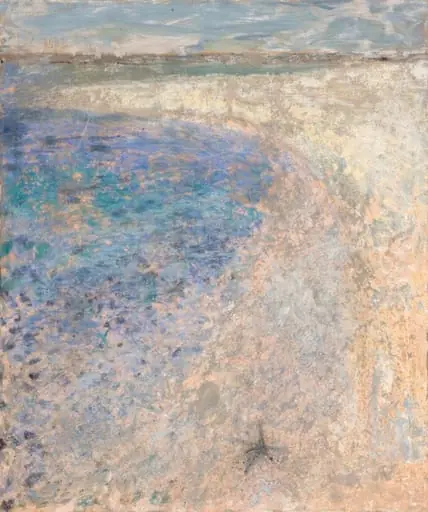
Seascape is a watercolor work on paper by the Post-Impressionist artist Harold Gilman. It dates from 1917 and is held in the collection of the Victoria and Albert Museum.
About this work
Overview
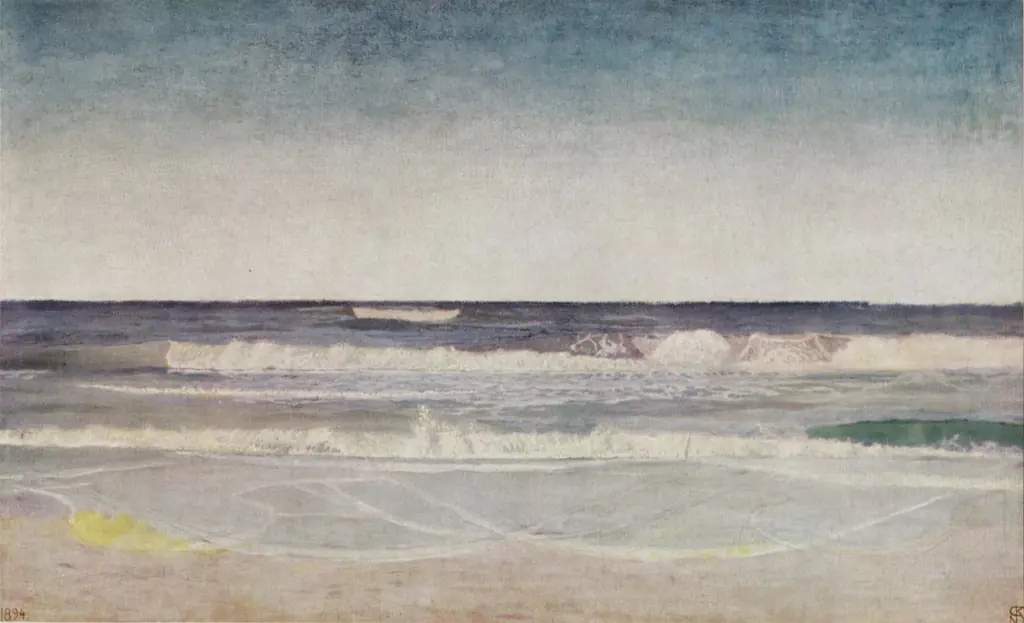
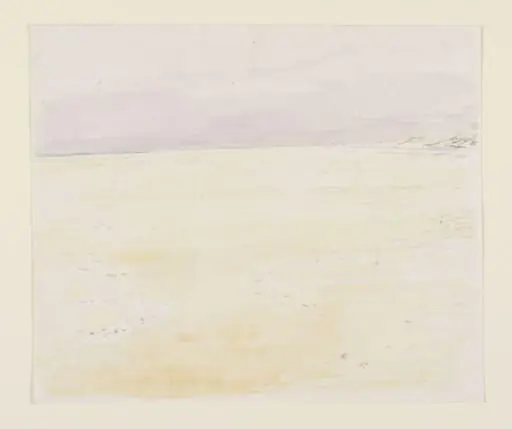
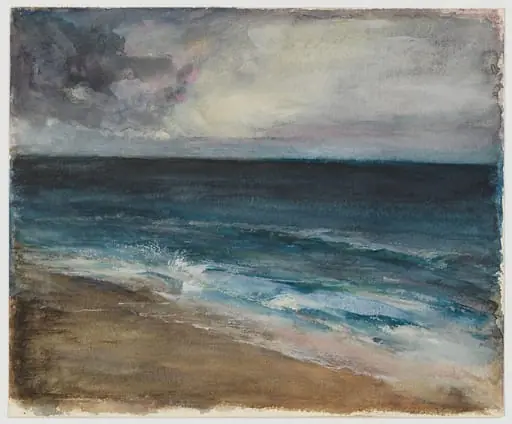
Harold Gilman’s Seascape, executed in watercolor around 1917, depicts a broad, flat shoreline merging with a tranquil sea beneath a pale sky. The composition is restrained, focusing on the subtle interaction of water, sand, and sky, and is part of the Victoria and Albert Museum’s collection.
Subject & Meaning
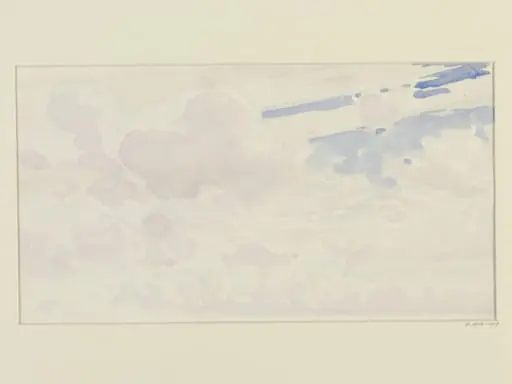
The work presents a quiet coastal scene: a light‑toned beach edged with a few scattered stones, gentle waves lapping at the shore, and an almost empty sky punctuated by thin, wispy clouds. The muted atmosphere suggests a moment of stillness and contemplation rather than narrative drama.
Technique & Style
Gilman employs loose, rapid brushstrokes that convey the fleeting qualities of water and air, giving the painting a sketch‑like immediacy. The palette is subdued, with soft blue‑green tones for the sea and delicate gradations of light and shadow that avoid stark contrasts, emphasizing tonal harmony.
History & Provenance
Created circa 1917, Seascape entered the Victoria and Albert Museum’s holdings, where it remains on display. The painting reflects Gilman’s interest in marine subjects during the later phase of his career, aligning with his broader exploration of watercolor as a medium.
Context
The piece belongs to a period when British artists were turning to simplified, atmospheric representations of landscape and seascape, often using watercolor for its capacity to render translucency and immediacy. Gilman’s approach aligns with contemporary trends toward tonal subtlety and direct observation.
Artist & collection
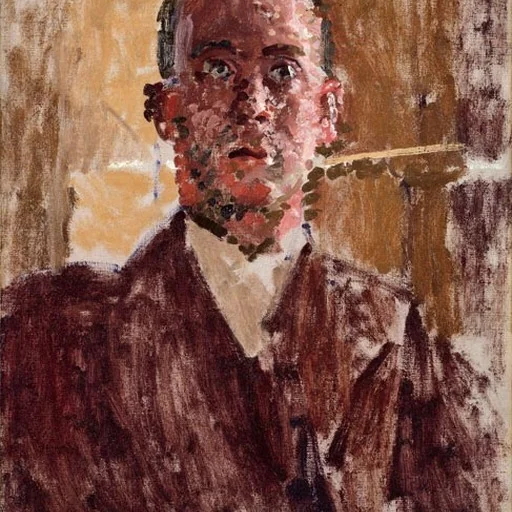
Artist
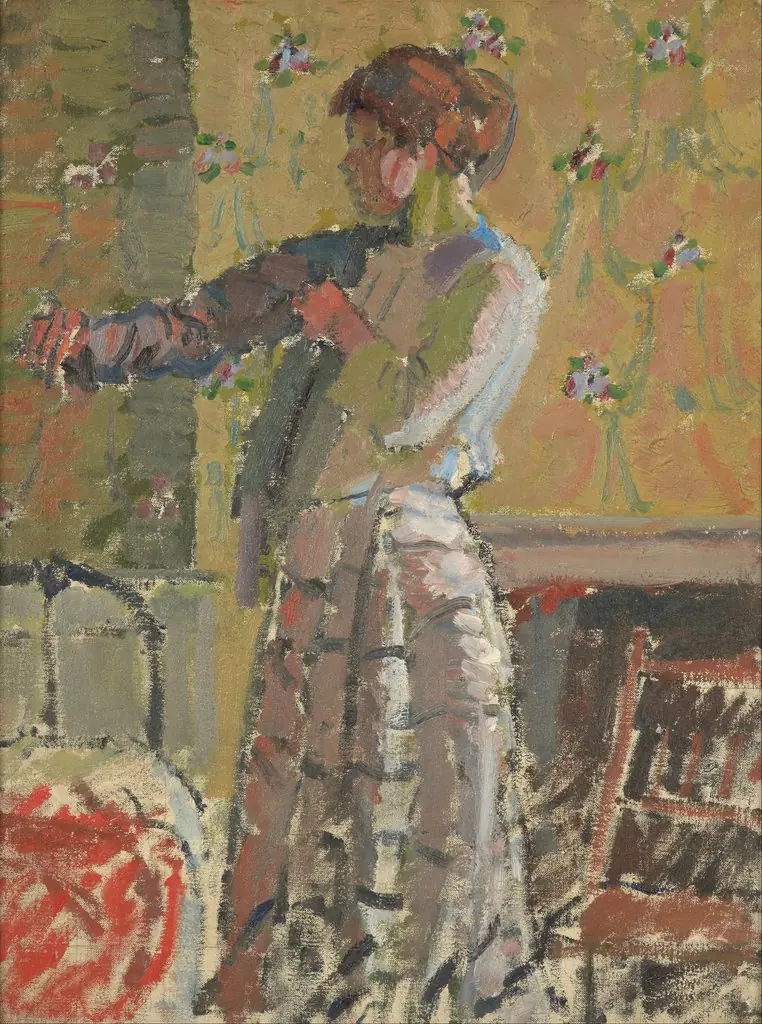
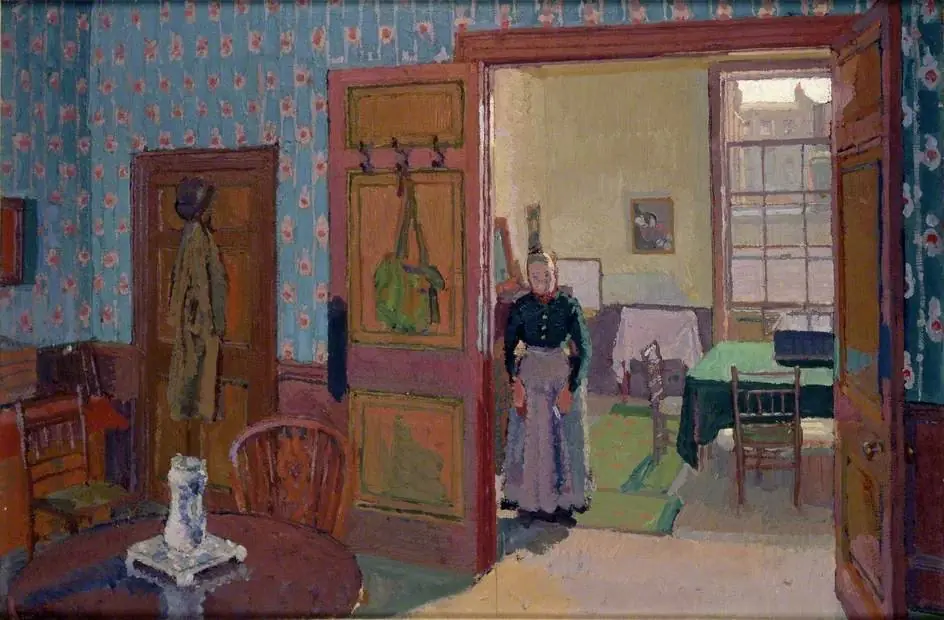
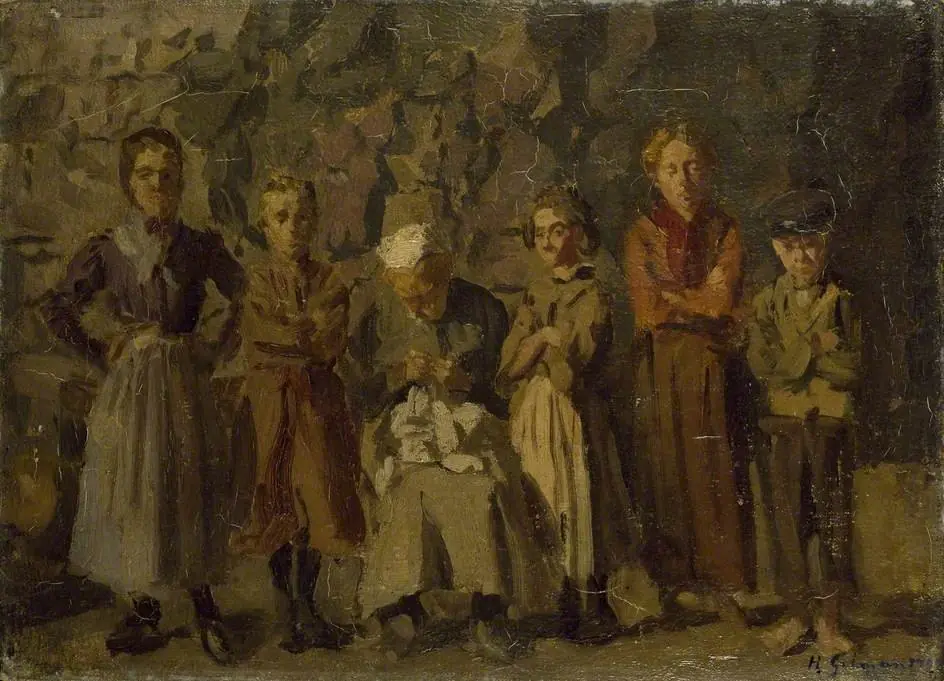
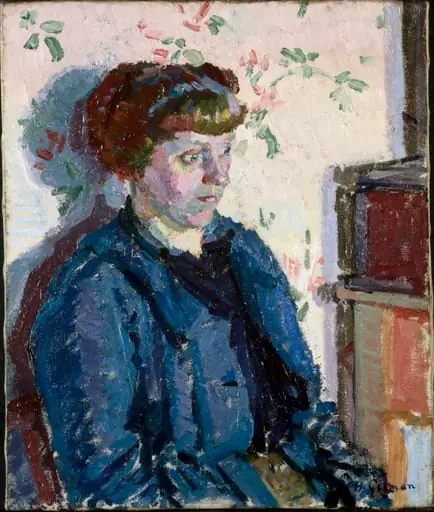
Harold John Wilde Gilman was a British painter of interiors, portraits and landscapes, and a founder-member of the Camden Town Group.