Artwork
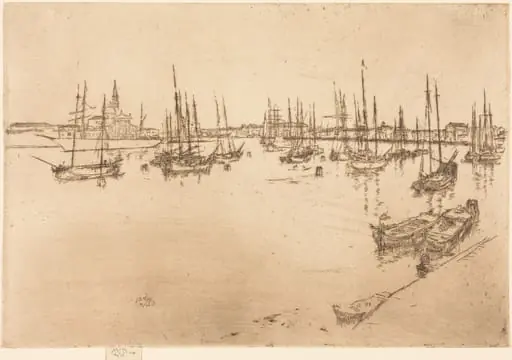
Inner Harbor
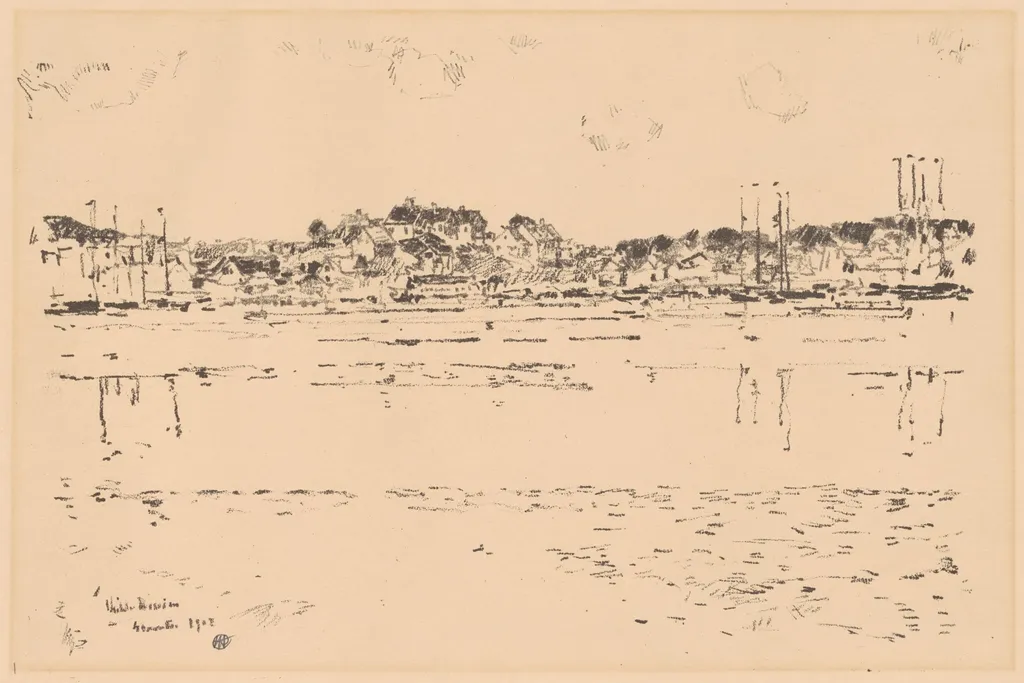
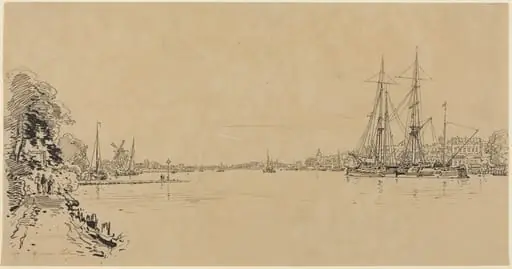
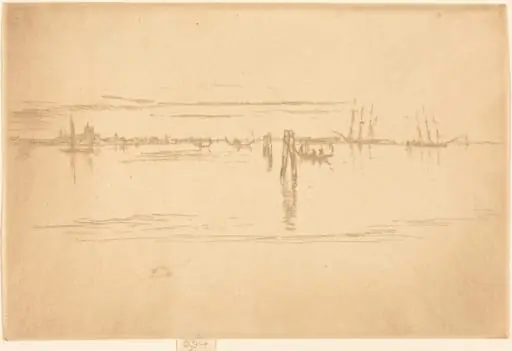
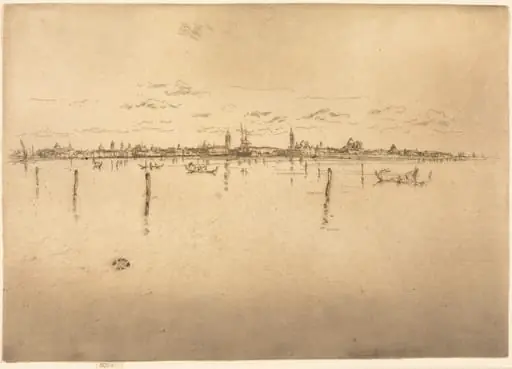
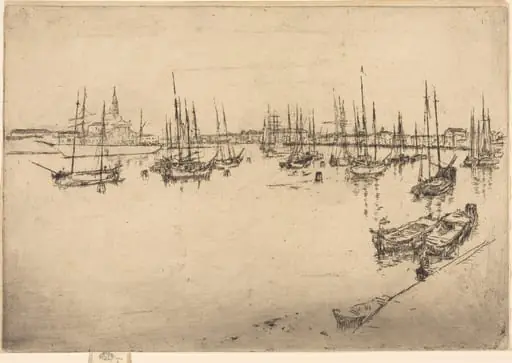
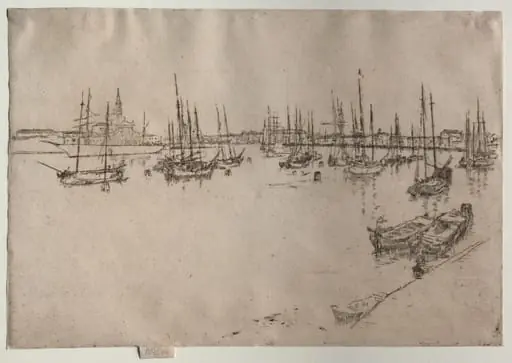
Inner Harbor is an ink print by Childe Hassam. It dates from 1918 and is held in the collection of the National Gallery of Art.
About this work
Overview
Its monochrome tones and restrained composition reflect a shift toward lyrical simplicity in his later output, distinct from his more colorful oil paintings.
Childe Hassam created 'Inner Harbor' in 1918 as a lithograph on wove paper, capturing a quiet coastal scene with minimal detail. The work belongs to his series of prints that explore maritime environments, emphasizing atmosphere over narrative. Its monochrome tones and restrained composition reflect a shift toward lyrical simplicity in his later output, distinct from his more colorful oil paintings.
Subject & Meaning
The scene portrays a tranquil harbor at dusk or dawn, with faint outlines of boats floating on still water and low, indistinct buildings along the shore. No human figures are present, and the absence of sharp detail invites contemplation. The quietude of the image suggests a moment suspended in time, evoking solitude and the subtle rhythms of coastal life without overt symbolism.
Technique & Style
Hassam used lithography to achieve soft gradations of gray, relying on the medium’s capacity for subtle tonal variation. Sparse, fluid lines define forms, avoiding heavy outlines. The technique allowed him to translate his Impressionist sensibility—focused on light and mood—into print, where economy of mark-making enhances the sense of stillness and atmospheric depth.
History & Provenance
Created during World War I, 'Inner Harbor' was produced as part of a limited print run, likely intended for private collectors and art societies. It was not widely exhibited at the time, and its survival in institutional collections reflects its quiet significance within Hassam’s print oeuvre rather than public acclaim. Its provenance traces through early 20th-century American print circles.
Context
In 1918, Hassam was increasingly drawn to printmaking as a means of personal expression, away from the commercial pressures of painting. While his coastal subjects remained consistent, his approach grew more introspective. 'Inner Harbor' aligns with broader trends in American art of the period, where artists sought emotional resonance through reduced forms and muted palettes.
Legacy
Though less known than his colorful flag paintings, 'Inner Harbor' exemplifies Hassam’s mastery of lithography and his ability to convey mood through restraint. It remains a reference point for understanding how Impressionist principles adapted to print media. The work continues to be studied for its technical finesse and its quiet contribution to American printmaking history.
Own this work as a print
Artist & collection
Artist
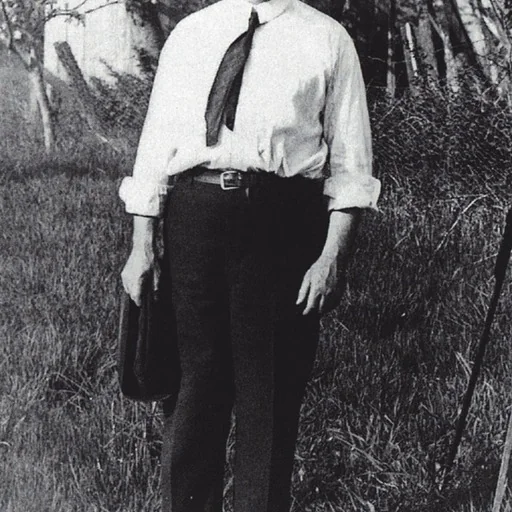
Frederick Childe Hassam was an American Impressionist painter, noted for his urban and coastal scenes.