Artwork
Pilgrims
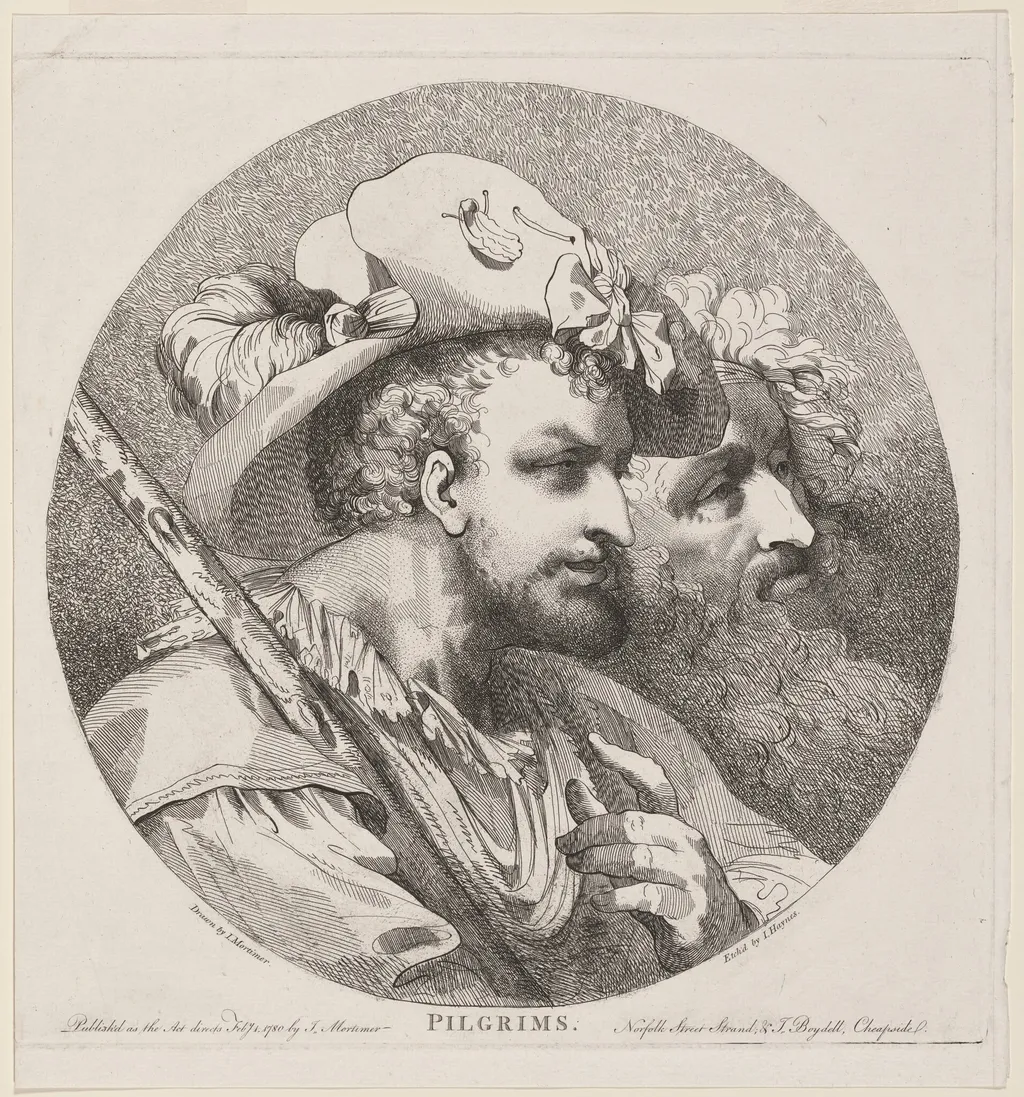
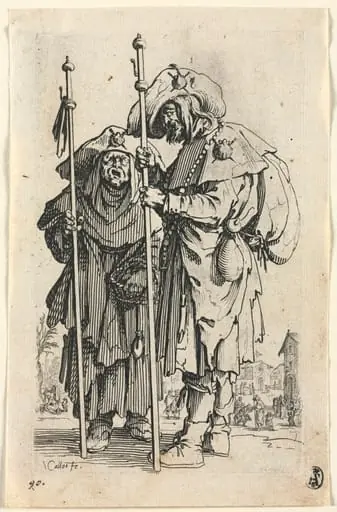
Pilgrims is an ink print by the Romanticist artist Joseph Haynes. It dates from 1780 and is held in the collection of the National Gallery of Art.
About this work
Overview
Joseph Haynes’ 1780 print titled *Pilgrims* is an etching executed on wove paper. The work presents a solitary figure rendered in monochrome, characterized by a solemn expression, a long beard, and a hat adorned with feather‑like or leafy projections. The composition is framed by a textured, irregular backdrop that accentuates the sitter’s presence.
Subject & Meaning
The central figure appears to be a pilgrim or traveler, suggested by the austere attire and clasped hands, gestures often associated with prayer or contemplation. The serious demeanor and modest dress convey a sense of piety or introspection, reflecting the cultural associations of pilgrimage in the eighteenth‑century European imagination.
Technique & Style
Haynes employed the etching process, incising fine lines into a copper plate and using acid to produce delicate shading. The resulting tonal gradations allow precise rendering of facial features, the intricate hat ornamentation, and the subtle texture of the surrounding ground. Such meticulous line work aligns with the portraiture conventions popular in the late 1700s.
History & Provenance
Created in 1780, the print belongs to the period when British printmakers frequently reproduced portraiture for a growing market of collectors. While specific ownership records are limited, the work is catalogued among Haynes’ known outputs and has been referenced in scholarly surveys of eighteenth‑century British etching.
Context
*Pilgrims* emerges amid a broader interest in religious and moral subjects during the Enlightenment, when artists often depicted solitary figures engaged in contemplation. The choice of a pilgrim motif resonates with contemporary literary and visual tropes that linked personal virtue with the journey motif.
Artist & collection

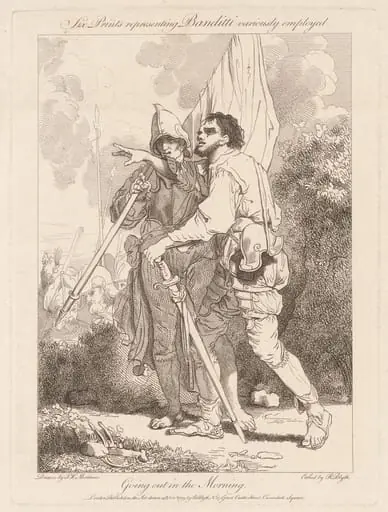 Going Out in the Morning
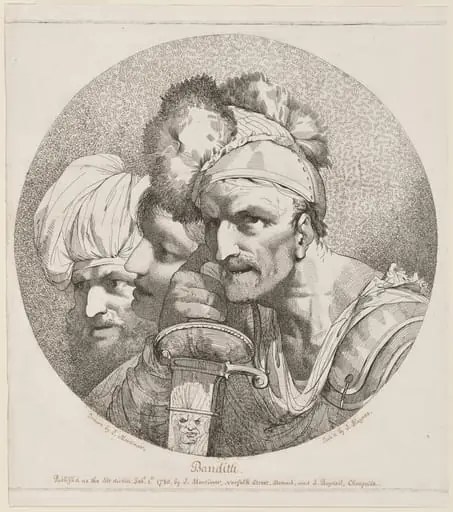 Banditti: Three Heads
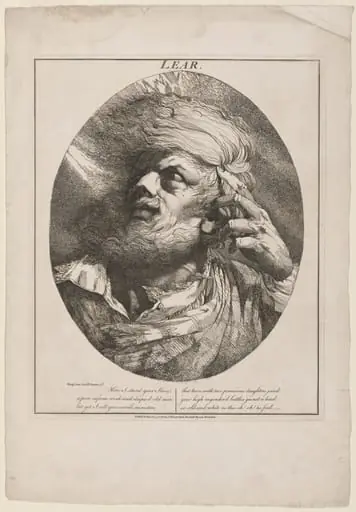 Lear
Lear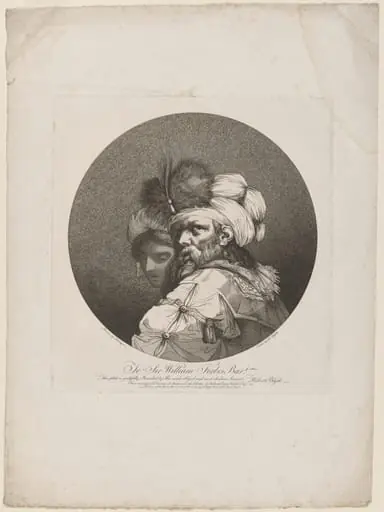 Bearded Man with Turban and Young Woman
 Poet
Poet Four Heads from the Raphael Cartoons at Hampton Court
 James Smithson and Alice Whitworth
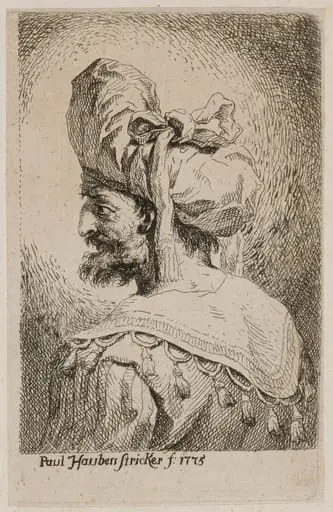 Oriental with a Soft Hat in Profile, Looking Left
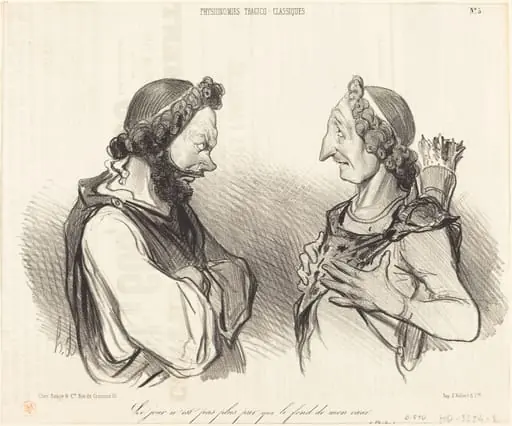 Le Jour n'est pas plus pur...
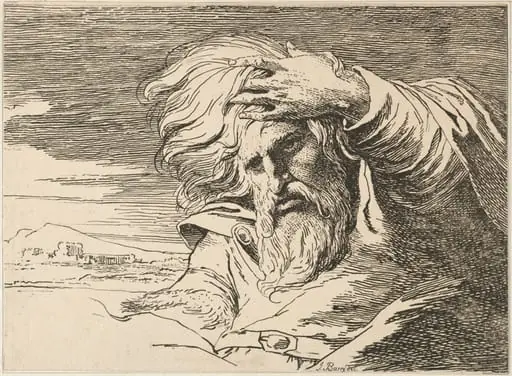 Eastern Patriarch
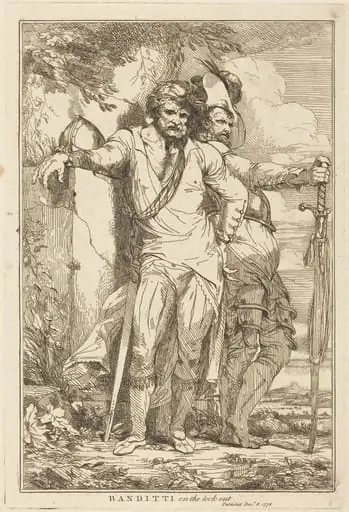 Banditti on the Look Out
 The Beggars: The Two Pilgrims