Artwork
Untitled
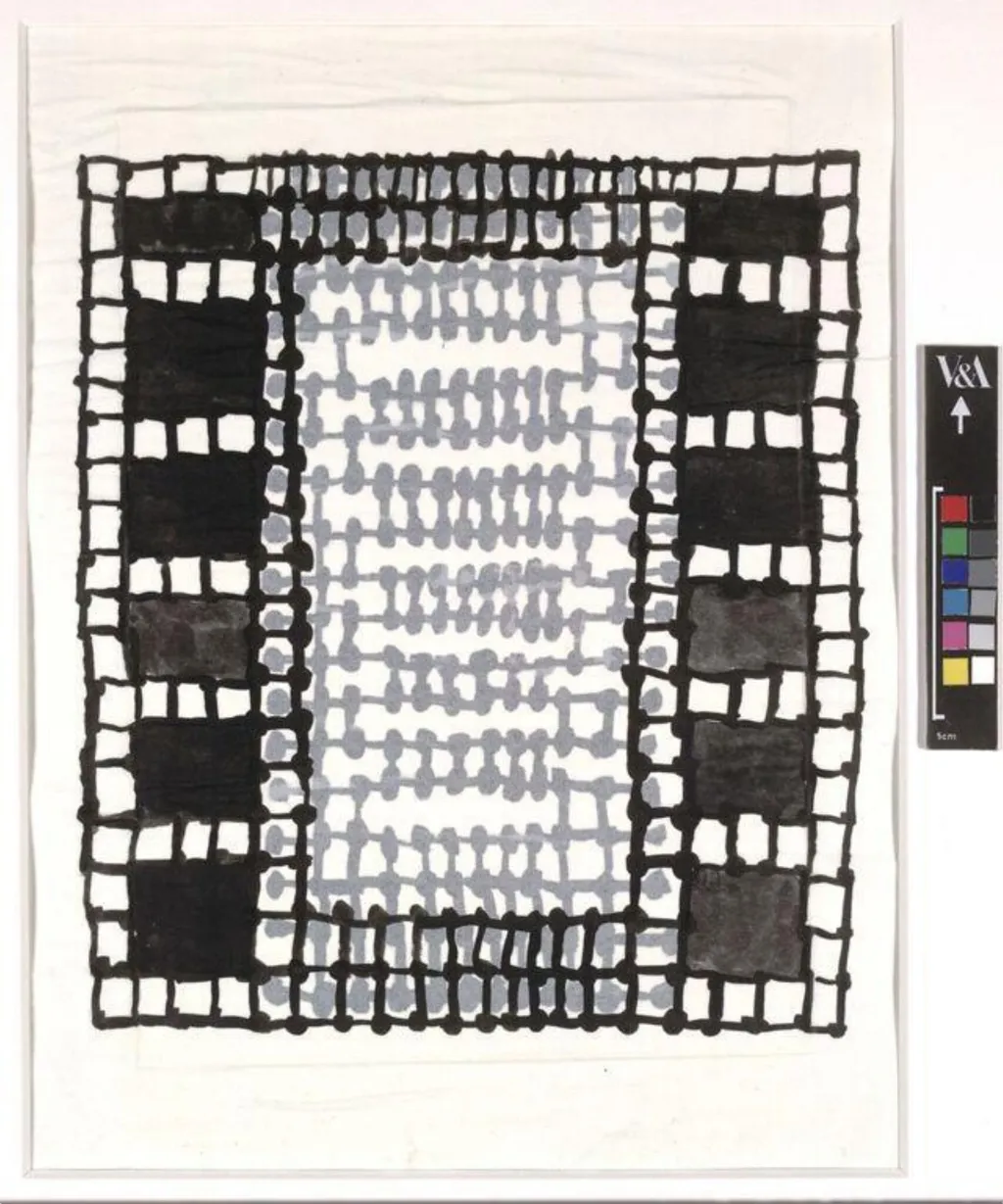
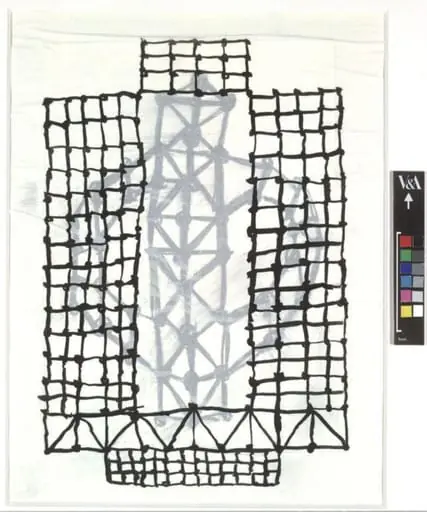
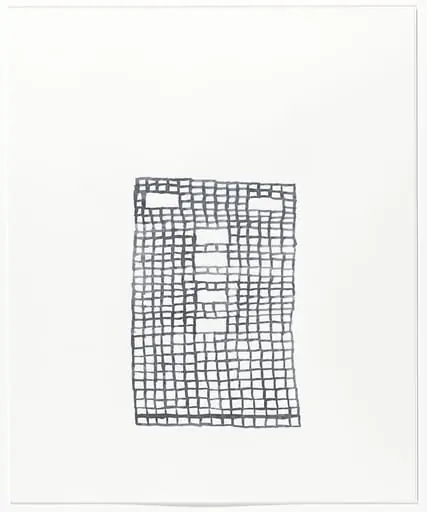
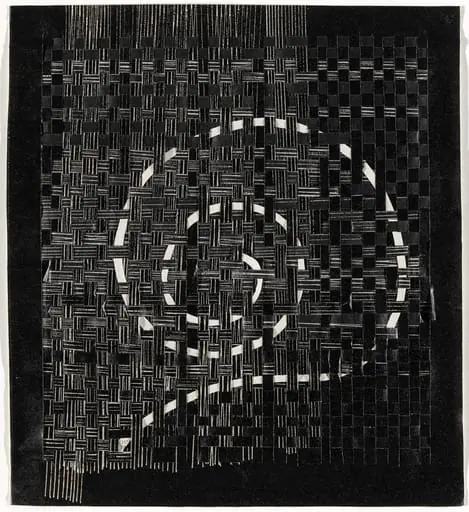
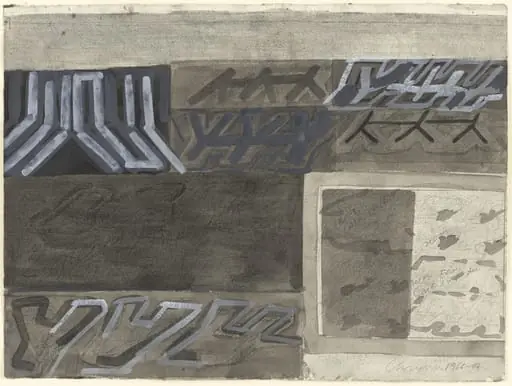
Untitled is a drawing by Susan Hefuna. It dates from 2000 and is held in the collection of the Victoria and Albert Museum.
About this work
She stacks two nearly matching views of mashrabiyas—wooden window screens used in Arab houses.
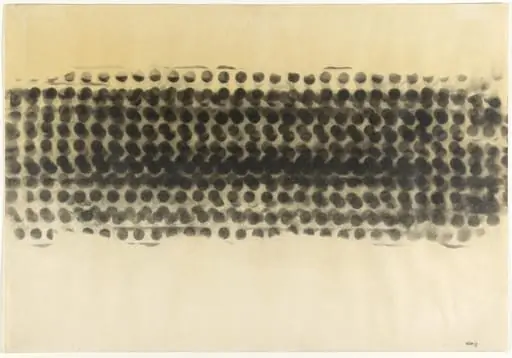
Susan Hefuna’s 2000 drawing plays with layers. She stacks two nearly matching views of mashrabiyas—wooden window screens used in Arab houses. The bottom layer is blurred, like a veil, while the top layer stays sharp. The screens often held pots to cool food, and her designs echo that purpose.
She’s half Egyptian, half German, and splits her life between Cairo and Germany. That split shows up in how she layers the past and present in one image.
Check out the Victoria and Albert Museum.
Overview
Susan Hefuna’s 2000 drawing presents two superimposed renderings of mashrabiyas—traditional wooden latticework screens from Arab architecture. The upper layer is sharply defined, while the lower is softly blurred, creating a visual tension between clarity and obscurity. This layered composition reflects the artist’s dual cultural identity and her ongoing engagement with spatial boundaries in both Egyptian and German contexts.
Subject & Meaning
The mashrabiyas depicted function as metaphors for gendered visibility and privacy. Historically, these screens allowed women to observe public life without being seen, embedding social norms within architectural form. Hefuna extends this idea by layering the image, suggesting how cultural memory and personal identity overlap—veiled yet present, obscured but structurally integral to what is visible.
Technique & Style
Hefuna employs precise pen and ink lines for the upper layer, contrasting with a diffused, smudged underlayer that mimics the effect of a translucent veil. The repetition of geometric patterns echoes traditional mashrabiya craftsmanship, while the deliberate misalignment between layers introduces a contemporary, almost photographic sense of focus and depth. The technique reinforces the theme of layered perception.
History & Provenance
This drawing is one of two related works in the collection, cataloged as E.837 and E.838-2002. Both were produced in 2000 and reflect Hefuna’s sustained exploration of architectural motifs from her Egyptian heritage. The works entered the collection through documented acquisition, aligning with broader institutional interest in contemporary Middle Eastern art and its dialogue with global modernism.
Context
Mashrabiyas were not only architectural features but also functional elements, often used to hold ceramic vessels for cooling water and food. Hefuna’s designs subtly reference this practical use, integrating everyday domestic life into abstract form. Her work emerges from a transnational perspective, shaped by years spent between Cairo and Germany, where cultural codes are neither fully merged nor entirely separate.
Legacy
Hefuna’s layered drawings contribute to a broader contemporary discourse on identity, visibility, and architecture. By translating a vernacular form into a minimalist graphic language, she invites viewers to consider how space encodes social behavior across cultures. Her approach has influenced subsequent artists working at the intersection of heritage, gender, and material memory.
Artist & collection
Artist
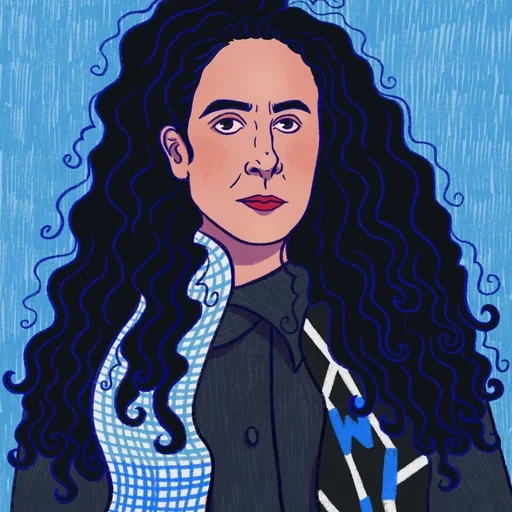
Susan Hefuna (Arabic: سوزان حفونه) is a German-Egyptian visual artist. She works in a variety of media, including drawing, photography, sculpture, installation, video and performance. She lives and works between Cairo, Egypt and Germany.