Artwork
Allegorie auf den Tod einer jungen Gattin
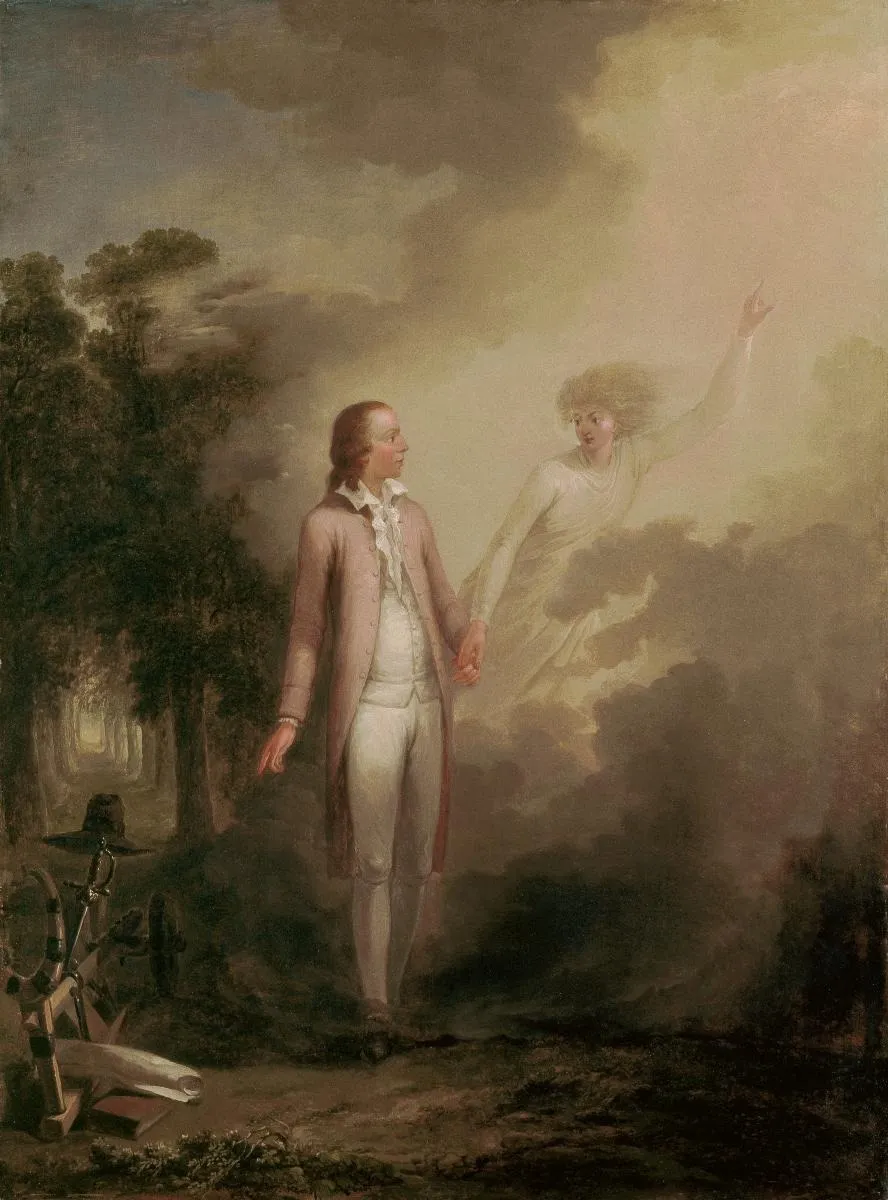
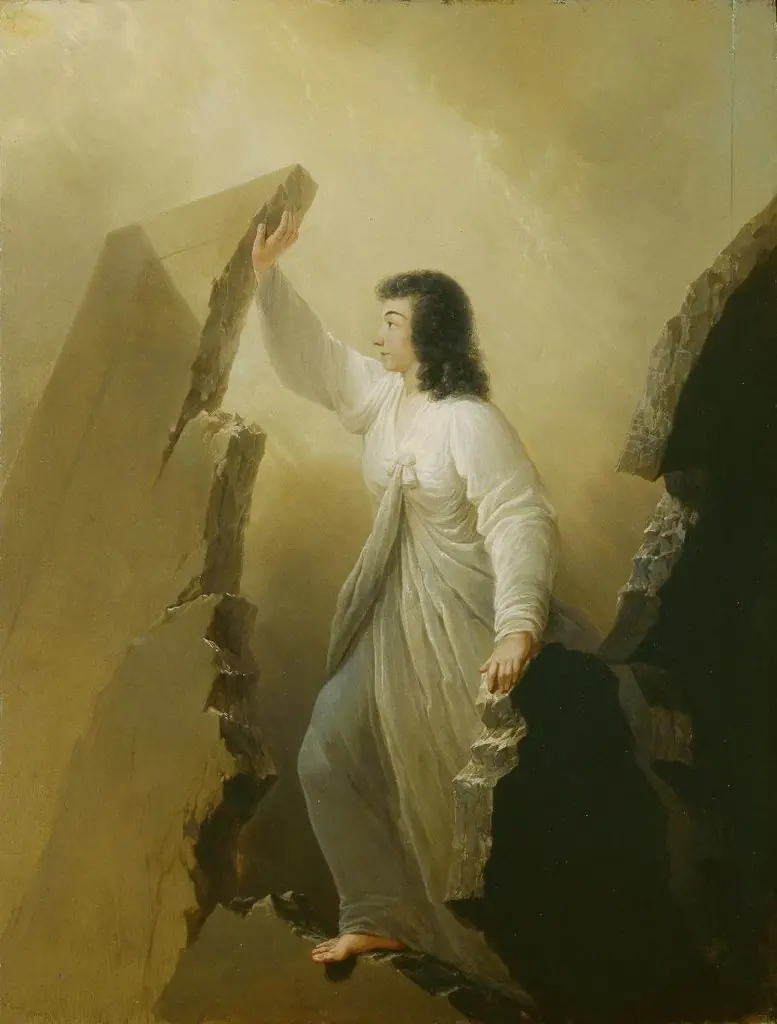
Allegorie auf den Tod einer jungen Gattin is an oil painting by the Neoclassicist artist Heinrich Freudweiler. It is held in the collection of the Kunsthaus Zürich.
About this work
Overview
Allegorie auf den Tod einer jungen Gattin, created by Swiss artist Heinrich Freudweiler in 1796, is an oil painting belonging to the neoclassical movement. It is part of the Kunsthaus Zürich collection.
Subject & Meaning
The painting depicts an allegorical scene of mourning, showing a grieving man in 18th-century attire holding hands with the transparent, ghostly figure of his deceased young wife. Her raised arm and the surrounding clouds symbolize her transition to the afterlife.
Technique & Style
Freudweiler employed chiaroscuro, contrasting light and dark to create depth and volume, enhancing the mysterious and otherworldly atmosphere. The neoclassical style is evident in the formal, emotive restraint of the figures amidst a serene yet ominous landscape.
History & Provenance
Trained in Düsseldorf and Mannheim, Freudweiler was influenced by artists like Graf and Chodowiecky during his travels to Dresden and Berlin. The painting has been part of the Kunsthaus Zürich collection since its acquisition details are not specified in the provided source.
Context
Created in 1796, the work reflects the late 18th-century European fascination with classical ideals merged with emotional, personal themes, characteristic of the neoclassical movement's response to the Enlightenment and emerging Romanticism.
Legacy
While specific impacts or notable exhibitions of *Allegorie auf den Tod einer jungen Gattin* are not detailed in the provided source, it contributes to the broader understanding of neoclassical painting in Switzerland and the thematic exploration of mortality during this period.
Artist & collection
Artist
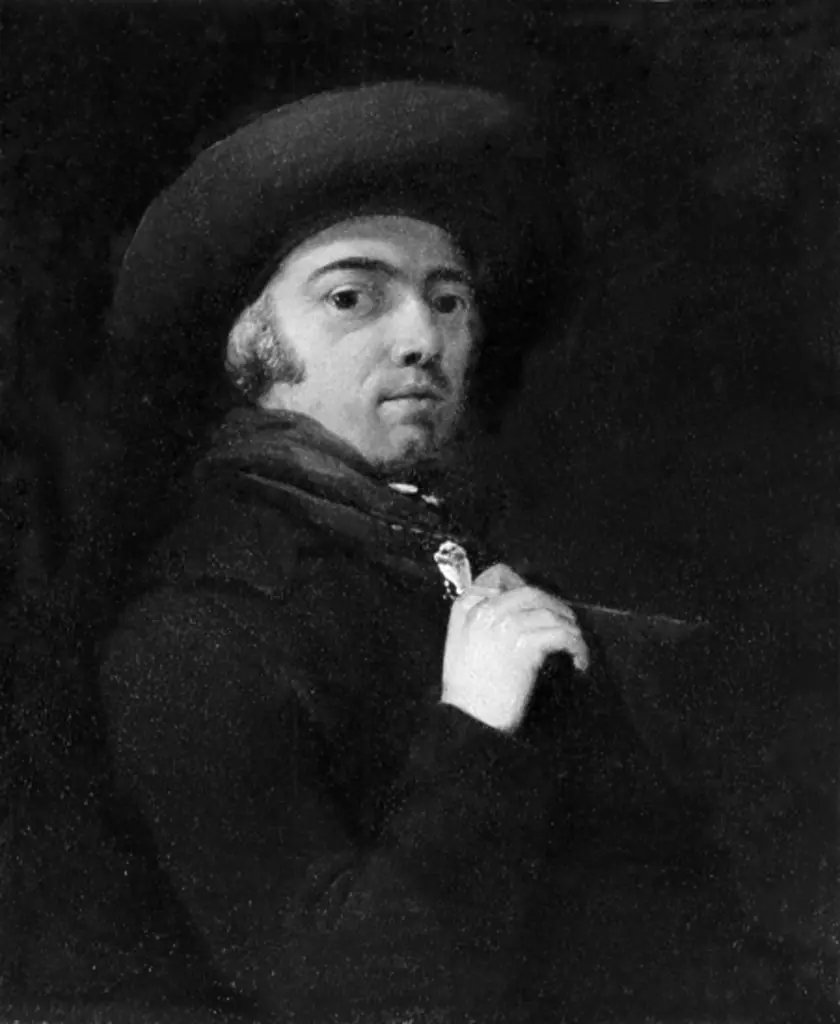
Heinrich Freudweiler, a Swiss portrait and genre painter, was born at Zurich in 1755, and was first instructed by H.

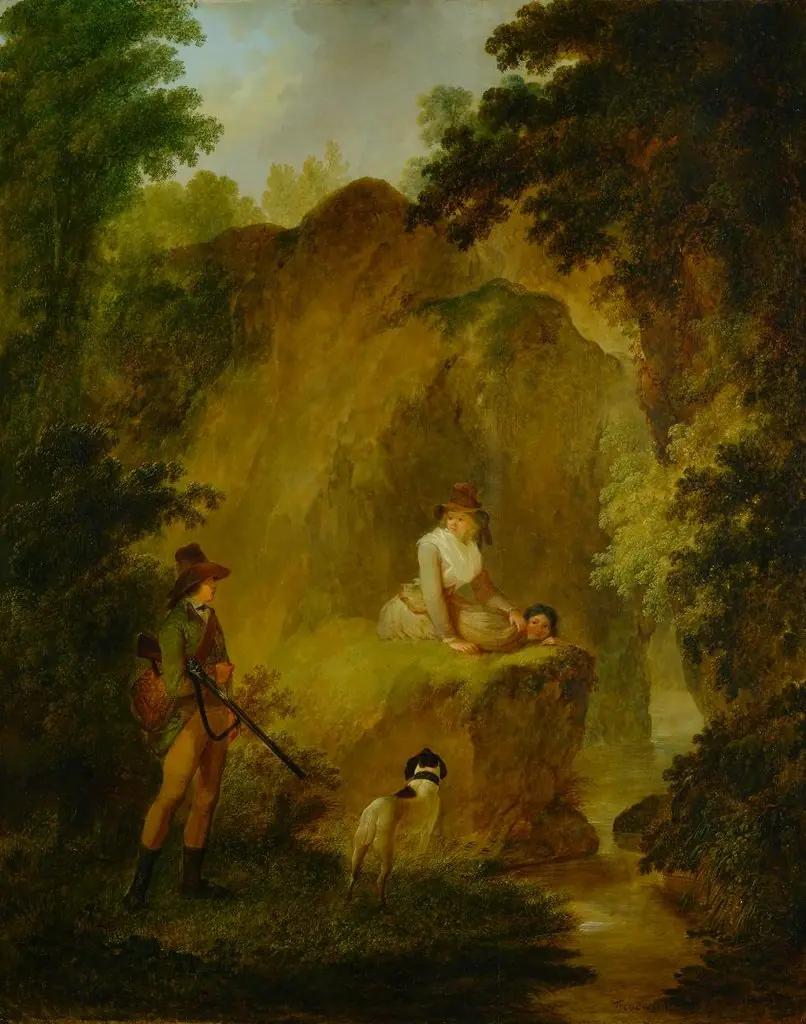
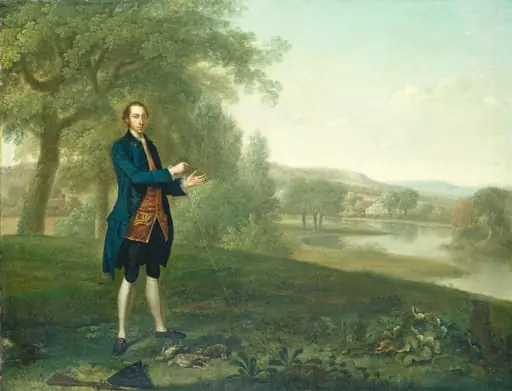 Portrait of a Gentleman Netting Partridges
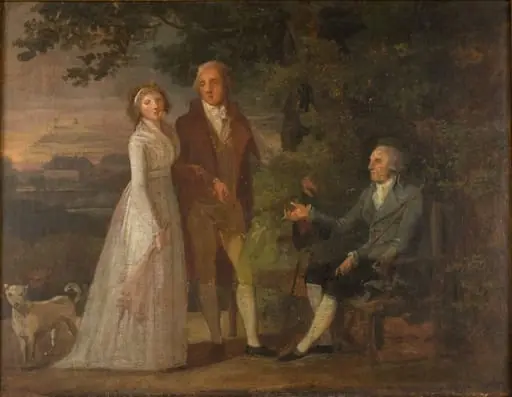 The Ryberg Family
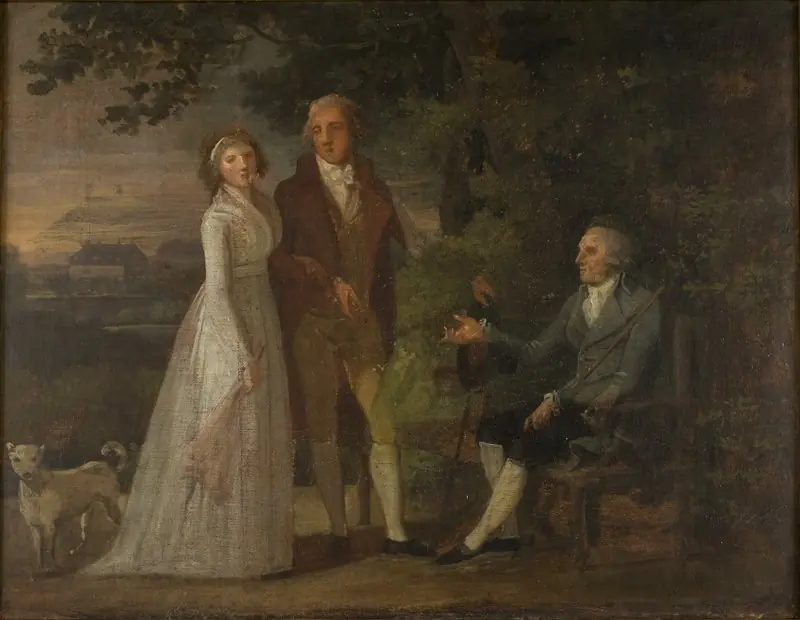 The Ryberg Family
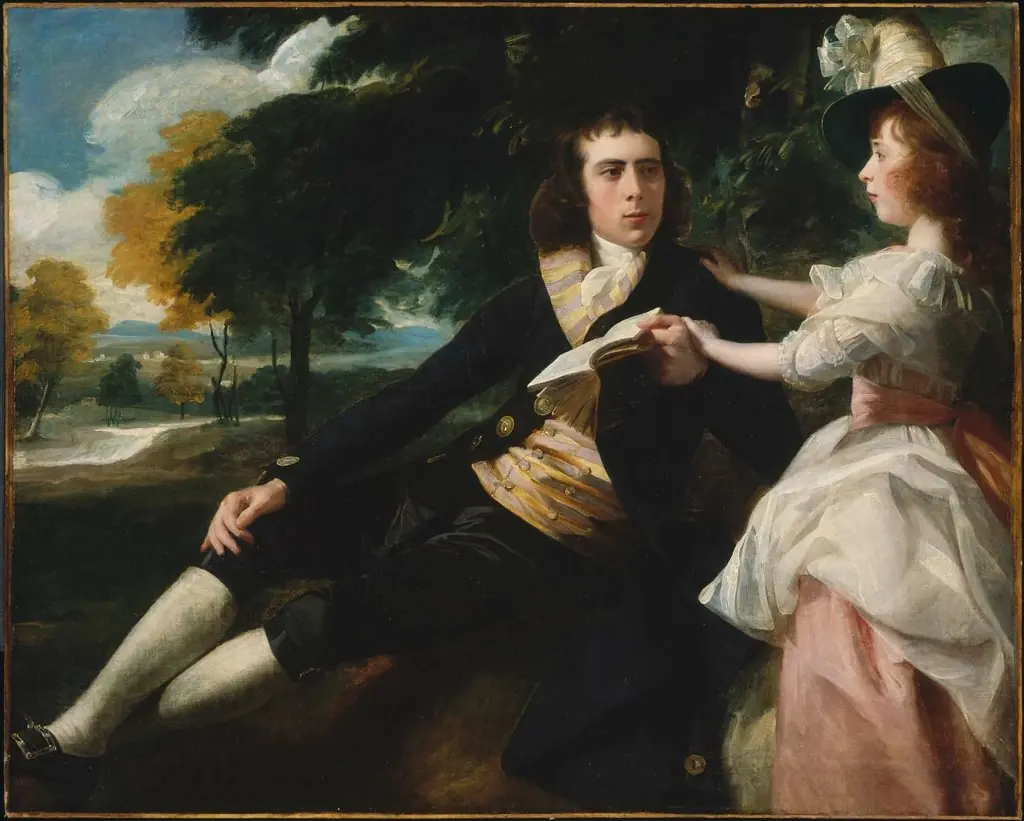 Thomas Lane and His Sister Harriot
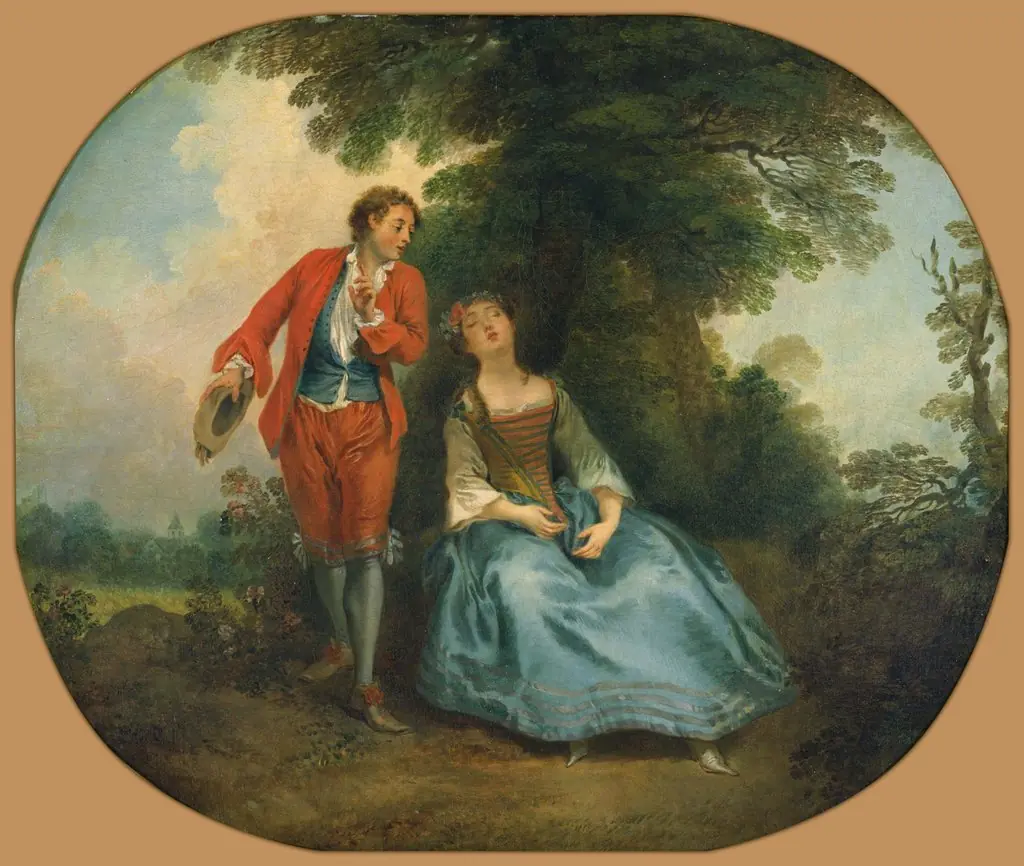 Sleeping Shepherdess
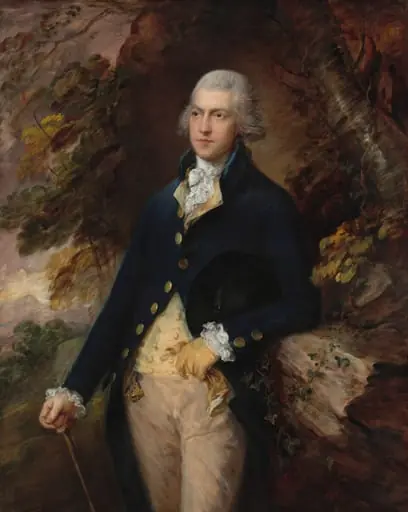 Francis Basset, Lord de Dunstanville
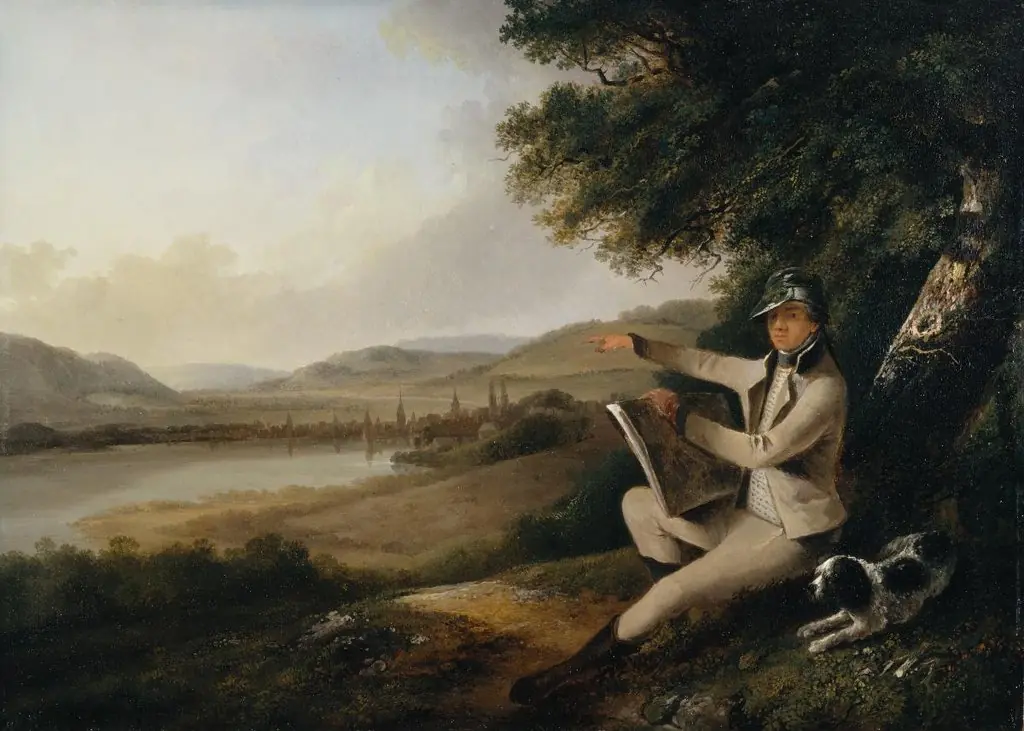 Bildnis eines Malers mit Blick auf Zürich
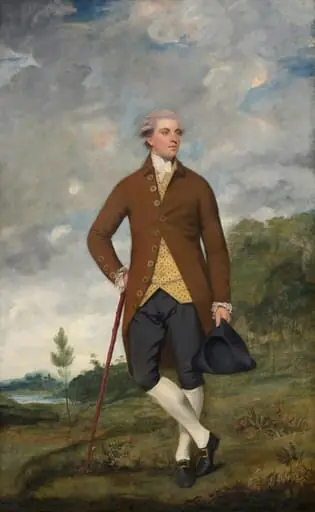 John Musters
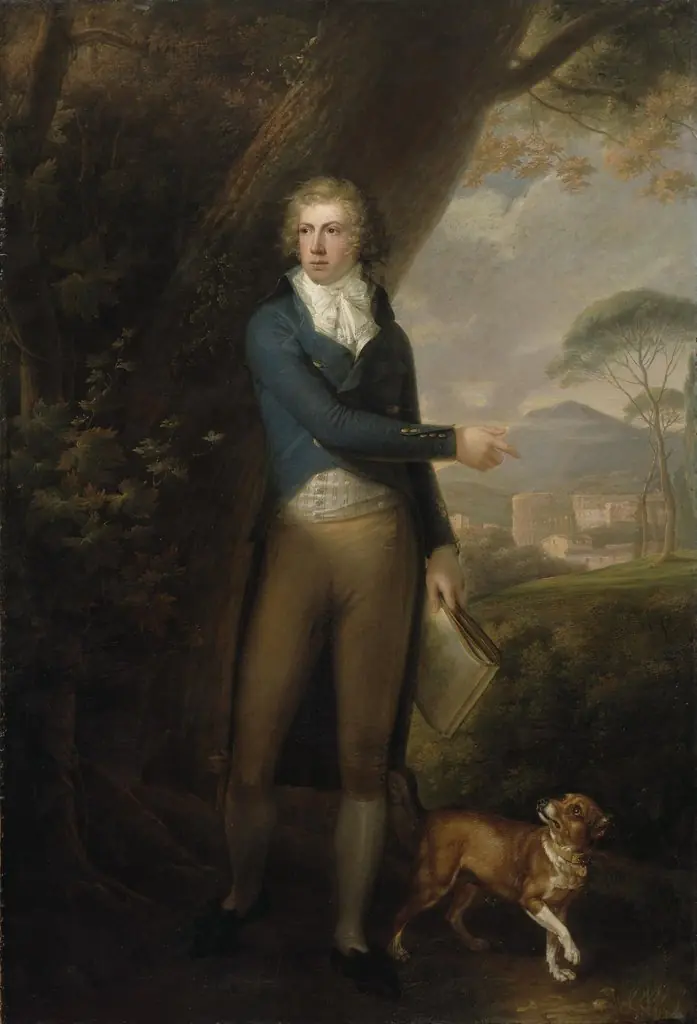 Portrait of Sir George Wright, 2nd Baronet (c.1770-1812)
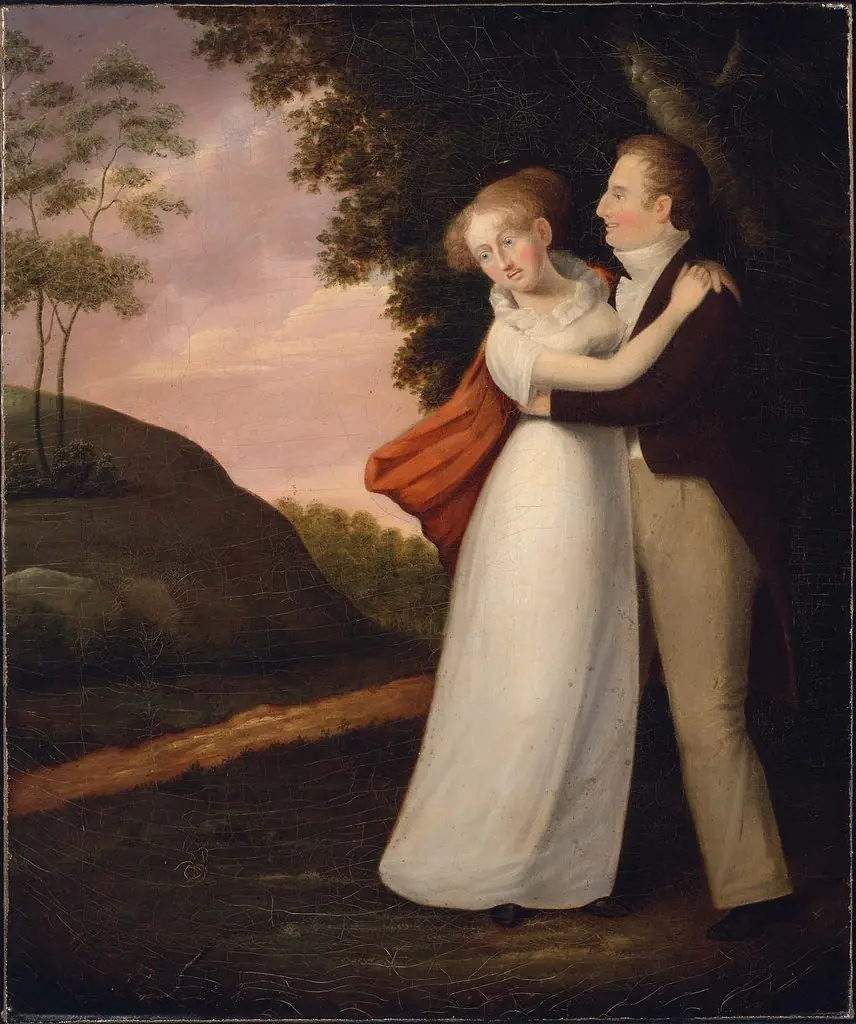 The Frightened Girl
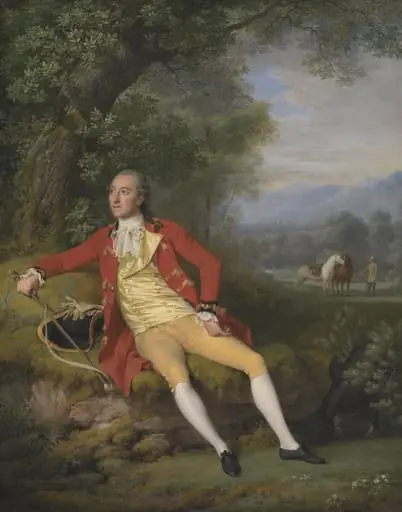 Portrait of an Envoy to the French and English Courts
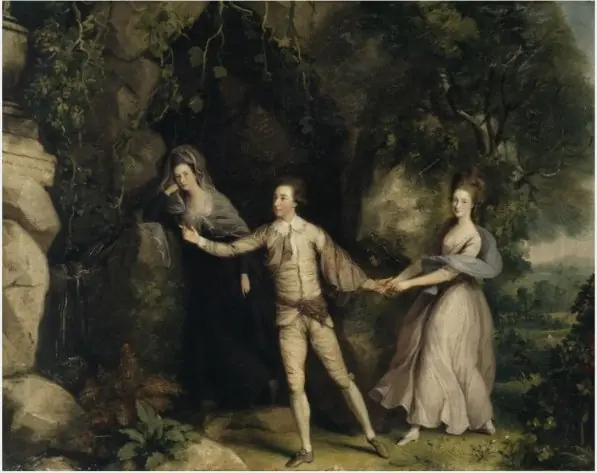 An Actor between the Muses of Tragedy and Comedy