Artwork
Portrait of a Man
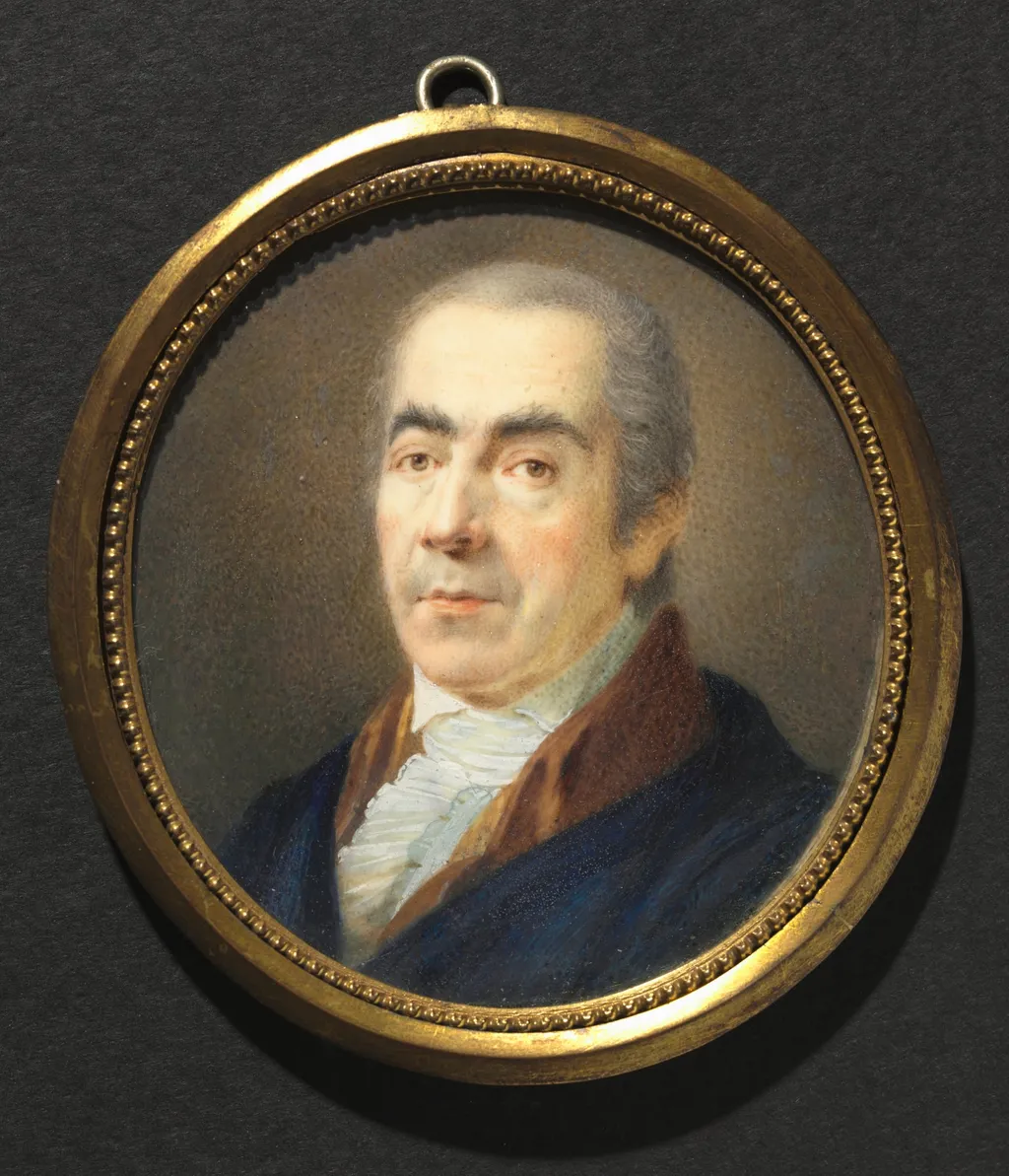
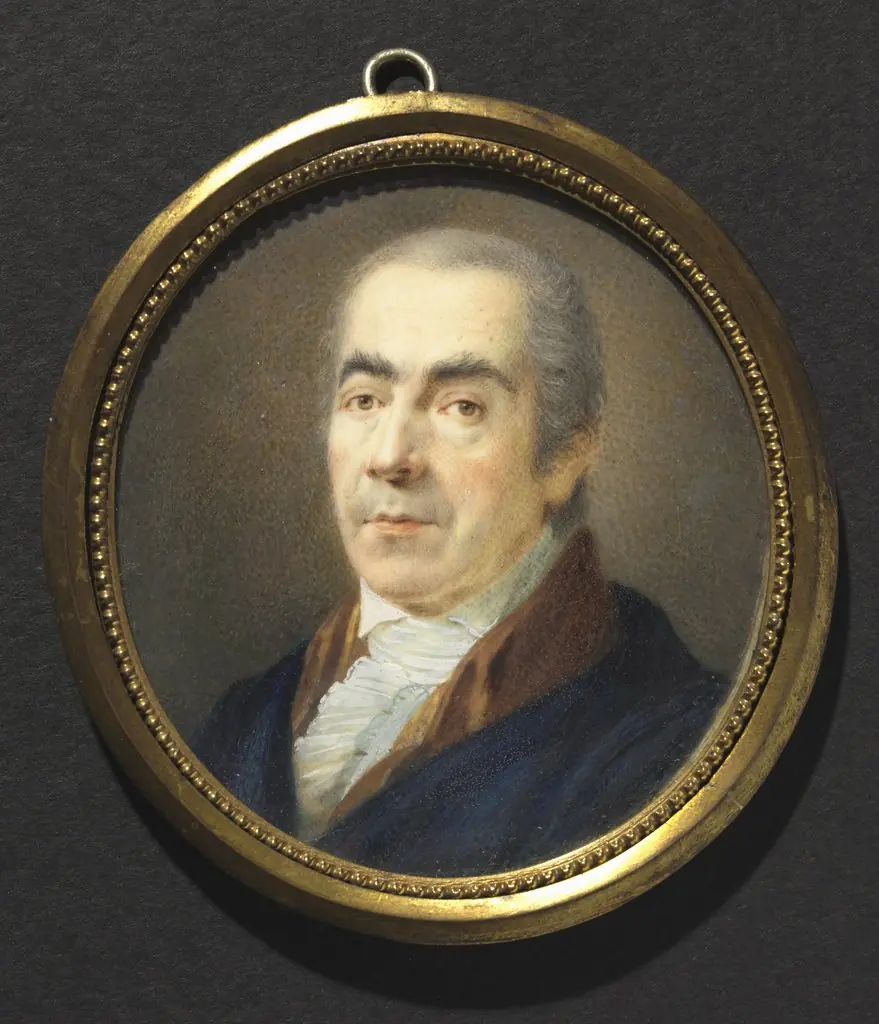
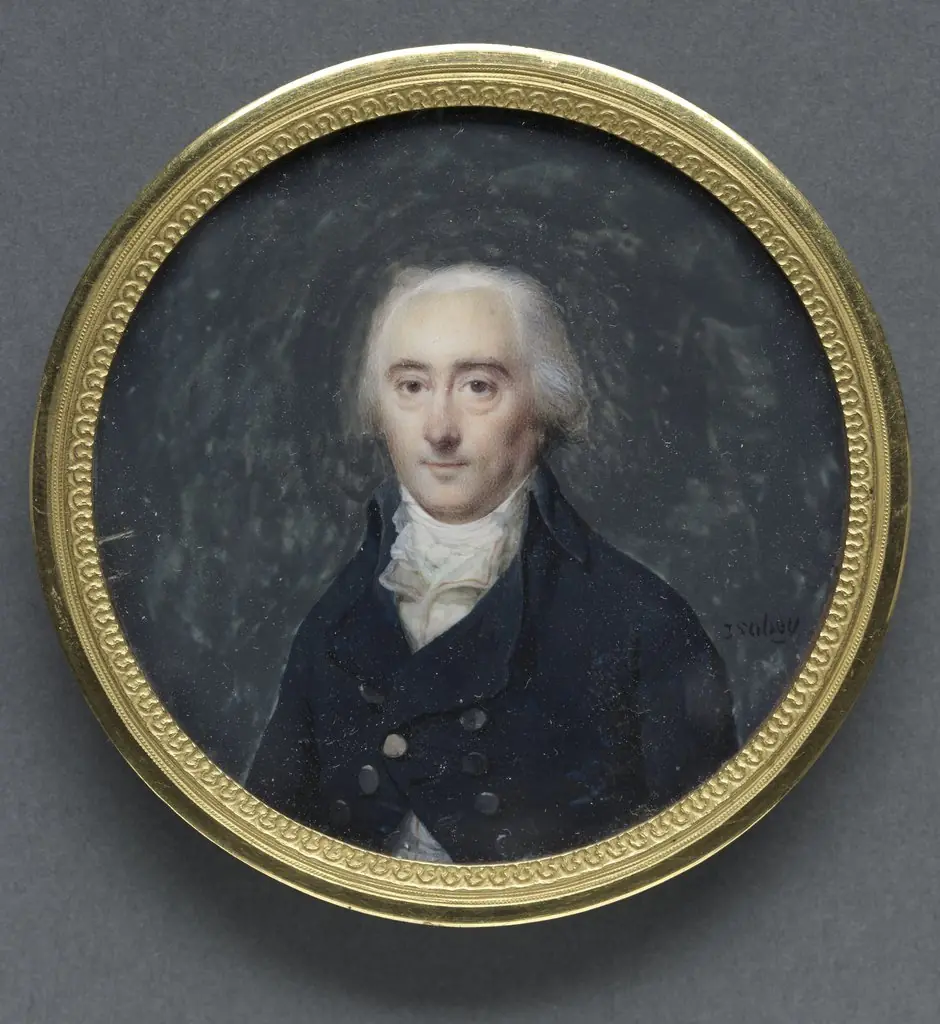
Portrait of a Man is an unspecified portrait miniature by the Biedermeier artist Heinrich Füger. It dates from 1795 and is held in the collection of the Cleveland Museum of Art. This small portrait miniature, dated around 1795, depicts an unidentified man in quiet repose.
About this work
Overview
Executed in watercolor on ivory, it measures just a few inches across, typical of personal portraits intended for intimate viewing.
This small portrait miniature, dated around 1795, depicts an unidentified man in quiet repose. Executed in watercolor on ivory, it measures just a few inches across, typical of personal portraits intended for intimate viewing. The work is part of the collection at The Cleveland Museum of Art, where it is displayed in its original gold frame, preserving its historical presentation and refined aesthetic.
Subject & Meaning
The sitter, likely a member of the European educated elite, is rendered with restrained dignity. His graying hair and subtle smile suggest maturity and composure, while the plain background eliminates distraction, focusing attention on his demeanor. The absence of symbolic objects or setting implies the portrait’s purpose was personal rather than public—a private memento of character rather than status.
Technique & Style
Füger employed delicate watercolor washes on ivory to achieve a lifelike texture, using soft gradations of tone to model the face in chiaroscuro. The lighting is subtle, enhancing the three-dimensionality of the features without dramatic contrast. Fine brushwork captures the sheen of the cravat and the texture of the coat’s lapel, while the overall composition emphasizes clarity and restraint, characteristic of late 18th-century portraiture.
History & Provenance
The portrait entered The Cleveland Museum of Art’s collection in the 20th century, though its earlier ownership remains undocumented. It was likely commissioned by the sitter or a close associate, as such miniatures were commonly exchanged among families or kept as personal keepsakes. Its preservation in the original frame suggests it was valued as a cherished object rather than a public display.
Context
Created during the late Enlightenment, this miniature reflects a cultural preference for intimate, psychologically nuanced portraiture. While grand oil paintings celebrated public figures, miniatures like this served private, emotional functions—often carried in lockets or kept in drawers. Füger, trained in Vienna and active across Europe, brought a refined academic sensibility to this intimate genre.
Legacy
Though not widely exhibited, the portrait exemplifies the technical precision and emotional subtlety achievable in miniature portraiture. It stands as a quiet testament to the value placed on personal identity in the late 18th century. Füger’s approach influenced later artists working in the medium, preserving the miniature’s role as a vehicle for intimate representation beyond mere likeness.
Artist & collection
Artist
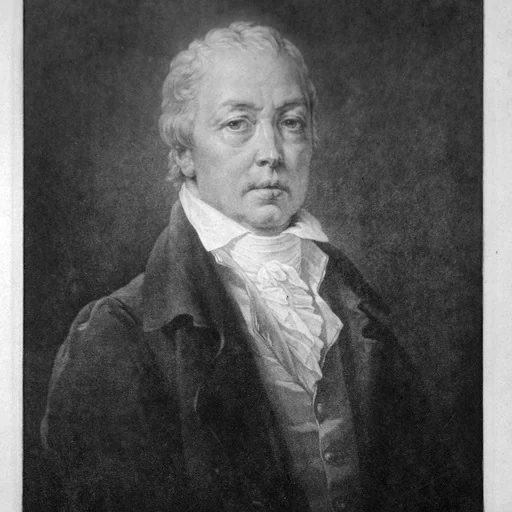
Heinrich Friedrich Füger (8 December 1751 – 5 November 1818) was a German portrait and historical painter and one of the most important German representatives of classicism.

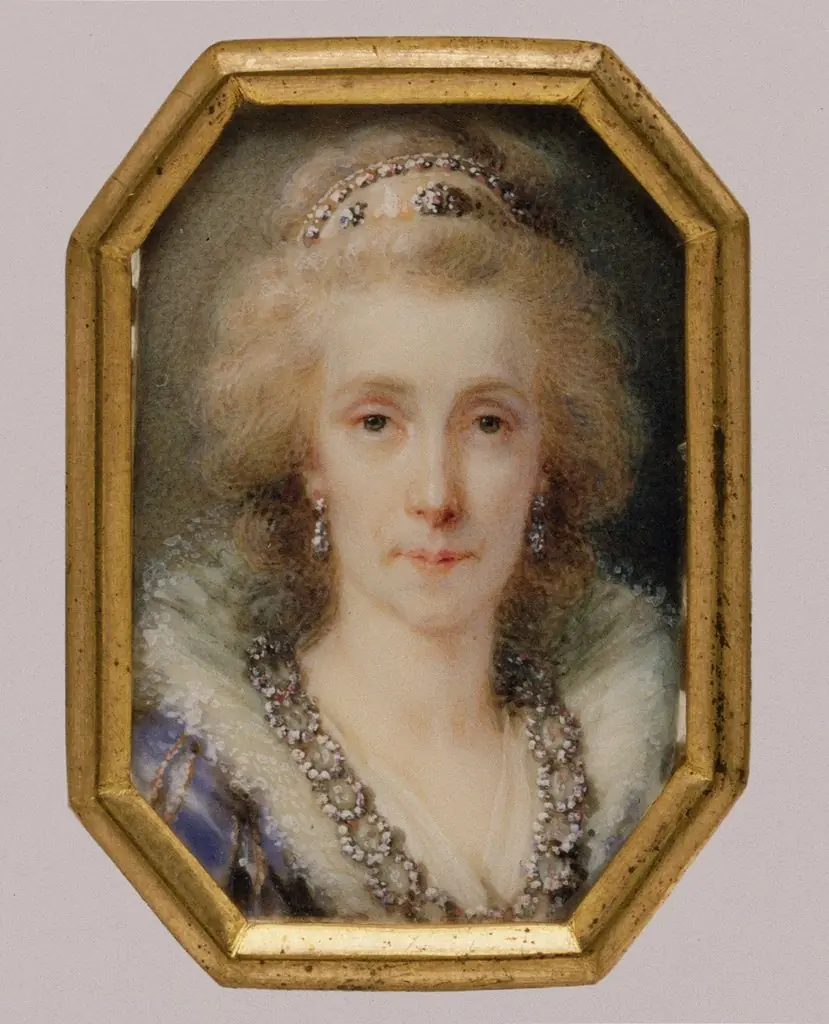 Maria Louisa (1745–1792), Empress of Austria
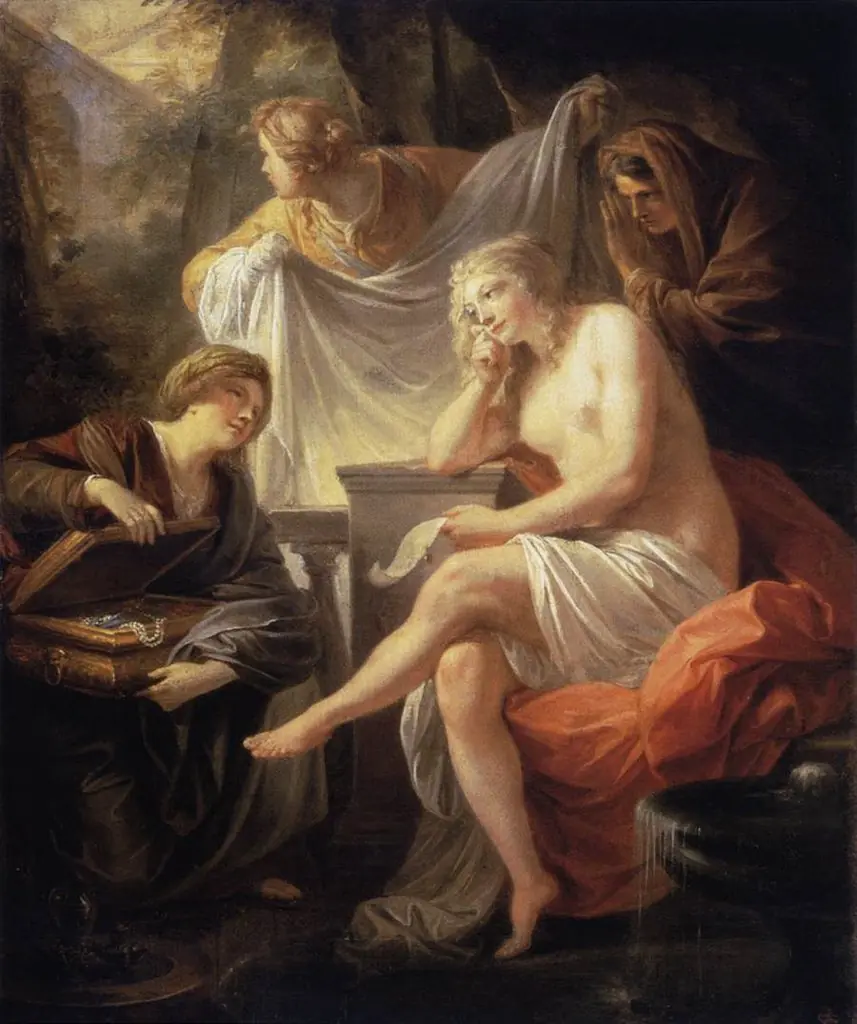 Bathsheba at her bath
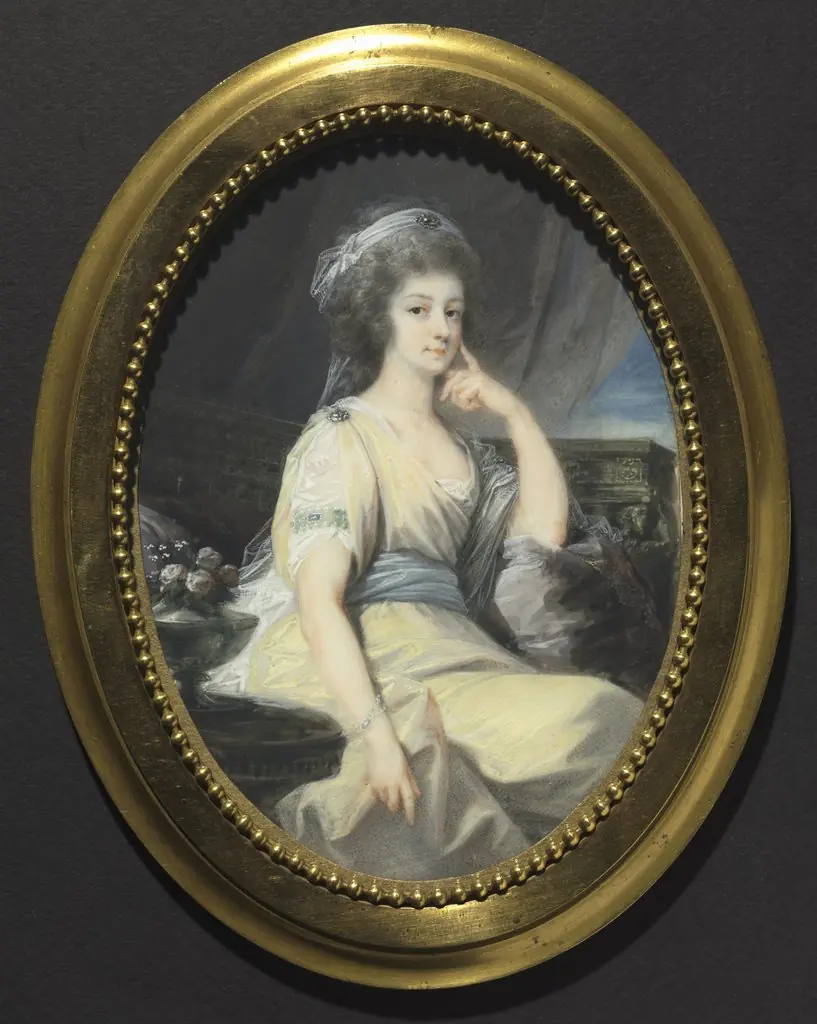 Portrait of Marie Karolina Anna, Countess Thun
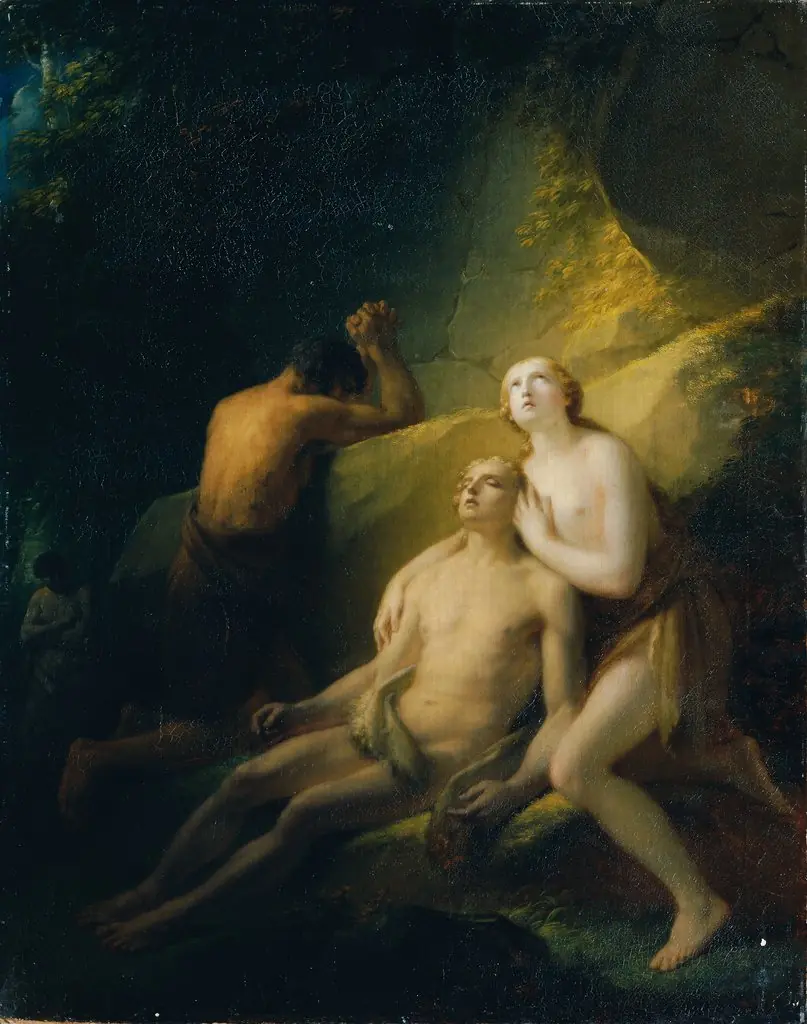 Adam and Eve Mourn the Dead Abel
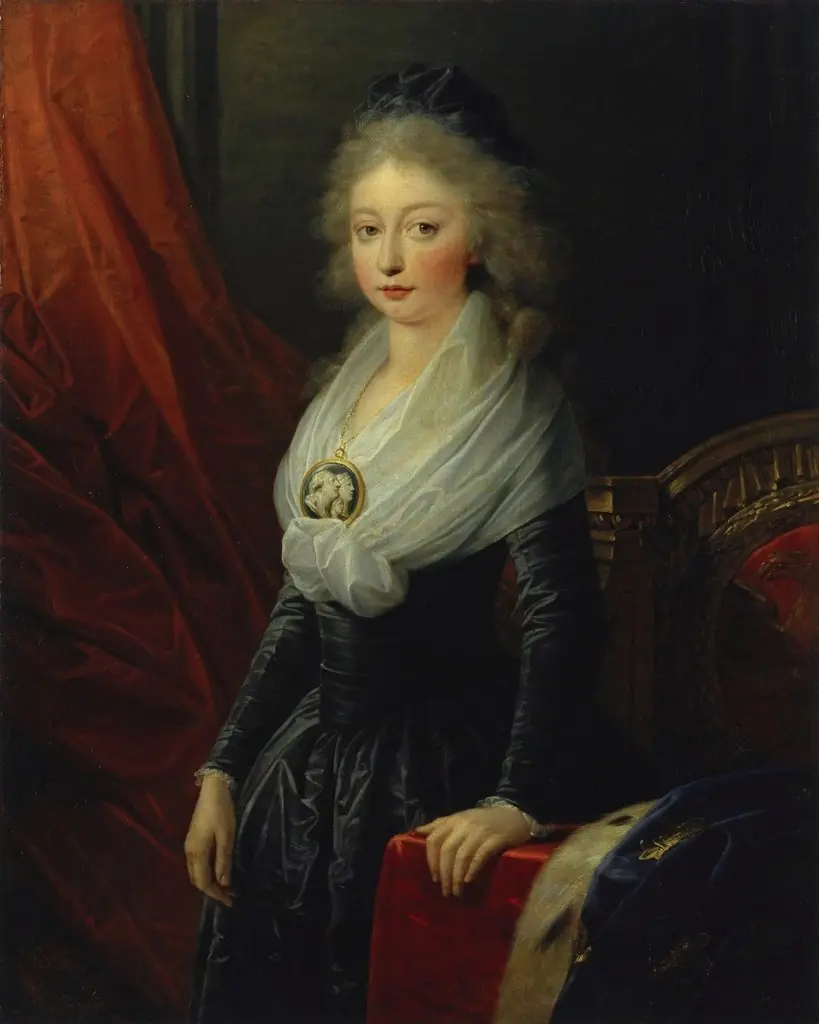 Portrait of Maria Theresia Charlotte of Bourbon
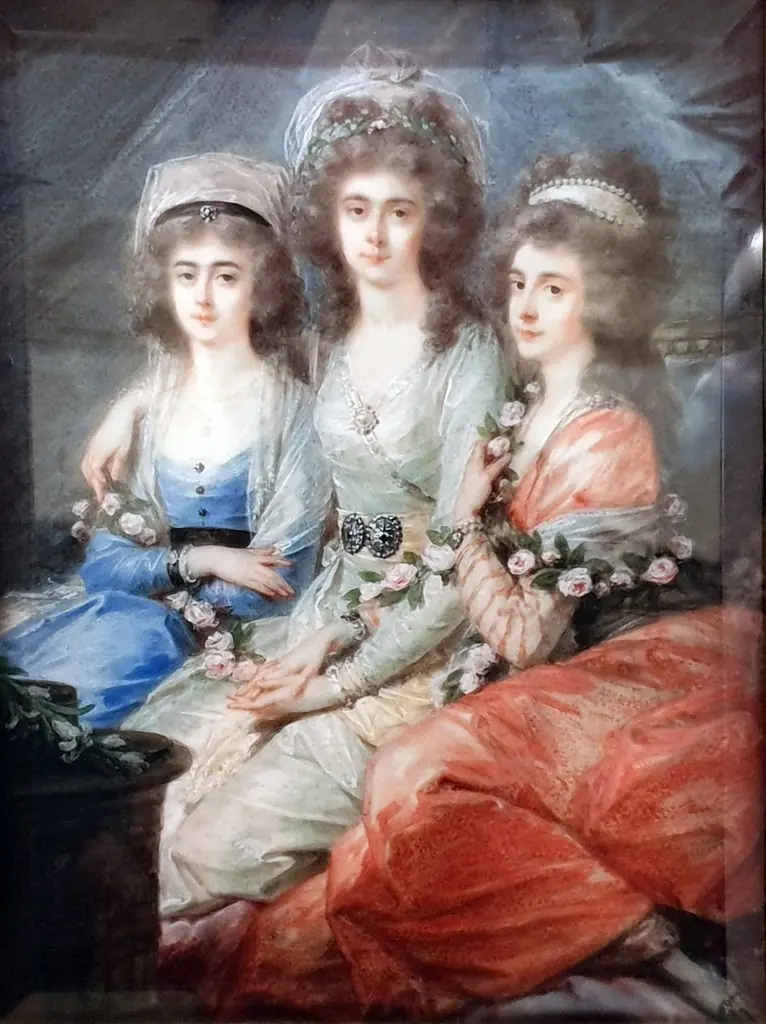 The countesses Elisabeth, Christiane and Marie Karoline Thun-Hohenstein-Klösterle
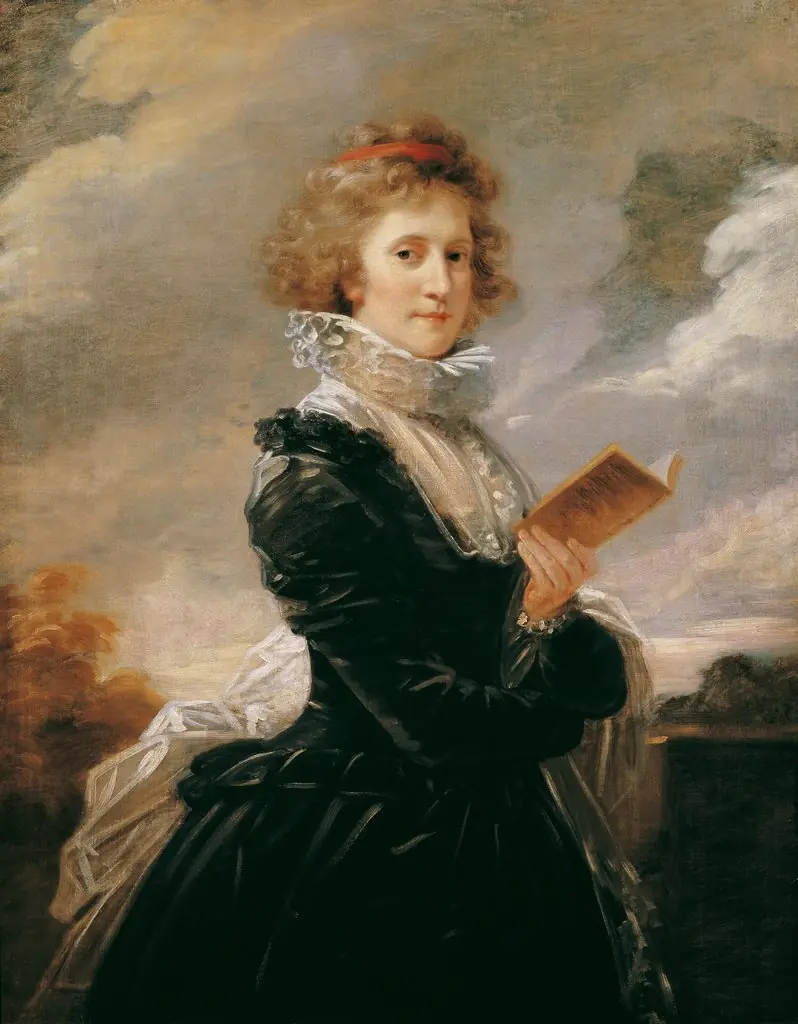 The actress Josefa Hortensia Füger, the wife of the artist
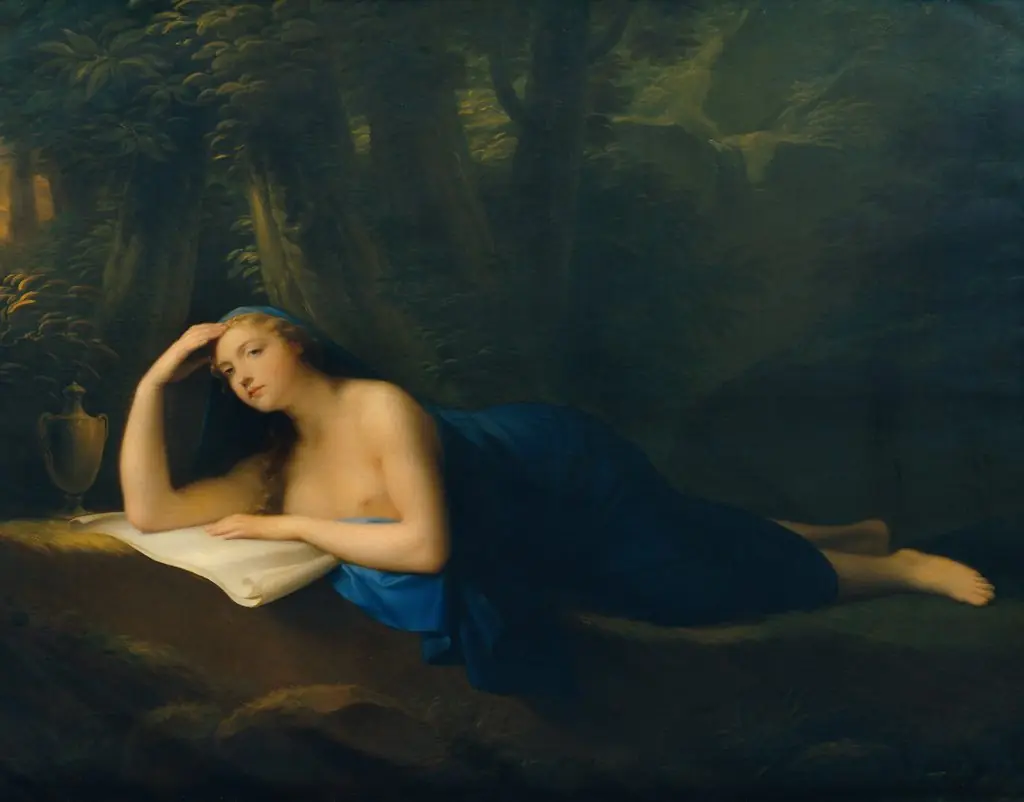 The Penitent Magdalene
 Portrait of a Man
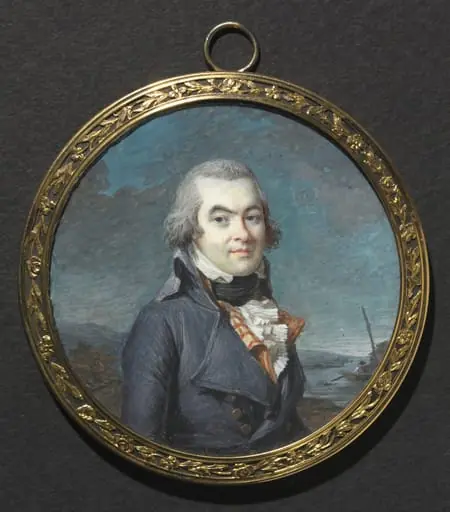 Portrait of a Man in a Landscape
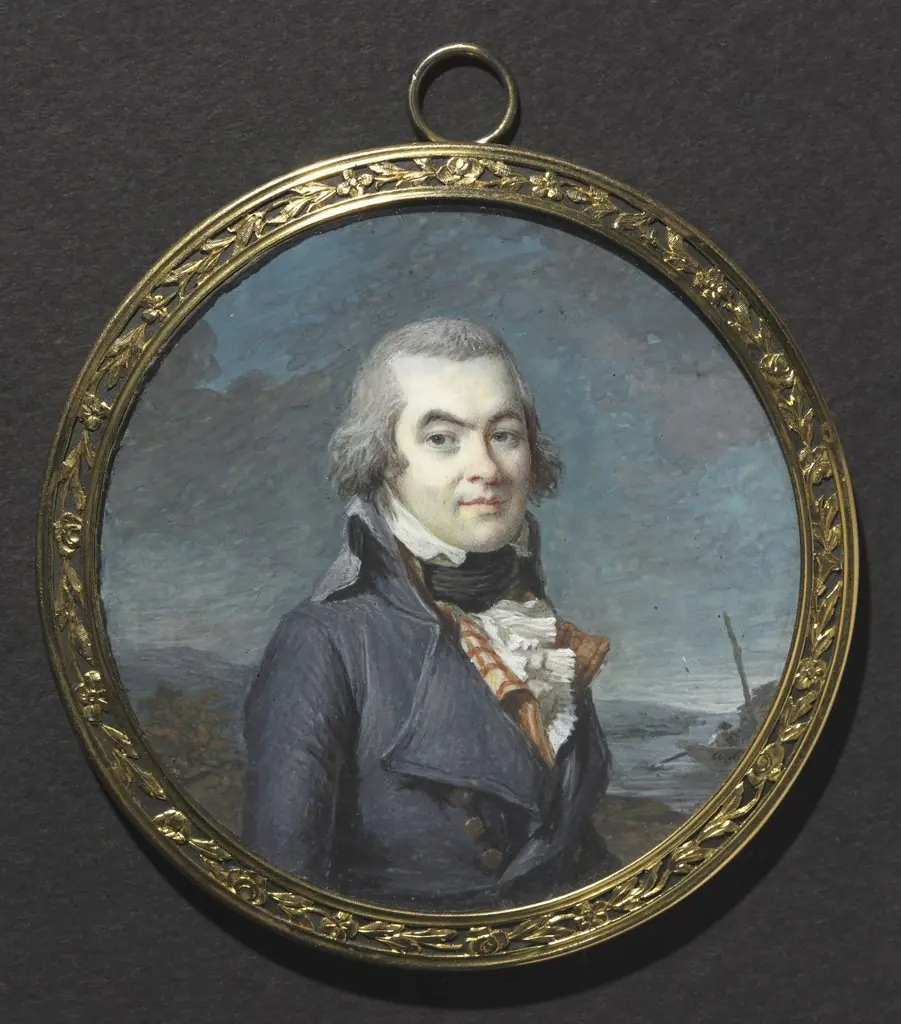 Portrait of a Man in a Landscape
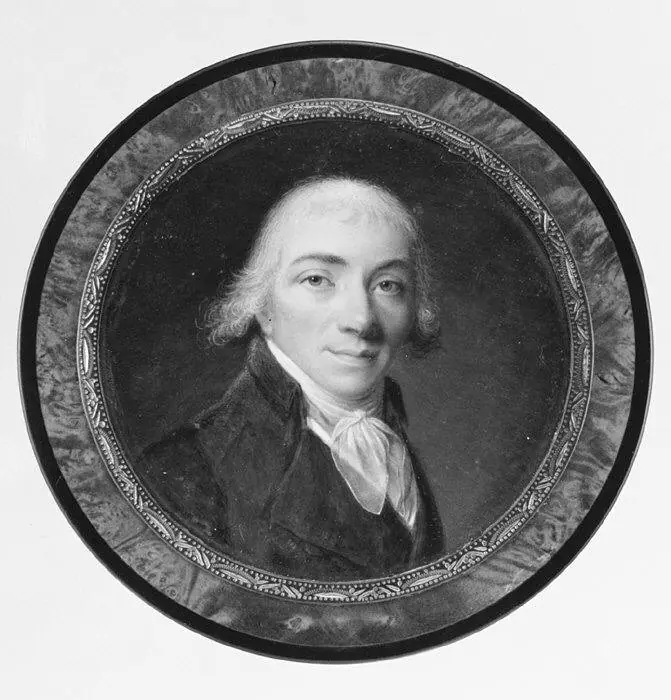 Portrait of a Man
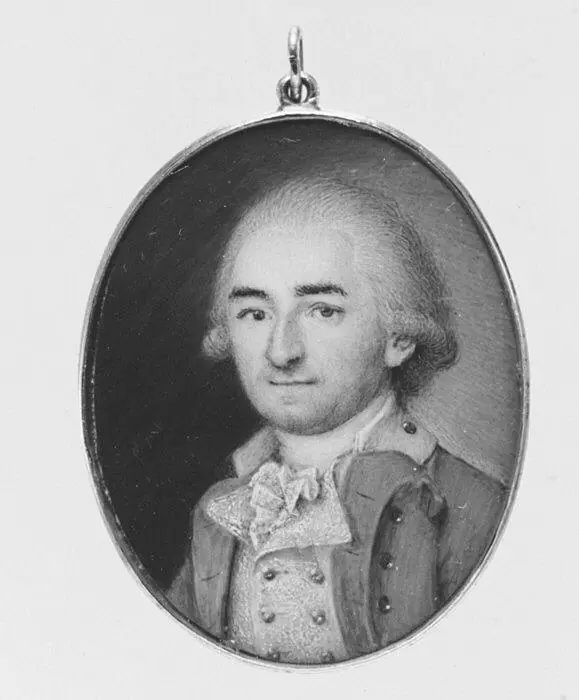 A Man with the Initials CJD
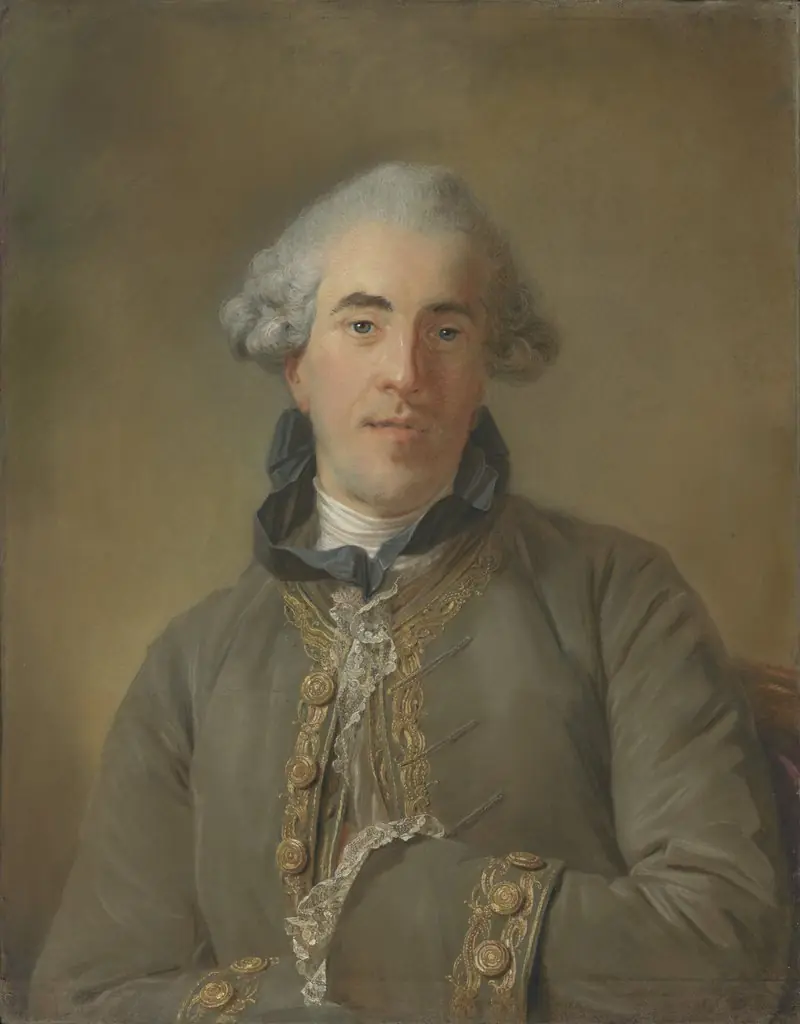 Portrait of Théophile Van Robais
 Portret van een man
 Portrait of a man on ivory
 Arend Willem Baron van Reede en zijn zoon Willem Frederik Baron van Reede
 Portrait of a Man
 Man in a Great Coat
 Portrait of a Man