Artwork
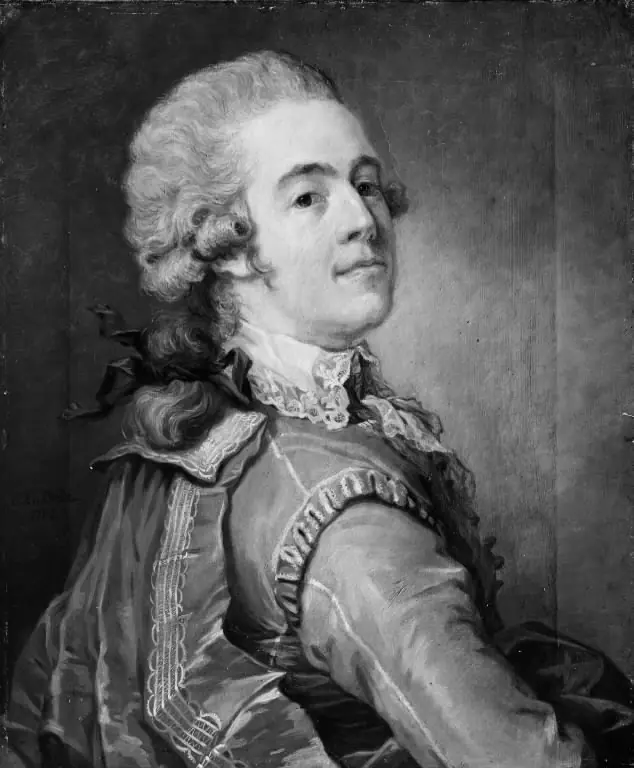
Portrait of Théophile Van Robais
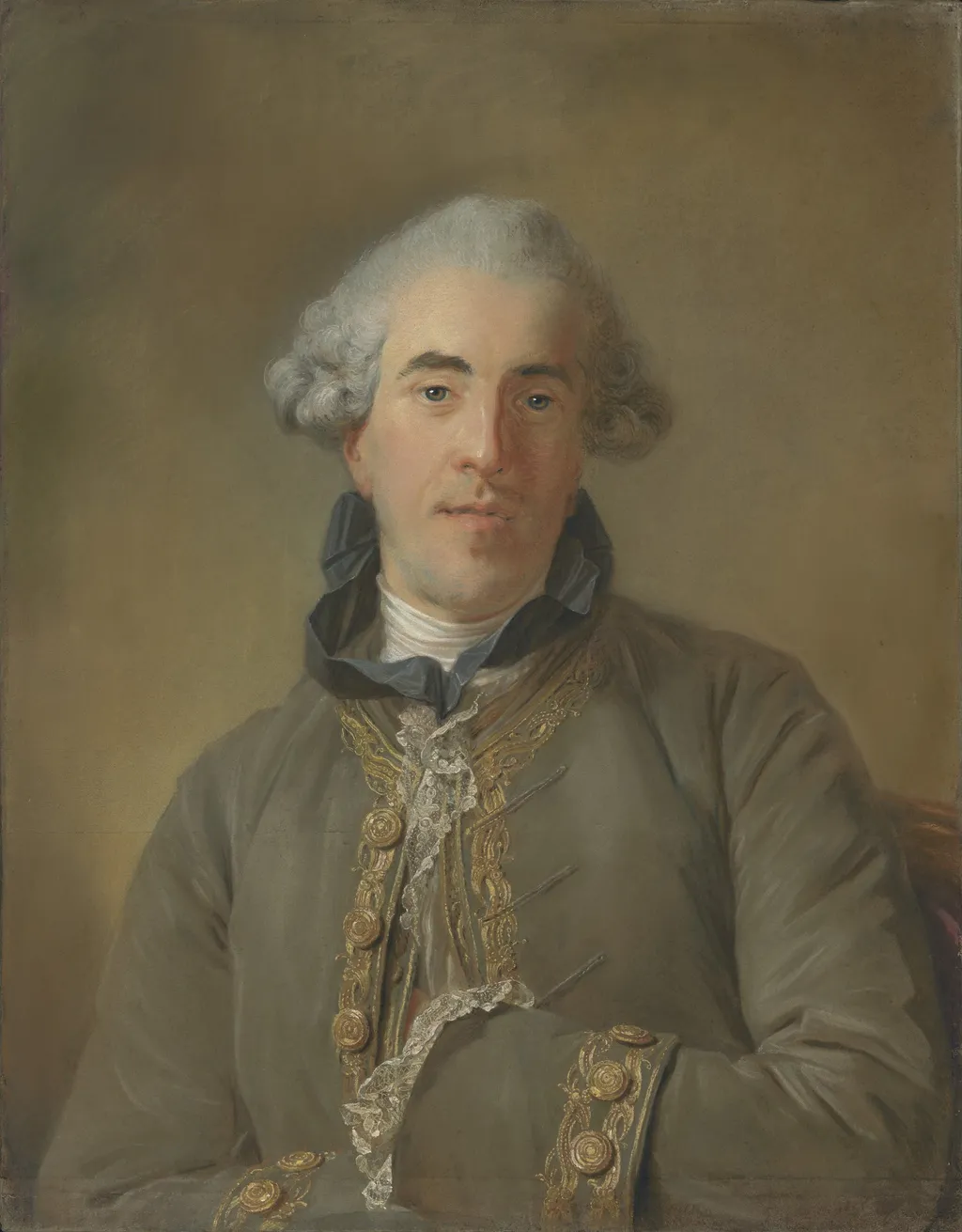
Portrait of Théophile Van Robais is an unspecified painting by the Rococo painting artist Jean-Baptiste Perronneau. It dates from 1770 and is held in the collection of the J. Paul Getty Museum.
About this work
If you want to learn more about the artist who created this work, look up Jean-Baptiste Perronneau.
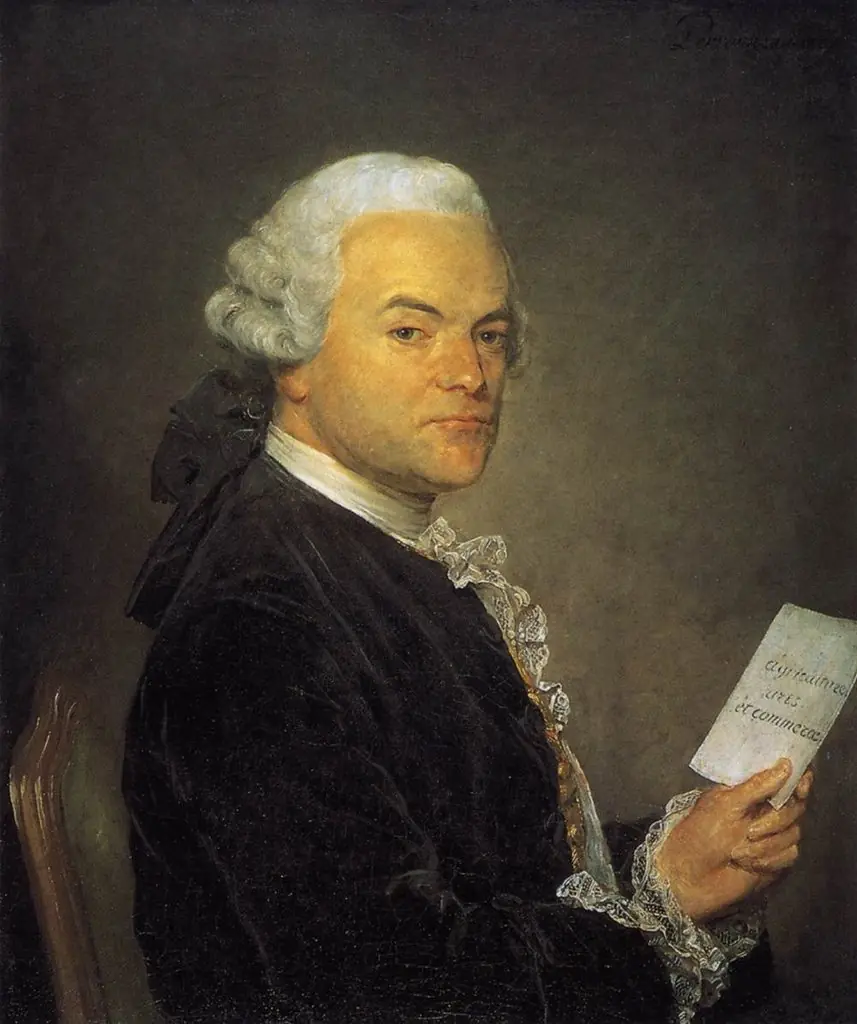
This painting shows a man with white hair, wearing a brown coat with gold trim and buttons. He has a white shirt and a black collar. The background is a plain brown wall.
The man's face is serious, and he looks straight ahead. His hair is styled in a formal way, with curls on the sides. The coat has intricate designs on the front, with gold thread and buttons.
The painting is a portrait of a man from the 18th century. If you want to learn more about the artist who created this work, look up Jean-Baptiste Perronneau.
Overview
Painted in 1770 by Jean-Baptiste Perronneau, this pastel portrait depicts Théophile Van Robais, a French gentleman of the late Ancien Régime. Executed in the delicate medium favored by Rococo portraitists, the work captures a moment of quiet dignity. It resides in the J. Paul Getty Museum’s collection, where it exemplifies the period’s interest in intimate, psychologically nuanced portraiture rendered with refined technique.
Subject & Meaning
Théophile Van Robais is portrayed with formal composure, his gaze direct and expression restrained. His attire—brown coat with gold embroidery, white shirt, and black collar—signals status and refinement without ostentation. The absence of symbolic objects or elaborate settings shifts focus to the sitter’s presence, suggesting an emphasis on personal character over social display, typical of evolving 18th-century portraiture.
Technique & Style
Perronneau employed pastel on paper, leveraging its soft texture to model subtle gradations of light and texture. The rendering of the coat’s gold trim and the sitter’s powdered curls demonstrates meticulous attention to detail, while the muted background isolates the figure. The technique balances Rococo elegance with a restrained realism, avoiding theatricality in favor of quiet immediacy.
History & Provenance
The portrait was completed in 1770, during Perronneau’s mature period as a leading pastellist in Paris. Its early provenance is undocumented, but it entered the Getty Museum’s collection in the late 20th century. The work’s preservation in good condition reflects its careful handling and the durability of pastel when mounted and framed appropriately.
Context
In the decades before the French Revolution, portraiture increasingly favored understated elegance over aristocratic grandeur. Perronneau’s work aligned with this shift, capturing individuals with psychological depth rather than ceremonial pomp. Van Robais’s portrait reflects a broader trend among the French elite toward private, introspective representation, even as public displays of power remained prevalent.
Legacy
Perronneau’s portraits, including this one, are recognized for their sensitivity and technical precision in pastel. Though less celebrated than his contemporaries, his work contributed to the medium’s legitimacy in fine art. Today, this portrait stands as a quiet testament to the evolving norms of identity and representation in late 18th-century France.
Own this work as a print
Artist & collection
Artist
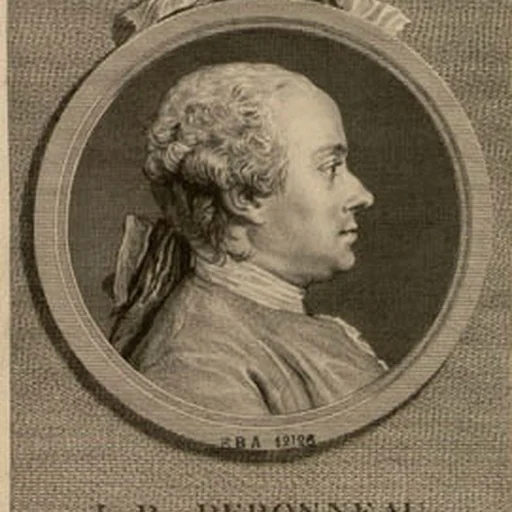
Jean-Baptiste Perronneau (French pronunciation: ; c. 1716 – 19 November 1783) was a French Rococo painter and draughtsman, best known for his portrait pastels.

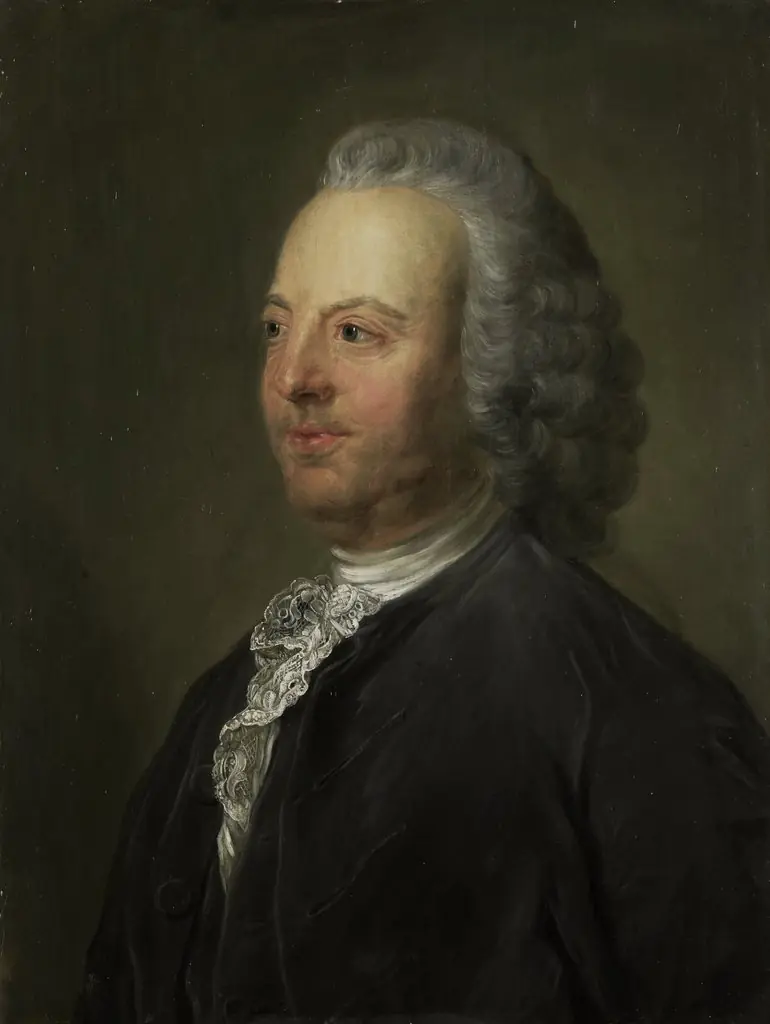
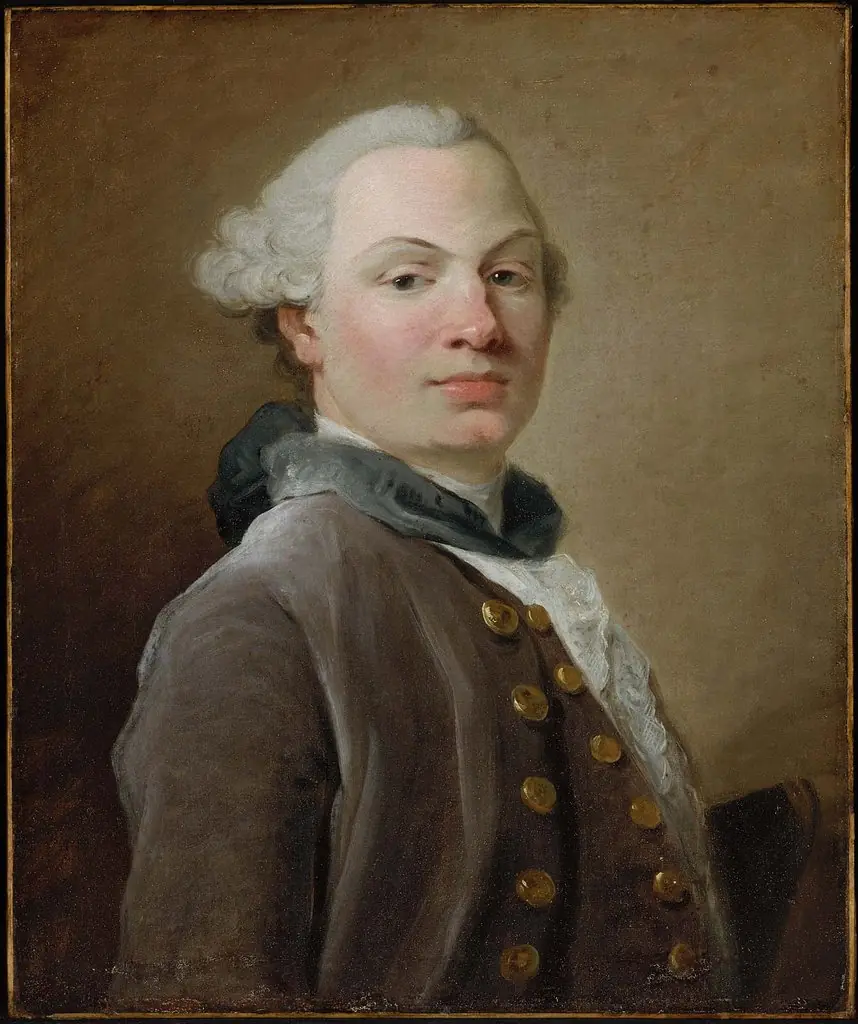
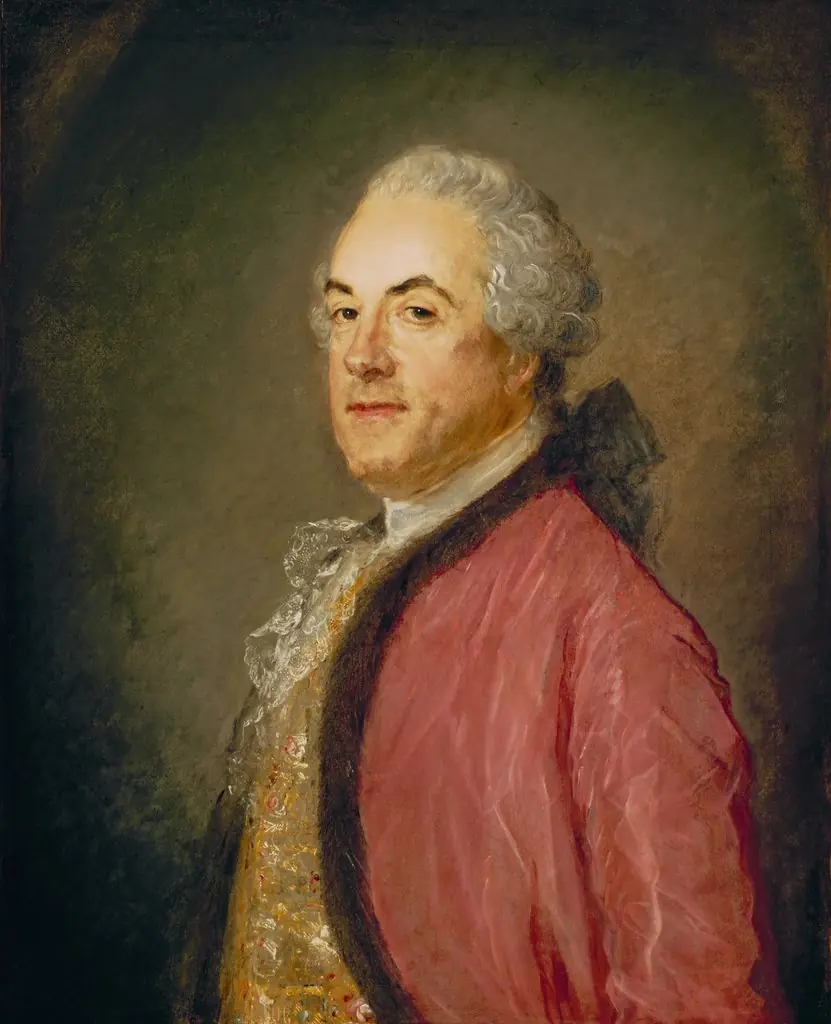
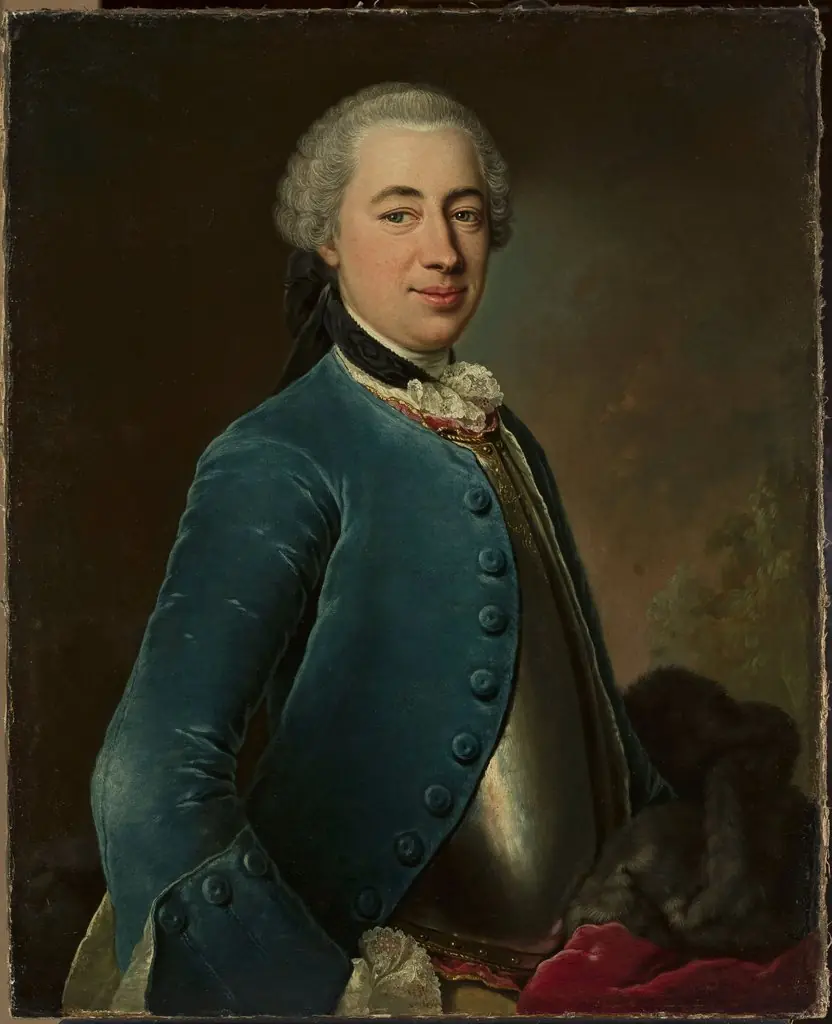 Portrait of a man in armour
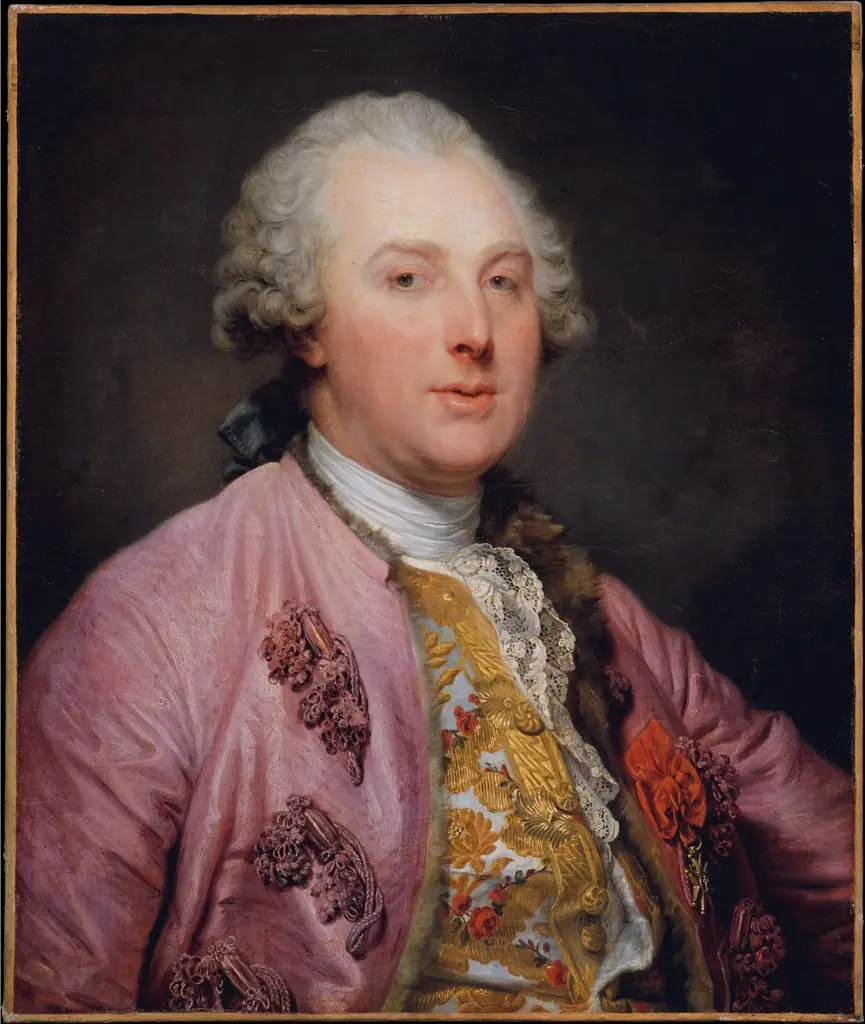 Portrait of Charles Claude de Flahaut de La Billarderie (Comte d'Angiviller)
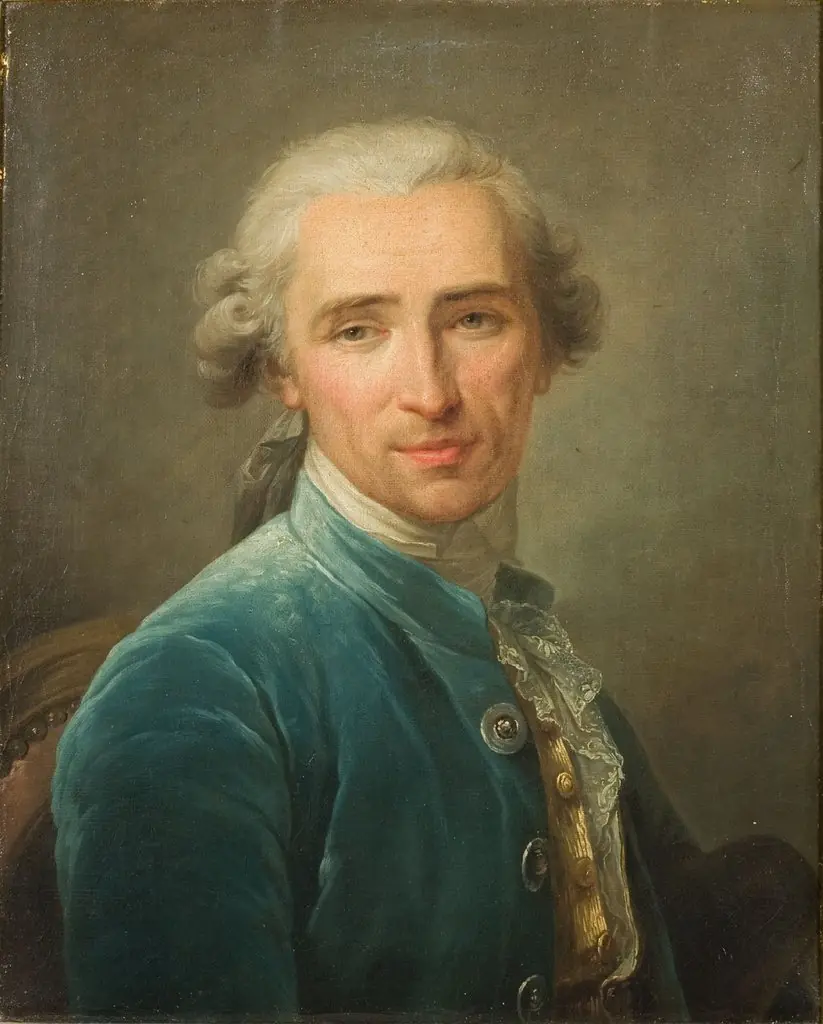 Portrait de Joseph Benoît Suvée
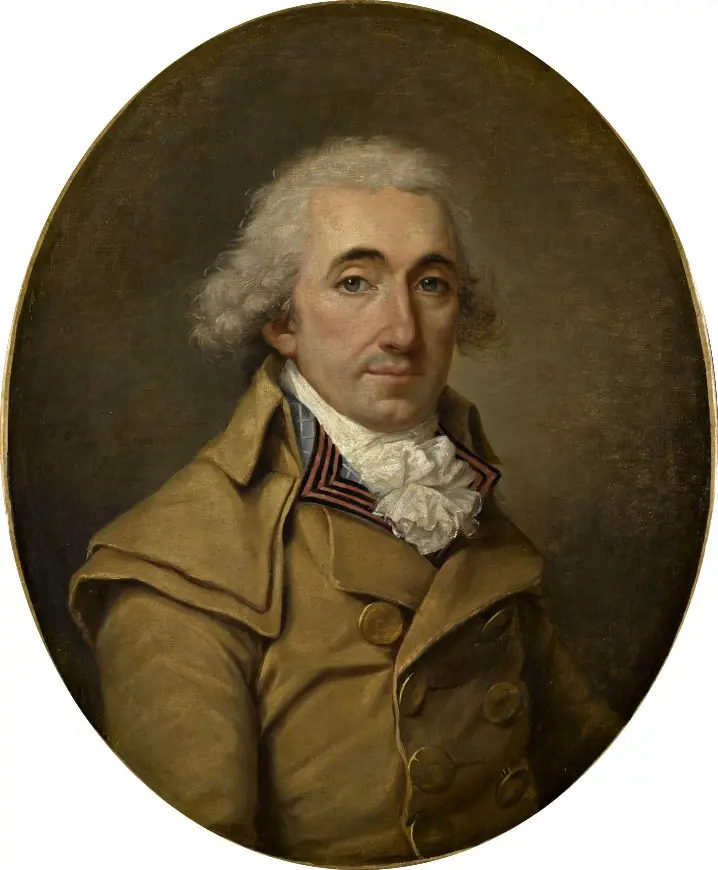 Charles-Antoine d'Artenay
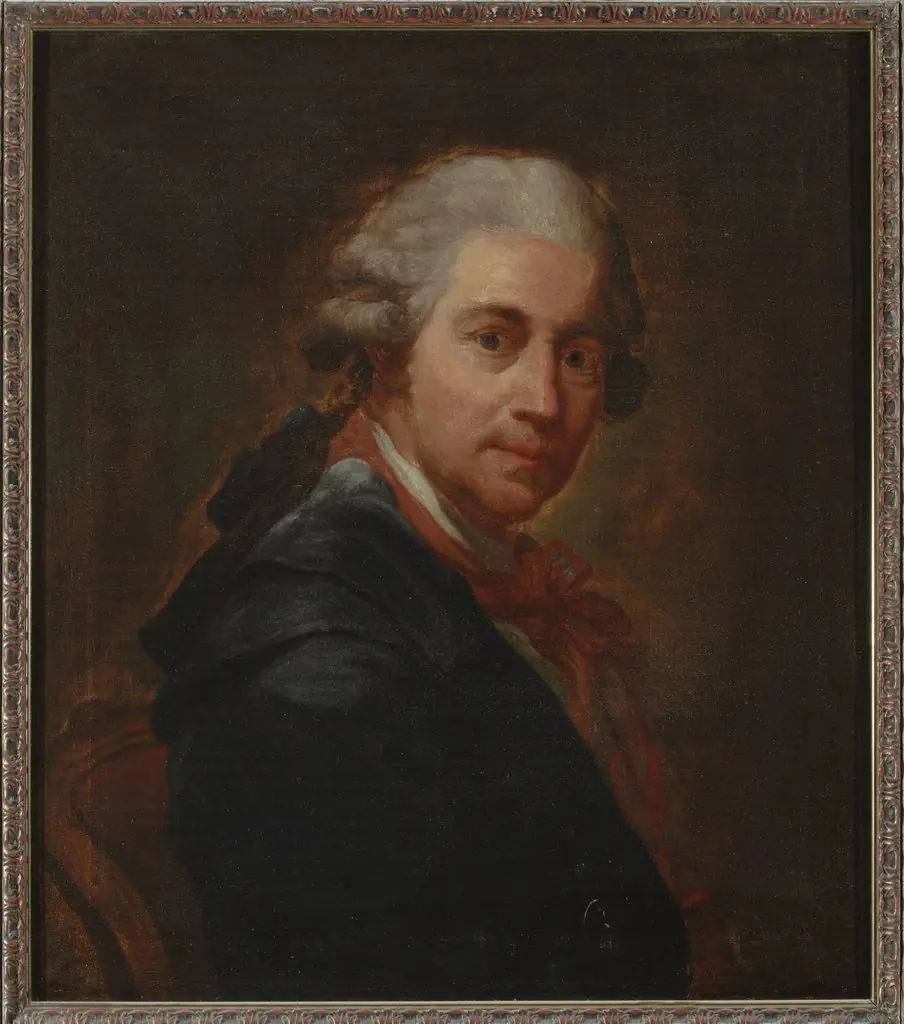 Self-portrait of Bacciarelli in a redingote
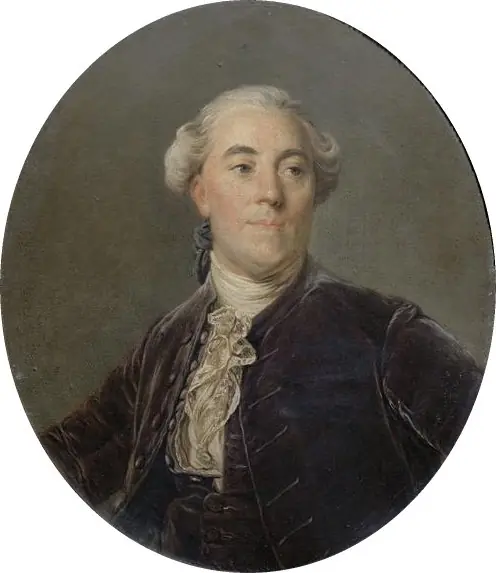 Portrait of Jacques Necker (1732-1804)
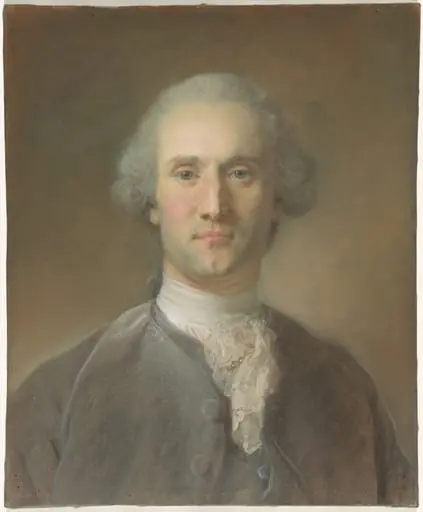 Portrait of a Man
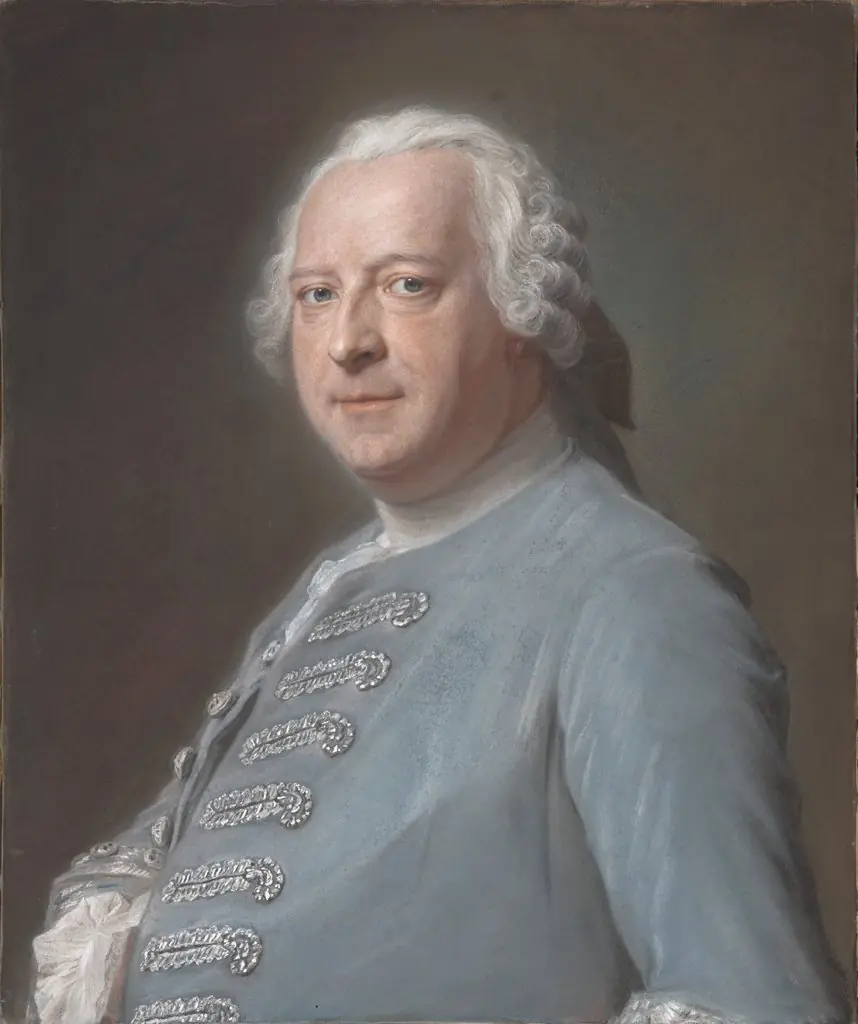 Jean Charles Garnier d'Isle (1697–1755)
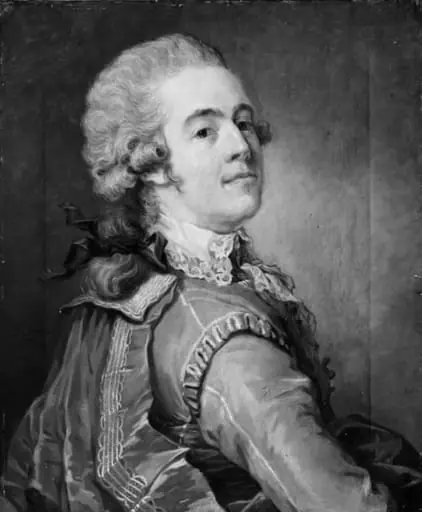 Portrait of Claes Fredrik Horn
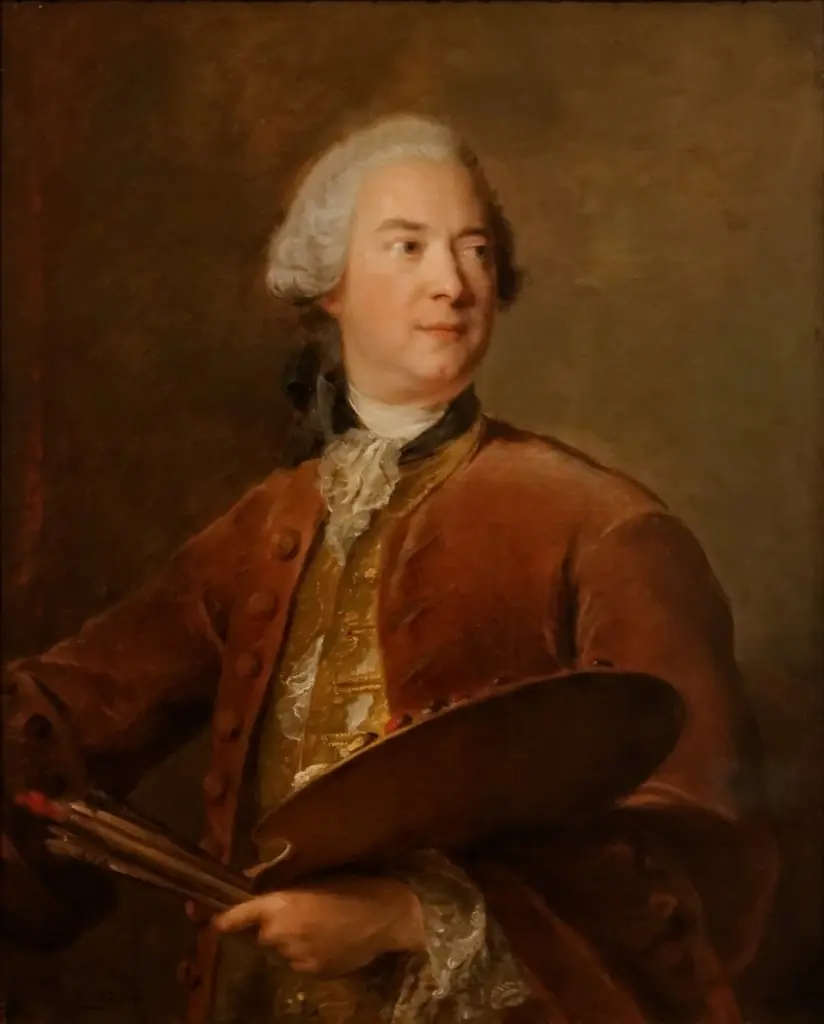 Portrait of Louis Tocqué
 Portrait of Claes Fredrik Horn