Artwork
Queen Victoria (1819–1901)
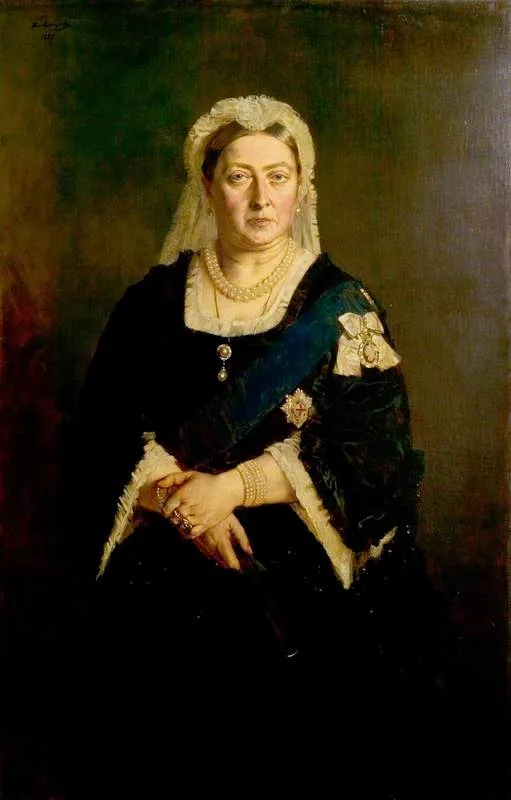
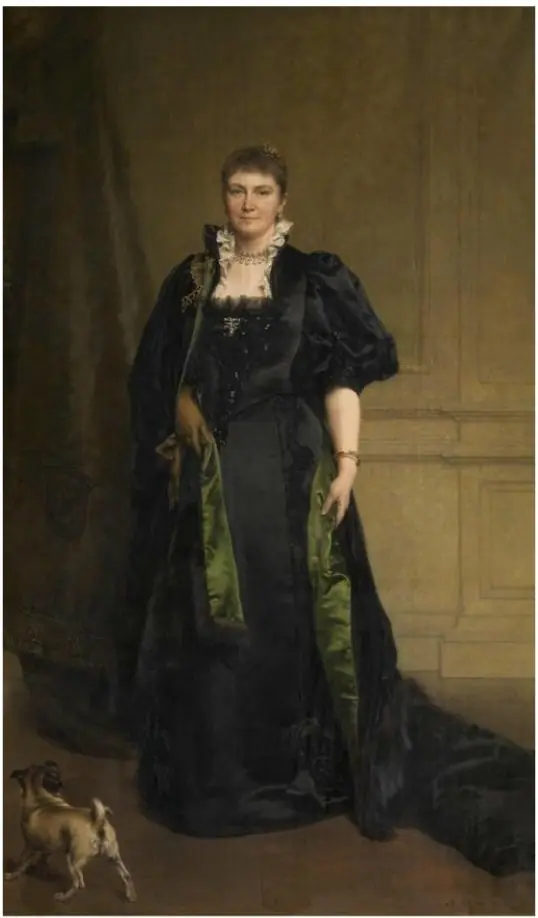
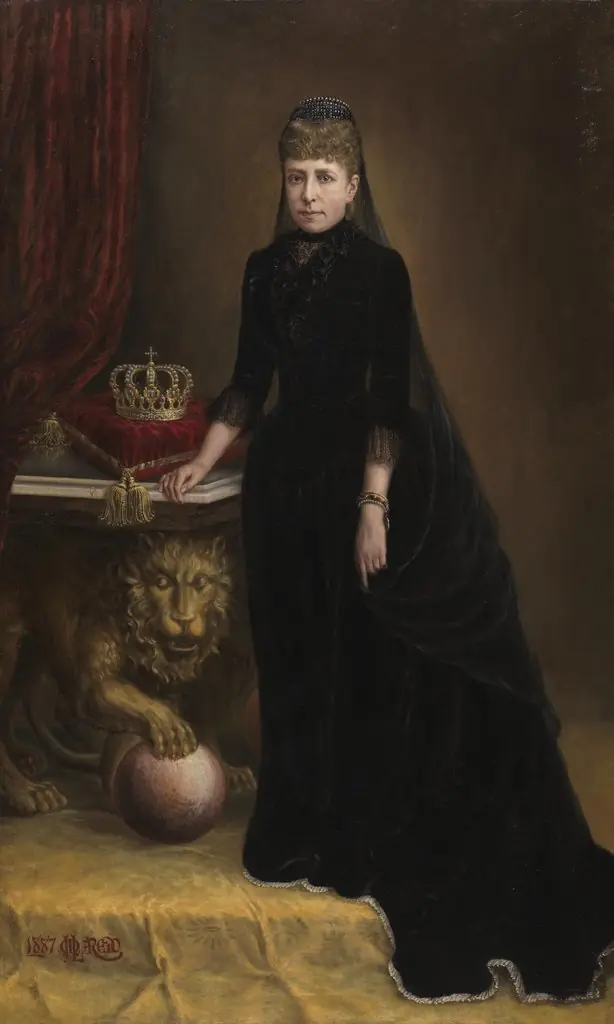
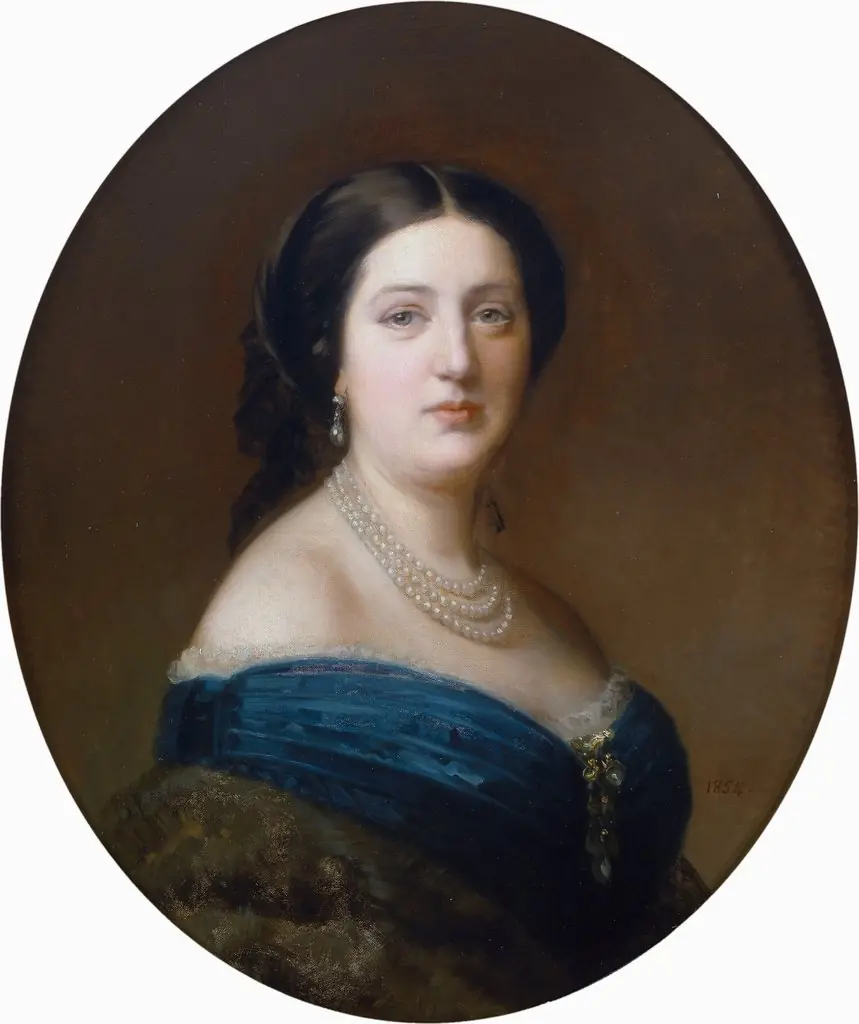
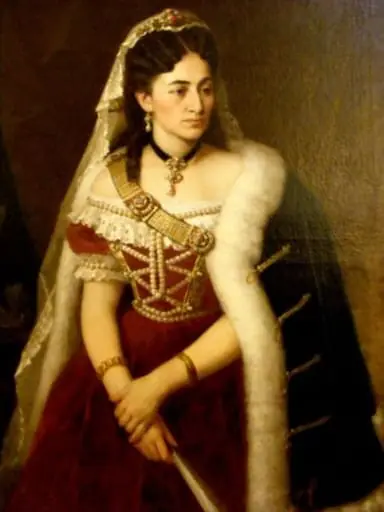
Queen Victoria (1819–1901) is an oil painting by the Impressionist artist Heinrich von Angeli. It dates from 1894 and is held in the collection of the Victoria and Albert Museum.
About this work
Overview
Its restrained composition and precise execution reflect the conventions of late 19th-century royal portraiture, emphasizing dignity over ornamentation.
Painted in 1894 by Heinrich von Angeli, this oil portrait captures Queen Victoria in her later years, near the end of her 63-year reign. The work is part of the Victoria and Albert Museum’s collection, where it serves as a formal record of the monarch’s public persona. Its restrained composition and precise execution reflect the conventions of late 19th-century royal portraiture, emphasizing dignity over ornamentation.
Subject & Meaning
The portrait presents Queen Victoria in mourning attire, consistent with her decades-long seclusion following Prince Albert’s death. The dark dress, white lace trim, and blue sash signify her status as monarch and widow. Her clasped hands and solemn gaze convey composure and resolve, reinforcing her role as a symbol of stability during a period of imperial expansion and social change.
Technique & Style
Angeli employed a refined, detailed approach, rendering textures of fabric, lace, and metal with quiet precision. The muted brown background isolates the figure, directing focus to her form and expression. Subtle tonal contrasts enhance volume without dramatic lighting, aligning with academic traditions rather than Romantic flourish. The brushwork remains controlled, prioritizing clarity over emotional intensity.
History & Provenance
Commissioned during Victoria’s final years, the portrait was likely intended for official use or royal archives. It entered the Victoria and Albert Museum’s collection shortly after her death in 1901, where it has remained as part of the institution’s extensive holdings on British royal history. Its provenance reflects the museum’s mission to document the material culture of the monarchy.
Context
Created in the twilight of the Victorian era, the portrait coincides with a time when the monarchy sought to maintain public reverence amid rising democratic pressures. Angeli, an Austrian painter known for royal commissions across Europe, was chosen for his ability to convey gravitas without excess. The image aligns with broader efforts to preserve the dignity of the crown through carefully curated visual representation.
Legacy
The portrait endures as a quiet testament to Victoria’s enduring public image: resolute, restrained, and emblematic of an era. Unlike more flamboyant royal portraits, it avoids theatricality, instead offering a sober record of a monarch who shaped modern British identity. Its presence in the V&A underscores its role as a historical document as much as a work of art.
Artist & collection