Artwork
Viscountess Dungannon (d.1880)
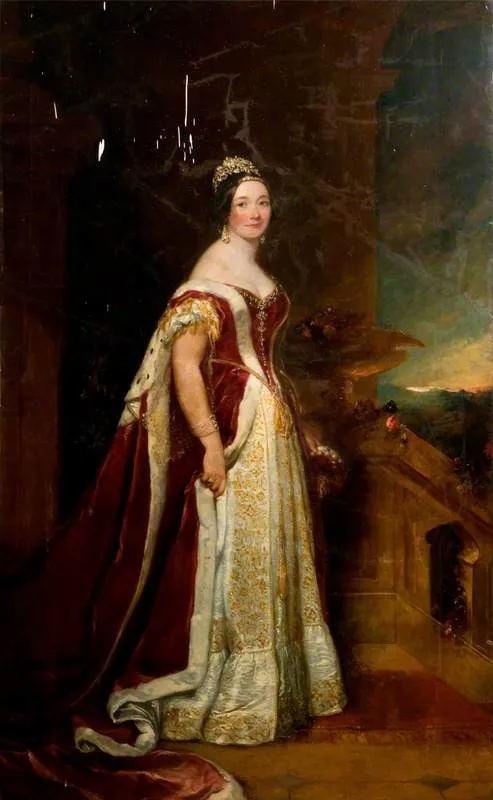
Viscountess Dungannon (d.1880) is an oil painting by the Realist artist John Hayter. It dates from 1839 and is held in the collection of the Victoria and Albert Museum.
About this work
Overview
John Hayter’s 1839 oil portrait of the Viscountess Dungannon presents the aristocratic sitter in an elaborate red and white gown trimmed with gold embroidery.
John Hayter’s 1839 oil portrait of the Viscountess Dungannon presents the aristocratic sitter in an elaborate red and white gown trimmed with gold embroidery. She stands before a stone wall that includes a small arched opening, while a distant landscape of water and mountains recedes behind it. The composition balances the figure’s dignified pose with a modestly detailed background, and the work is now part of the Victoria and Albert Museum’s collection.
Subject & Meaning
The portrait captures the Viscountess Dungannon, a member of the Irish peerage, in formal attire that underscores her social rank. The gold crown and richly ornamented cape signal her noble status, while the relaxed placement of her right hand on the wall suggests a measured confidence. The inclusion of a natural vista beyond the wall may allude to the breadth of her estates or the genteel leisure associated with her class.
Technique & Style
Executed in oil on canvas, Hayter employs a realistic approach characteristic of early‑nineteenth‑century British portraiture. Precise rendering of textures—silk, gold thread, and stone—demonstrates his skill in modelling light and shadow. The palette is dominated by deep reds, whites, and metallic tones, creating a restrained yet vivid visual impact that aligns the work with the broader realism movement of the period.
History & Provenance
John Hayter, who later served as Painter‑in‑Ordinary to Queen Victoria, completed the portrait during his active years as a society portraitist. After remaining in private hands for several decades, the painting entered the Victoria and Albert Museum’s holdings, where it is displayed as part of the institution’s representation of British portraiture from the early Victorian era.
Context
The portrait reflects the conventions of aristocratic representation in the 1830s, when British artists often combined meticulous likeness with symbols of rank. Hayter’s work aligns with contemporaneous portraitists who catered to the upper classes, providing visual affirmations of lineage and status during a period of expanding imperial confidence and evolving artistic standards.
Artist & collection
Artist
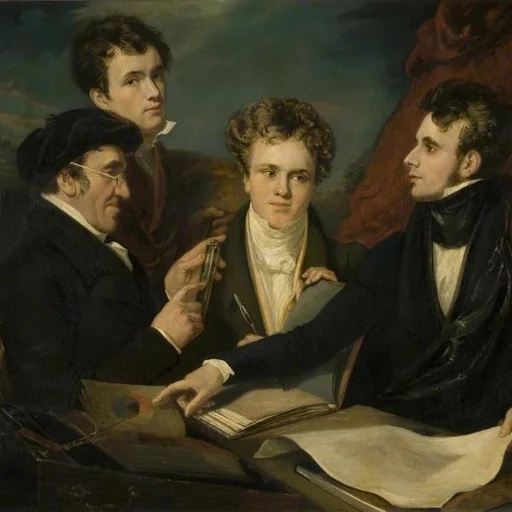
John Hayter (21 October 1800 – 3 June 1895) was an English portrait painter who was Painter-in-Ordinary to Queen Victoria, whom he first painted when she was 12 years old.

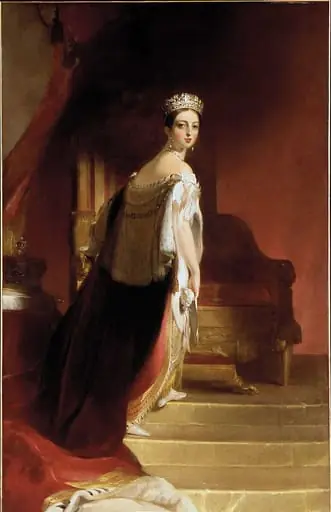 Queen Victoria
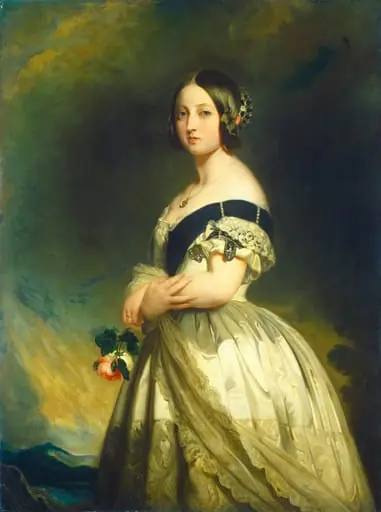 Queen Victoria
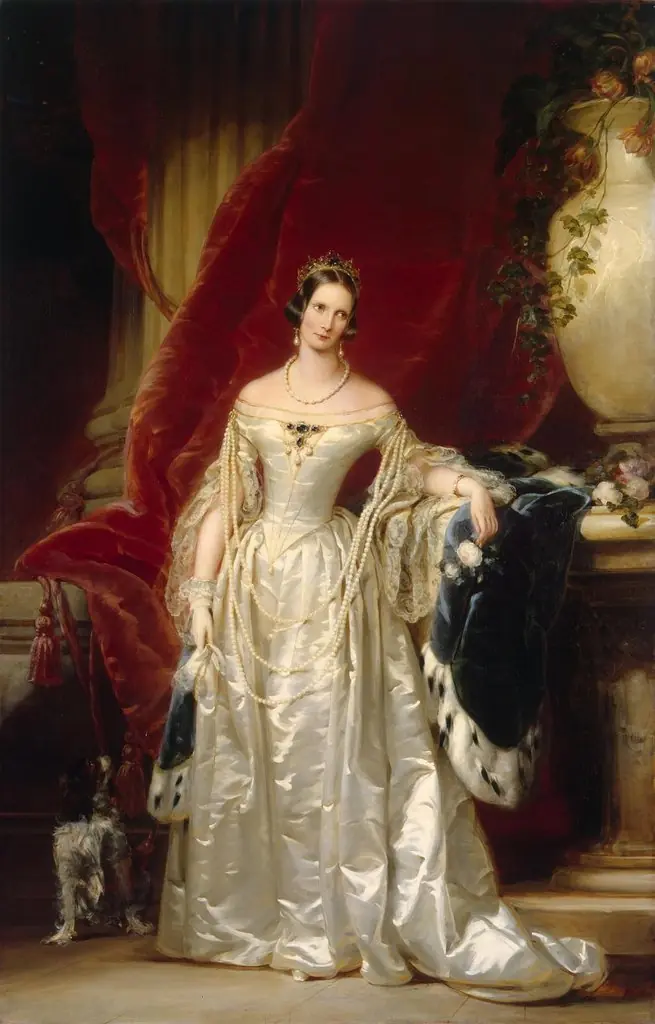 Portrait of Empress Alexandra Fyodorovna
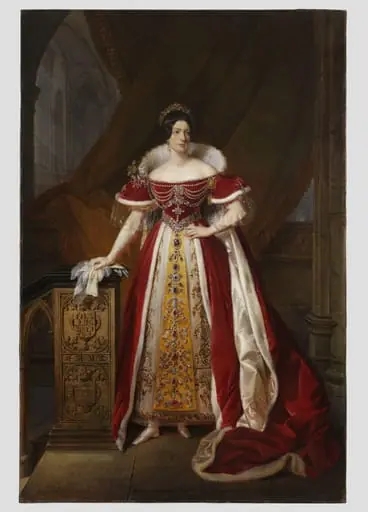 Portrait of Frances Anne Vane, Marchioness of Londonderry
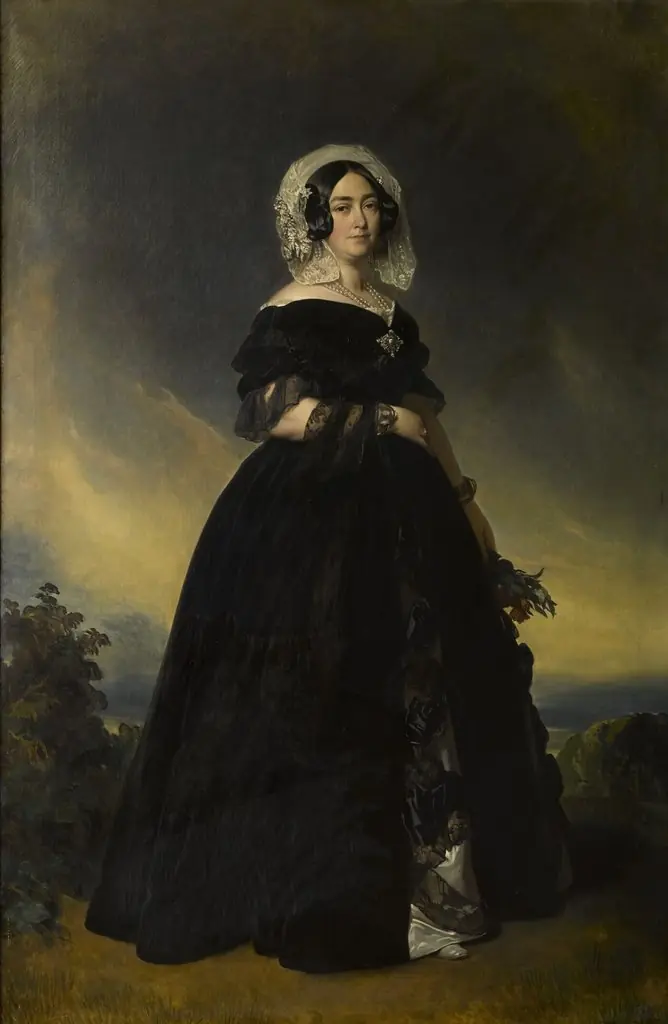 Marie Louise Victoria of Saxe-Coburg-Saafeld, Duchess of Kent (1786–1861)
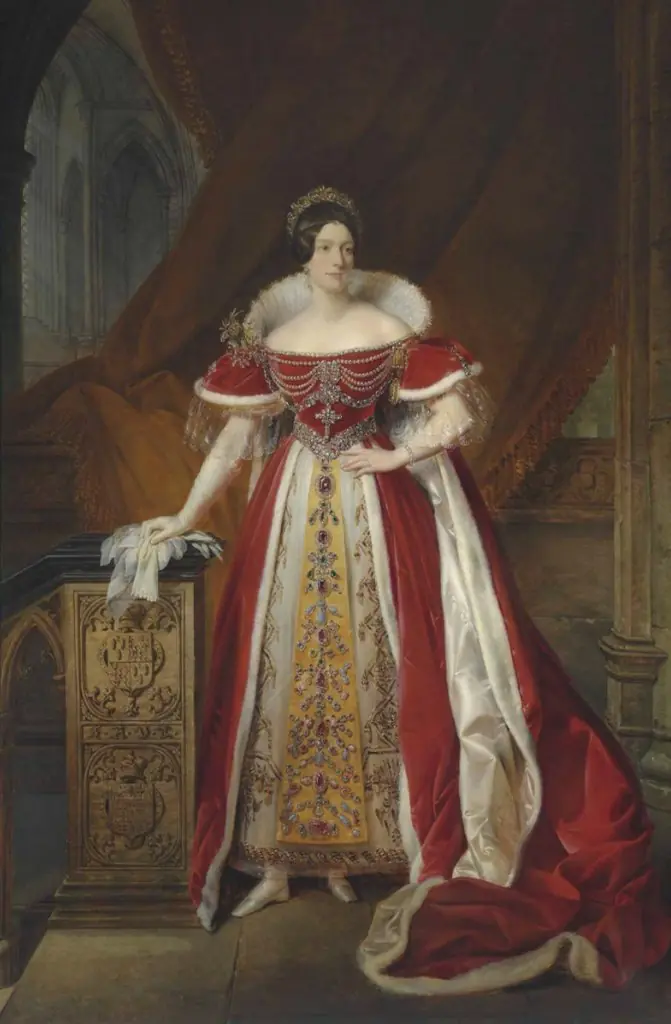 Portrait of Frances Anne Vane, Marchioness of Londonderry
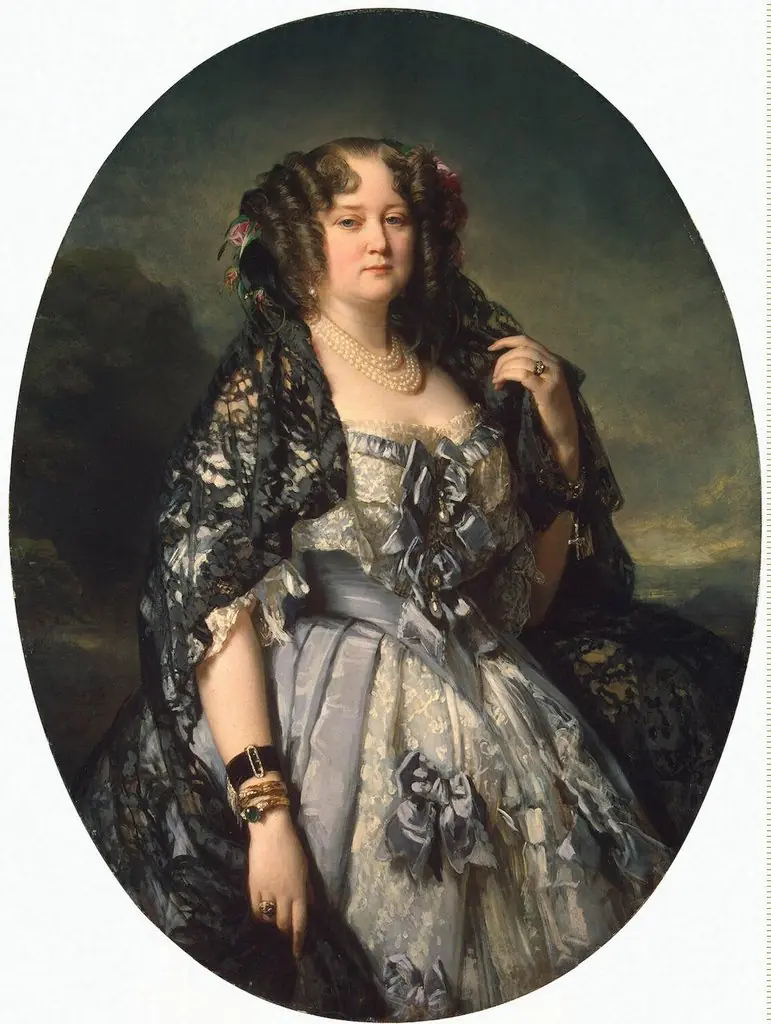 Portrait of Princess Sophia Radzivil
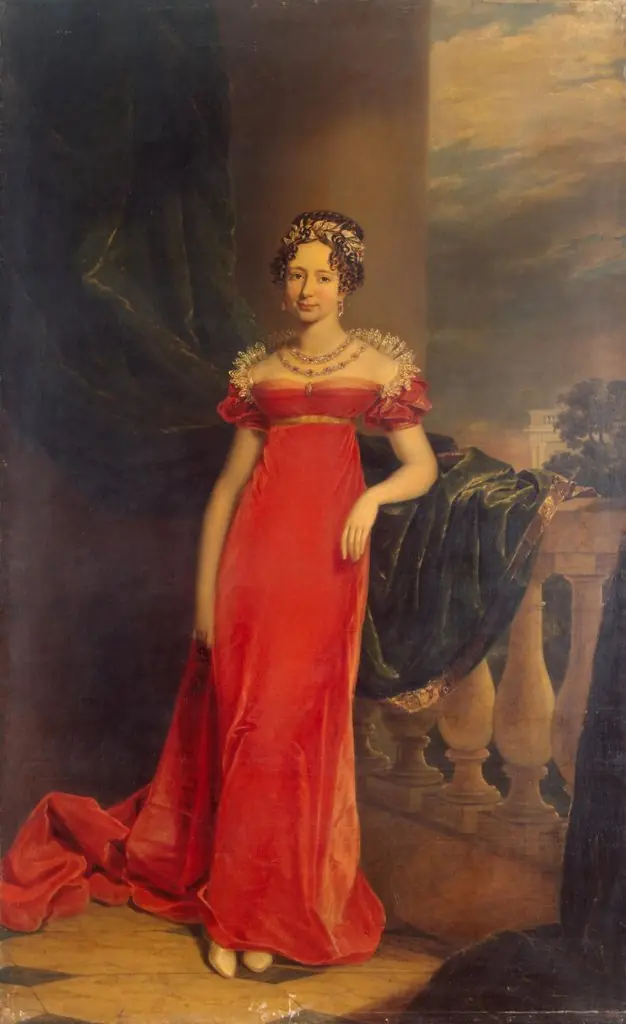 Portrait of Grand Duchess Maria Pavlovna
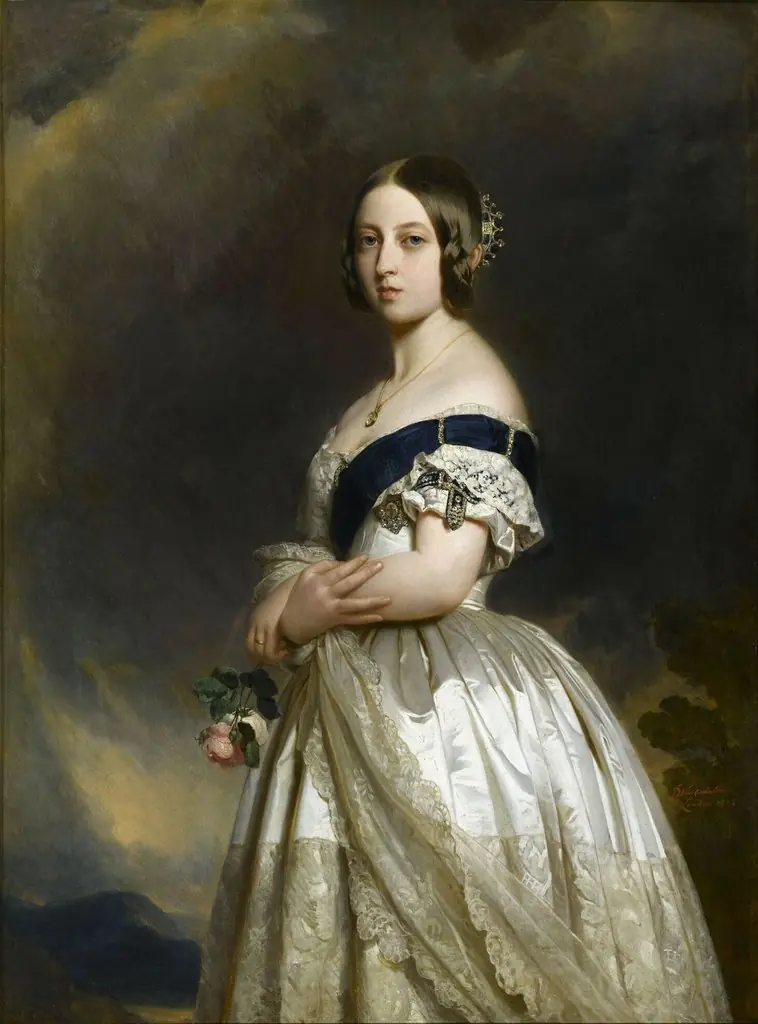 Victoria I, Queen of Great Britain (1819–1901)
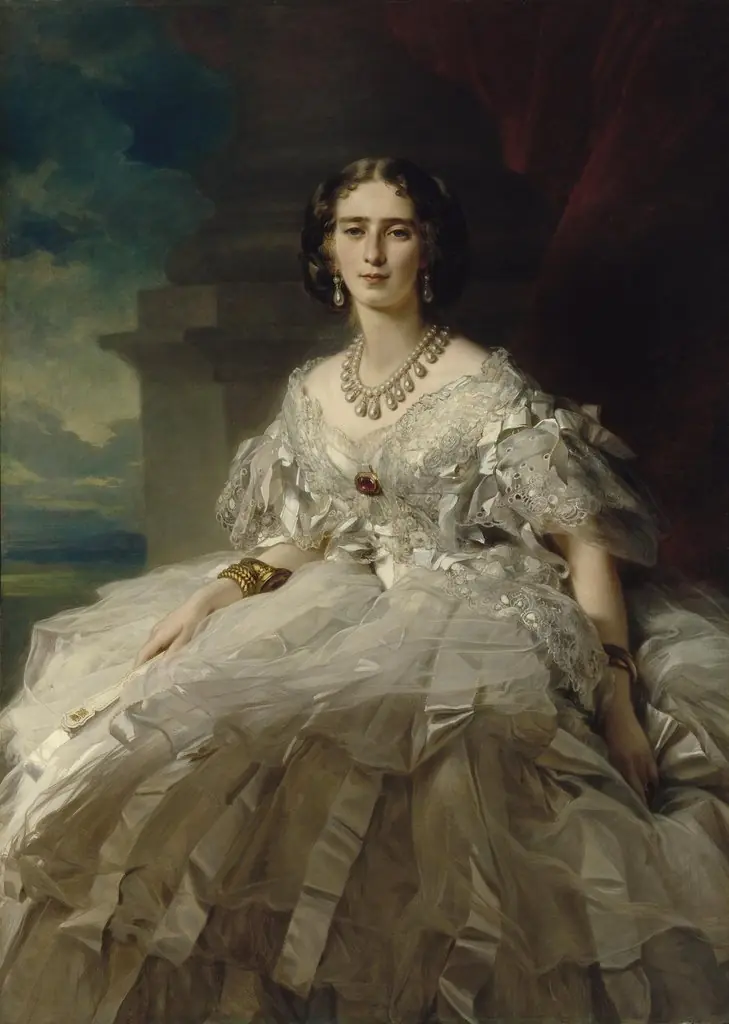 Portrait of Princess Tatyana Alexandrovna Yusupova
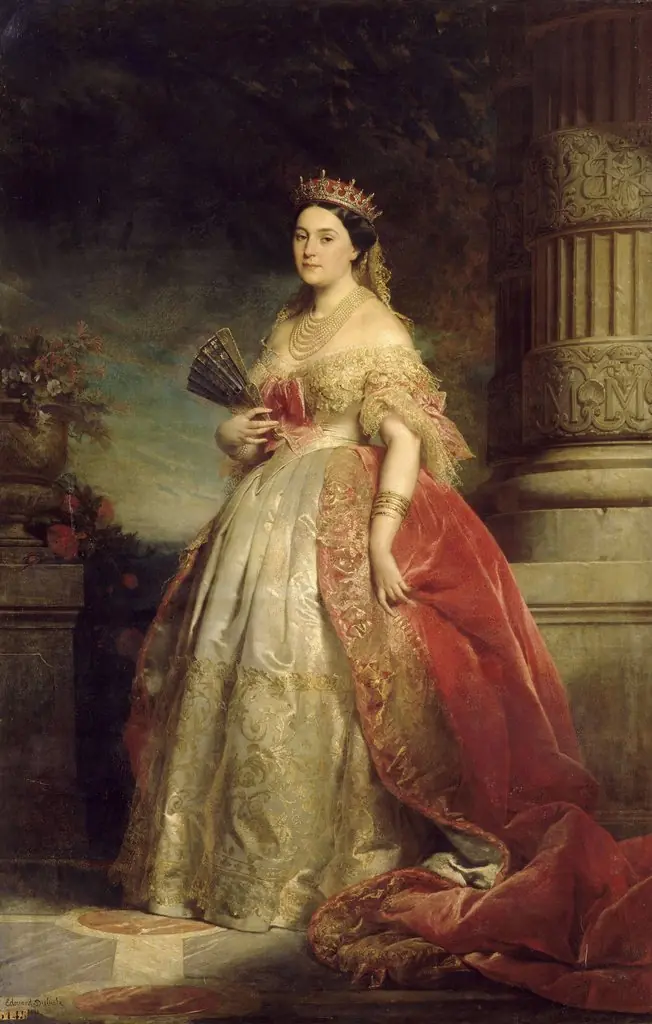 Portrait of the Princess Mathilde
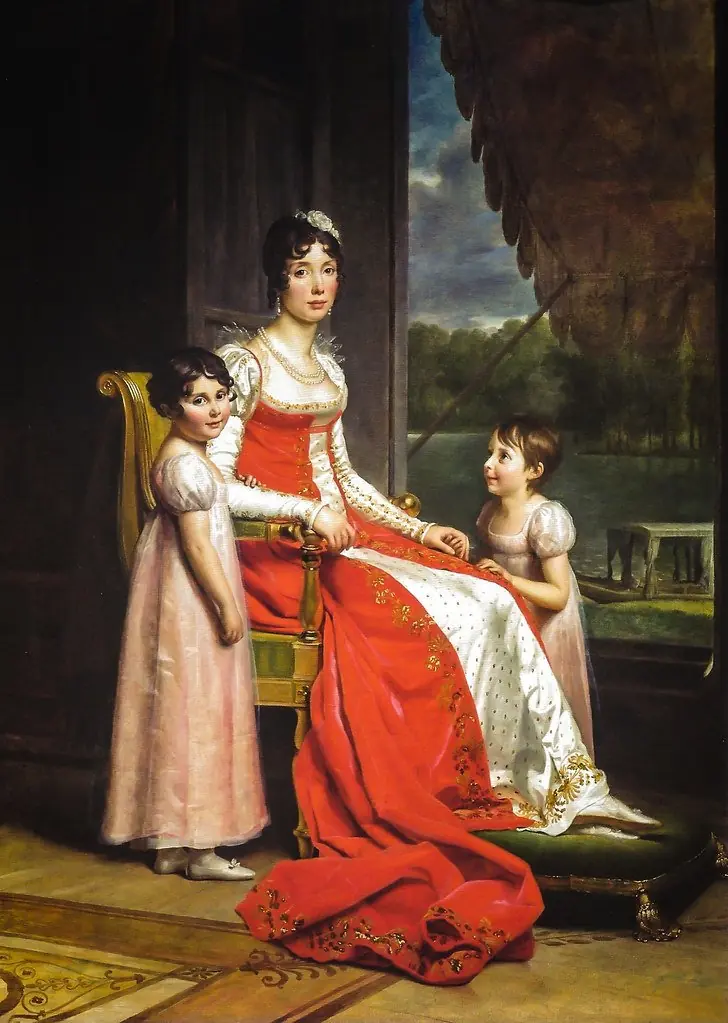 Julie Bonaparte as Queen of Spain with her Daughters, Zénaïde and Charlotte