Artwork
Le roman dangereux
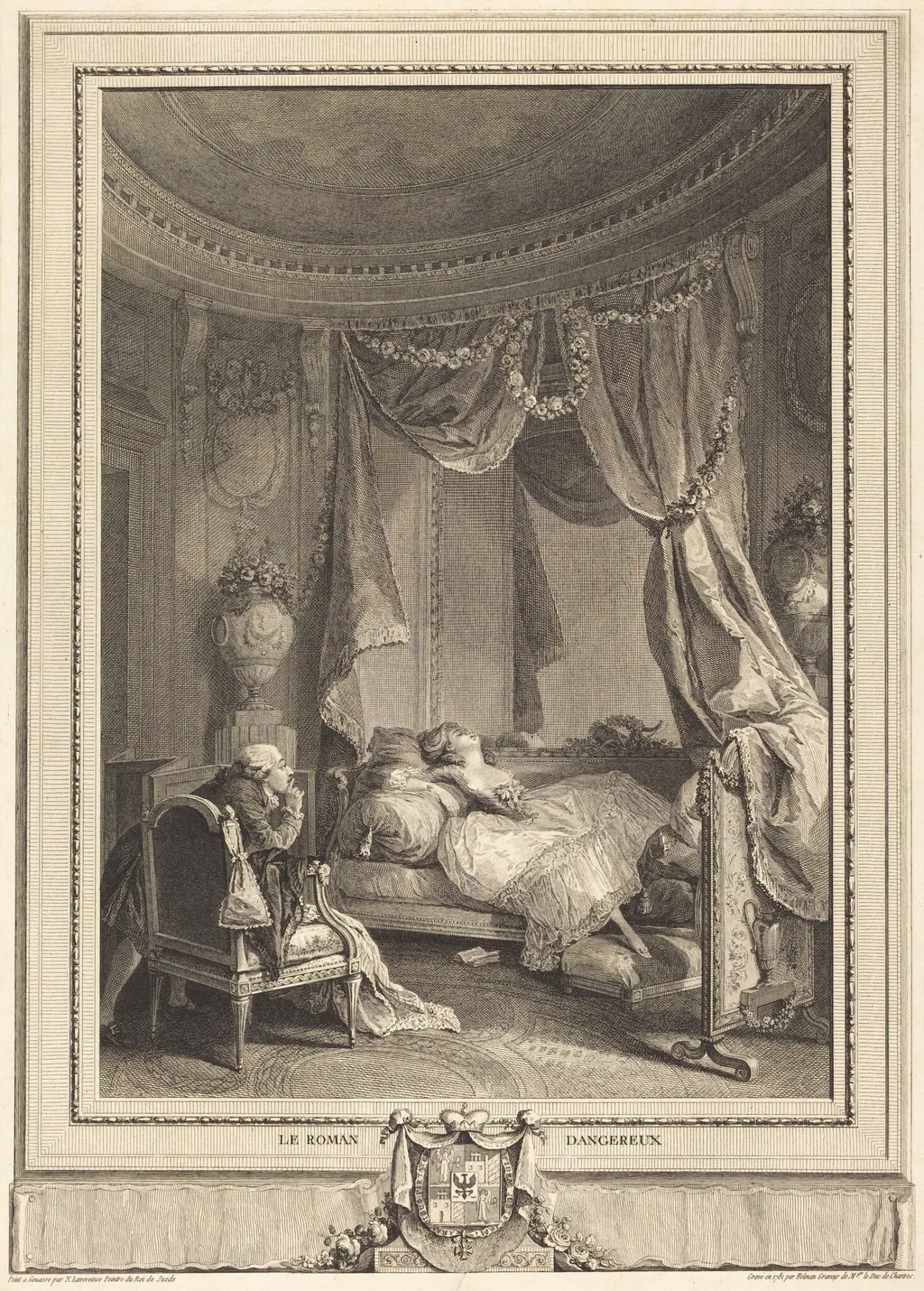
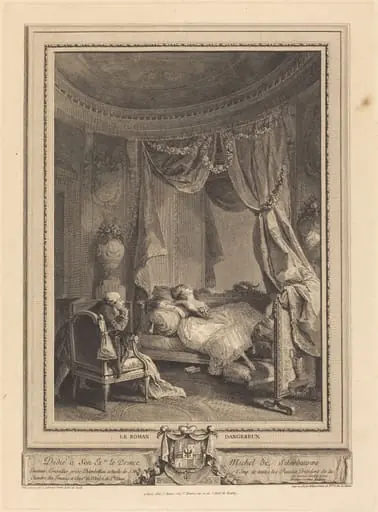
Le roman dangereux is an ink print by the Romanticist artist Isidore-Stanislas Helman. It dates from 1781 and is held in the collection of the National Gallery of Art.
About this work
Overview
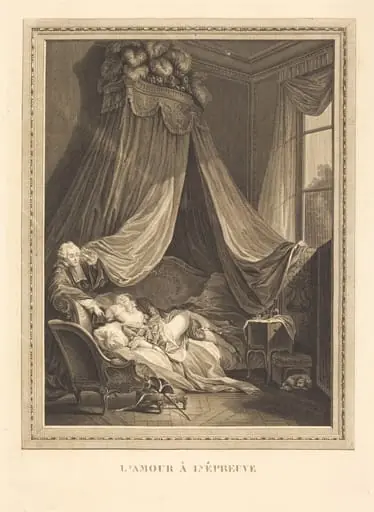
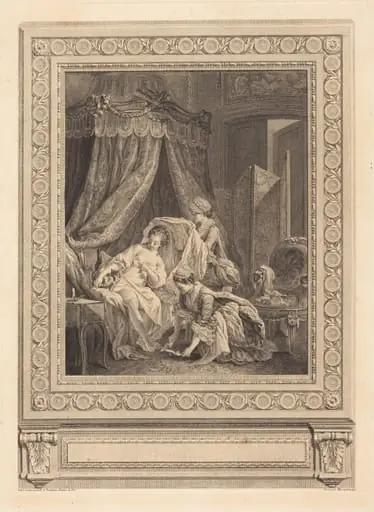
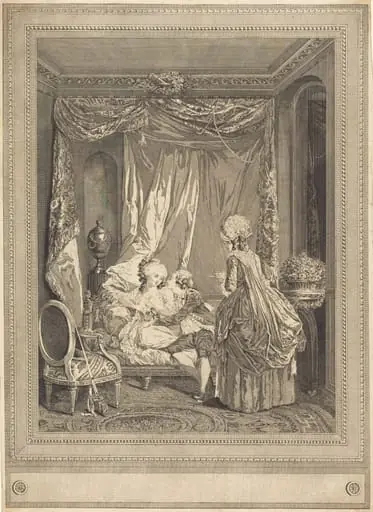
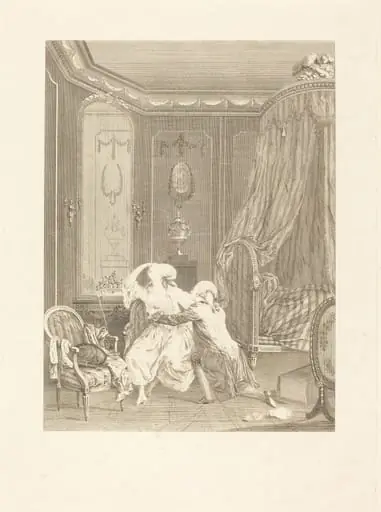
Created in 1781 by French printmaker Isidore‑Stanislas Helman, *Le roman dangereux* is a black‑and‑white engraving that captures an intimate interior.
Created in 1781 by French printmaker Isidore‑Stanislas Helman, *Le roman dangereux* is a black‑and‑white engraving that captures an intimate interior. The composition centers on a seated man absorbed in a book, while a woman reclines nearby on a bed, appearing half‑asleep. Light filters through a window, illuminating sumptuous drapery, a vase on a side table, and a discarded coat on the floor, lending the scene a quiet domestic atmosphere.
Subject & Meaning
The title, translating to “The Dangerous Novel,” suggests a narrative about the perils of romantic literature or illicit affection. The juxtaposition of the reading man and the resting woman hints at a moment of private intrigue, perhaps alluding to the seductive power of stories that blur the line between imagination and reality within a genteel setting.
Technique & Style
Helman employed a combination of etching and engraving, using fine incised lines to render the textures of silk curtains, upholstery, and the soft folds of clothing. The delicate hatching creates subtle gradations of shadow, while the crisp outlines define the figures and objects. This meticulous approach results in a clear, detailed image that emphasizes both material richness and atmospheric light.
History & Provenance
The print originates from the late eighteenth‑century French market for illustrative engravings, a period when such works circulated among literate audiences. Although specific ownership records are scarce, *Le roman dangereux* is catalogued among Helman’s known prints and appears in several nineteenth‑century collections of French graphic art, indicating its continued appreciation as a representative example of the era’s domestic genre scenes.
Artist & collection