Artwork
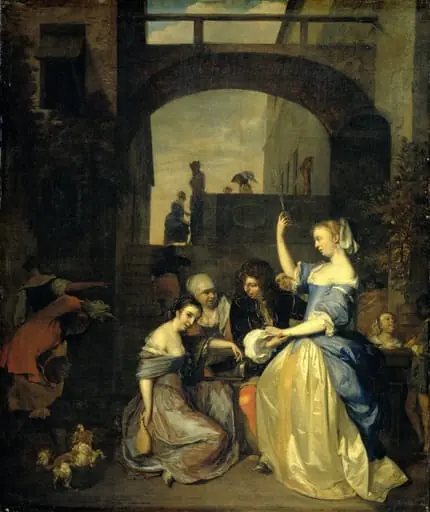
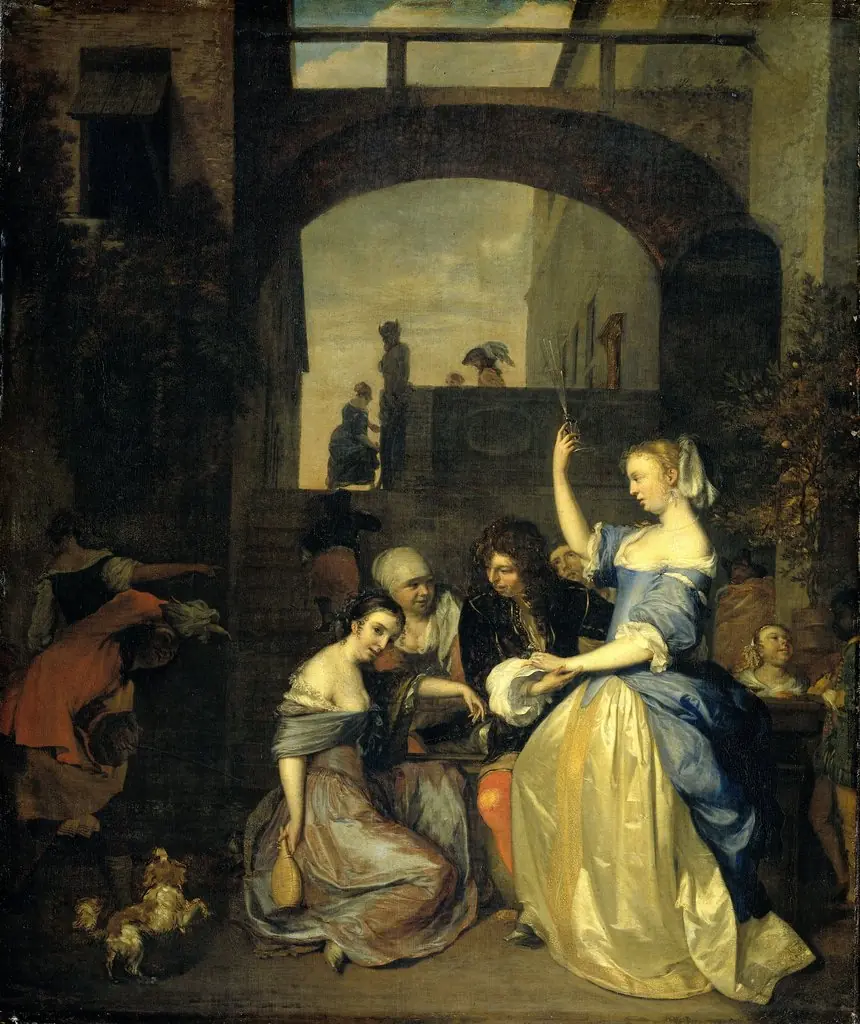
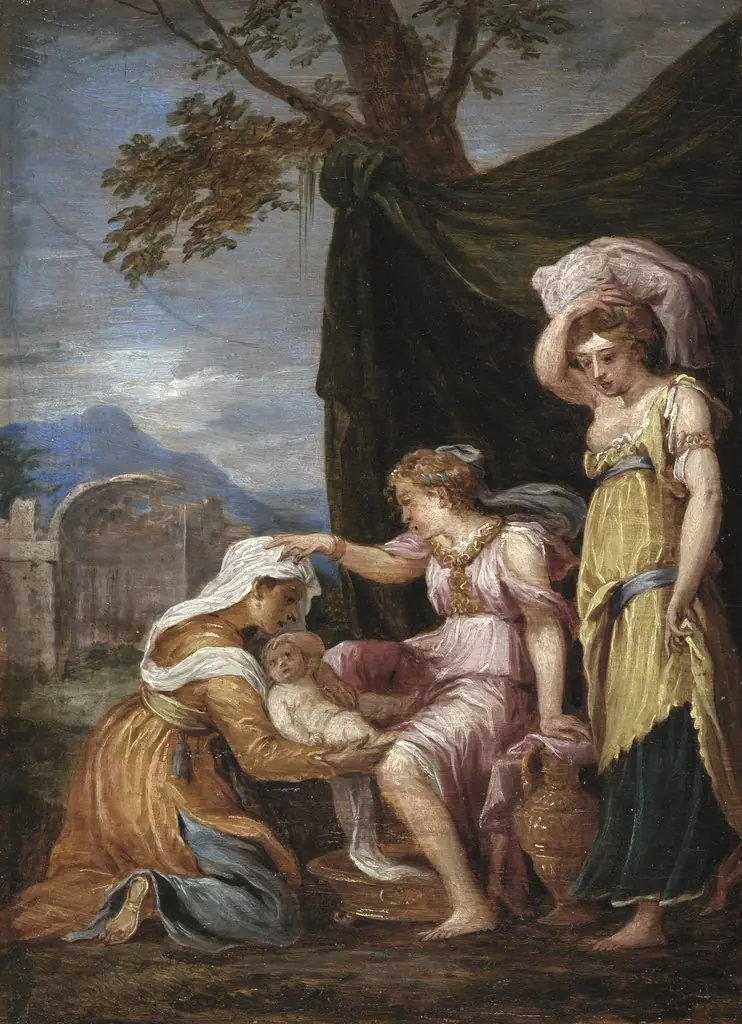
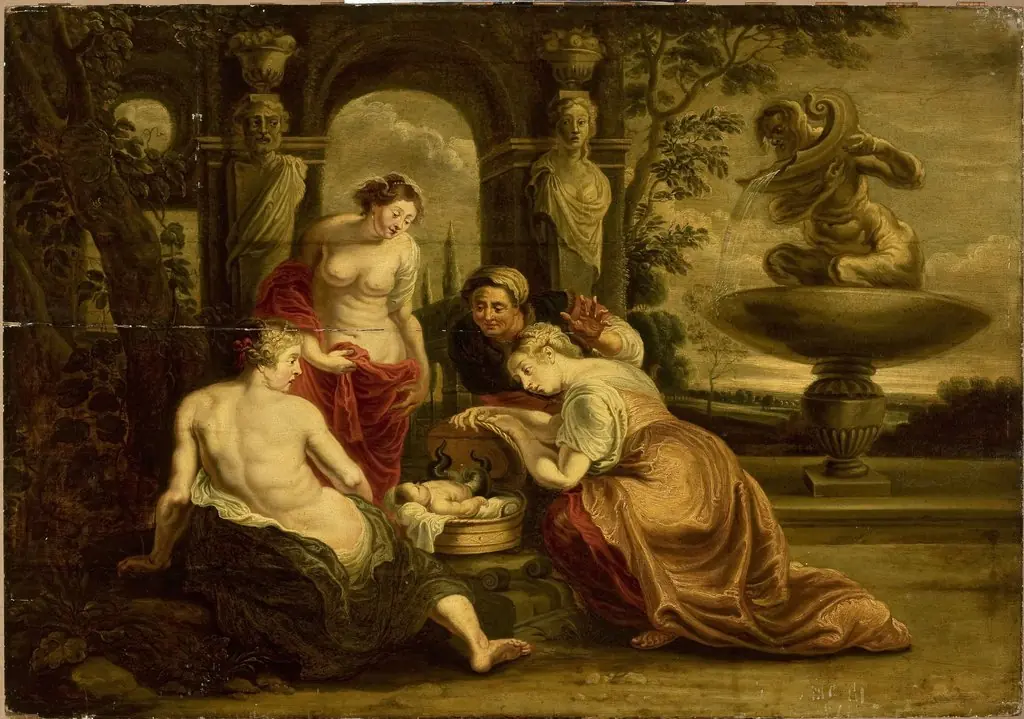
The daughters of Cecrops find Erechthonius
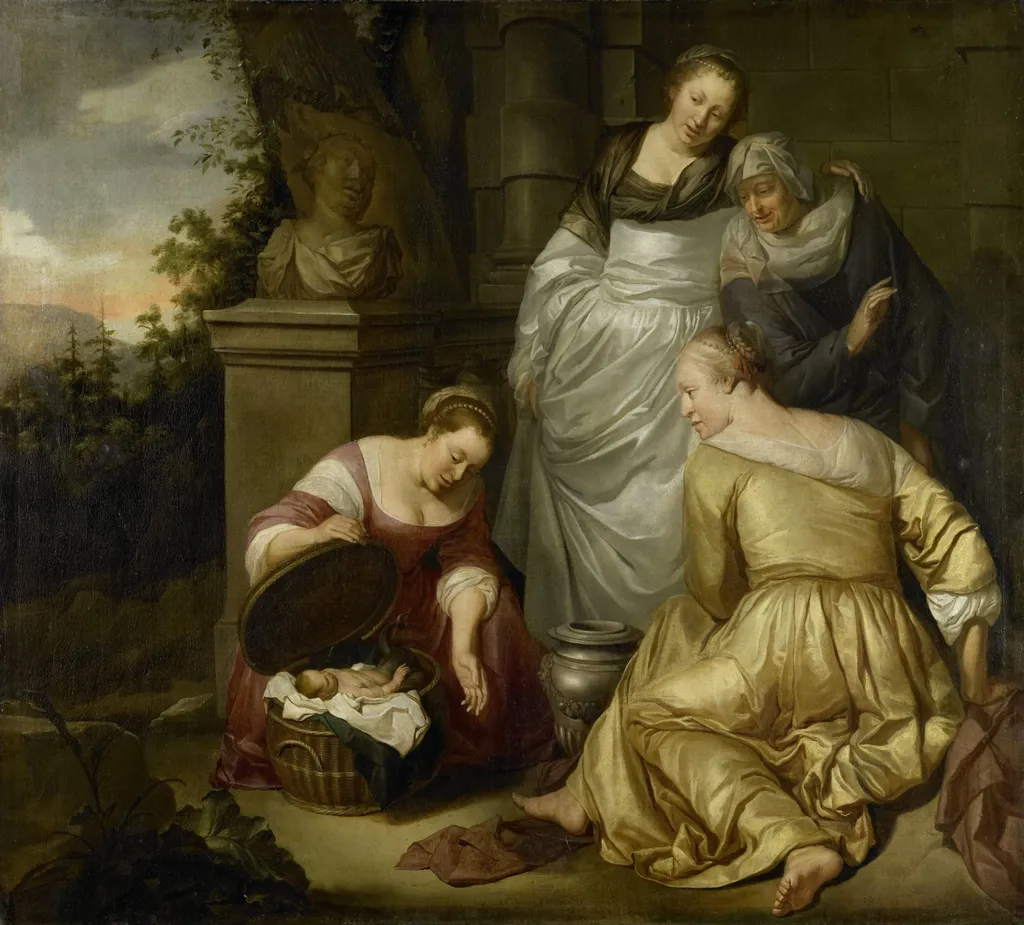
The daughters of Cecrops find Erechthonius is an oil painting by the Dutch Golden Age artist Hendrik Heerschop. It dates from 1650 and is held in the collection of the Rijksmuseum.
About this work
Overview
Created around 1650 by Dutch painter Hendrik Heerschop, this oil on canvas depicts a scene from classical mythology in which the daughters of the legendary Athenian king Cecrops discover the infant Erechthonius. The work is part of the Rijksmuseum’s collection and presents a quiet, narrative moment rendered with restrained drama.
Subject & Meaning
The composition illustrates the moment when the four daughters, returning from a ritual, encounter a newborn swaddled in a basket. Their solemn expressions convey the gravity of finding a child abandoned under mysterious circumstances, a story that in myth explains the origins of a future hero linked to the founding of Athens.
Technique & Style
Heerschop employs a subtle chiaroscuro, allowing light to fall gently on the women’s faces while the surrounding space recedes into soft shadow. The garments are rendered in muted yet rich hues, their folds suggesting careful handling of fabric. A distant landscape and a pedestal statue provide depth without distracting from the central narrative.
History & Provenance
The painting has remained in the Netherlands since its creation, eventually entering the Rijksmuseum’s holdings where it is displayed among other 17th‑century Dutch works. Its attribution to Heerschop is based on stylistic analysis and archival records that link the piece to his known oeuvre from the mid‑1600s.
Own this work as a print
Artist & collection