Artwork
The Prodigal Son
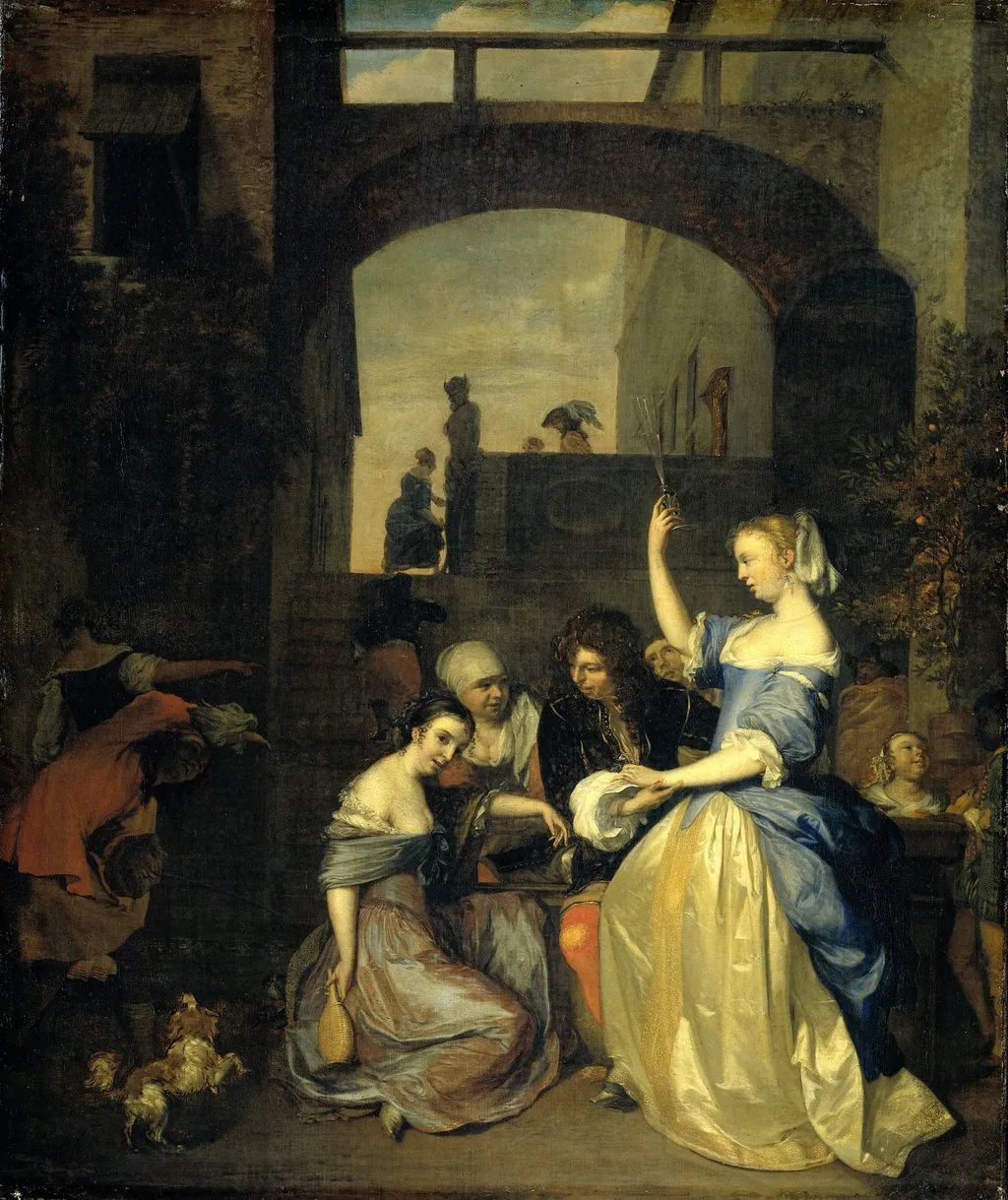
The Prodigal Son is an unspecified painting by the Dutch Golden Age artist Barend Graat. It dates from 1661 and is held in the collection of the Rijksmuseum.
About this work
Overview
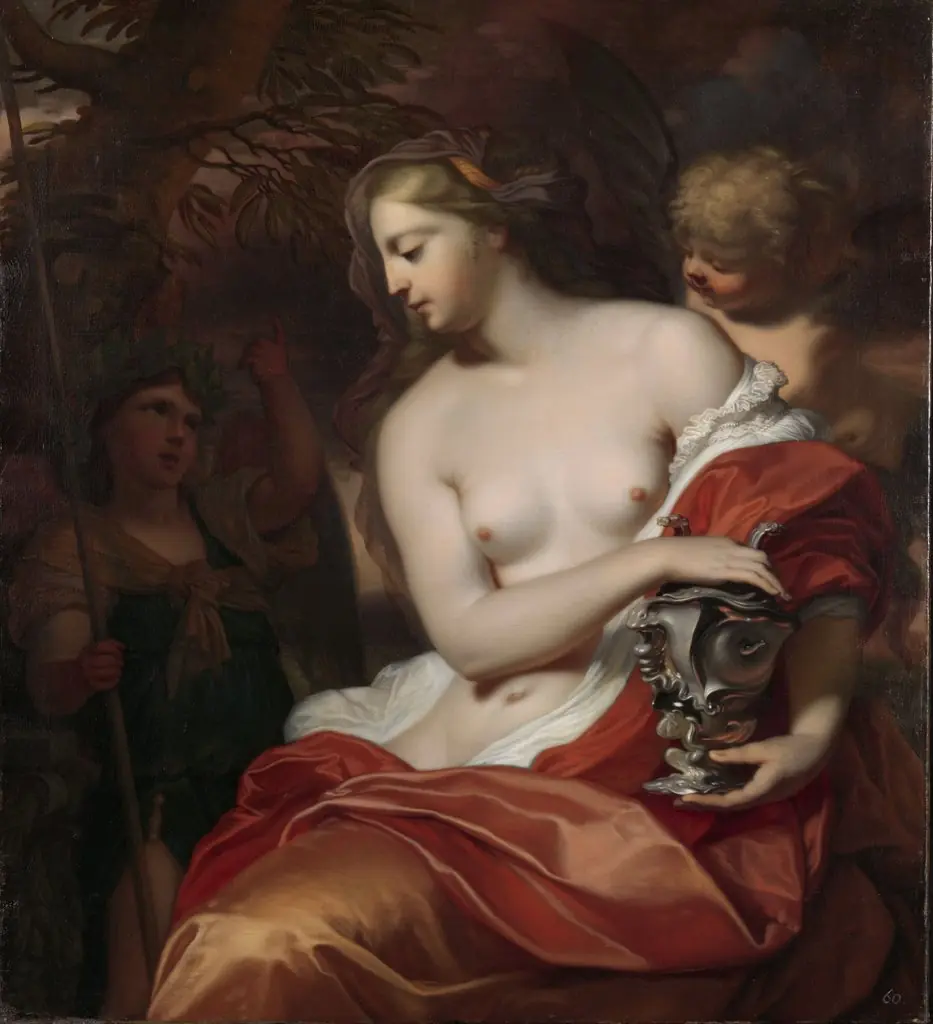
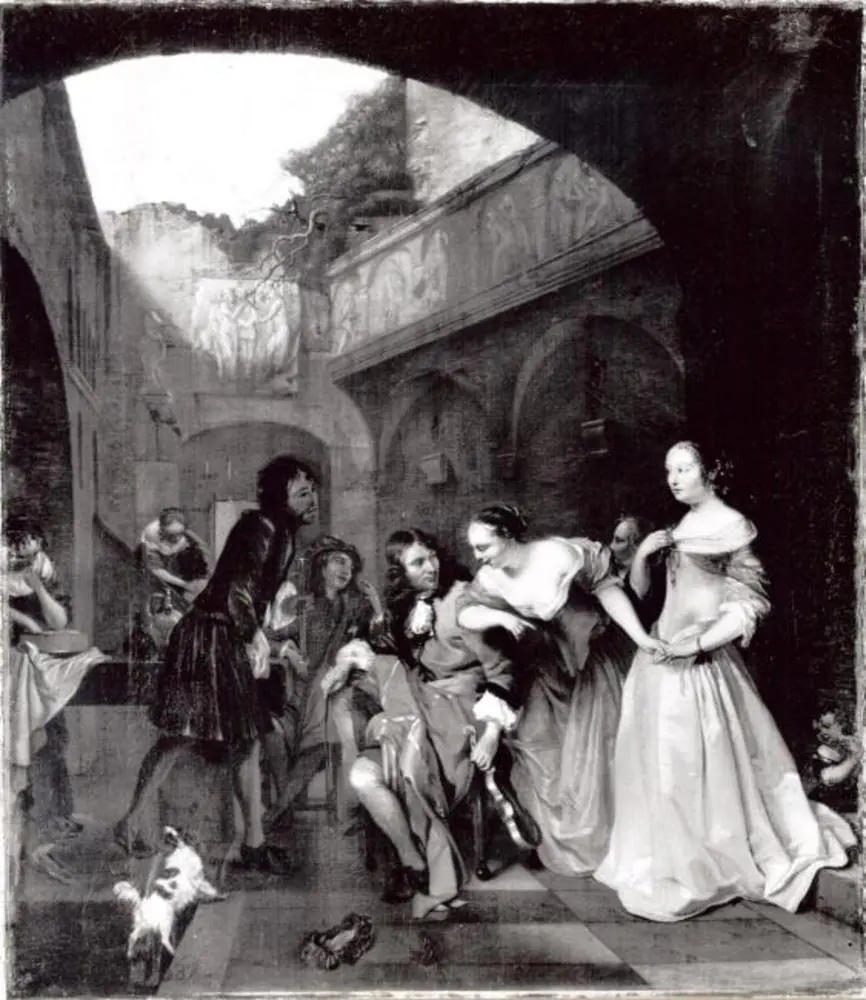
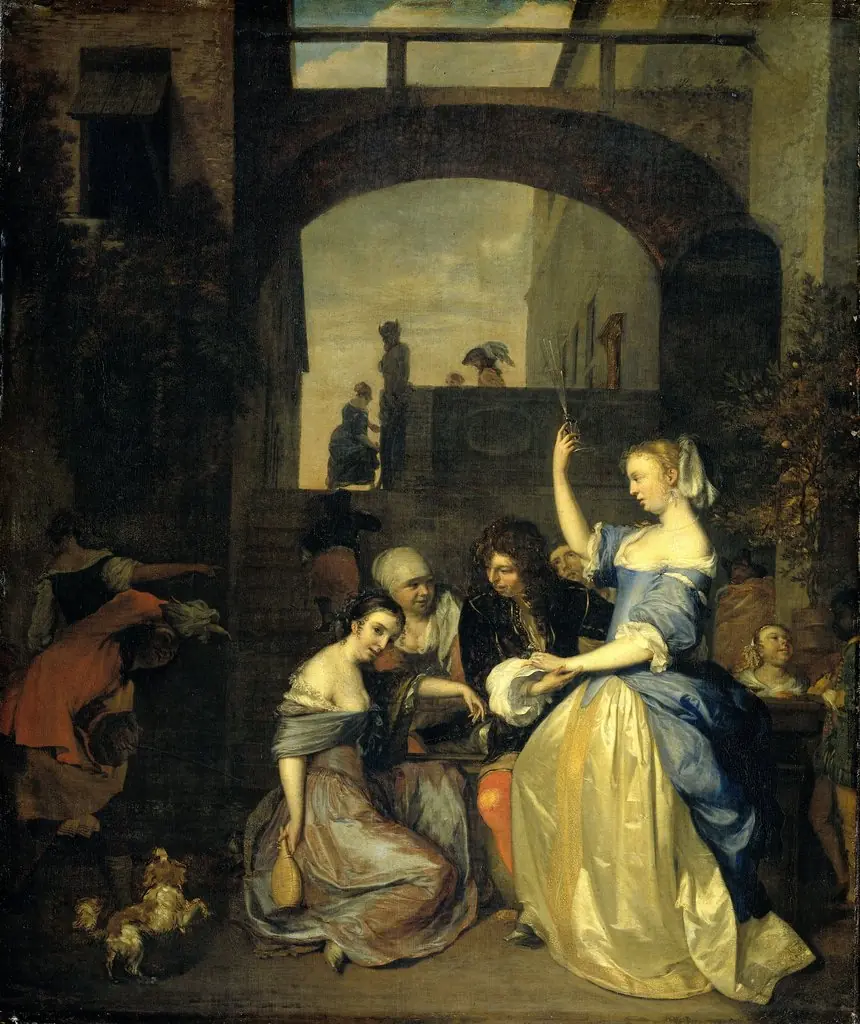
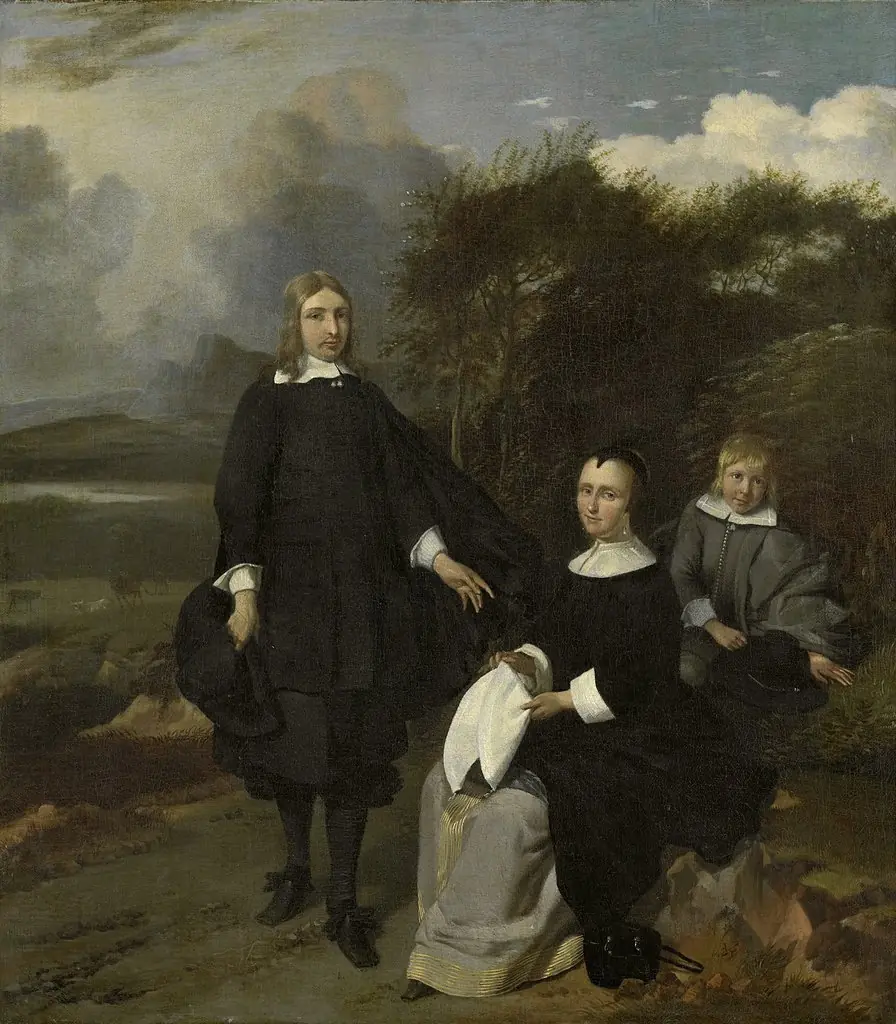
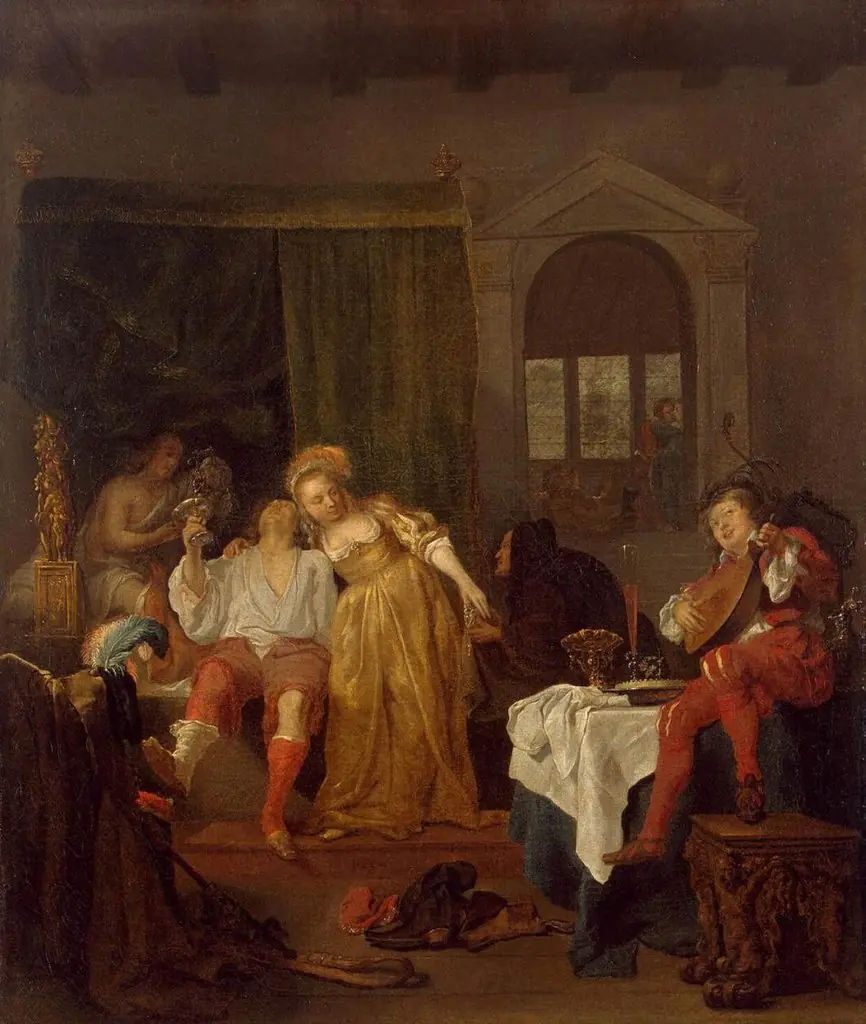
This painting depicts a scene from the biblical parable of the Prodigal Son, illustrating his descent into indulgence after squandering his inheritance. Set in a dimly lit tavern courtyard, the young man is surrounded by figures engaged in leisure and revelry. The composition centers on his isolated presence amid a circle of companions, suggesting both physical proximity and emotional distance.
Subject & Meaning
The narrative draws from Luke 15:11–32, portraying the son’s moral decline through scenes of excess. His passive posture and vacant gaze contrast with the lively activity around him—women laughing, a musician playing, wine raised in toast. These details underscore his detachment, hinting at inner emptiness despite outward merriment, and foreshadow his eventual reckoning.
Technique & Style
The artist employs chiaroscuro to draw attention to the son’s face, isolating him in a pool of light while the surrounding figures fade into shadow. Textures are rendered with precision: the creases in his garments, the fine fur of the dogs, the glint of glass. These tactile details ground the scene in realism, enhancing its emotional weight without overt sentimentality.
History & Provenance
Created in the early 17th century, the work emerged from a Dutch tradition of moralizing genre scenes. It likely originated in the Netherlands, where biblical narratives were frequently adapted into domestic settings to reflect contemporary values. The painting entered the Rijksmuseum’s collection in the 19th century, where it remains part of its broader survey of Dutch Golden Age storytelling.
Context
During the Dutch Golden Age, tavern scenes were common in art, often serving as cautionary tales against vice. Religious themes were frequently rendered in everyday settings to resonate with middle-class viewers. This painting aligns with that trend, using familiar environments to convey spiritual consequences, blending moral instruction with keen observation of daily life.
Legacy
The work exemplifies how Dutch painters transformed biblical stories into psychologically nuanced moments. Its emphasis on quiet introspection amid chaos influenced later genre painting and reinforced the value of subtlety over spectacle. Today, it stands as a quiet testament to the era’s capacity for moral reflection through intimate, observed reality.
Own this work as a print
Artist & collection
Artist
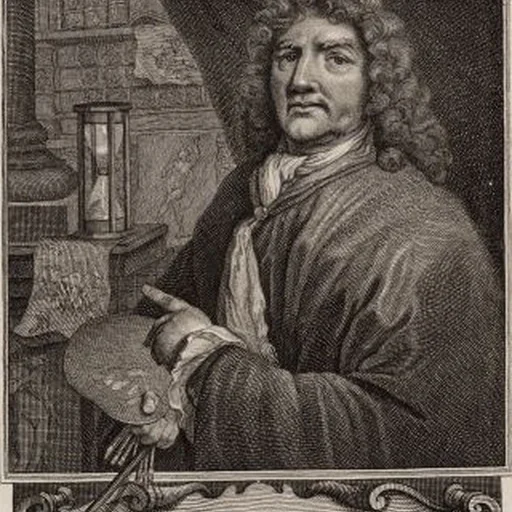
Barend Graat (21 September 1628, Amsterdam – 4 November 1709, Amsterdam), was a Dutch painter of history- and altarpieces, landscapes and portraits in the Golden Age. He is also known as a printmaker and draughtsman.