Artwork
Portrait of Petrus Bliek, Remonstrant Minister in Amsterdam, with his Wife Cornelia Drost
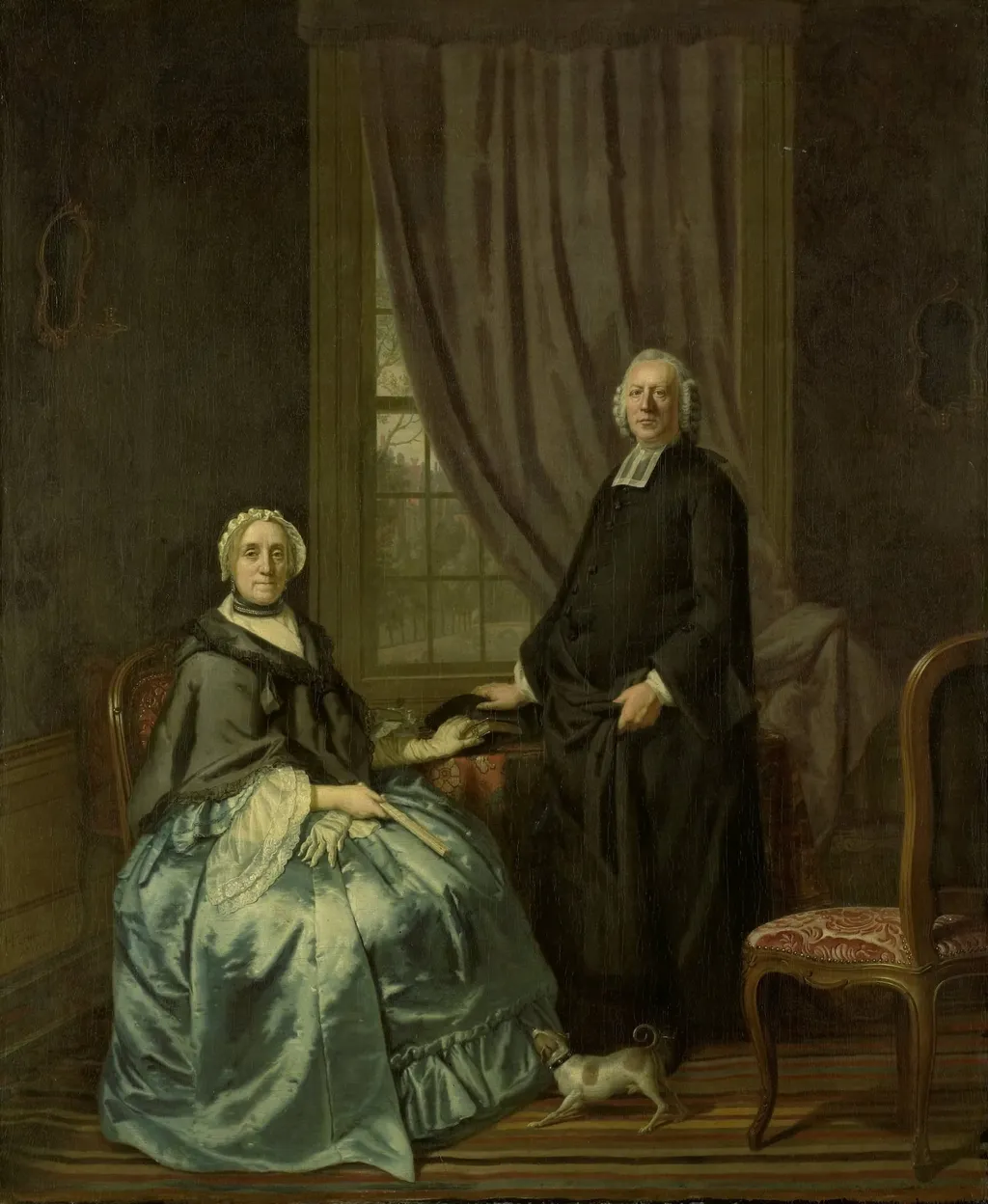
Portrait of Petrus Bliek, Remonstrant Minister in Amsterdam, with his Wife Cornelia Drost is an unspecified painting by the Rococo painting artist Hendrik Pothoven. It dates from 1771 and is held in the collection of the Rijksmuseum. This 1770s portrait depicts Petrus Bliek, a Remonstrant minister in Amsterdam, and his wife Cornelia Drost, captured in a domestic interior.
About this work
Overview
This 1770s portrait depicts Petrus Bliek, a Remonstrant minister in Amsterdam, and his wife Cornelia Drost, captured in a domestic interior.
This 1770s portrait depicts Petrus Bliek, a Remonstrant minister in Amsterdam, and his wife Cornelia Drost, captured in a domestic interior. The scene is intimate and unadorned, focusing on quiet companionship rather than public status. Natural light streams through a large window overlooking a canal, illuminating the figures and their surroundings with subtle clarity. The composition avoids grandeur, emphasizing ordinary life within a middle-class home.
Subject & Meaning
Petrus Bliek stands beside his seated wife, his hand gently lifting the edge of his clerical robe—a gesture suggesting both modesty and presence. Cornelia holds a fan and an open book, her posture relaxed yet composed, while a small dog rests at her feet. Together, they convey a sense of domestic harmony and intellectual calm. The objects around them—book, fan, dog—hint at personal habits and quiet virtues, reflecting the values of a learned, non-royal Protestant household.
Technique & Style
The artist renders fine details with precision: the texture of the dog’s fur, the sheen on brass sconces, and the way light filters through the window onto fabric and wood. Brushwork is controlled yet alive, capturing subtle shifts in tone and reflection. The composition balances vertical and horizontal elements, drawing attention to the couple’s stillness amid the room’s quiet activity. Lighting is naturalistic, enhancing realism without theatricality.
History & Provenance
Painted during the later years of Petrus Bliek’s ministry, the portrait likely originated in Amsterdam’s Remonstrant community, known for its theological tolerance and emphasis on personal piety. It remained within the family until entering public collection, possibly through inheritance or donation. Its preservation reflects the cultural value placed on domestic portraiture among non-elite religious figures in 18th-century Holland.
Context
In 1770s Amsterdam, Remonstrant ministers occupied a distinct social space—respected but not state-supported, devout but not austere. Portraits like this one reveal how such families expressed identity through private, rather than public, imagery. Unlike aristocratic commissions, these works prioritized authenticity over symbolism, capturing daily life with quiet dignity amid a city increasingly shaped by commerce and Enlightenment ideals.
Legacy
The portrait endures as a quiet testament to the everyday lives of non-royal Dutch Protestants. Its emphasis on domesticity, light, and detail aligns with broader trends in 18th-century Dutch genre painting, where ordinary moments gained artistic weight. Today, it contributes to a more inclusive narrative of Dutch art history, one that values the dignity of the middle class and the spiritual quietude of non-conformist communities.
Own this work as a print
Artist & collection
Artist
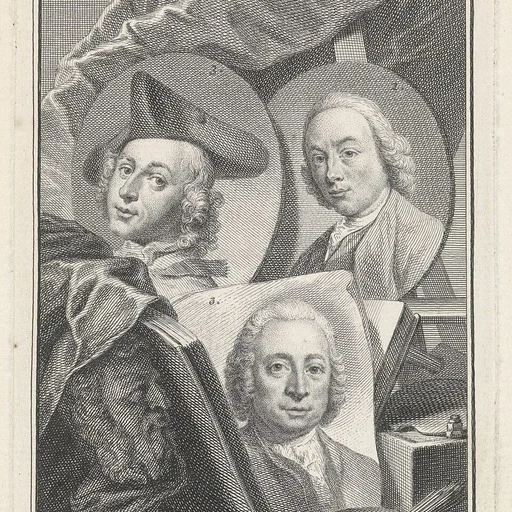
Hendrik Pothoven (25 December 1725 – 29 January 1807) was an 18th-century drawer and painter from the Dutch Republic.

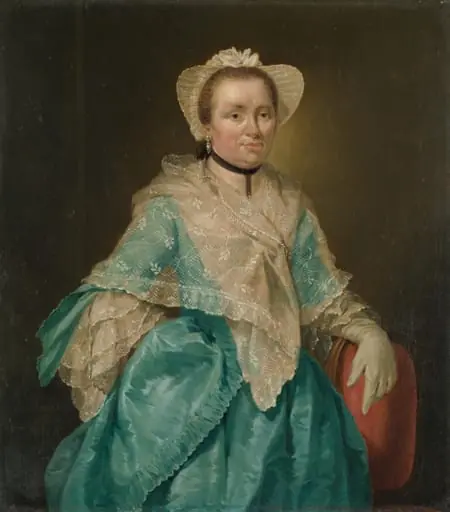 Portrait of Elisabeth Troost (1730-1790)
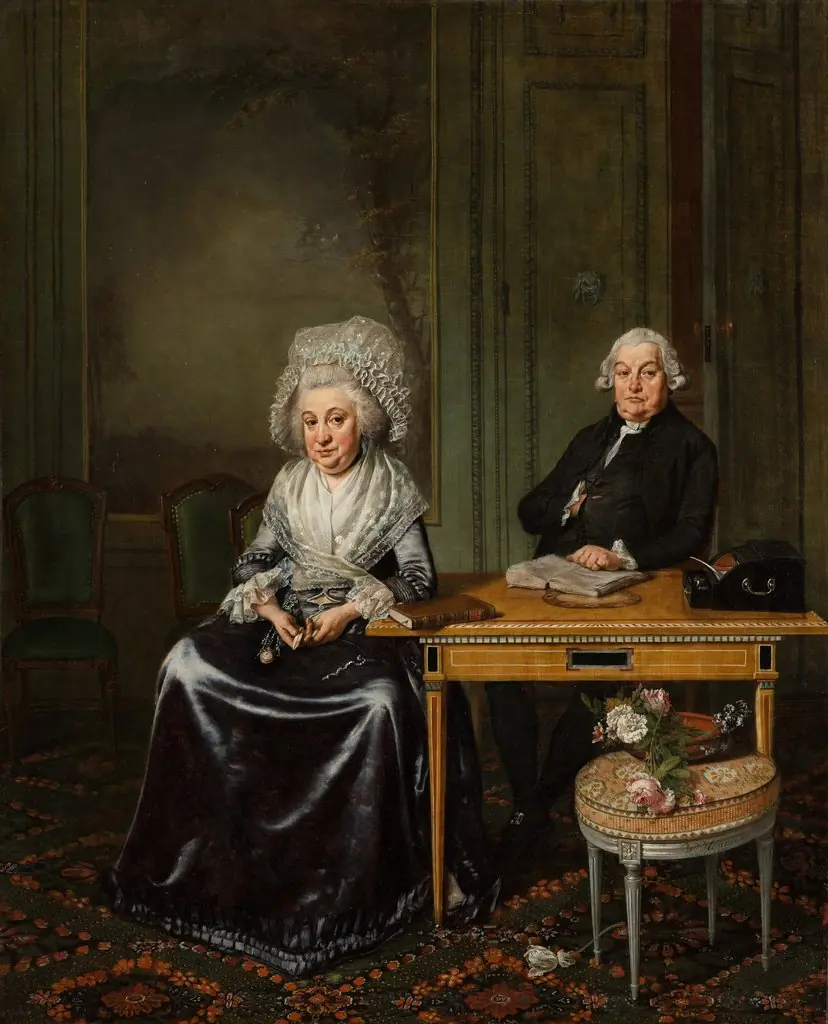 Portrait of Jacob Feitama (1726-1797) and his Wife, Elisabeth de Haan (1735-1800)
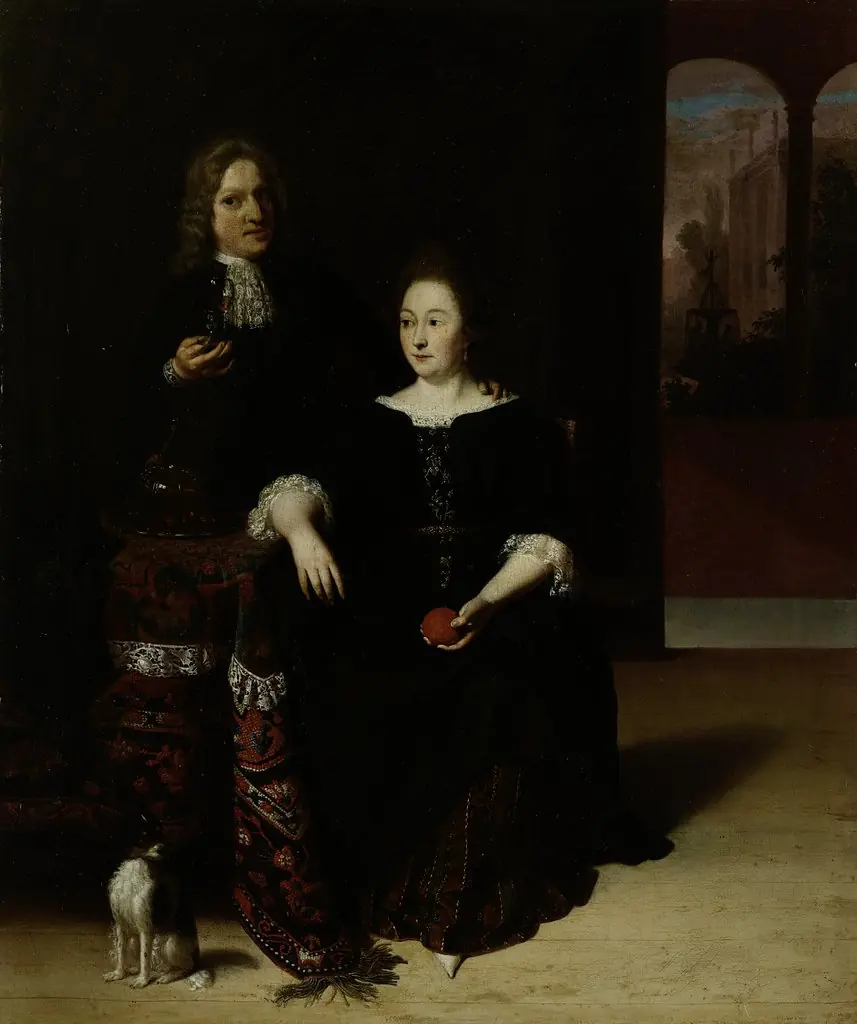 Portrait of a woman and a man in an interior
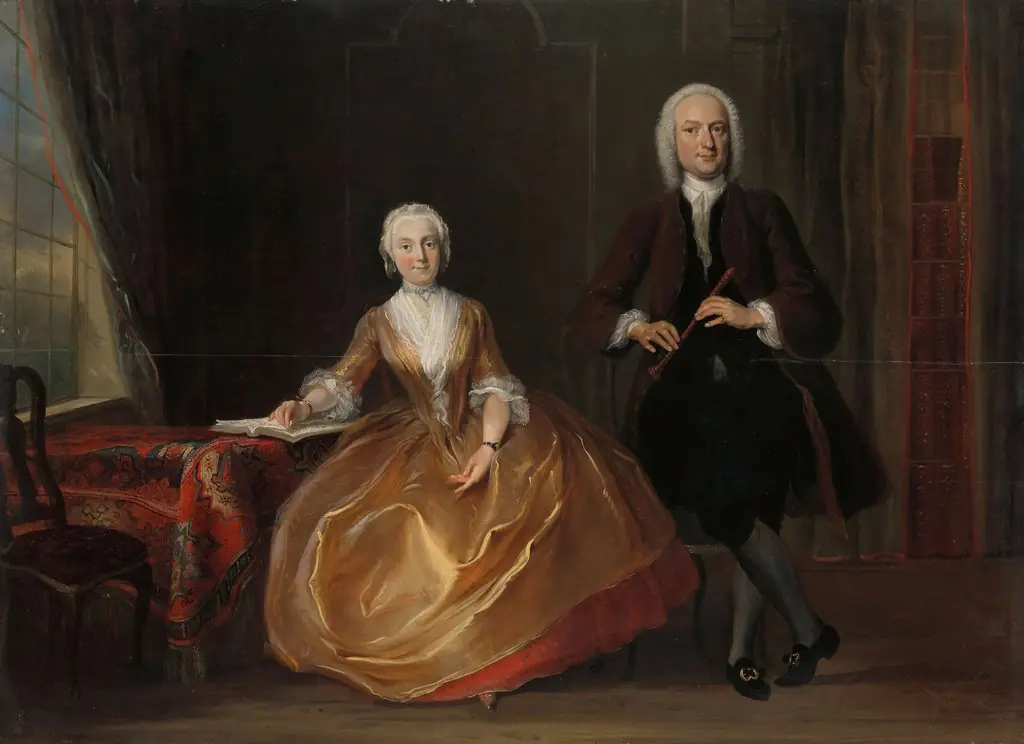 A Couple Making Music
 Portrait of the Brak Family, Amsterdam Mennonites
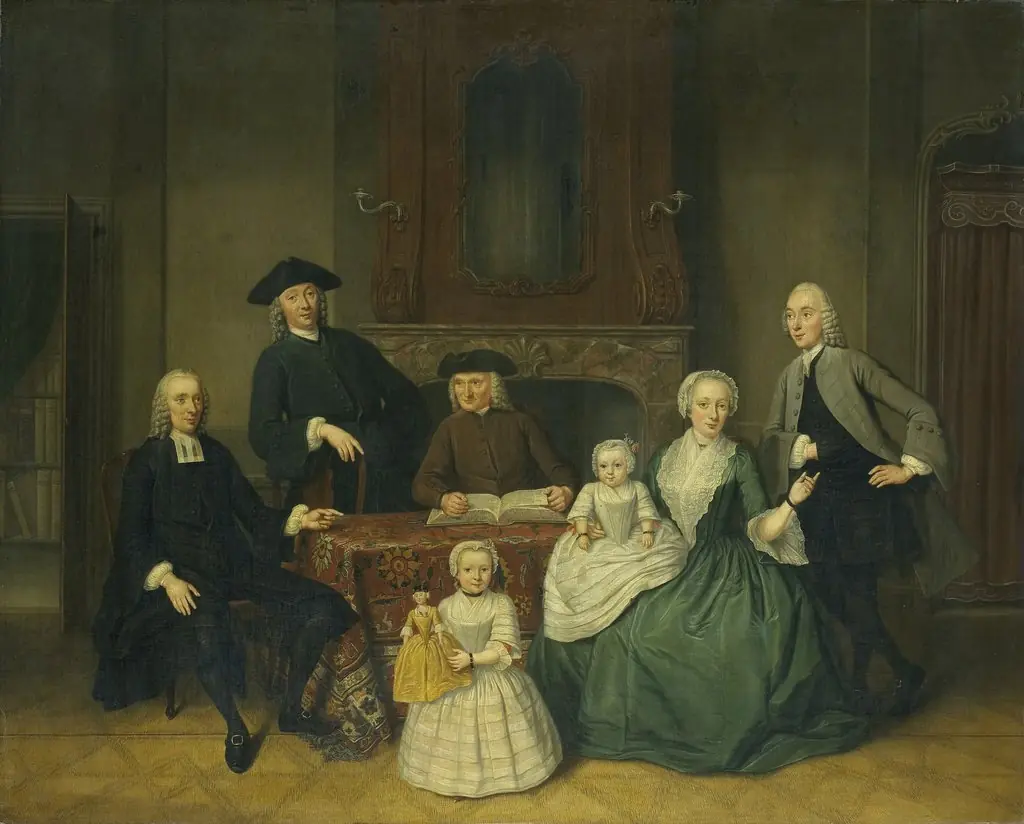 Portrait of the Brak Family, Amsterdam Mennonites
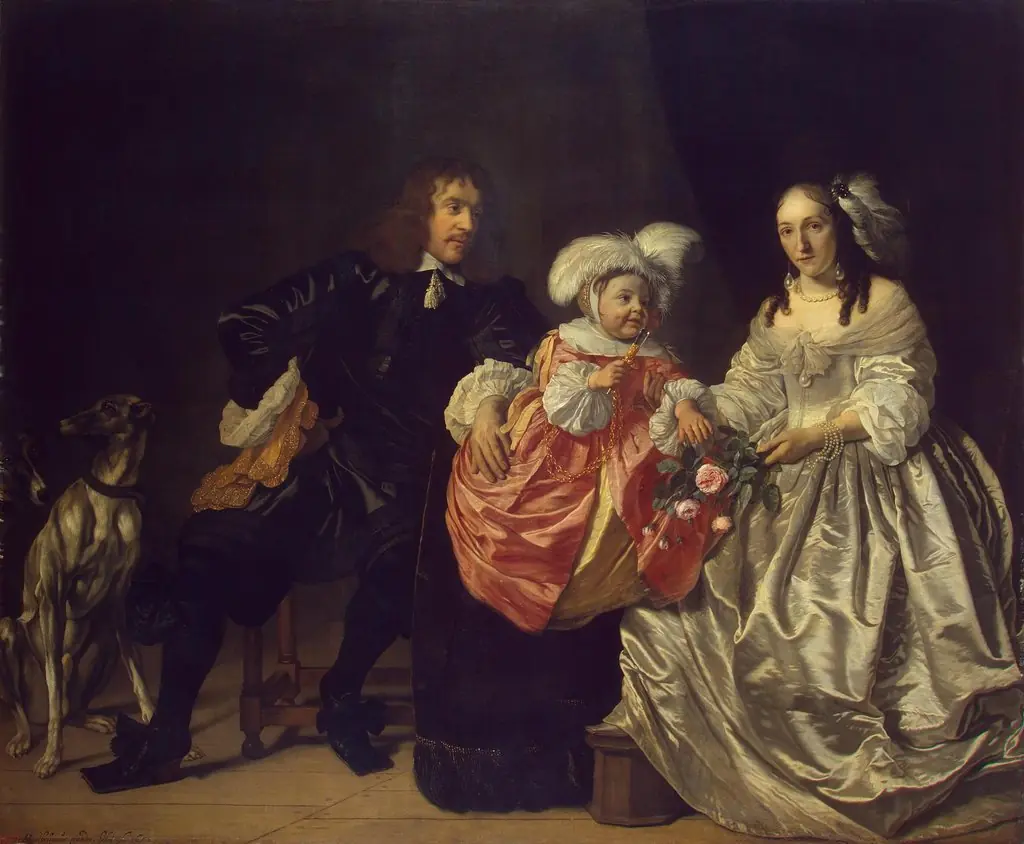 Family Portrait
 Portrait of Antoinette Métayer, Oldest Sister of Louis Métayer
 Portrait of Antoinette Métayer, Oldest Sister of Louis Métayer
 Portrait of the Family Hinlopen
 A Dutch Family Group