Artwork
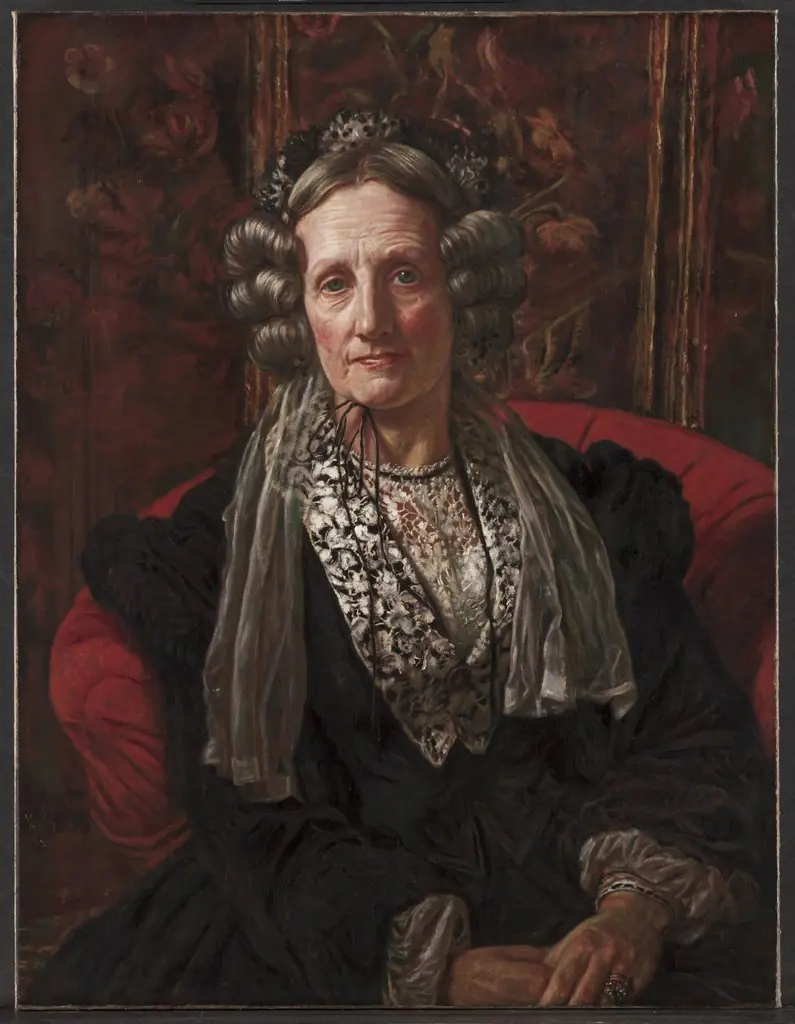
Maria Hermina Heemskerk (1827–1908). Echtgenote van Menno David Graaf van Limburg Stirum
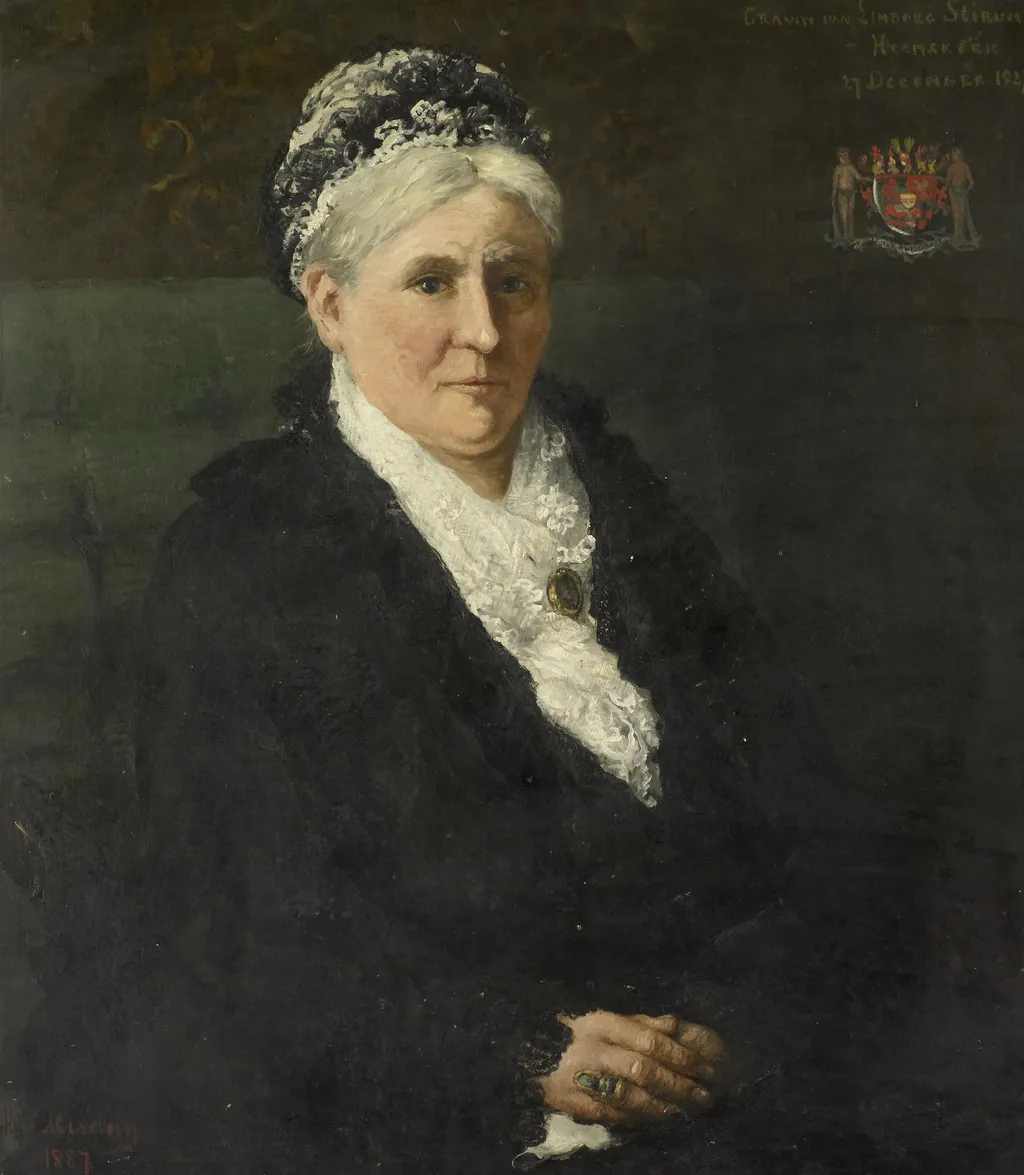
Maria Hermina Heemskerk (1827–1908). Echtgenote van Menno David Graaf van Limburg Stirum is an oil painting by the Impressionist artist Hendrik Willem Mesdag. It dates from 1894 and is held in the collection of the Rijksmuseum.
About this work
Overview
This oil portrait, created by Hendrik Willem Mesdag in 1894, depicts Maria Hermina Heemskerk (1827–1908), wife of Menno David Graaf van Limburg Stirum. The work is part of the Rijksmuseum's collection.
Subject & Meaning
The portrait focuses on the sitter, an older woman with a serious expression, dressed in mourning attire (black dress, white lace collar, and a brooch). Her hands, one holding a handkerchief, rest in her lap, conveying a sense of contemplation or solemnity.
Technique & Style
Mesdag employed thick brushstrokes to render the white lace collar, achieving a textured, impasto effect that contrasts with the smoother, darker background. This compositional choice emphasizes the subject's face and attire.
History & Provenance
Painted in 1894 by Hendrik Willem Mesdag, the portrait is currently held in the collection of the Rijksmuseum, Amsterdam.
Context
While specific contextual details about the commission or the artist's relationship with the subject are not provided, the portrait reflects late 19th-century Dutch portrait traditions, emphasizing the dignity of the sitter.
Legacy
The portrait's legacy is primarily as a representation of Maria Hermina Heemskerk within the Rijksmuseum's holdings, offering insight into late 19th-century Dutch portraiture and the life of a member of the nobility during that time.
Own this work as a print
Artist & collection

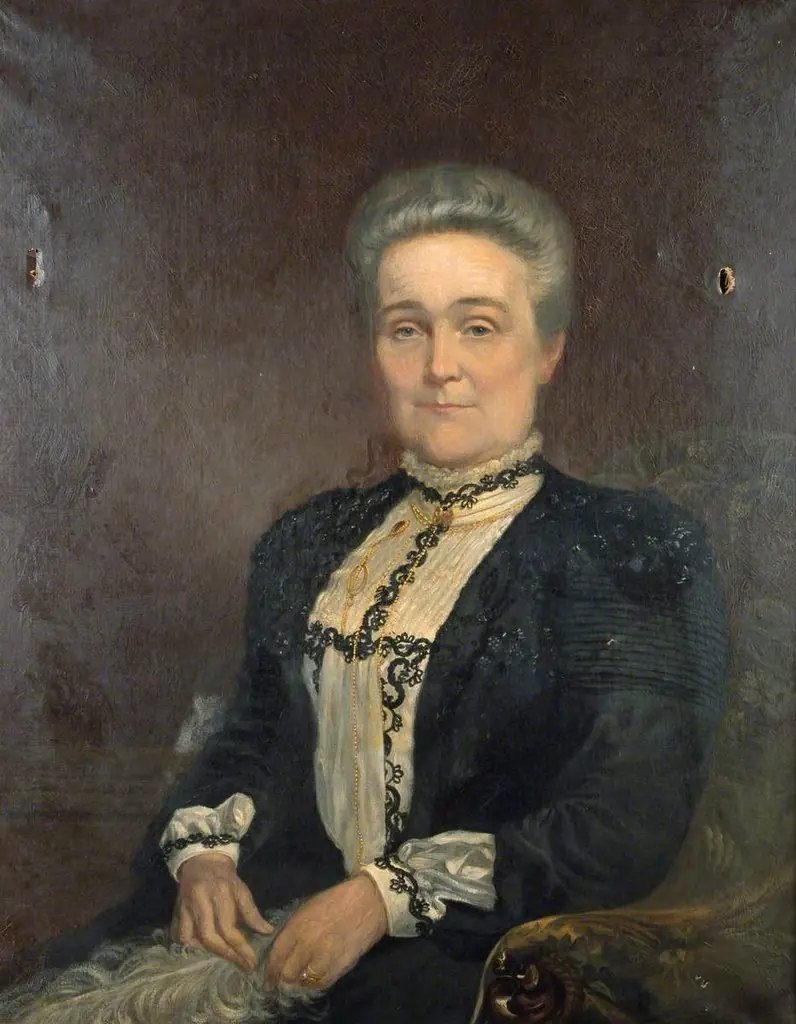 Portrait of an Unidentified Woman
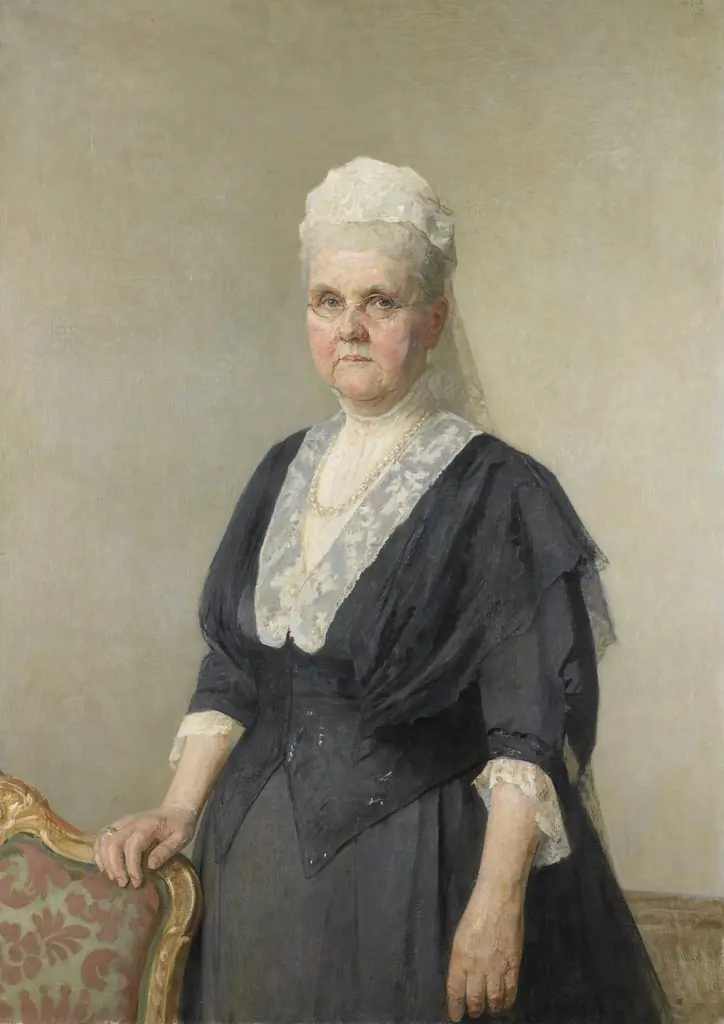 Queen Emma, Princess of Waldeck-Pyrmont, Widow of King William III
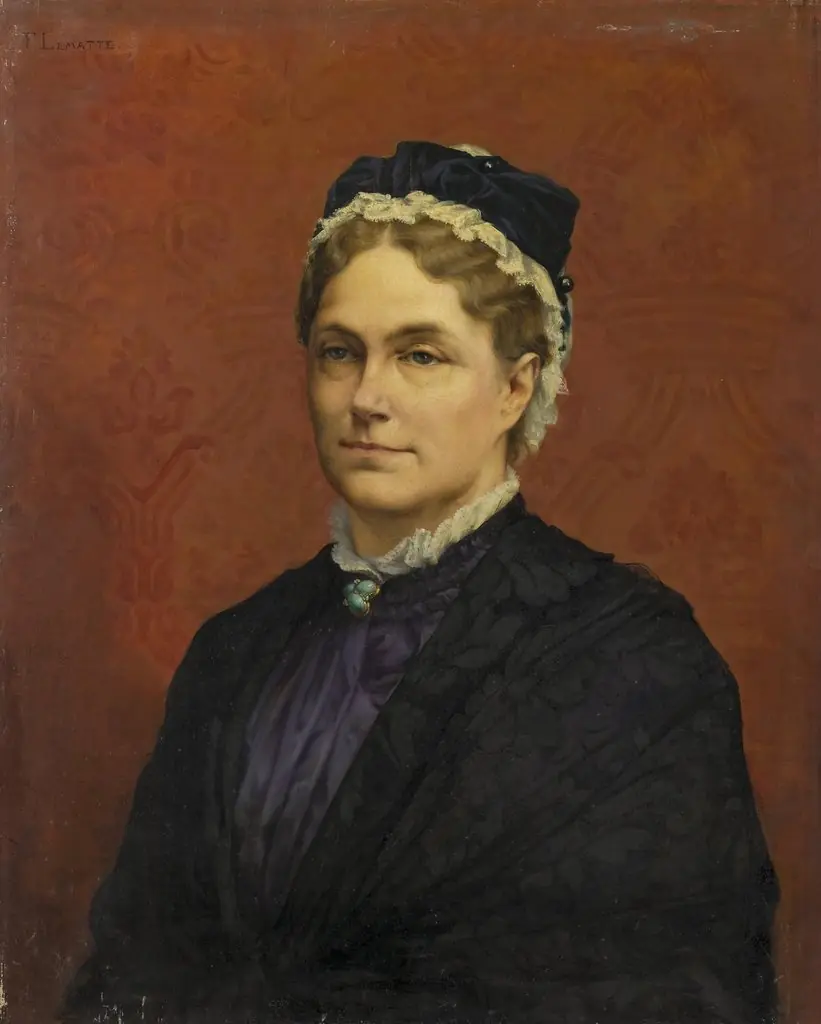 Portrait of Ye.F. Chikhachyova
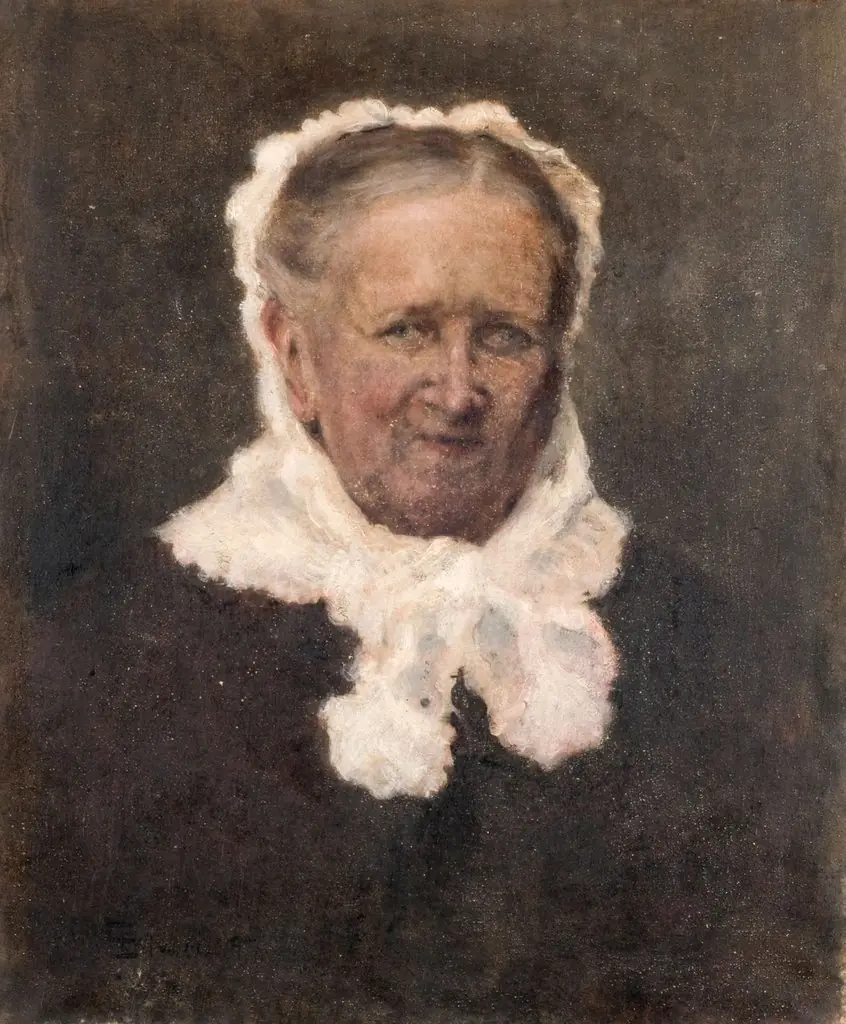 Portrait of Doña Ignacia Martinez de Hoz de Casares
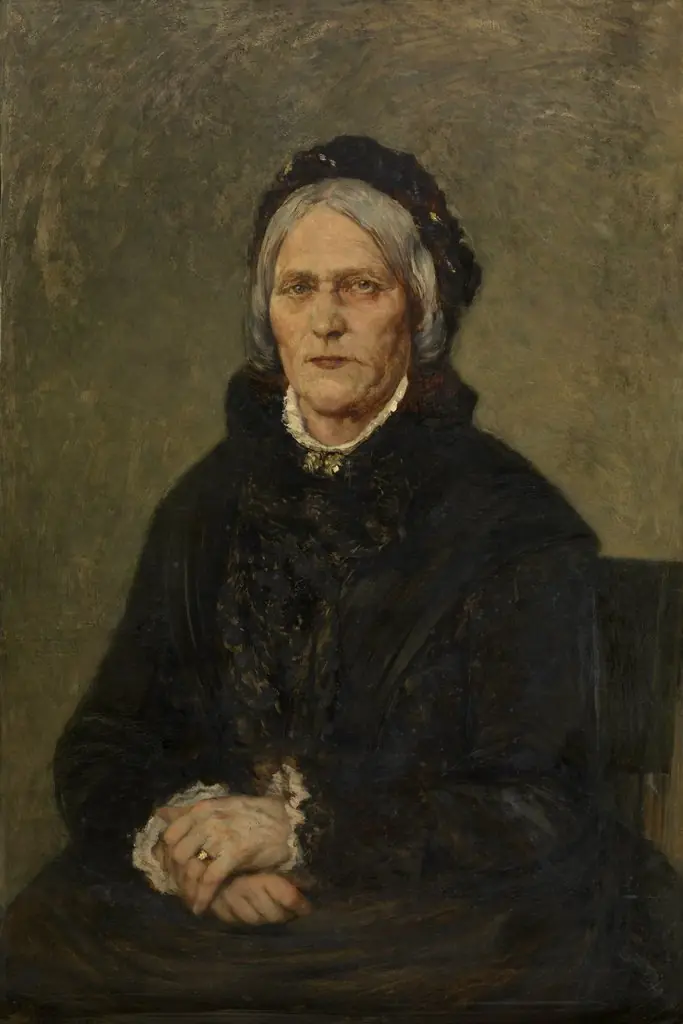 Madame Van Camp, the Artist's Mother
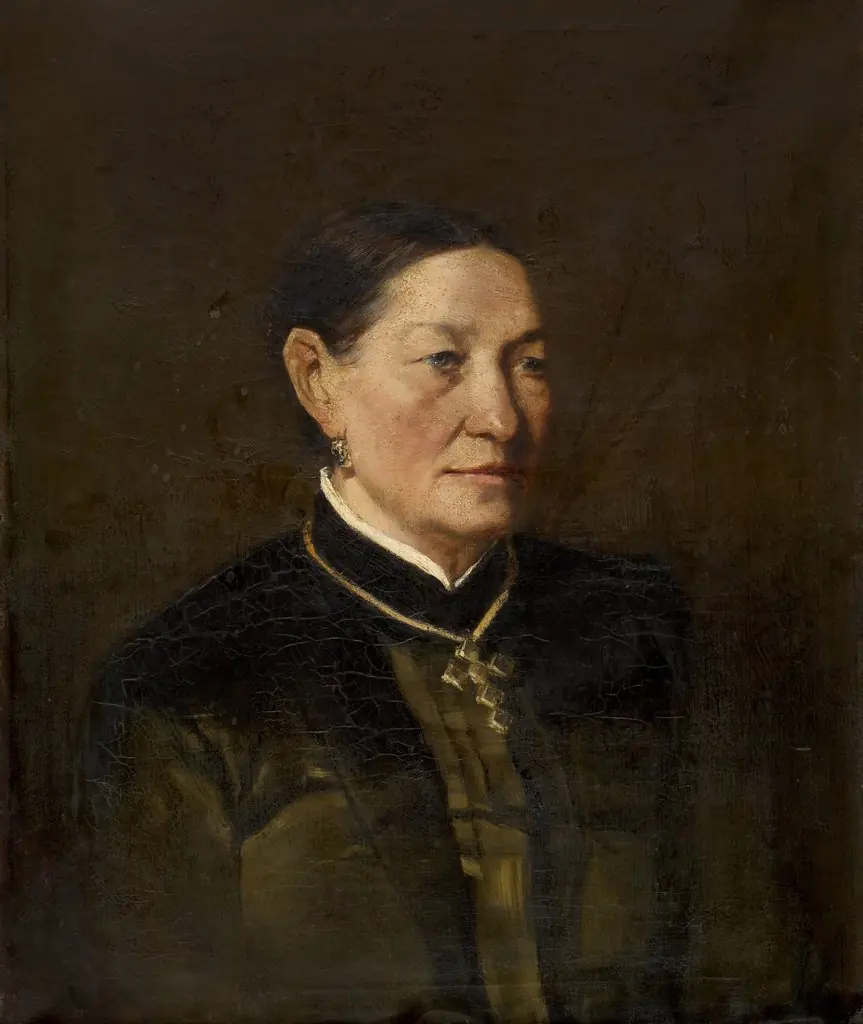 Portrait of a Woman
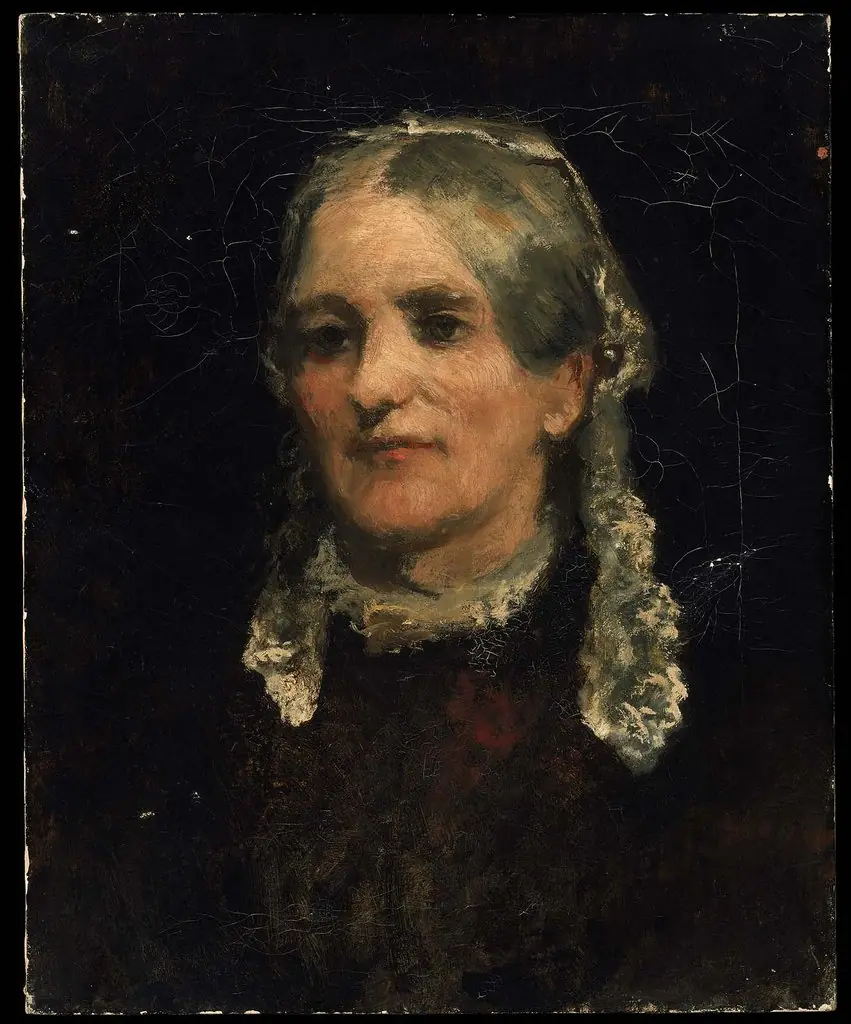 Portrait of a Lady
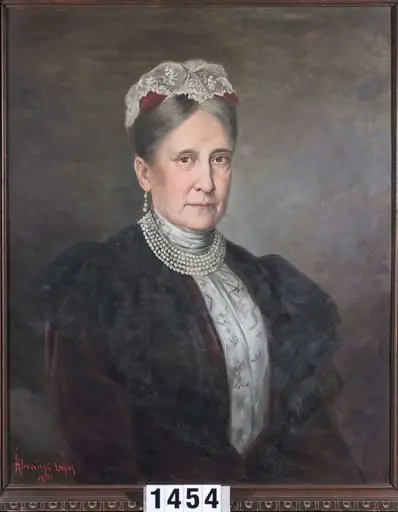 Berta von Brukenthal
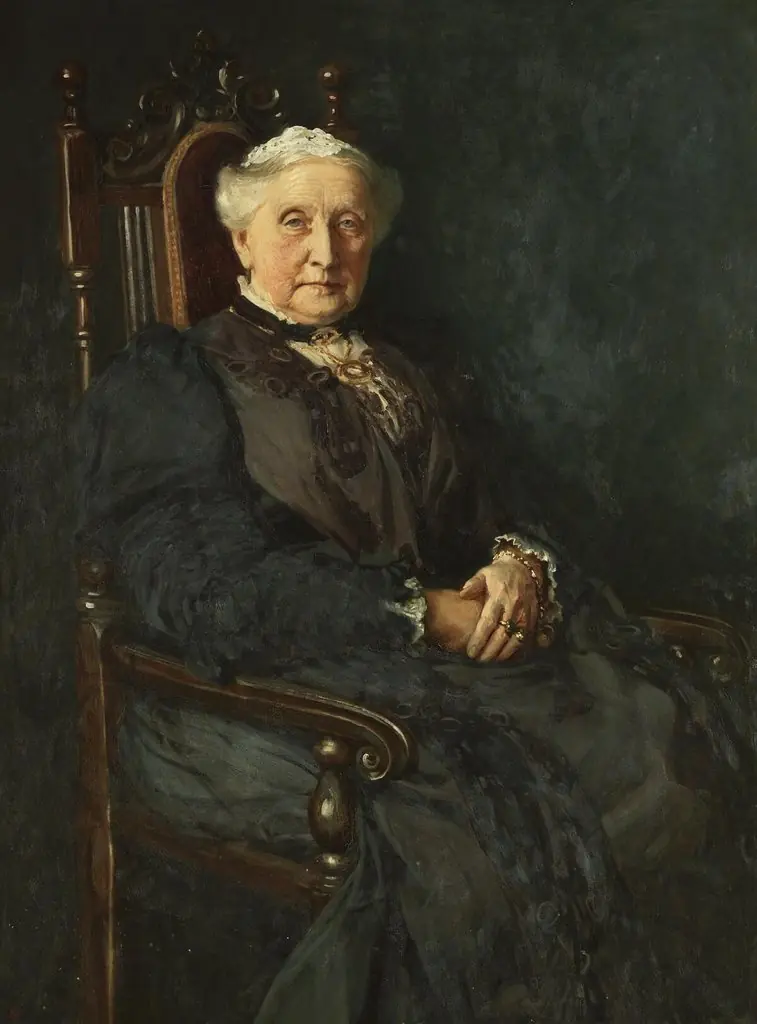 Mrs Elizabeth Poole-Hughes
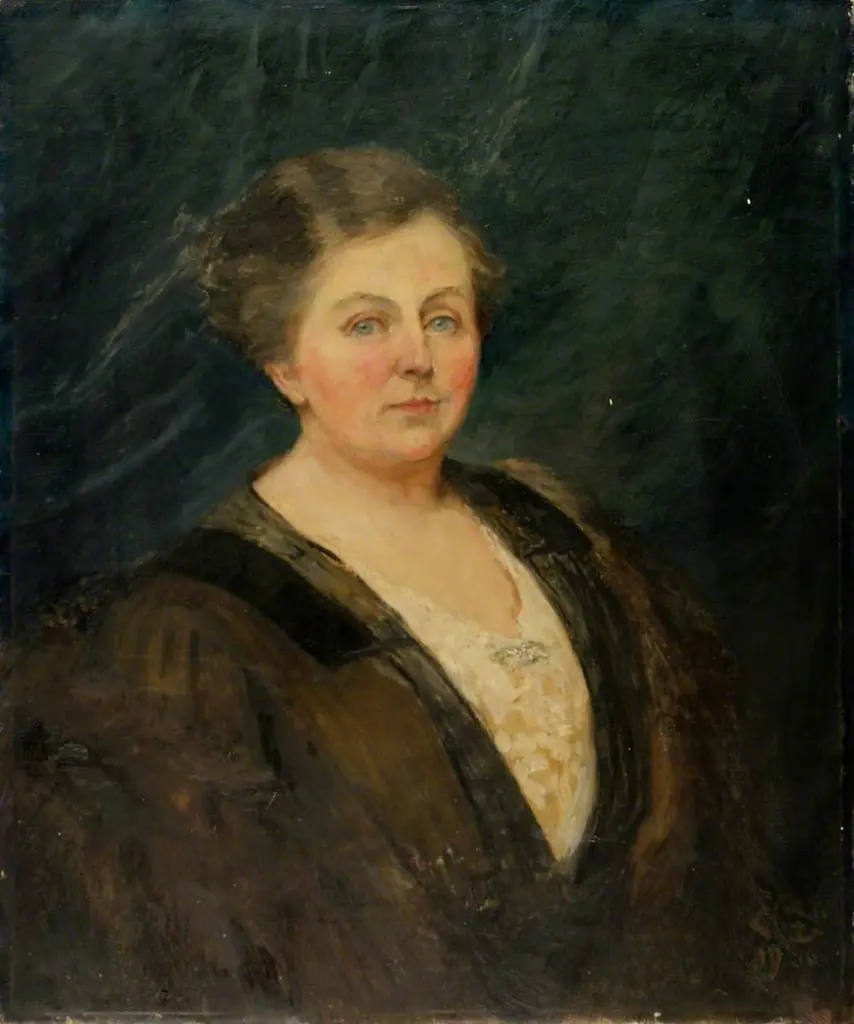 Dame Margaret Lloyd George (1866–1941)
 Margaret Hughes of Plas Bach, Bodorgan
 Mary Walker Waugh