Artwork
Ballet Dancers
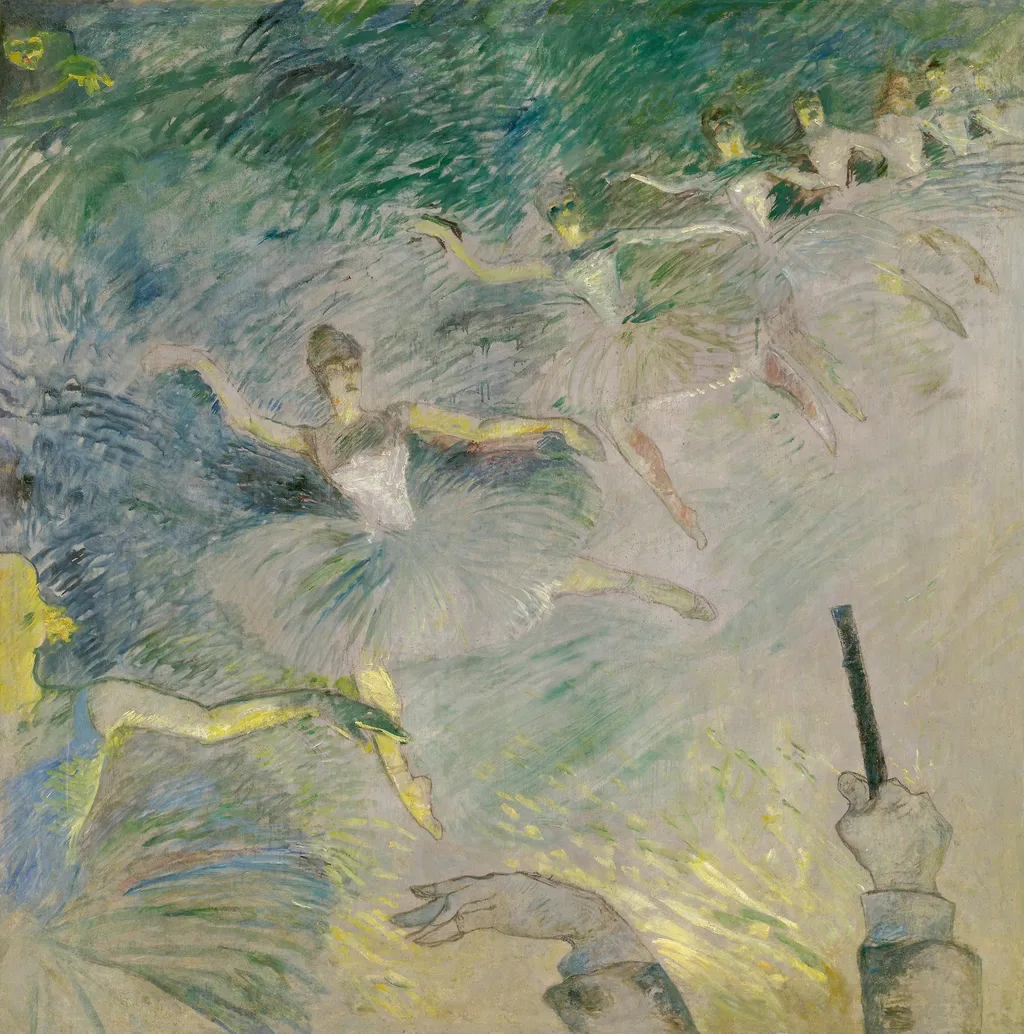
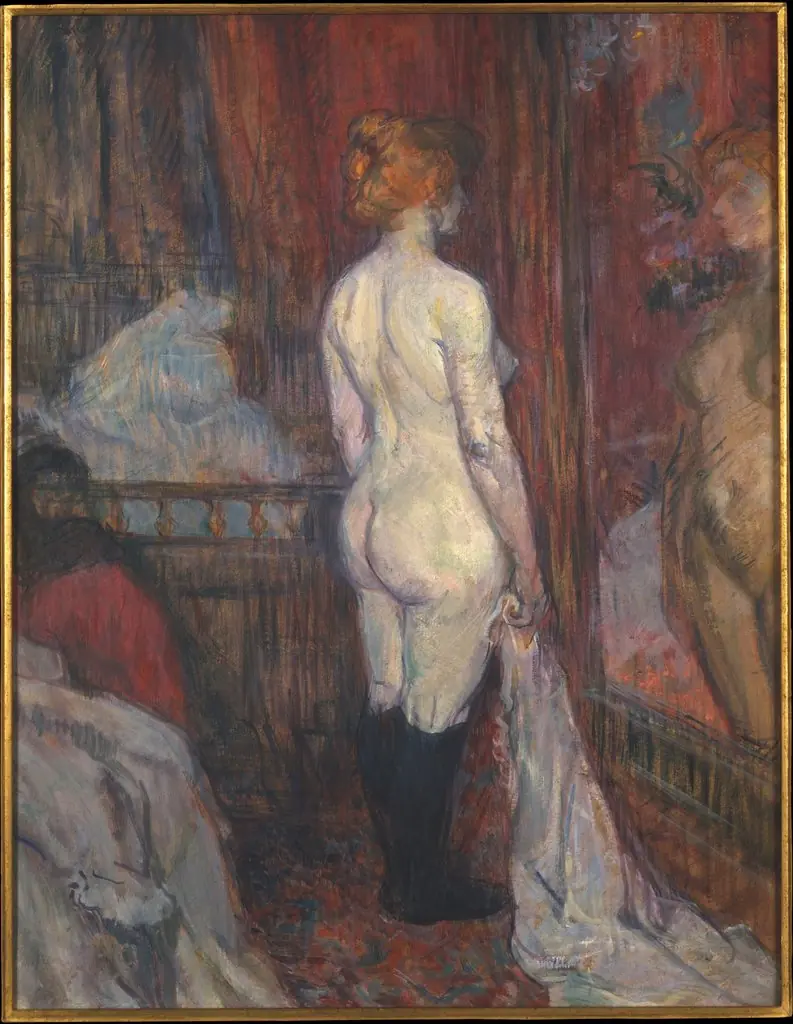
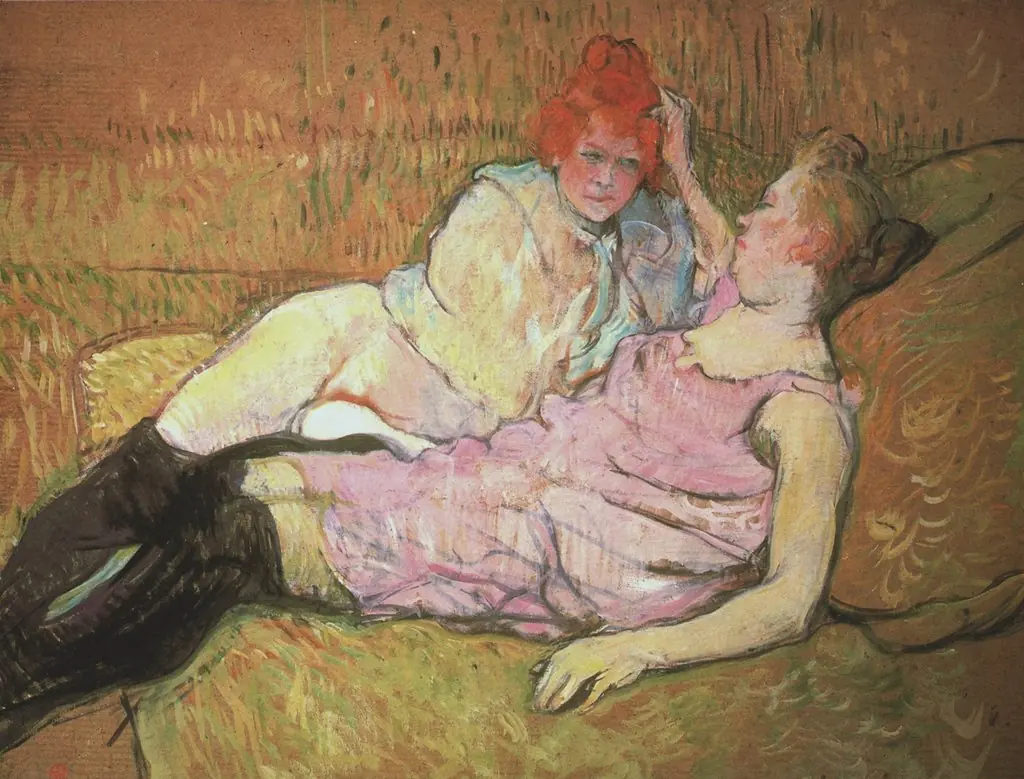
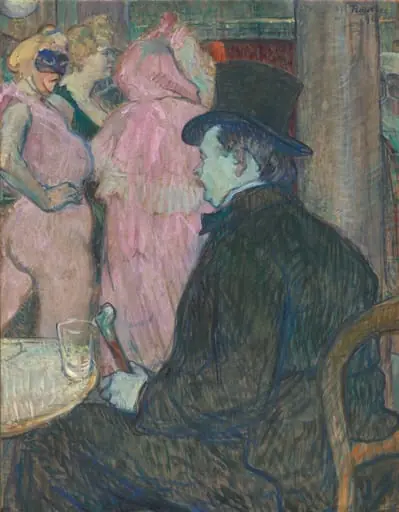
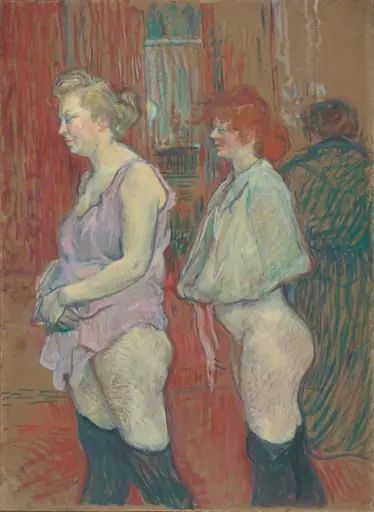
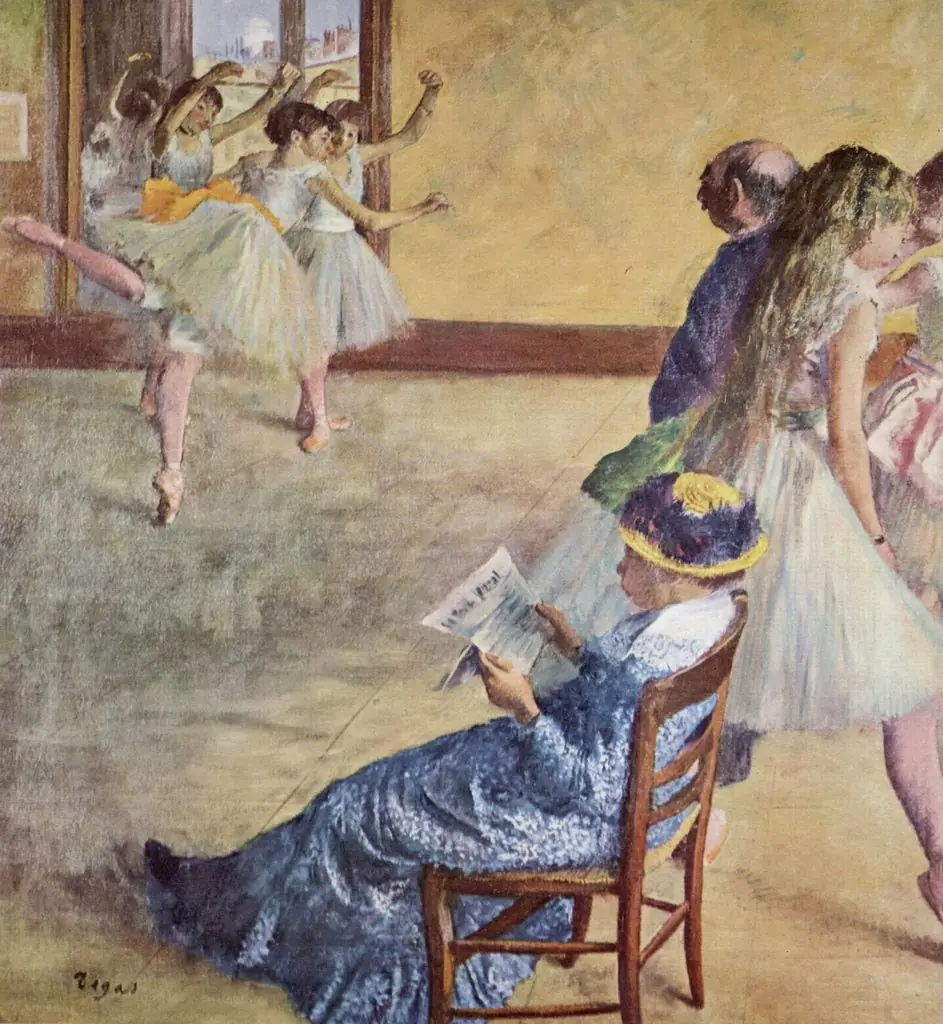
Ballet Dancers is an unspecified painting by the Post-Impressionist artist Henri de Toulouse-Lautrec. It dates from 1893 and is held in the collection of the Art Institute of Chicago.
About this work
Overview
Painted in 1893, this work by Henri de Toulouse-Lautrec captures a moment from the Parisian ballet world.
Painted in 1893, this work by Henri de Toulouse-Lautrec captures a moment from the Parisian ballet world. Though born into nobility, Toulouse-Lautrec immersed himself in the city’s entertainment districts, turning his attention to performers who inhabited the margins of polite society. This painting, part of his broader exploration of movement and identity, reflects his dual mastery of drawing and painting, and his alignment with Post-Impressionist concerns for emotional expression over naturalism.
Subject & Meaning
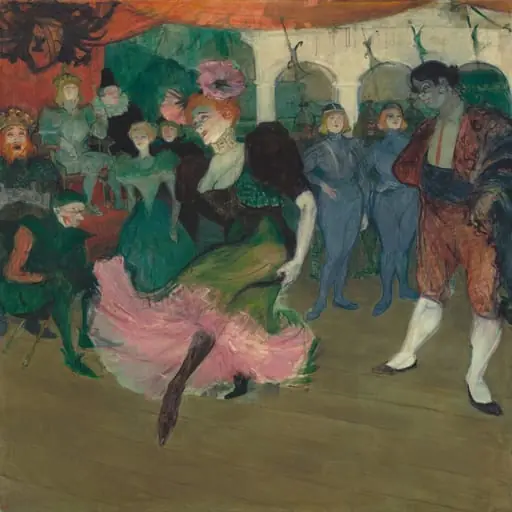
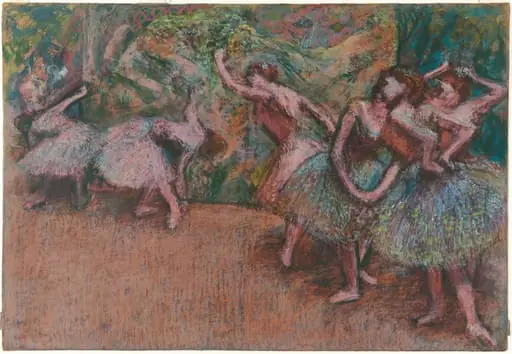
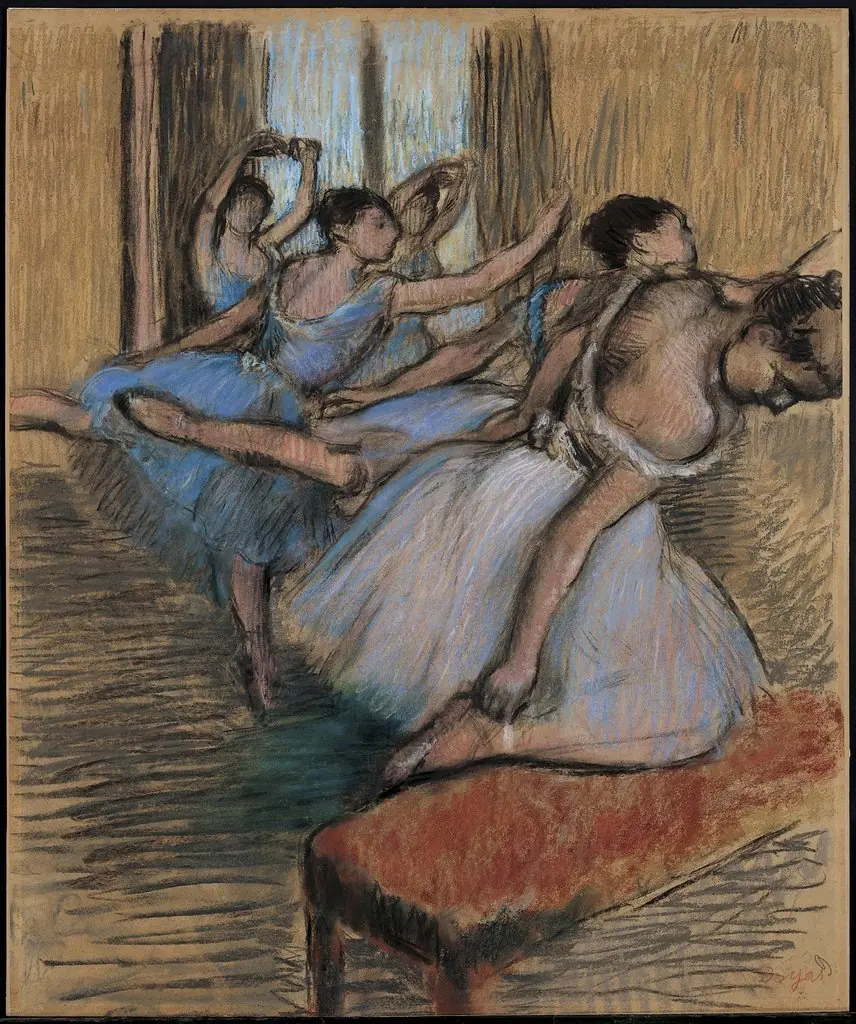
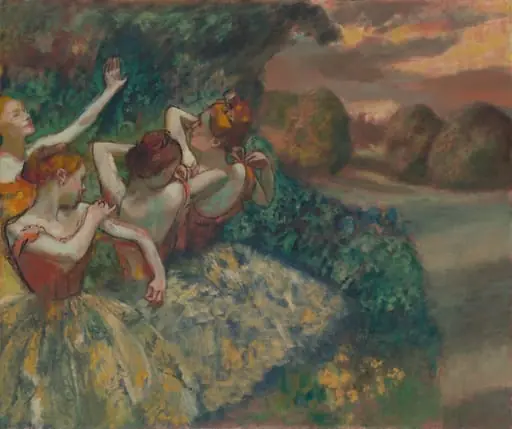
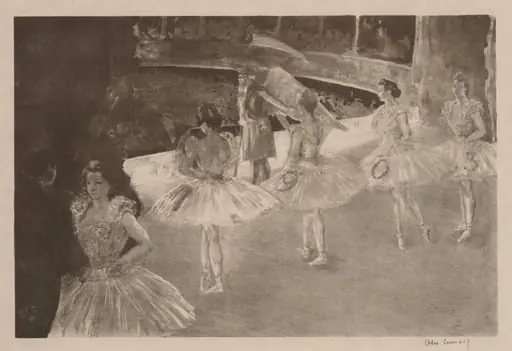
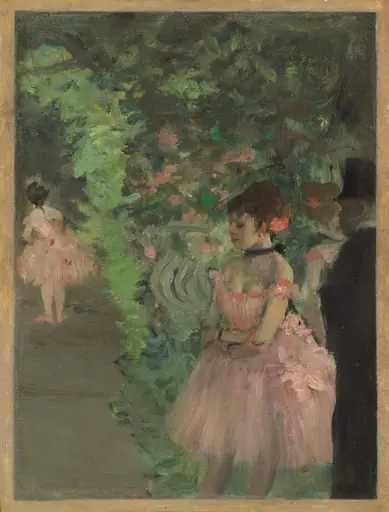
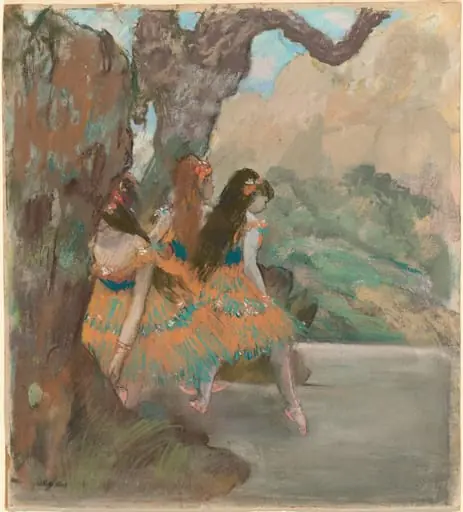
The painting depicts a group of ballet dancers mid-performance, their bodies caught in transitional poses—arms lifted, legs stretched, torsos tilted. Dressed in white tutus, they appear both ethereal and physically present, their grace underscored by the tension of motion. Rather than idealizing them, Toulouse-Lautrec presents dancers as workers in a demanding profession, their elegance framed by the immediacy of rehearsal or performance, hinting at the labor behind spectacle.
Technique & Style
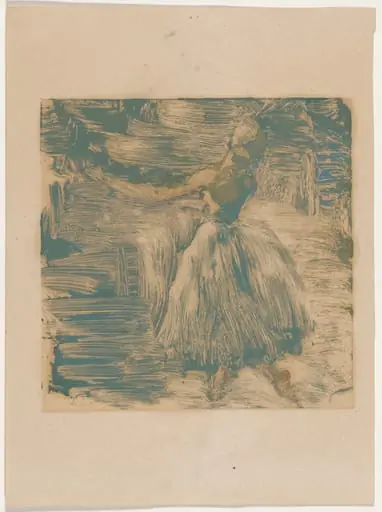
Toulouse-Lautrec employed loose, energetic brushwork to convey motion and rhythm, avoiding smooth finishes in favor of visible, directional strokes. Color is applied with restraint—white tutus contrast against a muted, atmospheric background—while subtle impasto adds texture to fabric and movement. His approach draws from printmaking, where clarity of form and economy of line were essential, translating those principles into paint to emphasize gesture over detail.
History & Provenance
Created during a period when Toulouse-Lautrec was deeply involved with the Théâtre de l’Opéra and its dancers, the painting emerged from his frequent attendance at rehearsals and performances. It was likely made for private collectors drawn to his unvarnished portrayals of Parisian nightlife. The work remained within European collections throughout the 20th century, its provenance reflecting its status as a document of cultural observation rather than commercial spectacle.
Context
In late 19th-century Paris, ballet was both high art and popular entertainment, performed in venues where class boundaries blurred. Toulouse-Lautrec’s focus on dancers aligned with broader artistic interests in modern life, but his perspective was distinct: he avoided romanticizing performers, instead recording their physicality and routine with empathy. His work paralleled developments in photography and theater design, which also sought to capture fleeting motion and authentic presence.
Legacy
This painting contributes to a body of work that redefined how performers were represented in art—not as distant muses, but as individuals engaged in disciplined, often grueling labor. Toulouse-Lautrec’s influence extended to later modernists who valued expressive form and psychological insight over academic idealism. His depictions of dancers helped shift the focus of art toward the everyday rhythms of urban life, leaving a quiet but enduring mark on 20th-century visual culture.
Own this work as a print
Artist & collection
Artist
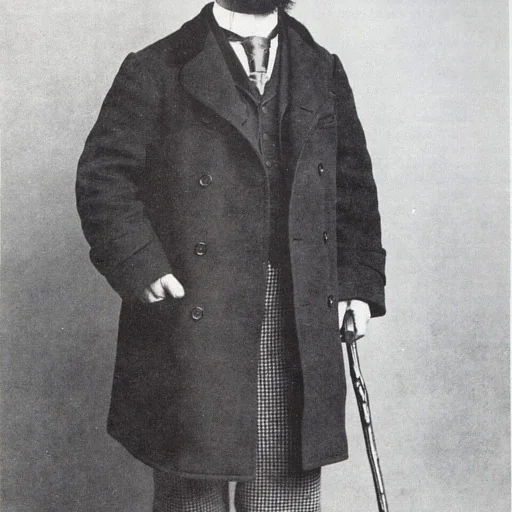
Comte Henri Marie Raymond de Toulouse-Lautrec-Montfa (24 November 1864 – 9 September 1901), known as Toulouse-Lautrec (French: ), was a French painter, printmaker, draughtsman, caricaturist, and illustrator.