Artwork
Bust of Mademoiselle Lender
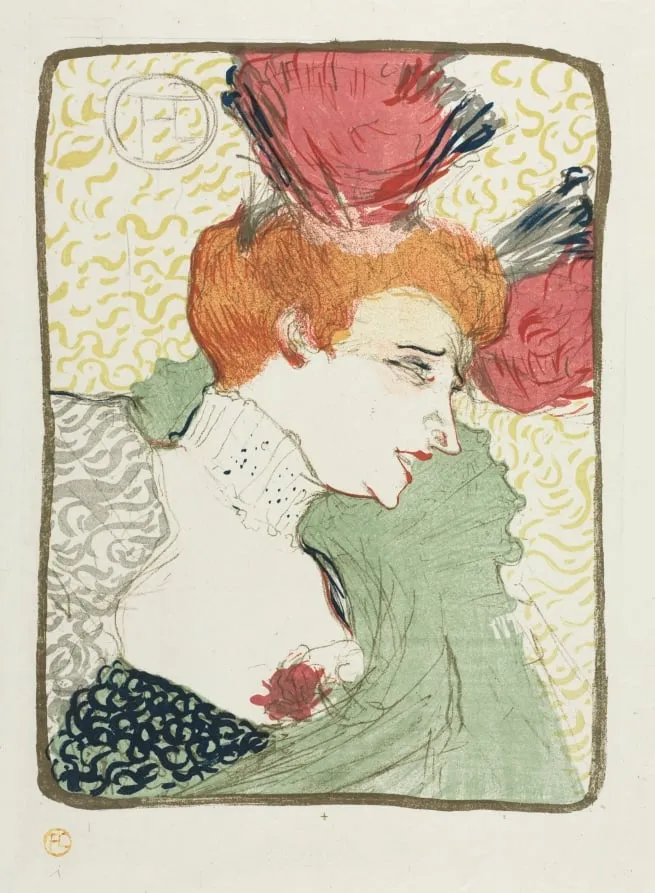
Bust of Mademoiselle Lender is a print by the Impressionist artist Henri de Toulouse-Lautrec. It dates from 1895 and is held in the collection of the Cleveland Museum of Art.
About this work
She was performing in an operetta called Chilpéric, which the artist attended many times.
You see a woman's face in the painting.
She's looking straight at you with a confident expression.
The artist was clearly interested in her, as he made several portraits of her that year.
The subject of the painting, Marcelle Lender, was a famous actress at the time.
She was performing in an operetta called Chilpéric, which the artist attended many times.
You can learn more about this style by looking at the work of artist: Henri de Toulouse-Lautrec (French, 1864–1901)
Overview
This print is one of several portraits Henri de Toulouse-Lautrec created in 1895 of the French actress Marcelle Lender. He was drawn to her during her performances in the operetta Chilpéric at the Théâtre des Variétés, where he attended more than twenty times. The image captures her face with directness and composure, isolating her from the stage spectacle that made her famous.
Subject & Meaning
Marcelle Lender was celebrated for her role in Chilpéric, particularly for her final bolero, where her swirling skirts in pink and green tulle became a signature moment. Toulouse-Lautrec’s portrait omits the costume and motion, focusing instead on her gaze—steady, unflinching. The floral and cape motifs hint at her stage persona without depicting it directly, suggesting identity shaped by performance yet anchored in presence.
Technique & Style
Toulouse-Lautrec employed lithography to achieve sharp contours and flat planes of color, characteristic of his poster work. The face is rendered with minimal detail but strong definition, emphasizing expression over realism. Background elements—fuchsia blooms and a green drape—are simplified into symbolic fragments, echoing the theatricality of her performance while maintaining a quiet, intimate focus on the sitter.
History & Provenance
Created in 1895 during Lender’s peak fame, the print was likely produced as a limited edition, common for Toulouse-Lautrec’s theatrical subjects. It circulated among collectors and art circles in Paris, reflecting the artist’s close ties to the city’s entertainment scene. No record suggests it was commissioned; rather, it emerged from his repeated attendance and personal fascination with the performer.
Context
In mid-1890s Paris, theater and cabaret culture thrived, and artists like Toulouse-Lautrec documented its figures with psychological insight. Lender’s popularity as a comic opera star aligned with his interest in performers who embodied both spectacle and individuality. His portraits of her reflect a broader trend of elevating stage personalities into subjects of modern art, beyond mere publicity.
Legacy
The portrait contributes to Toulouse-Lautrec’s enduring exploration of identity in performance. Unlike sensationalized posters, this print offers a restrained, almost introspective view of a public figure, revealing his ability to convey depth beyond spectacle. It remains a key example of how he transformed fleeting theatrical moments into enduring visual studies of character.
Artist & collection
Artist
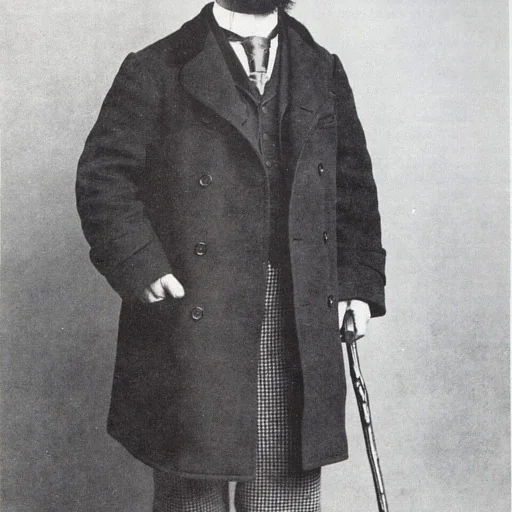
Comte Henri Marie Raymond de Toulouse-Lautrec-Montfa (24 November 1864 – 9 September 1901), known as Toulouse-Lautrec (French: ), was a French painter, printmaker, draughtsman, caricaturist, and illustrator.

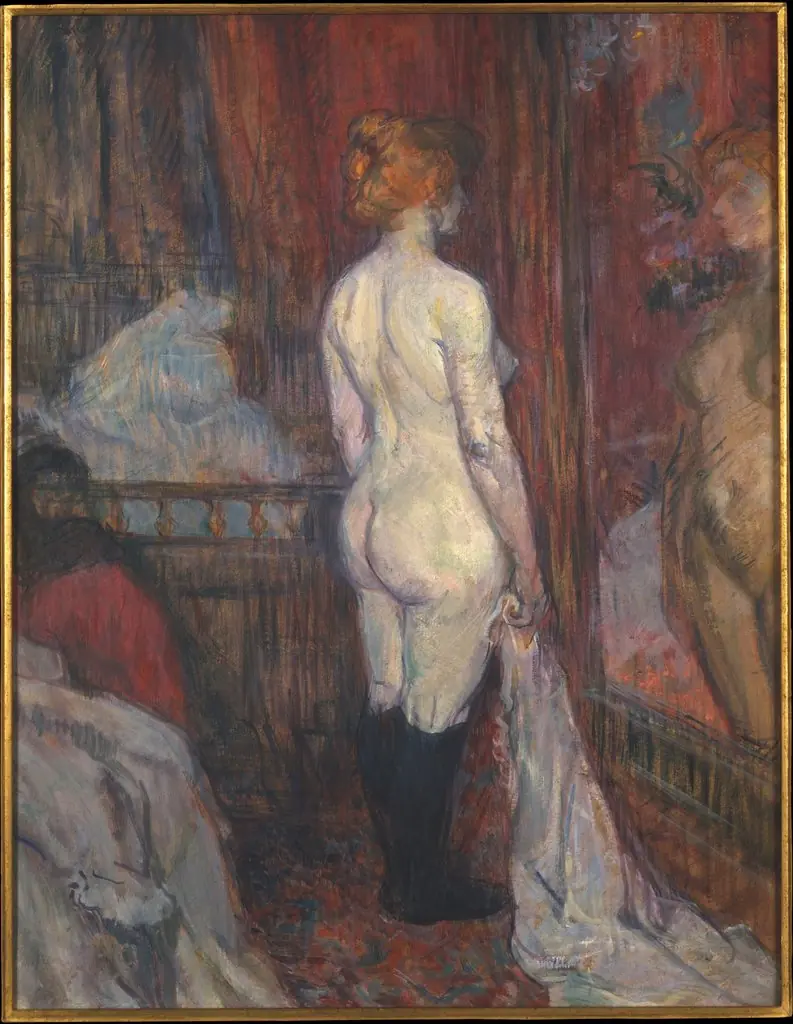
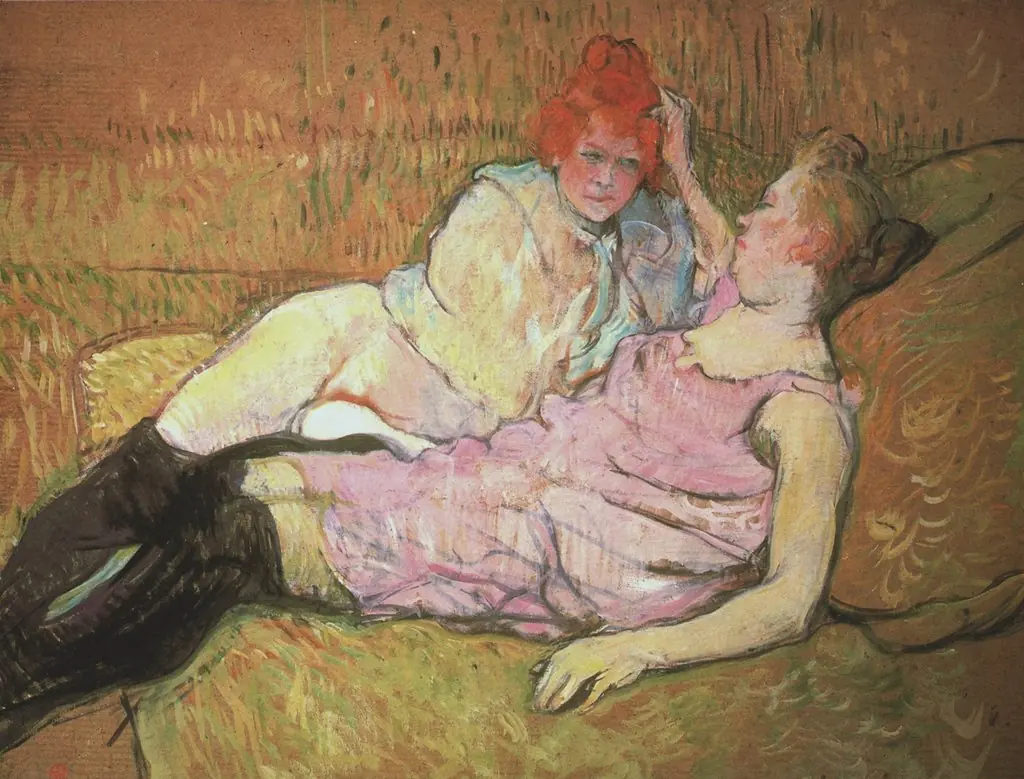
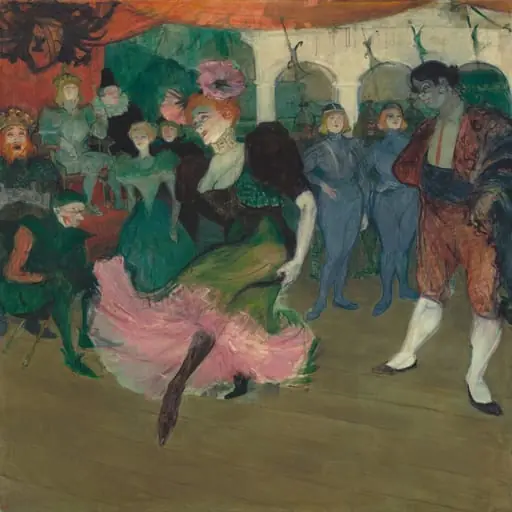
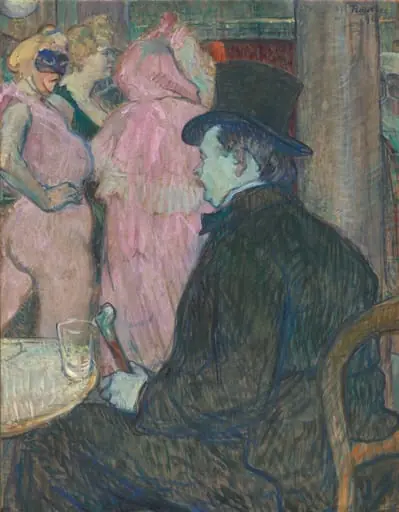
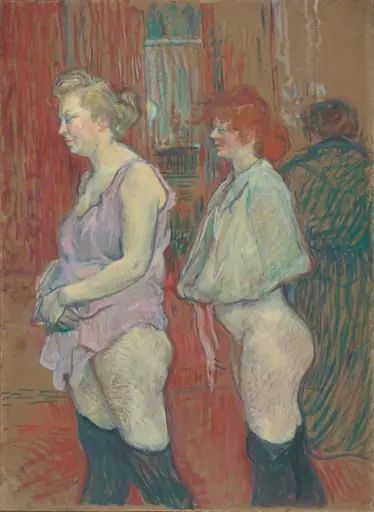
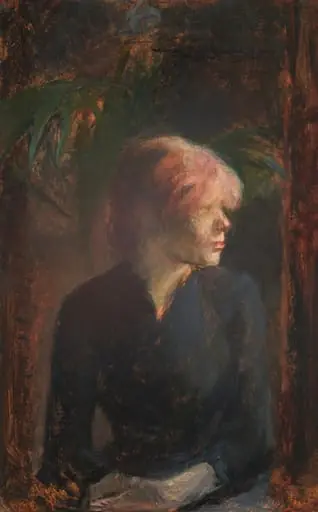
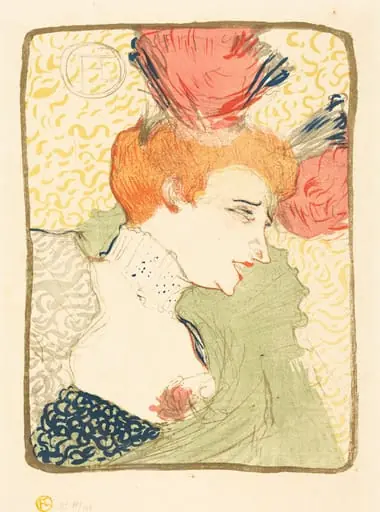 Bust of Mademoiselle Marcelle Lender (Mademoiselle Marcelle Lender, en buste)
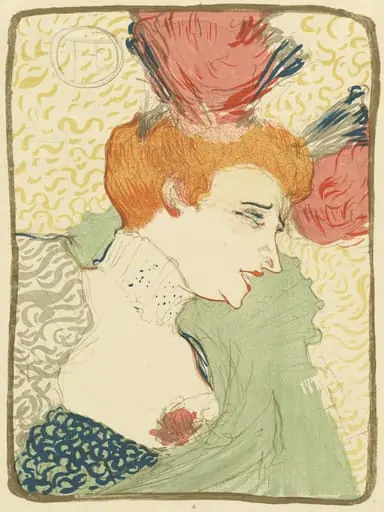 Bust of Mademoiselle Marcelle Lender (Mademoiselle Marcelle Lender, en buste)
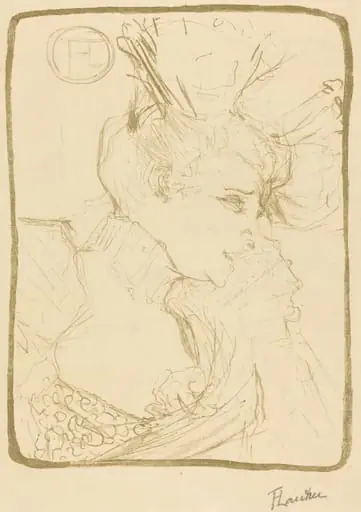 Bust of Mademoiselle Marcelle Lender (Mademoiselle Marcelle Lender, en buste)
 Untitled
 Untitled
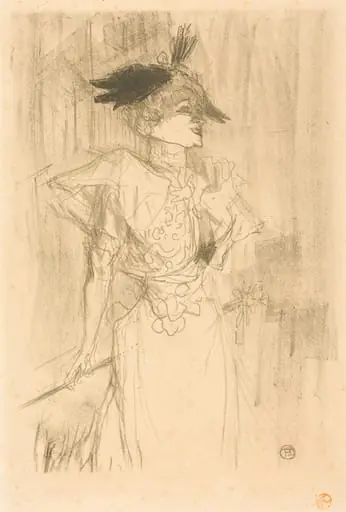 Mlle. Marcelle Lender, Standing (Mlle. Marcelle Lender, debout)