Artwork
Étude de Femme
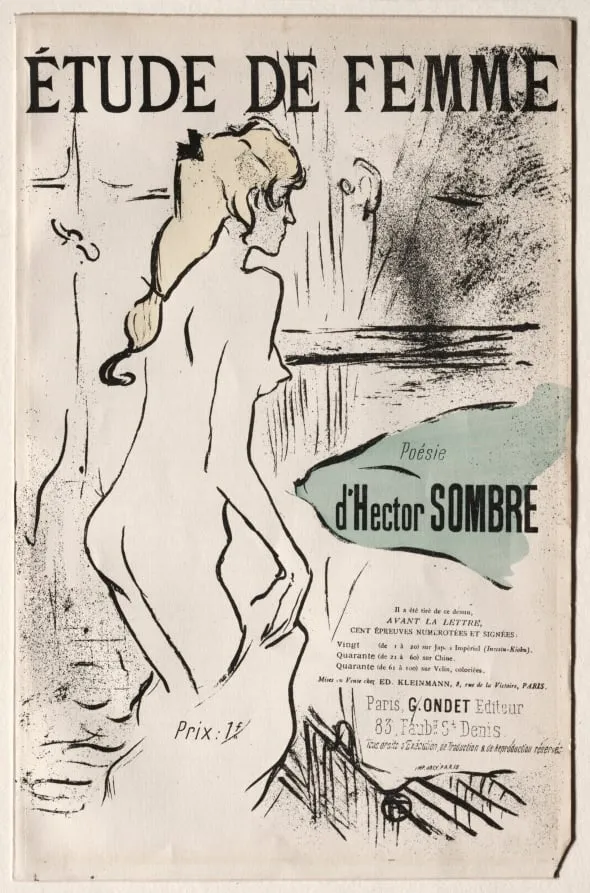
Étude de Femme is a print by the Impressionist artist Henri de Toulouse-Lautrec. It dates from 1893 and is held in the collection of the Cleveland Museum of Art.
About this work
Overview
Created in 1893, *Étude de Femme* is a charcoal or ink drawing by Henri de Toulouse-Lautrec, reflecting his interest in observational studies of the human form.
Created in 1893, *Étude de Femme* is a charcoal or ink drawing by Henri de Toulouse-Lautrec, reflecting his interest in observational studies of the human form. Though trained in aristocratic circles, he turned his attention to the everyday figures of Parisian entertainment. This work belongs to a series of studies that prioritize gesture and presence over narrative, capturing fleeting moments with economy and precision.
Subject & Meaning
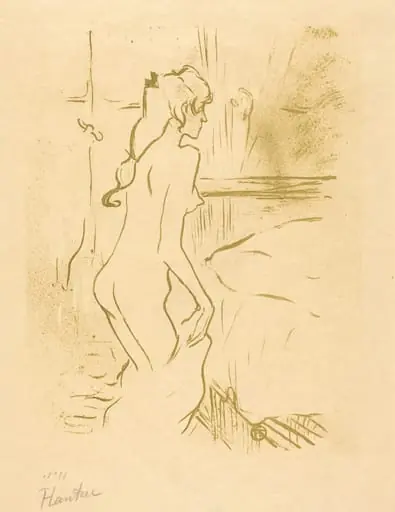
The subject is a woman seen in profile, her body angled with a natural, unposed ease. Her head tilts back and one arm extends outward, suggesting movement or a pause between actions. The title, meaning 'Study of a Woman,' signals an intent to observe rather than idealize. There is no indication of her identity or role; the focus remains on posture, weight, and the quiet dignity of an ordinary moment.
Technique & Style
Toulouse-Lautrec employed swift, fluid lines to convey form and motion, avoiding heavy shading or detail. The drawing’s spontaneity comes from confident, uncorrected strokes that define the figure’s contours and suggest volume through rhythm rather than modeling. The sparse background, with minimal scribbles and a faint green wash, isolates the subject and enhances the sense of immediacy.
History & Provenance
This work emerged during a period when Toulouse-Lautrec was deeply engaged in documenting the performers and patrons of Montmartre’s cabarets and brothels. While not a finished poster or lithograph, *Étude de Femme* was likely a preparatory sketch, part of his broader practice of studying figures in motion. Its survival reflects the artist’s habit of preserving studies as records of visual inquiry.
Context
In the 1890s, Parisian artists increasingly turned to candid observation over academic idealism. Toulouse-Lautrec’s drawings aligned with broader shifts in modern art, where the everyday and the transient gained value. His focus on movement and posture paralleled developments in photography and the emerging interest in psychological realism, distancing his work from traditional academic conventions.
Legacy
Though lesser known than his posters, Toulouse-Lautrec’s studies like this one influenced later artists interested in expressive line and the depiction of urban life. His ability to distill character through minimal means became a touchstone for 20th-century illustrators and figurative draftsmen. The work endures as a quiet testament to the power of observation over spectacle.
Artist & collection
Artist
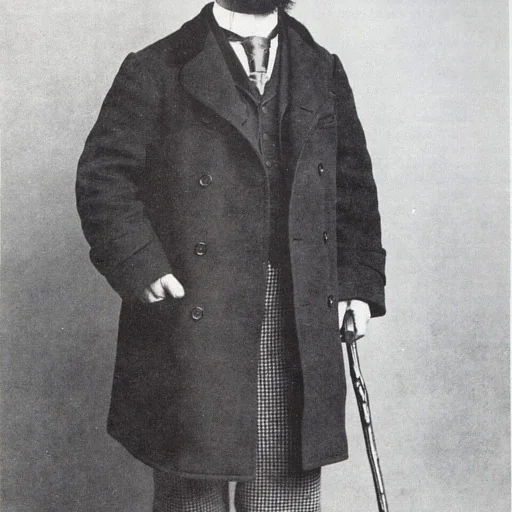
Comte Henri Marie Raymond de Toulouse-Lautrec-Montfa (24 November 1864 – 9 September 1901), known as Toulouse-Lautrec (French: ), was a French painter, printmaker, draughtsman, caricaturist, and illustrator.

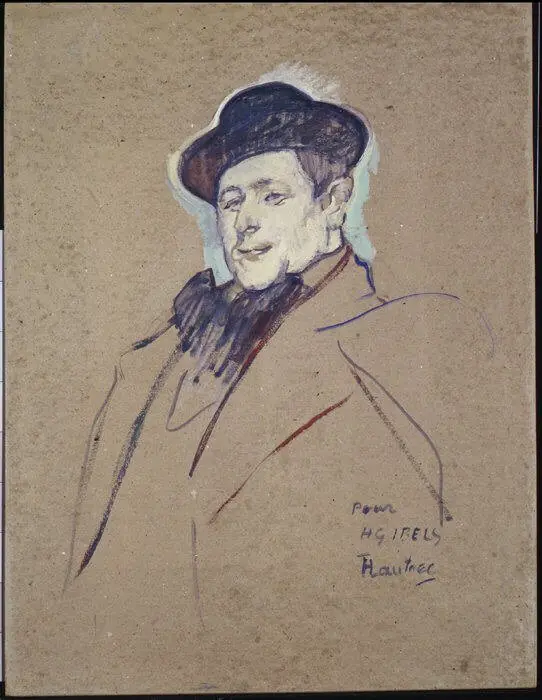
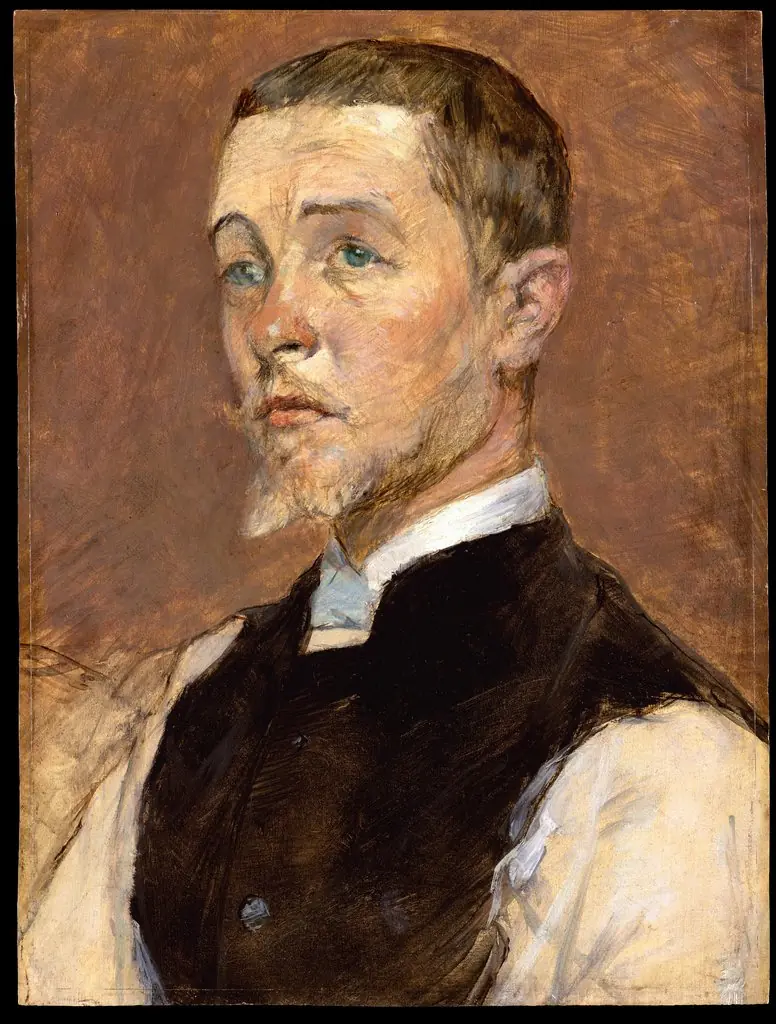
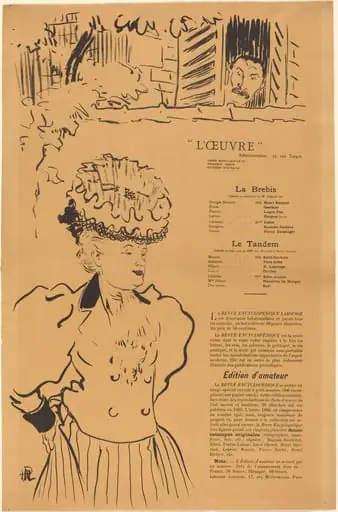 La Brebis; Le Tandem
 Untitled
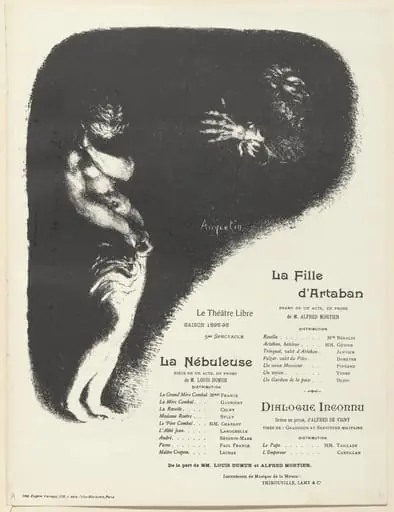 Untitled
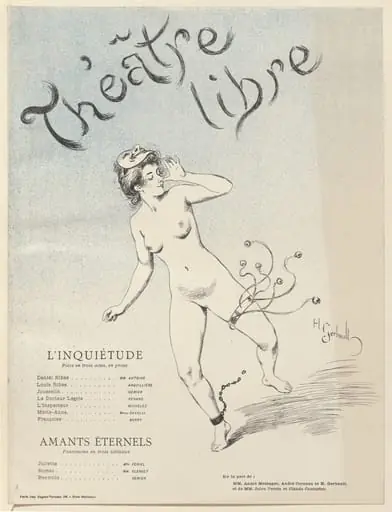 Untitled
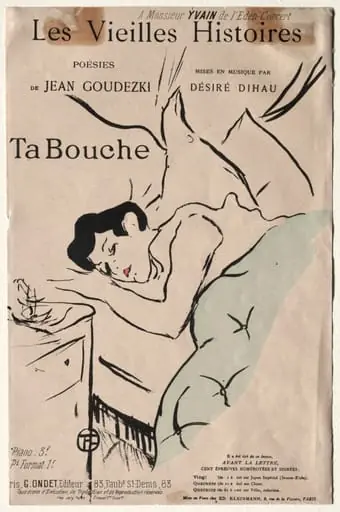 Les Vieilles histoires: Ta Bouche
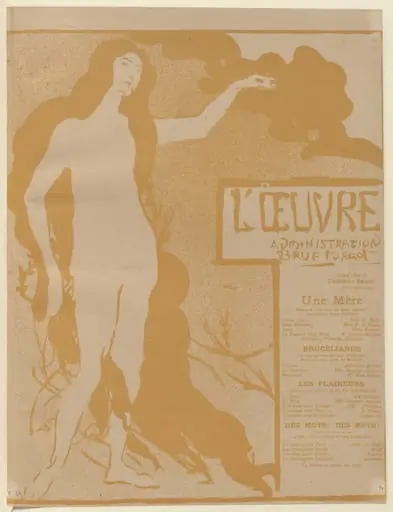
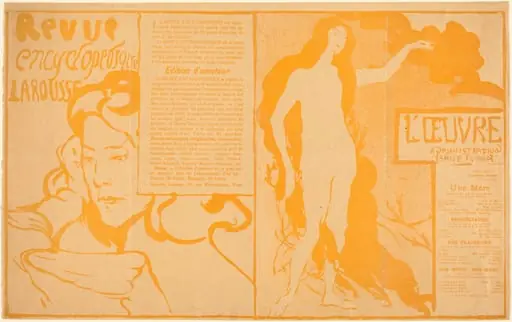 Une Mère; Brocéliande; Les Flaireurs; Des Mots! Des Mots!
 Les Maitres de L'Affiche: Pl. 13, Saxoléine
 Untitled
 Une Faillite; Le Poète et le financier
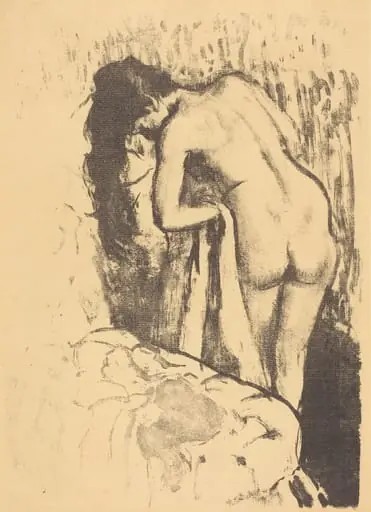 Nude Woman Standing, Drying Herself (Femme nue debout, a sa toilette)
 Untitled
 Study of a Woman (Etude de femme)