Artwork
The Model Resting
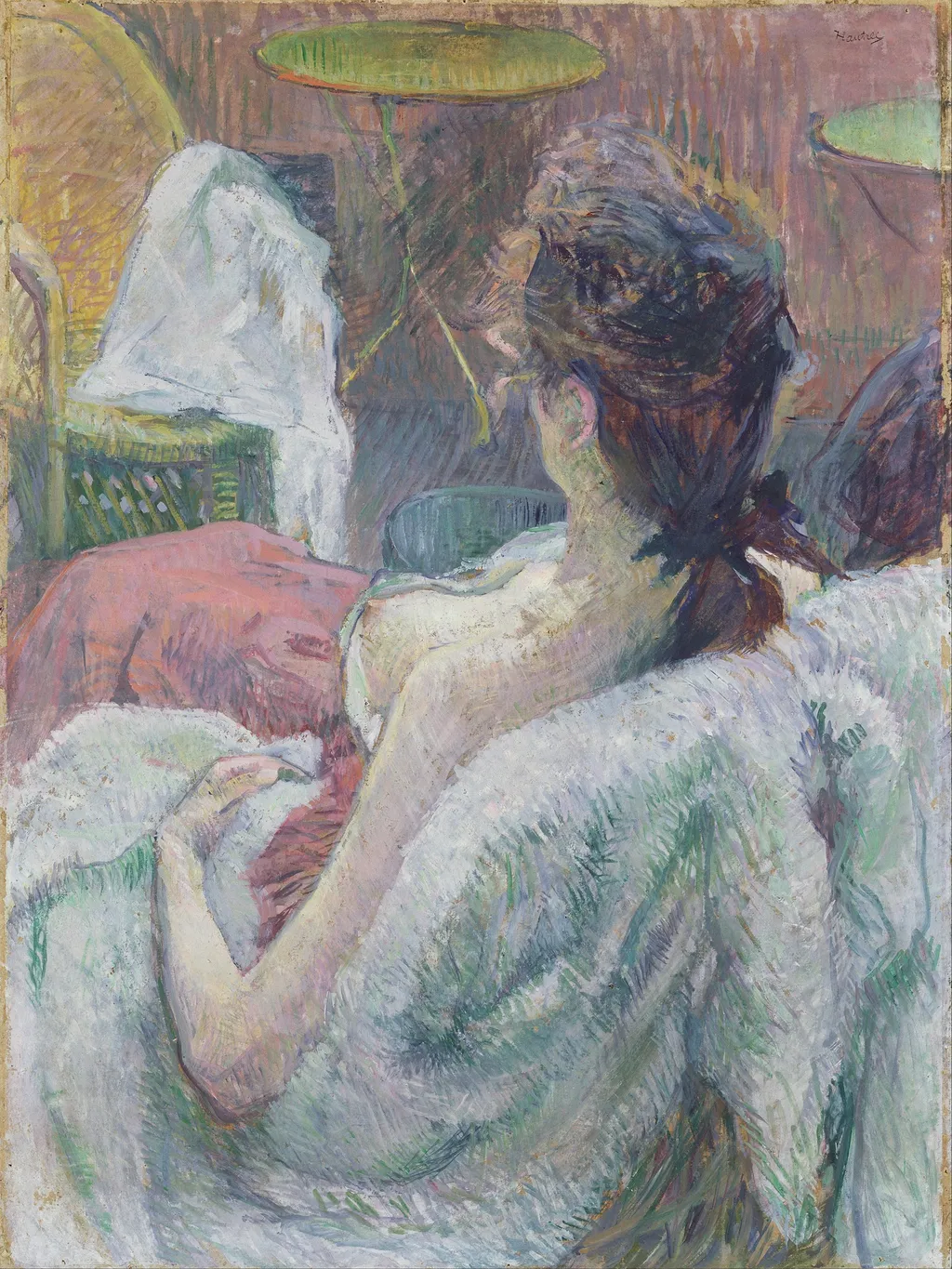
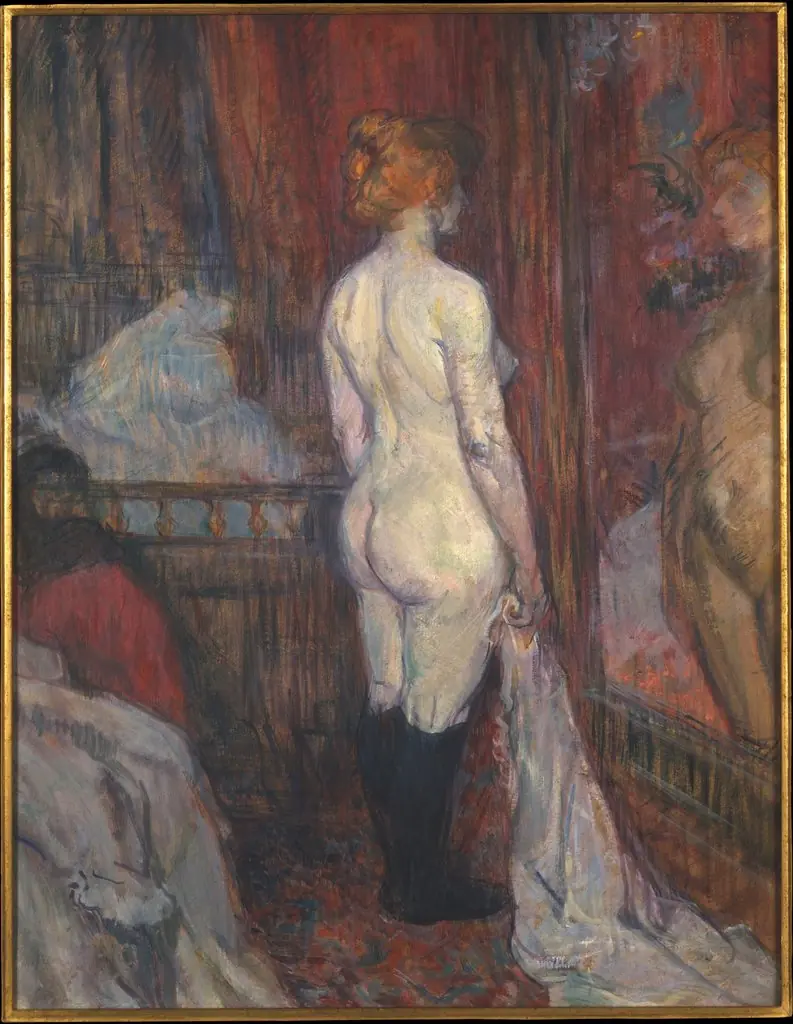
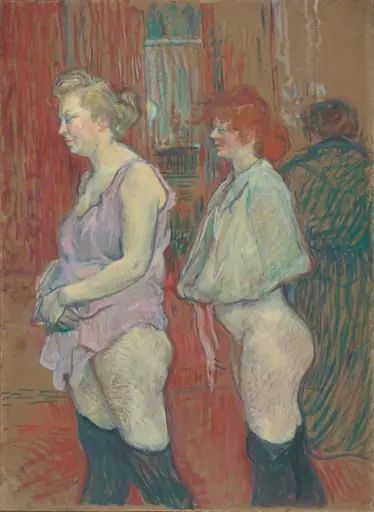
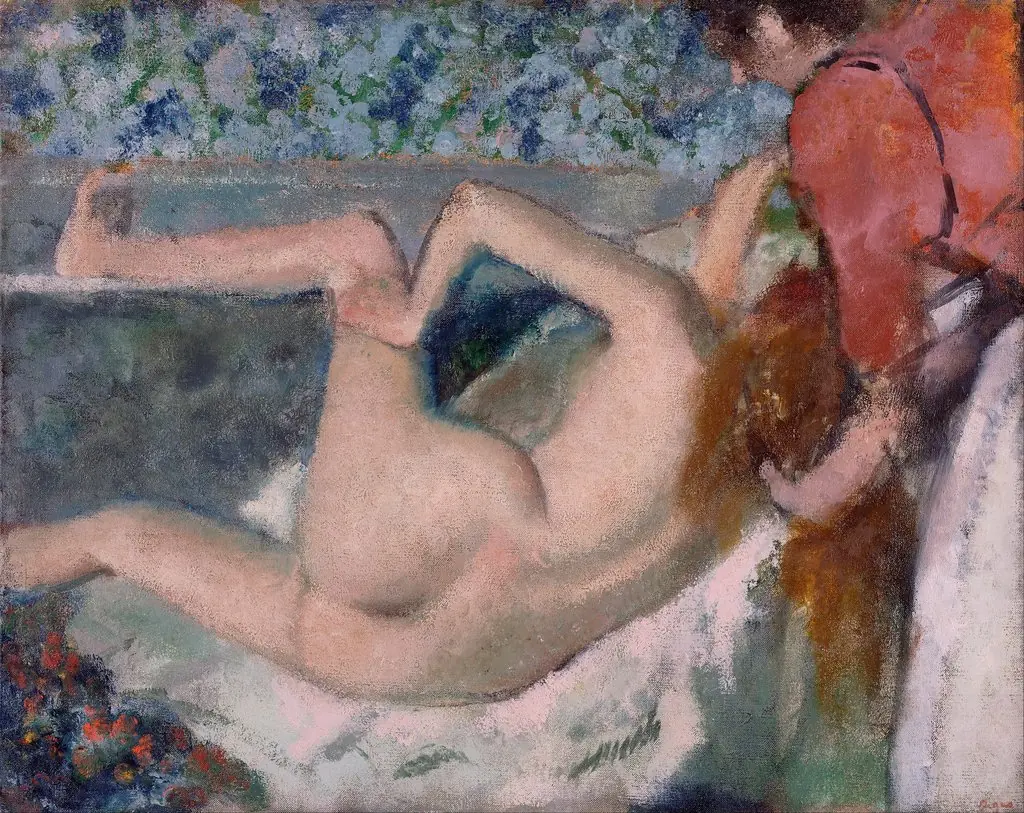
The Model Resting is an unspecified painting by the Post-Impressionist artist Henri de Toulouse-Lautrec. It dates from 1895 and is held in the collection of the J. Paul Getty Museum.
About this work
Overview
It reflects his engagement with the intimate, often overlooked moments of Parisian life during the fin de siècle.
Painted in 1895, *The Model Resting* is a work by Henri de Toulouse-Lautrec, housed in the J. Paul Getty Museum. It reflects his engagement with the intimate, often overlooked moments of Parisian life during the fin de siècle. Though trained in academic traditions, Lautrec gravitated toward scenes outside elite circles, capturing subjects with psychological nuance rather than idealization. This piece exemplifies his shift from illustration to painterly exploration of solitude and presence.
Subject & Meaning
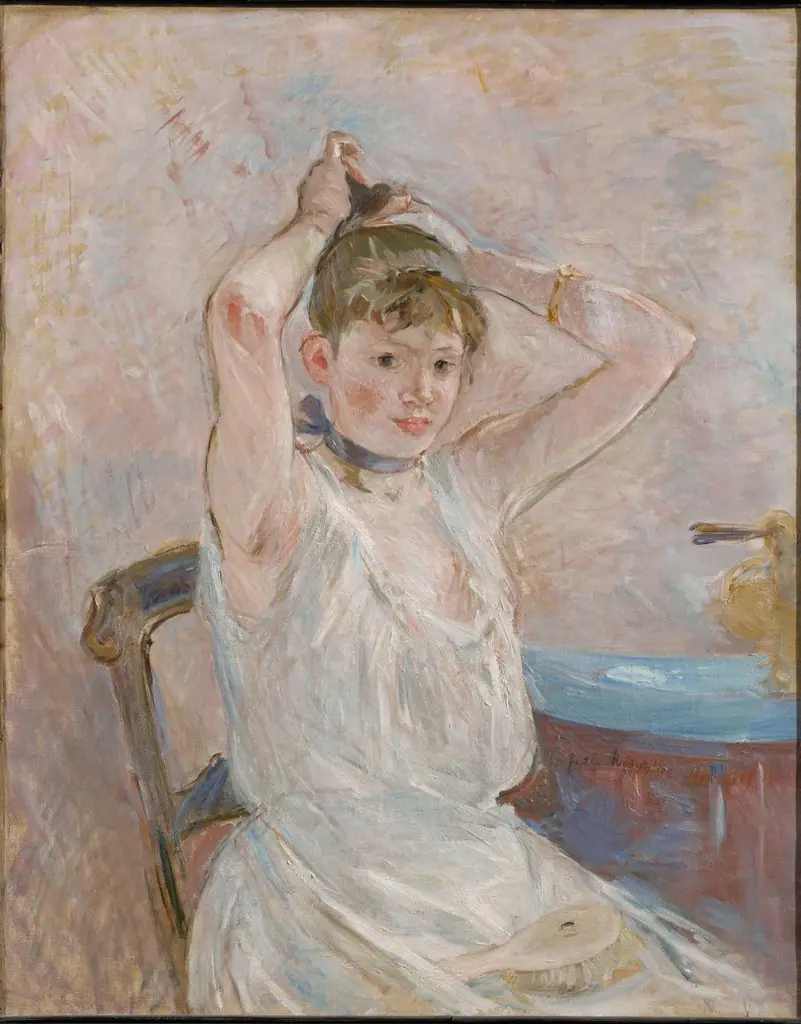
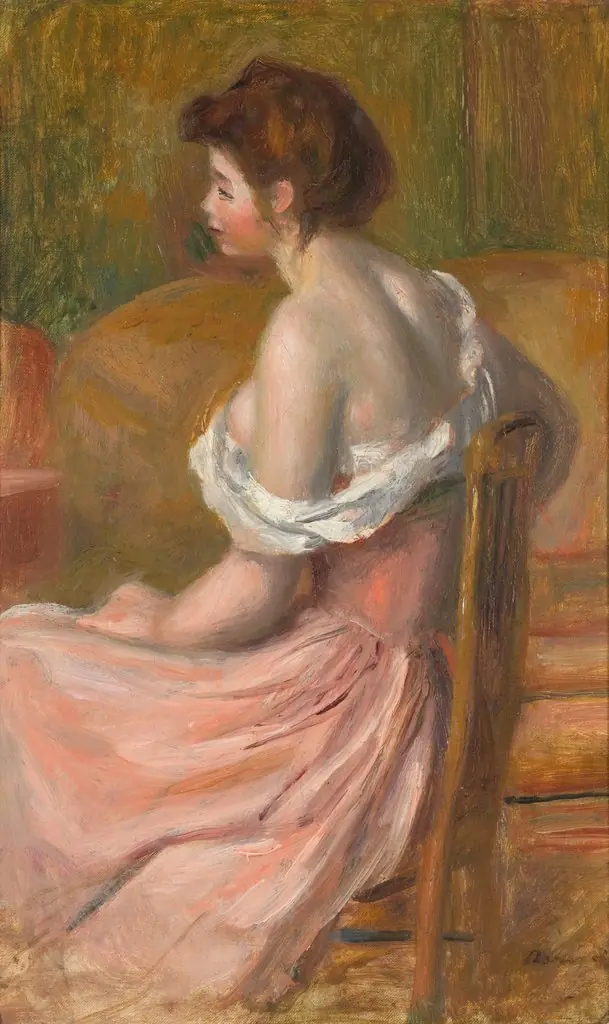
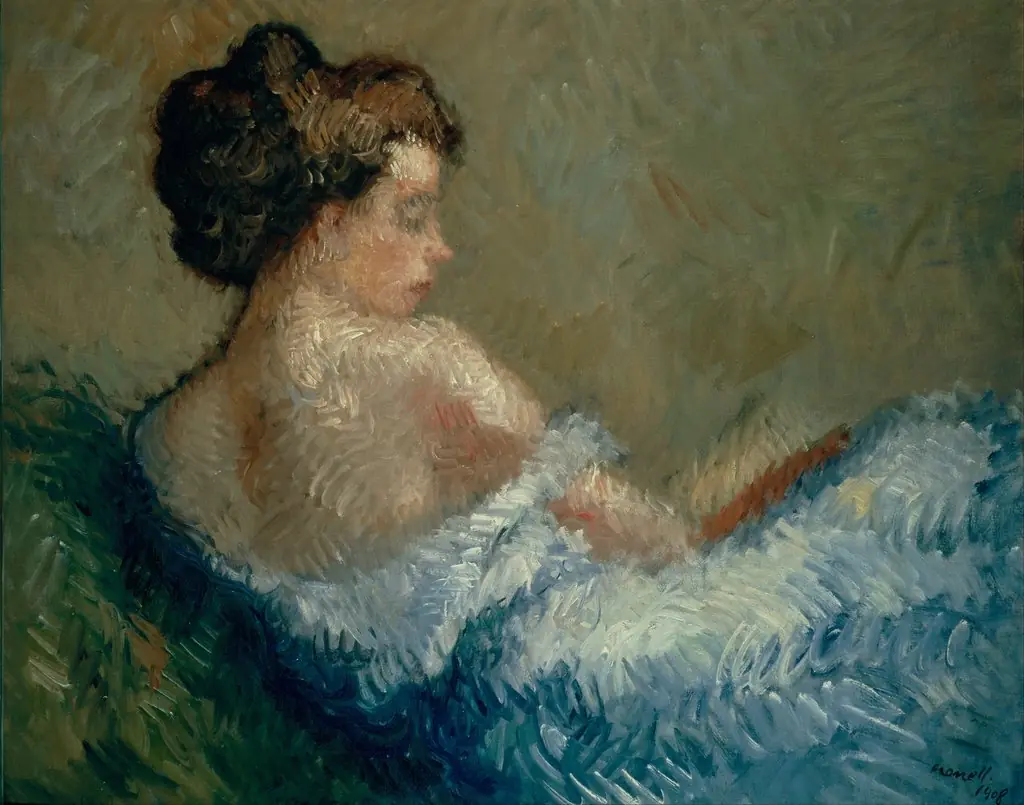
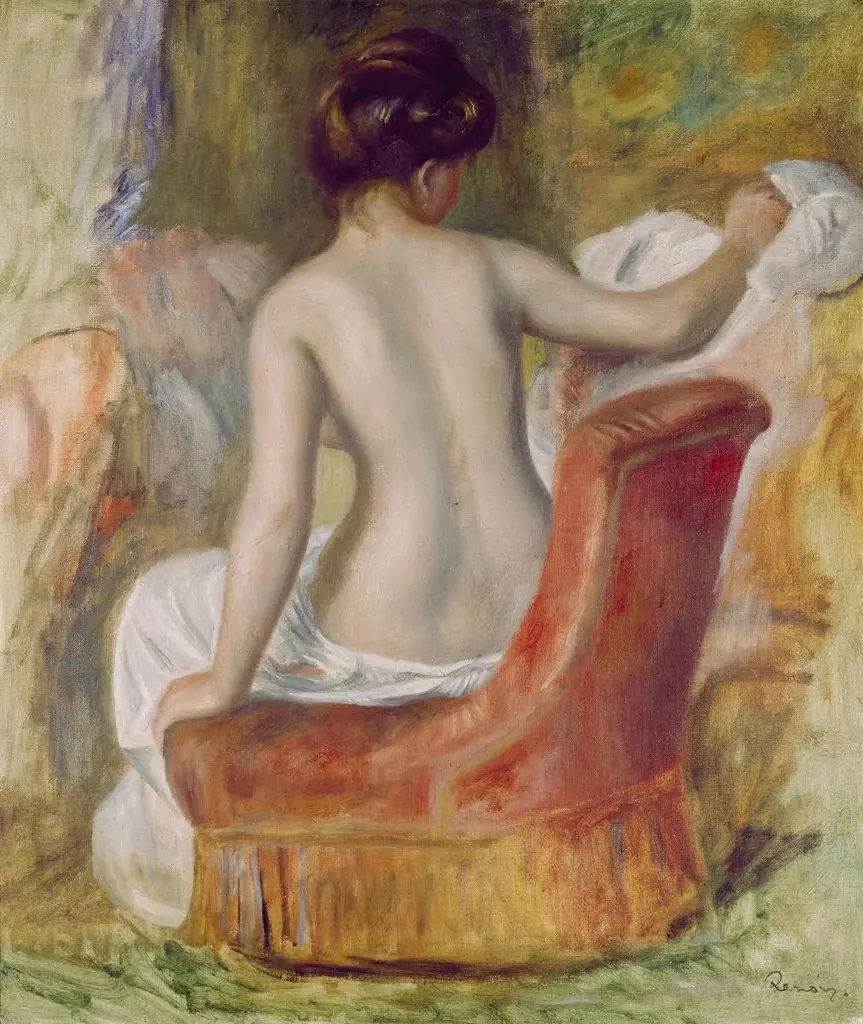
The painting portrays a female model in repose, turned away from the viewer, draped in a loose white garment. Her posture suggests exhaustion or introspection, not performance. Lautrec, who frequently worked with performers and sex workers, avoided sensationalism here. Instead, he presents her as a person in a private moment, detached from the gaze of an audience. The quietude of the scene contrasts with the theatricality often associated with his other works, hinting at the emotional toll of her profession.
Technique & Style
Lautrec uses muted pastels and layered, earthy tones to model form without heavy outlines, a departure from his graphic posters. The brushwork is loose yet deliberate, creating texture in fabric and skin through subtle shifts in hue rather than chiaroscuro. Light falls softly, defining the curve of the body and the folds of the garment without dramatic contrast. His approach merges the observational clarity of Realism with the tonal sensitivity of Impressionism, filtered through his own restrained aesthetic.
History & Provenance
Created during Lautrec’s mature period, the painting emerged from his regular visits to studios and brothels in Montmartre, where models often posed between assignments. It remained in private hands until acquired by the J. Paul Getty Museum in the late 20th century. Unlike his more famous posters, this oil painting was not widely reproduced, contributing to its relative obscurity. Its provenance reflects a quiet continuity, preserved by collectors who valued its understated humanity over spectacle.
Context
In 1890s Paris, the boundaries between art, entertainment, and sexuality were fluid. Lautrec, an aristocrat with physical disabilities, found kinship among those on society’s margins. His depictions of models, dancers, and performers were not voyeuristic but empathetic, offering glimpses into their daily rhythms. *The Model Resting* aligns with a broader trend among Post-Impressionists to elevate ordinary subjects, rejecting academic grandeur in favor of psychological realism and intimate scale.
Legacy
Though less celebrated than his lithographs, *The Model Resting* exemplifies Lautrec’s capacity for quiet observation. It influenced later artists interested in the dignity of everyday life, particularly those exploring gender and labor in modern urban settings. The painting’s restraint—its avoidance of melodrama or eroticism—marks it as a precursor to 20th-century modernist approaches to the human figure, emphasizing presence over performance.
Own this work as a print
Artist & collection
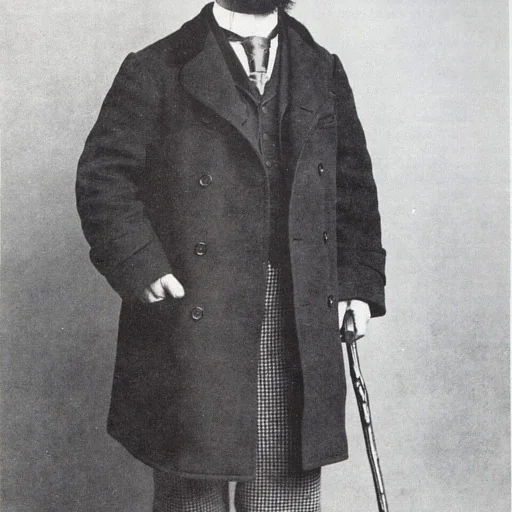
Artist
Comte Henri Marie Raymond de Toulouse-Lautrec-Montfa (24 November 1864 – 9 September 1901), known as Toulouse-Lautrec (French: ), was a French painter, printmaker, draughtsman, caricaturist, and illustrator.