Artwork
Untitled
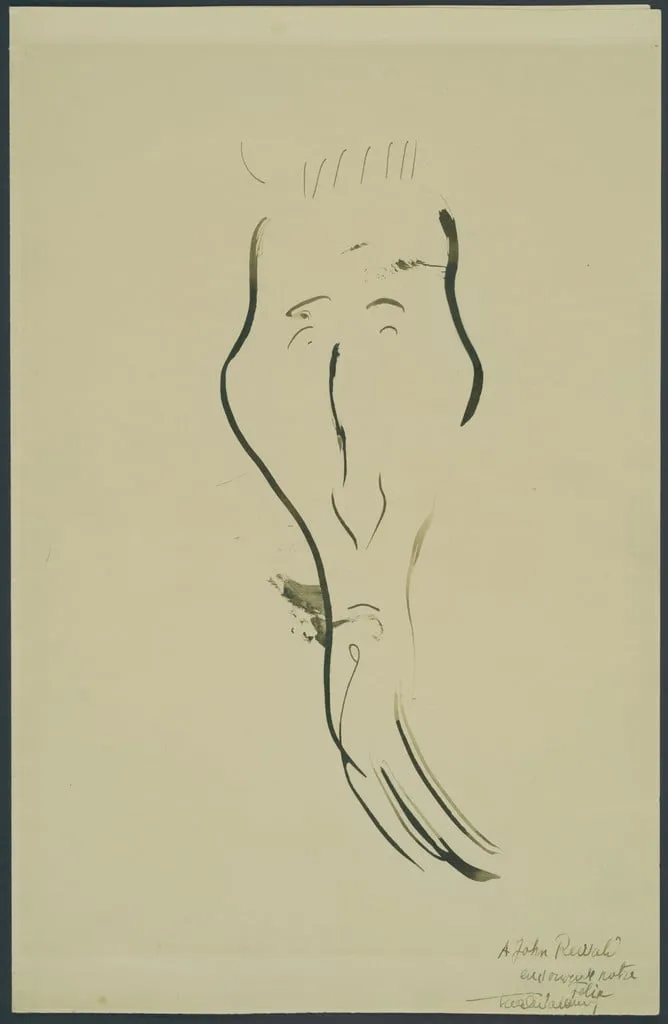
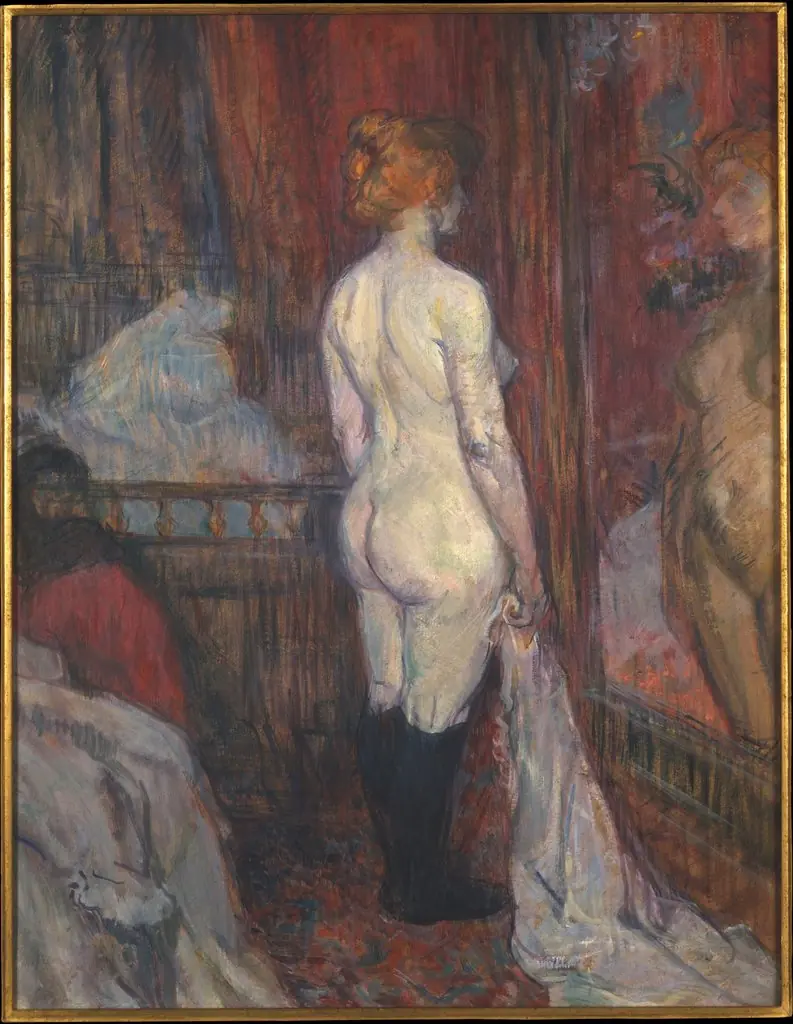
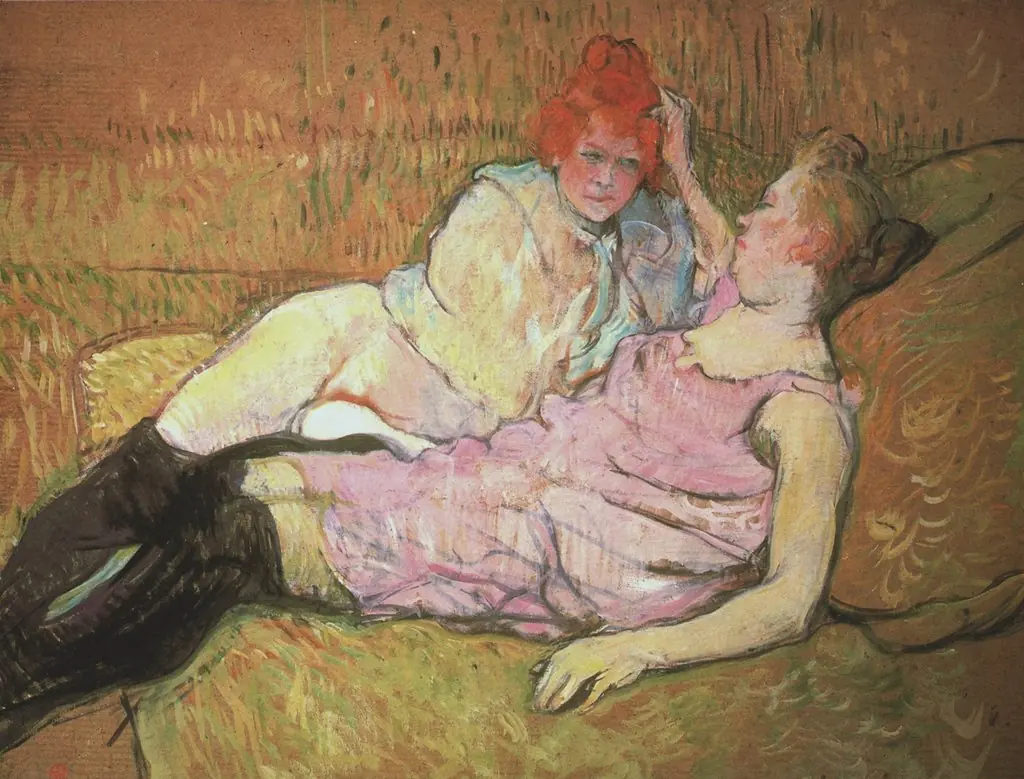
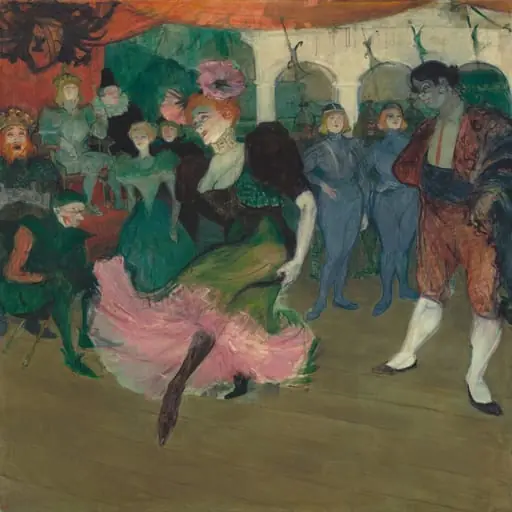
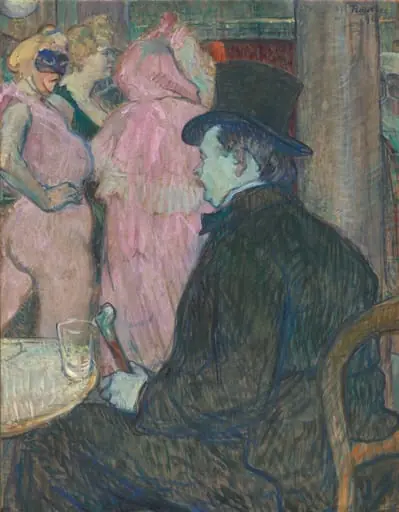
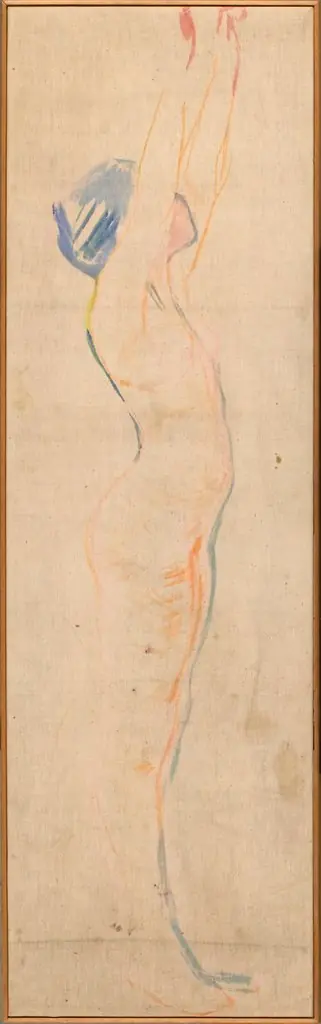
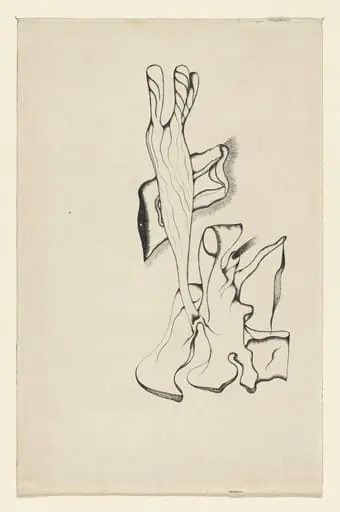
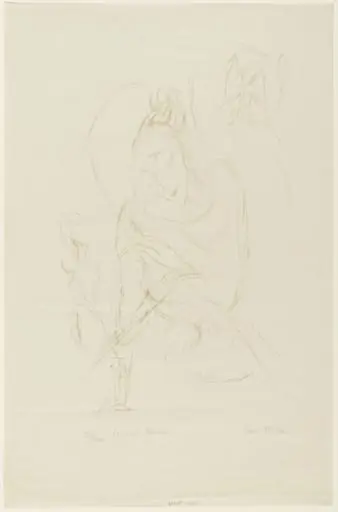
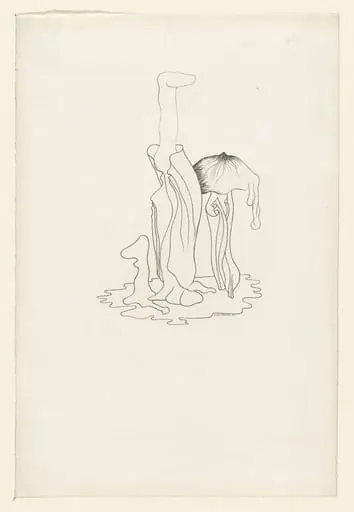
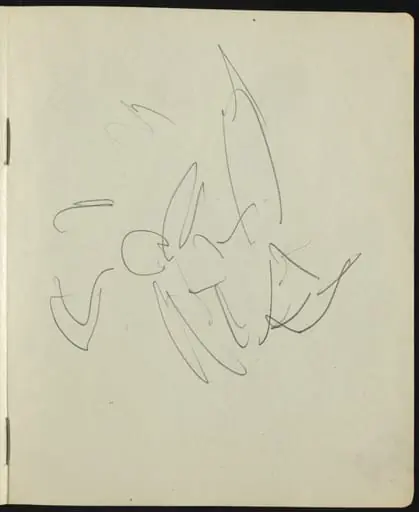
Untitled is an ink drawing by the Impressionist artist Henri de Toulouse-Lautrec. It dates from 1896 and is held in the collection of the Museum of Modern Art.
About this work
Overview
Though unsigned and untitled, its immediacy aligns with his broader practice of documenting human presence over formal composition.
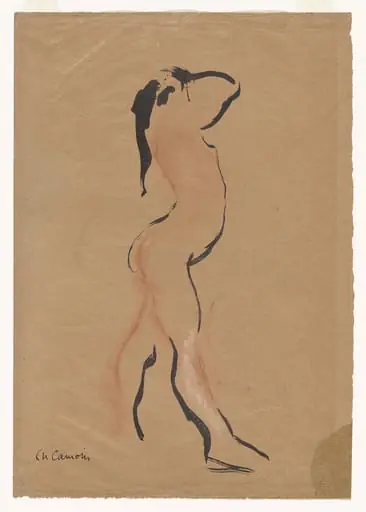
Created around 1896, this ink drawing on paper is one of many intimate studies by Henri de Toulouse-Lautrec. Executed with rapid, unrefined strokes, it captures a solitary nude figure in a candid, unidealized pose. The work reflects his habit of sketching from life in Parisian social spaces, where he observed individuals with quiet attention. Though unsigned and untitled, its immediacy aligns with his broader practice of documenting human presence over formal composition.
Subject & Meaning
The figure is rendered without context or narrative, suggesting a moment of private stillness rather than performance. Its anonymity and lack of embellishment distance it from the theatrical subjects often associated with Lautrec. The pose—sideways, one arm bent, hand near the hip—conveys vulnerability rather than sensuality. The minimal facial features imply a deliberate avoidance of identity, focusing instead on posture and presence as subjects in themselves.
Technique & Style
Lautrec employed loose, fluid ink lines that suggest speed and spontaneity. The strokes vary in weight, with some smudged or faint, indicating possible reworking or damp paper. The body is simplified to essential contours, avoiding modeling or shading. The yellowed paper adds warmth and age, enhancing the sketch’s sense of ephemerality. This approach reflects his training in observational drawing and his rejection of academic polish in favor of direct expression.
History & Provenance
The drawing entered the collection of The Museum of Modern Art through documented acquisition, though its earlier ownership remains unrecorded. It was likely produced during Lautrec’s most active period in Montmartre, when he filled sketchbooks with studies of performers, patrons, and private moments. Unlike his finished posters or paintings, such drawings were rarely intended for public display, making their survival and institutional preservation significant.
Context
In the 1890s, Lautrec frequently moved between cabarets, brothels, and his studio, using drawing as a means to record fleeting encounters. His physical condition, resulting from adolescent injuries, limited his mobility but deepened his focus on close observation. This drawing belongs to a body of work that quietly challenged traditional representations of the nude, favoring authenticity over idealization in a society increasingly fascinated by urban life’s undercurrents.
Legacy
This sketch exemplifies Lautrec’s influence on modern figure drawing through its emphasis on gesture over finish. It contributed to a shift in artistic values, where the immediacy of the sketch gained legitimacy as an end in itself. Later artists, particularly those exploring expressionism and informal portraiture, found in such works a precedent for capturing human presence without embellishment or narrative constraint.
Artist & collection
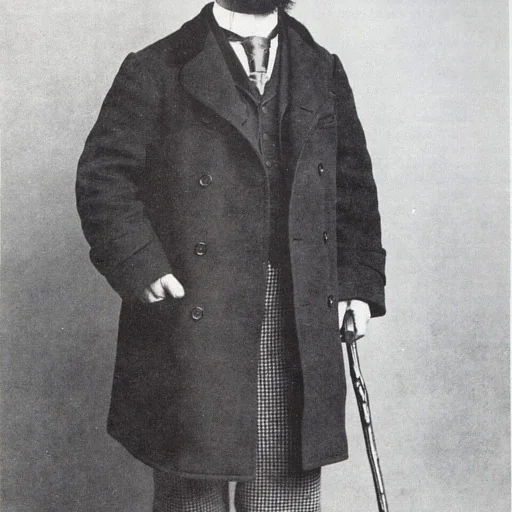
Artist
Comte Henri Marie Raymond de Toulouse-Lautrec-Montfa (24 November 1864 – 9 September 1901), known as Toulouse-Lautrec (French: ), was a French painter, printmaker, draughtsman, caricaturist, and illustrator.