Artwork
Siegfried and the Daughters of the Rhine
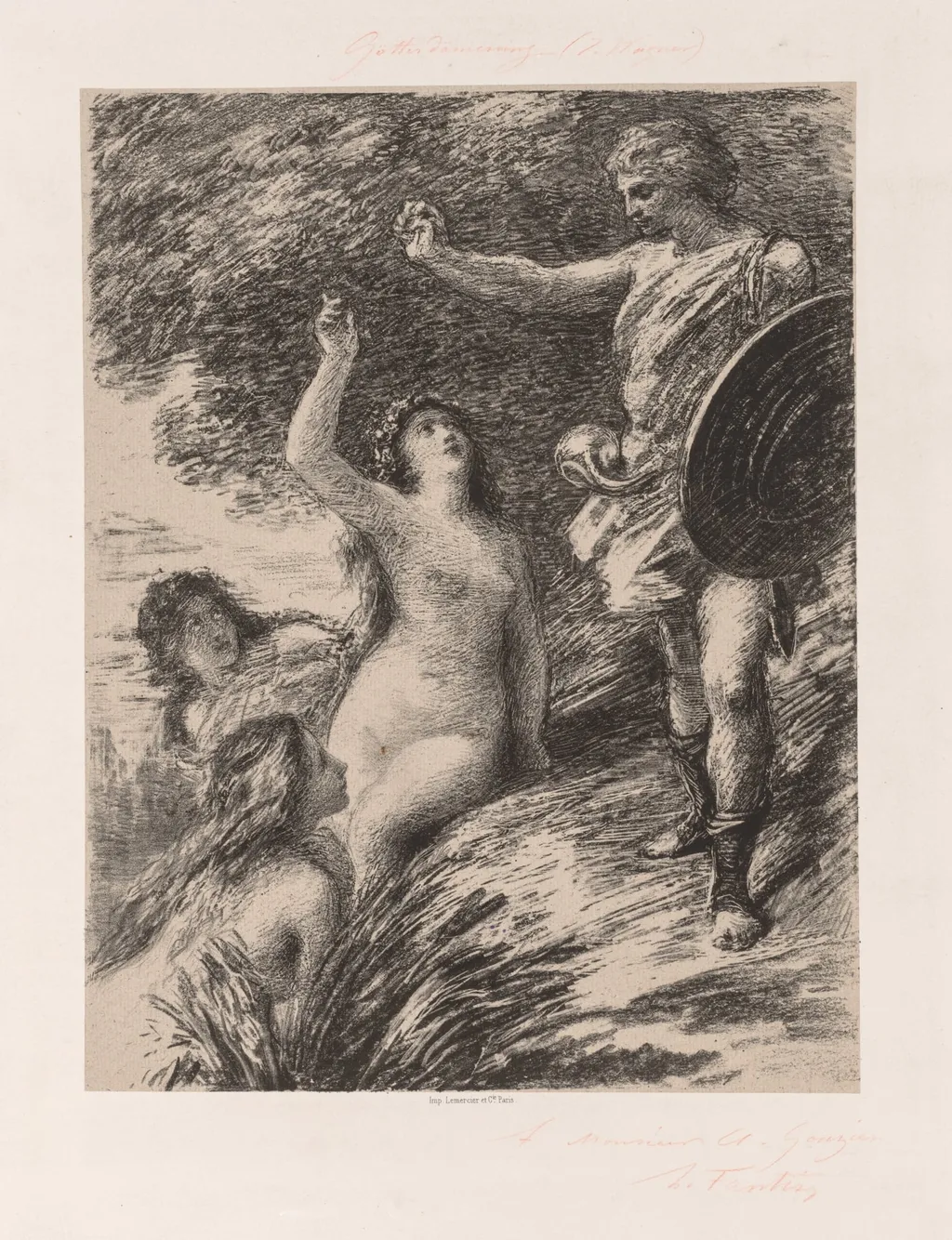
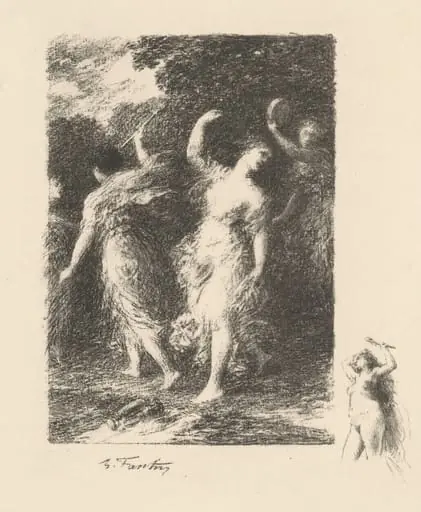
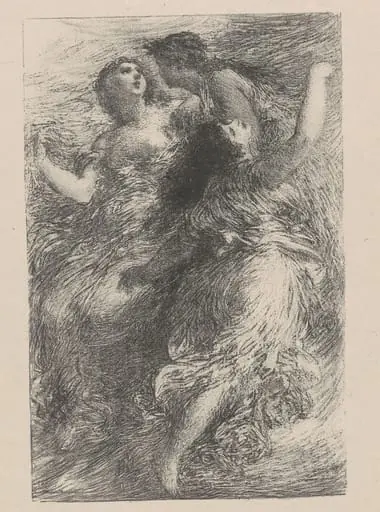
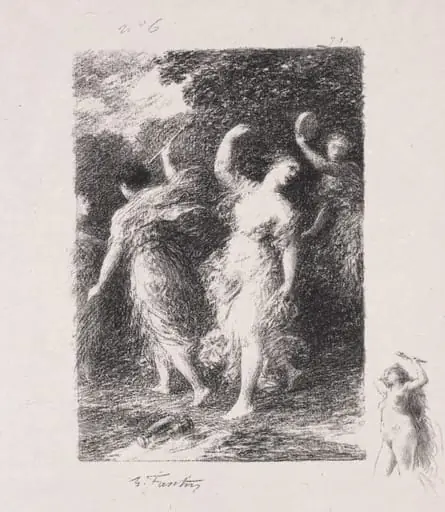
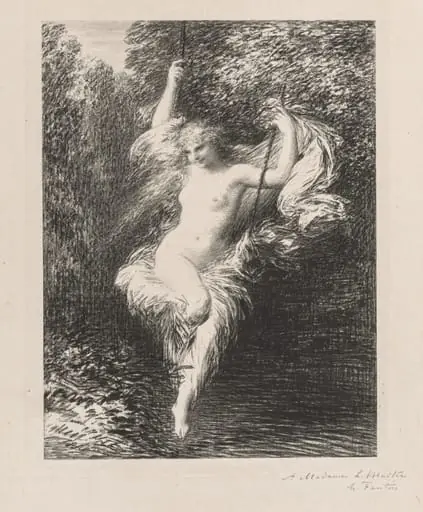
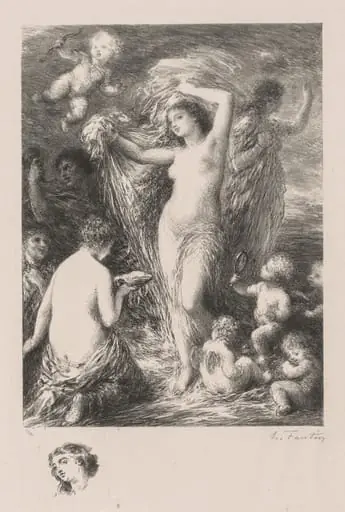
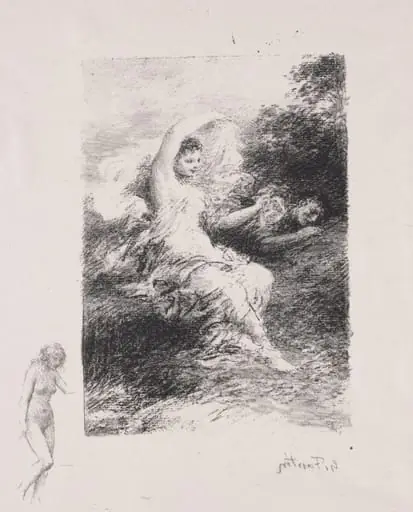
Siegfried and the Daughters of the Rhine is a print by the Impressionist artist Henri Fantin-Latour. It dates from 1880 and is held in the collection of the Cleveland Museum of Art.
About this work
Overview
The piece is part of the permanent collection at The Cleveland Museum of Art, reflecting his engagement with narrative subjects beyond his more familiar genres.
Created around 1880 by French artist Henri Fantin-Latour, this lithograph illustrates a moment from Germanic legend involving the hero Siegfried and the Rhine nymphs. Though best known for still lifes and portraits of literary figures, Fantin-Latour turned to mythological themes in this work. The piece is part of the permanent collection at The Cleveland Museum of Art, reflecting his engagement with narrative subjects beyond his more familiar genres.
Subject & Meaning
The scene captures Siegfried, clad in armor and bearing sword and shield, confronting three nude female figures associated with the Rhine River. These figures, drawn from Norse and Germanic myth, are often interpreted as guardians or spirits of the river. Their stillness and the hero’s poised stance suggest a moment of tension—neither violent nor intimate—hinting at fate, temptation, or the threshold between human and supernatural realms.
Technique & Style
Fantin-Latour employed chiaroscuro to model forms with subtle gradations of light and shadow, lending volume and emotional weight to the figures. The contrast between the armored hero and the fluid, exposed bodies of the nymphs enhances the visual drama. Delicate linework and atmospheric tonal shifts in the background—trees, sky, and water—create depth without overt detail, aligning the work with academic traditions rather than the emerging Impressionist style.
History & Provenance
The print was produced during a period when Fantin-Latour was exploring mythological narratives alongside his more commercial subjects. It entered the collection of The Cleveland Museum of Art in the 20th century, likely through a donation or acquisition focused on 19th-century European prints. Its preservation reflects institutional interest in lesser-known mythological works by artists primarily associated with realism and portraiture.
Context
In late 19th-century France, interest in Germanic legends surged due to Wagnerian opera and Romantic nationalism. Fantin-Latour’s choice of subject aligns with broader cultural fascination, though his treatment remains restrained compared to the theatricality of Wagner’s adaptations. His approach reflects a quieter, more introspective engagement with myth, rooted in academic draftsmanship rather than populist spectacle.
Legacy
While not widely reproduced or celebrated in popular discourse, this print exemplifies Fantin-Latour’s versatility and his quiet departure from his usual subjects. It stands as a testament to his engagement with narrative traditions beyond the Parisian salon, offering insight into how academic artists interpreted myth during a time of shifting artistic priorities in Europe.
Artist & collection
Artist
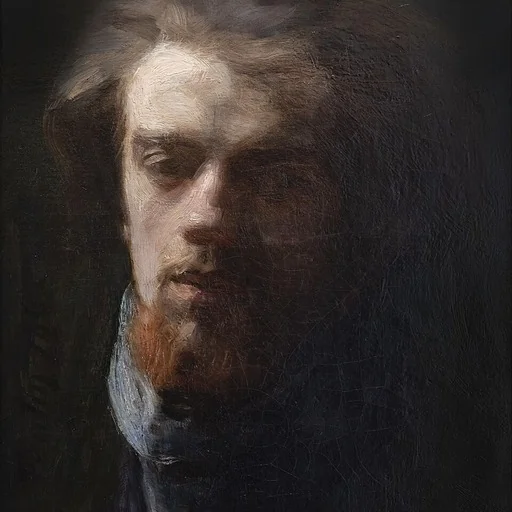
Ignace Henri Jean Theodore Fantin-Latour (French pronunciation: ; 14 January 1836 – 25 August 1904) was a French painter and lithographer best known for his flower paintings and group portraits of Parisian artists and writers.