Artwork
Still Life: A yellow Rose
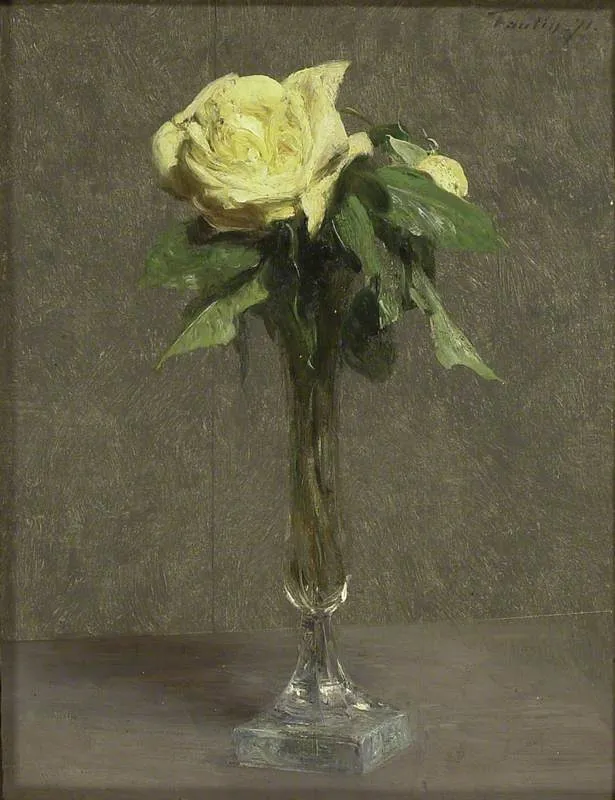
Still Life: A yellow Rose is an oil painting by the Realist artist Henri Fantin-Latour. It dates from 1871 and is held in the collection of the Ashmolean Museum.
About this work
Overview
Rendered with quiet precision, the composition avoids embellishment, focusing instead on the quiet presence of a single natural form.
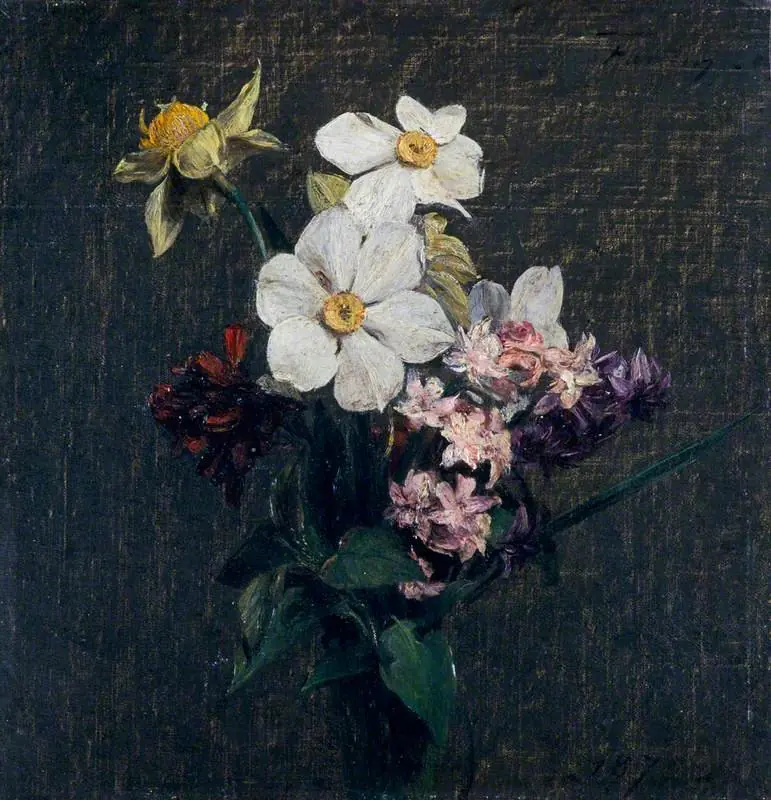
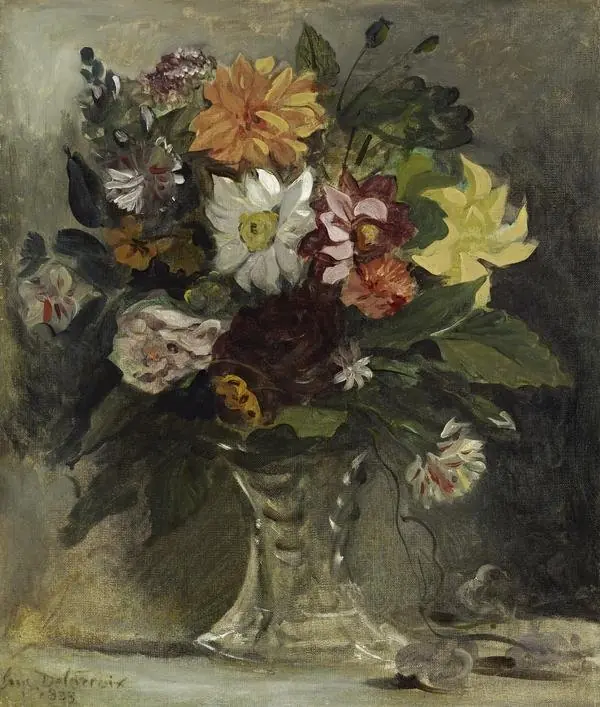
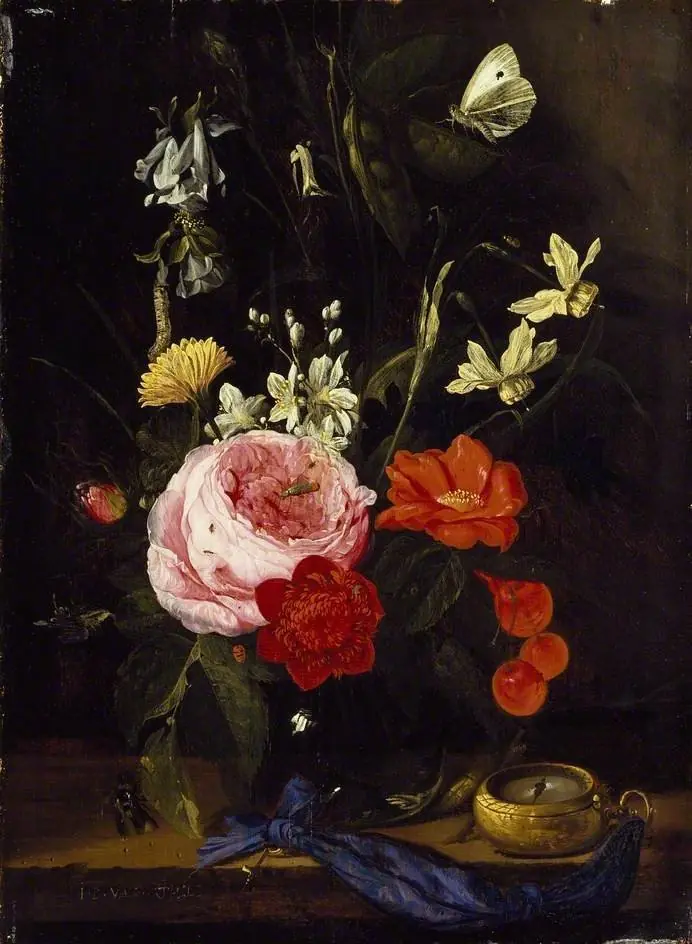
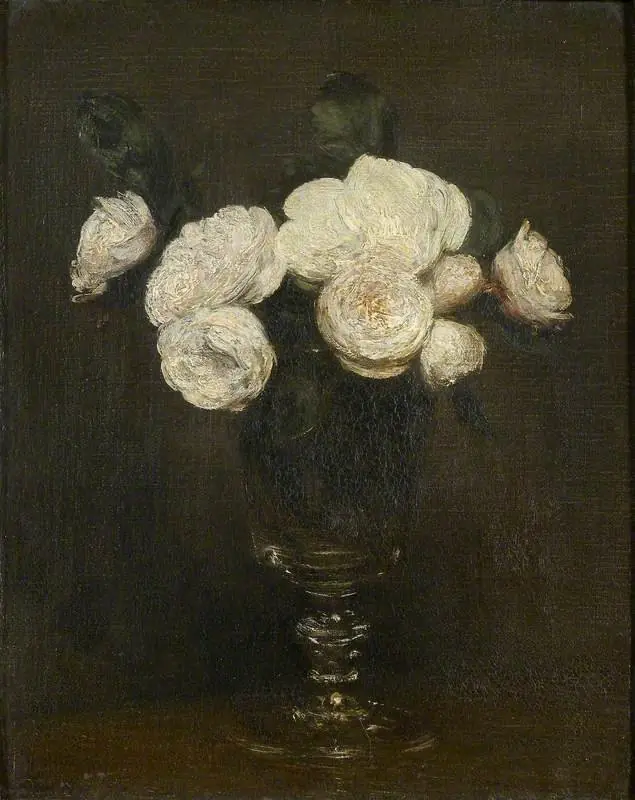
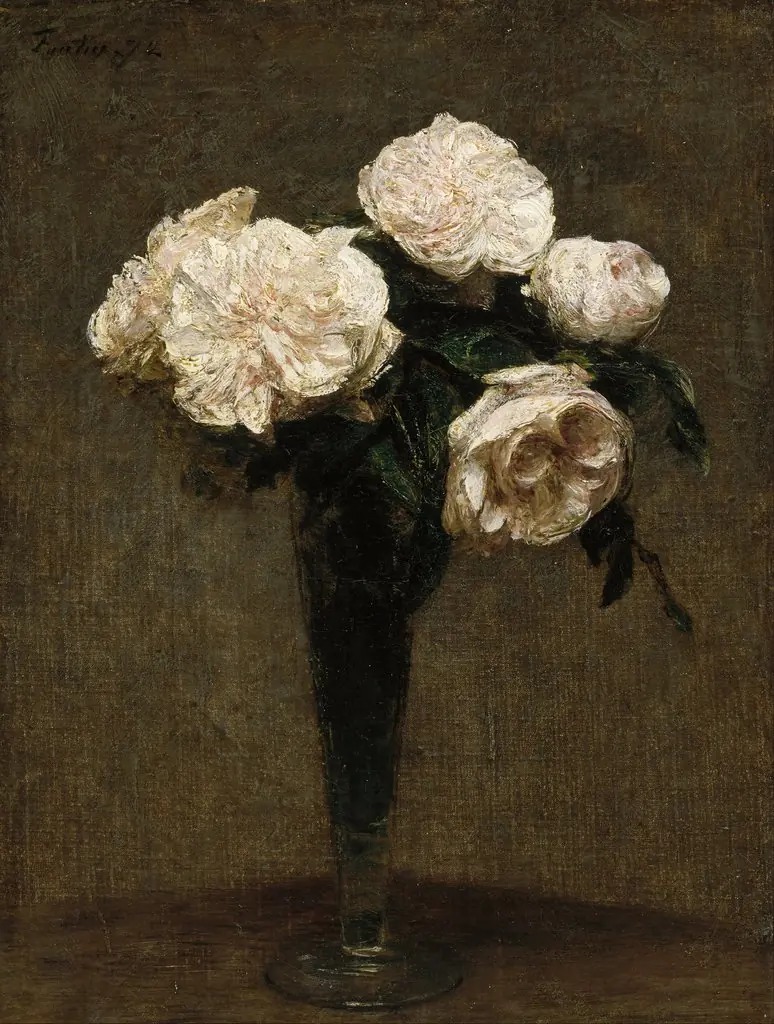
Painted in 1871, this oil on canvas work by Henri Fantin-Latour presents a solitary yellow rose in a slender glass vase. Rendered with quiet precision, the composition avoids embellishment, focusing instead on the quiet presence of a single natural form. The dark, textured background isolates the bloom, drawing attention to its subtle variations in hue and form. Fantin-Latour’s approach reflects a commitment to close observation rather than dramatic effect.
Subject & Meaning
The painting centers on a single yellow rose, chosen for its transient beauty and symbolic resonance in 19th-century still life. Unlike floral arrangements meant to convey abundance or sentiment, this work emphasizes solitude and impermanence. The absence of other elements invites contemplation of the flower’s delicate structure and fleeting existence, aligning with broader aesthetic values of restraint and introspection in post-romantic French art.
Technique & Style
Fantin-Latour employed subtle chiaroscuro to model the rose’s petals, using soft gradations of light and shadow to suggest volume without harsh contrasts. The glass vase is rendered with attention to transparency and reflection, capturing how light passes through and bounces off its surface. Brushwork is controlled and precise, avoiding visible strokes, which reinforces the sense of stillness and quiet realism that defines his approach to still life.
History & Provenance
Created in 1871, the painting entered the Ashmolean Museum’s collection through documented acquisition. It has remained in institutional hands since, with no record of private ownership or major exhibitions beyond museum displays. Its preservation reflects its status as a representative example of Fantin-Latour’s quieter, more intimate works, distinct from his larger group portraits of literary figures.
Context
In the early 1870s, French art was shifting toward Impressionism, yet Fantin-Latour remained committed to detailed, studio-based still life and portraiture. His work stood apart from the loose brushwork and outdoor scenes favored by contemporaries like Monet. This painting reflects a continuation of 18th-century Dutch traditions, adapted through a French sensibility that valued quiet observation over innovation or spectacle.
Legacy
Though less celebrated than his group portraits, this still life exemplifies Fantin-Latour’s enduring contribution to the genre. Its restrained composition influenced later artists interested in minimalism and the emotional weight of ordinary objects. The painting remains a reference point for studies in technical precision and the quiet power of singular natural forms within the broader narrative of 19th-century European painting.
Artist & collection
Artist
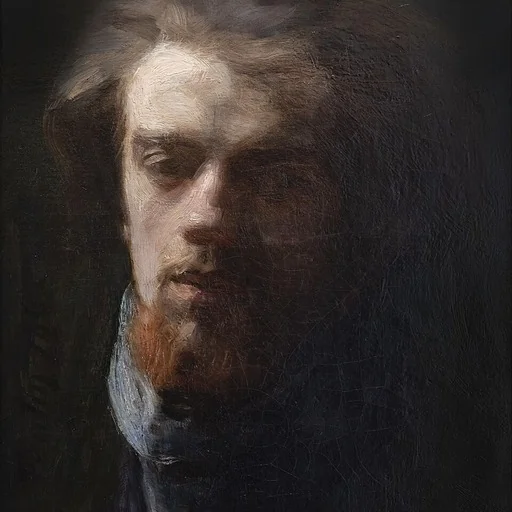
Ignace Henri Jean Theodore Fantin-Latour (French pronunciation: ; 14 January 1836 – 25 August 1904) was a French painter and lithographer best known for his flower paintings and group portraits of Parisian artists and writers.